





 Portuguese
  English
  Spanish
  4 min of reading
  1 comment


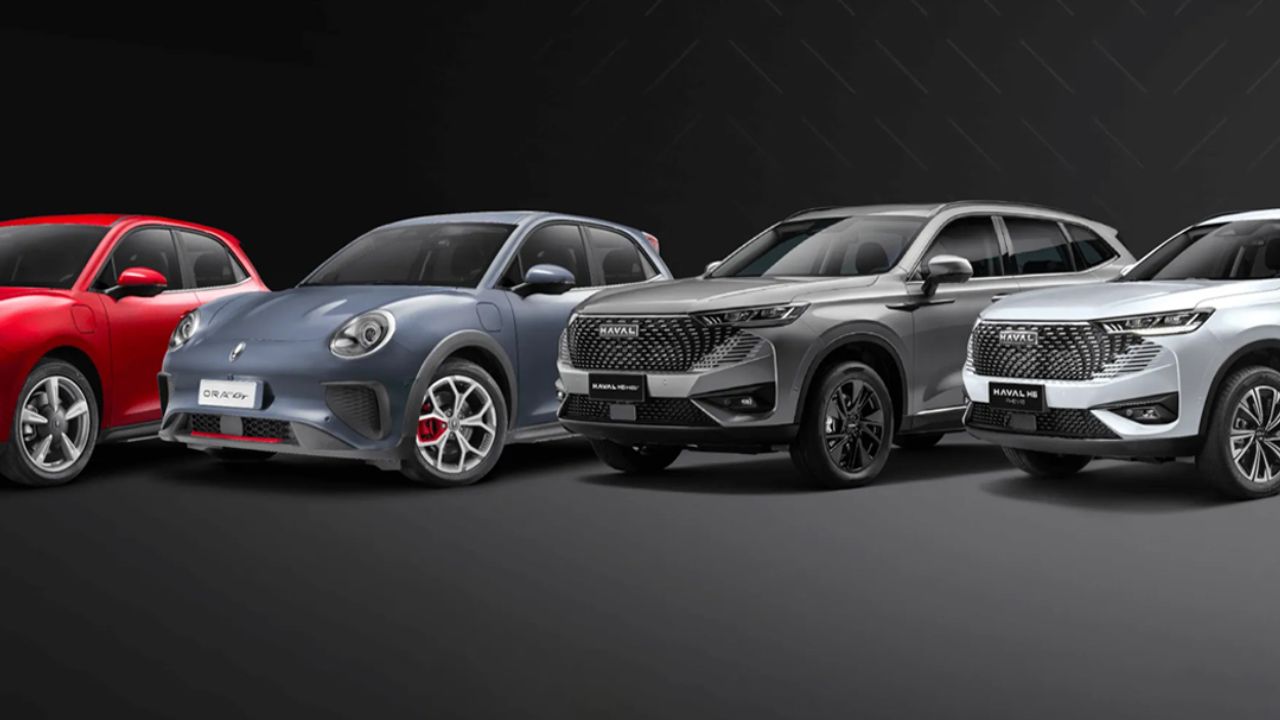

Chinese-Origin Vehicles Overcome Skepticism With Innovation, Quality, and Assertive Strategies, Transforming the National Automotive Scenario and Conquering the Consumer.
The Brazilian automotive market is undergoing a revolution. Chinese cars, once viewed with suspicion, are now highly desired. Packed dealerships and increasing sales reflect this change. Technological innovation, sophisticated design, and effective market strategies explain this rise.
The Brazilian consumer is witnessing a remarkable turnaround. Chinese cars, once ridiculed, now attract crowds to dealerships. This phenomenon is no accident. It results from years of investment in technology, design, and market tactics. The ascent is a product of innovation, especially in electrification, and a new design philosophy.
First Years of Chinese Cars in Brazil

The arrival of the first Chinese brands, such as Chery and JAC Motors, was met with skepticism. The pejorative term “Xing-Ling” associated Chinese products with low quality. This negative perception affected trust in Chinese cars, high-value goods.
-
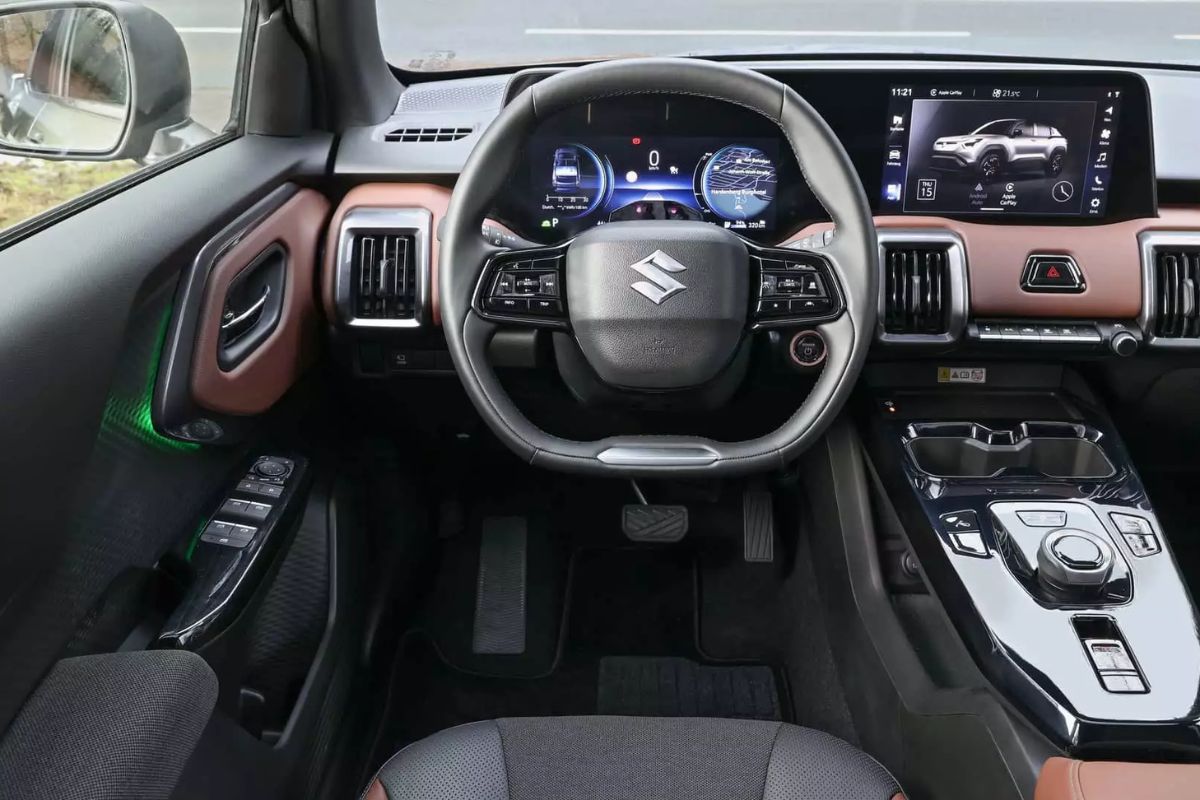
The 2026 electric Vitara arrives in Brazil and proves that Suzuki is not leaving: 4×4 traction, 184 hp, 61 kWh LFP battery, 293 km range, R$ 259,000, and a trunk capacity of 224 L.
-
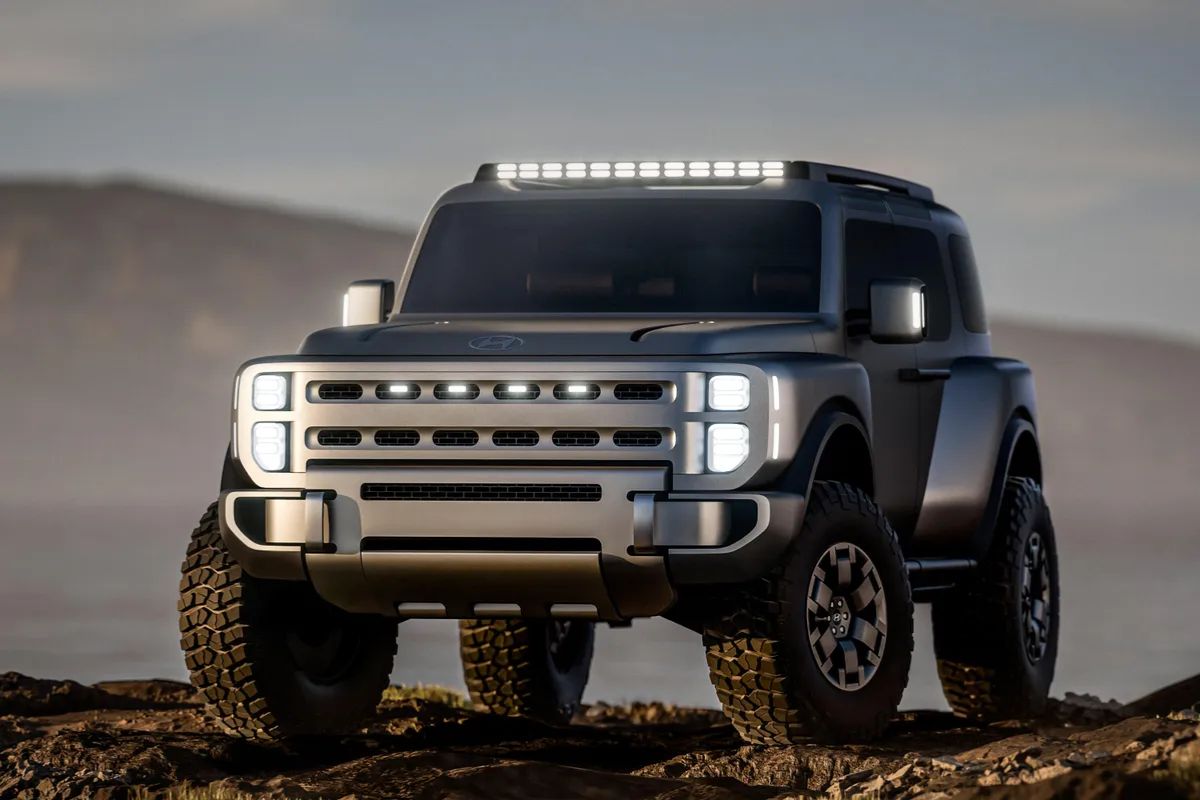
Hyundai has unveiled the Boulder, a square SUV with a body-on-frame design, 37-inch mud tires, and carriage-style doors that seems to be made to take on the Ford Bronco and the Scout Traveller in the United States.
-
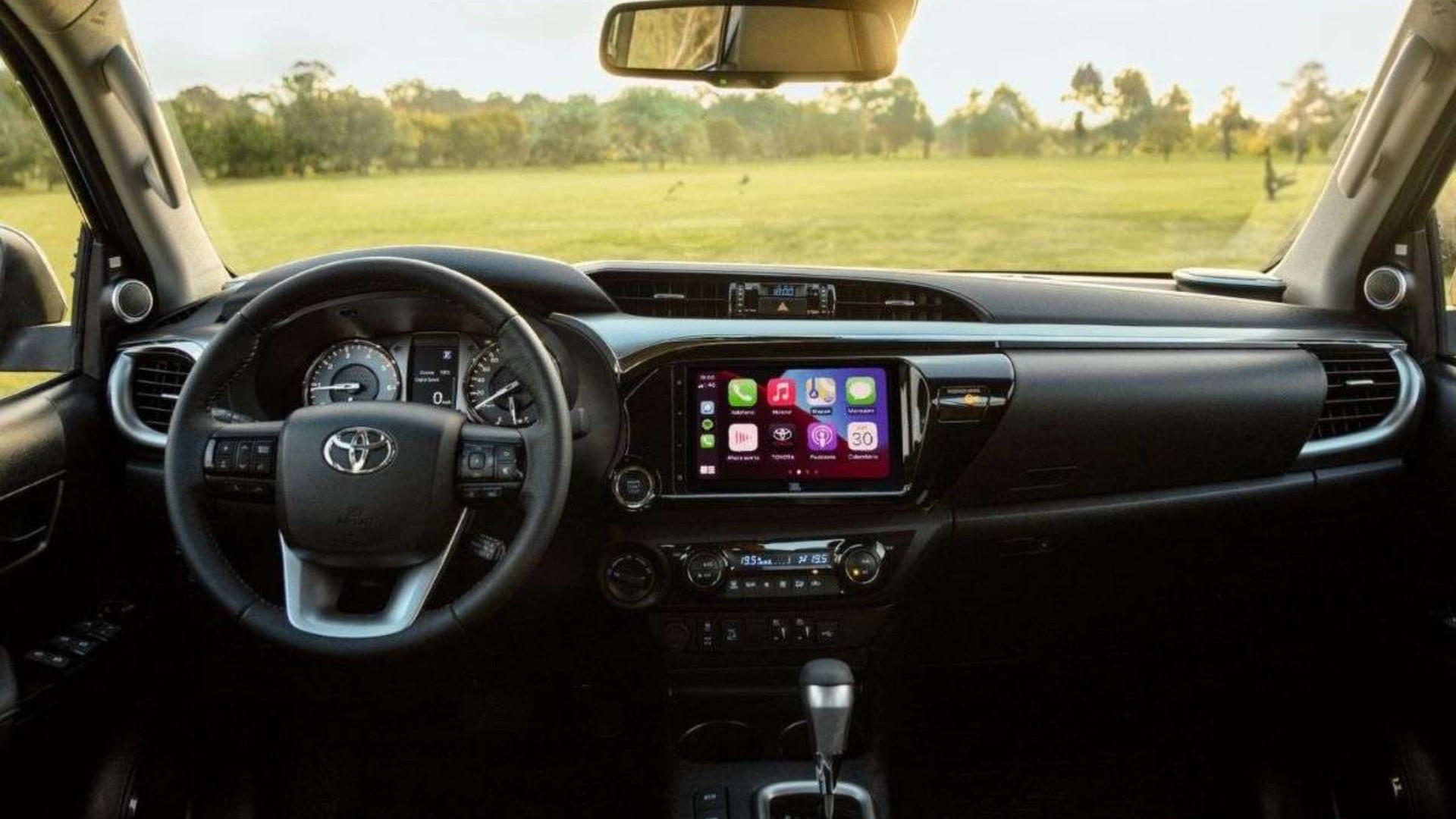
The Toyota Hilux is R$ 75.5 thousand cheaper and bets on the 2.8 turbodiesel engine with up to 204 hp and 50.9 kgfm to catch up with the VW Saveiro, which leads with 4,472 sales.
-
The new Renault Koleos has a screen exclusively for the passenger that is invisible to the driver, heated rear seats, and 29 assistance systems, but its Chinese competitors cost R$ 40,000 less and deliver more power.
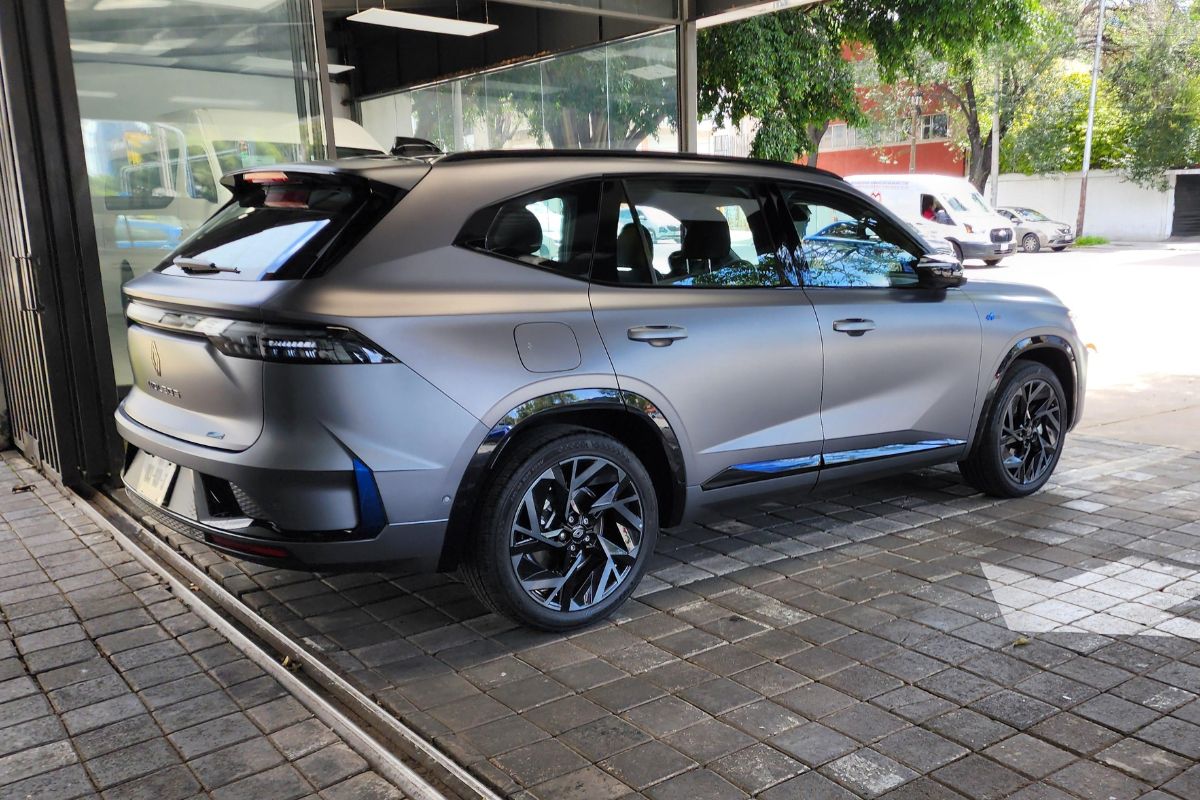

Criticism focused on quality, reliability, and durability. Mechanical issues were common. Safety also raised doubts. Subpar after-sales services, with a lack of parts and inadequate support, scared buyers. Low resale value was another negative factor. The initial designs were seen as generic or copies.
A 2015 study showed that Chinese cars did not meet social aspirations. In Brazil, a car is a symbol of status. Chinese brands were seen as low status. The initial strategy of focusing on low prices reinforced the image of inferior quality. Overcoming the “country-of-origin effect” required years of effort and showcasing quality. Pioneering brands faced losses but paved the way for new entrants.
Technology and Design as Pillars of Transformation
The image of Chinese cars has changed with advancements in technology and design. Automakers invested to reverse the negative perception.

The focus on electrification has been crucial. Electric vehicles (EVs) and plug-in hybrid vehicles (PHEVs) highlighted Chinese brands. Models like BYD Dolphin and Song Plus became references. GWM, with its Haval H6 line, and Caoa Chery, with Tiggo 7 Pro PHEV, reinforced this vanguard. New brands like GAC and Omoda & Jaecoo follow this offensive. Battery technology, such as BYD’s Blade, also contributed.
Sophisticated infotainment systems, with large screens and connectivity, became standard. Comprehensive driver assistance packages (ADAS) also became popular. These features, once in luxury cars, reached accessible segments.
Design has also evolved. Generic styles gave way to distinct and bold visual identities. International designers were hired. Fluid lines, imposing grilles, and striking LED signatures became common. The quality of internal materials improved, creating a premium feel. Models like BYD Dolphin, BYD Song Plus, GWM Haval H6, and the Tiggo line from Caoa Chery exemplify this transformation.
Market Strategies and Sales Success

Better products were accompanied by smart market strategies. Improvements in build quality and finish were tangible. Investments in local factories, like those from BYD and GWM, signaled commitment. The “tropicalization” of Chinese cars adapted them to Brazil.
Strengthening after-sales support was essential. Dealership networks expanded. Omoda & Jaecoo opened a parts center before starting sales. Extended warranties increased trust. GWM Brazil received the RA1000 seal from Reclame Aqui.
Competitive prices offered more technology for attractive values. Marketing campaigns with celebrities increased recognition. Alliances, such as Caoa and Chery, were successful. Stellantis and Leapmotor, and GM with Wuling, signal new partnerships.
Sales skyrocketed. BYD and GWM reported significant increases. The market share of Chinese brands grew significantly. In the first quarter of 2024, BYD, GWM, and Caoa Chery led the growth in market share. In January 2025, the combined share reached 8.82%. In the electrified segment, they dominated with 82% in 2024. The high demand and online interest confirm the trend.
The New Reality of the Automotive Sector With the Rise of Chinese Cars

The rise of Chinese cars forces traditional automakers to reevaluate their strategies. Consumers show a willingness to switch from traditional brands to new Chinese offerings. Price pressure benefits consumers, with access to better-equipped vehicles.
Consumer perception has shifted from skepticism to trust. Reports from BYD and GWM owners indicate few problems. Models like BYD Song Plus, Dolphin, and GWM Haval H6 PHEV are praised.
However, challenges remain. Maintenance costs for the BYD Song Plus have generated complaints. The availability of parts from Caoa Chery is still a problem. The suspension of the BYD Dolphin Mini received criticism. Connectivity issues have also been reported in some BYD models. Brands need to be responsive to these issues.
Traditional manufacturers are reacting by investing in electrification and technology. They adjust prices and equipment to remain competitive. Alliances with Chinese firms emerge as a strategy.








Hoje eu prefiro mais um chinês do que um lixo de Volkswagen cheio de plástico por isso comprei um Tiggo 7 Pro e tô satisfeito.