





 Portuguese
  English
  Spanish
  4 min of reading
  0 comments


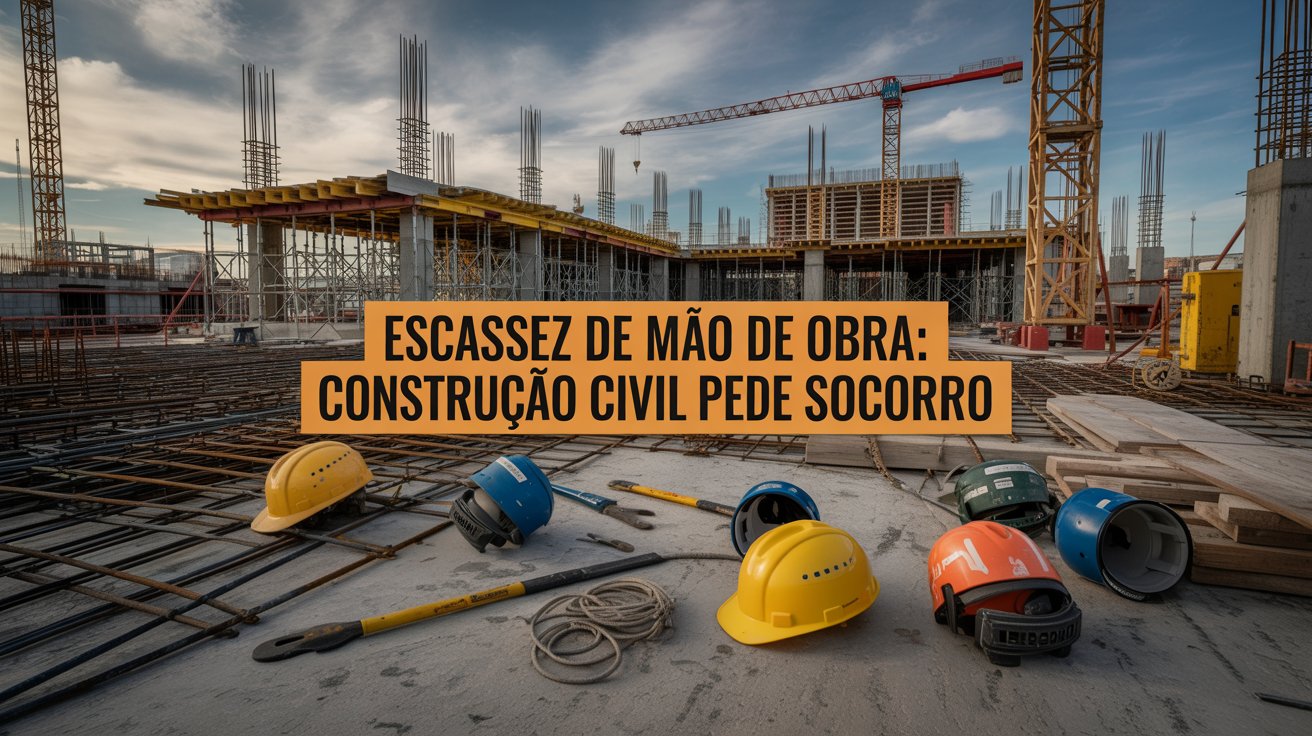
Crisis in the Formal Labor Market Affects Different Sectors in Ceará, with Reports of Labor Shortages, Increase in Informality, and Direct Impact on Construction, Logistics, and Industry; Topic Requires Solutions and Mobilizes Government and Business Owners.
The crisis of qualified and unqualified labor shortages has reached unprecedented levels in Ceará’s construction sector, affecting the pace of projects and causing concern among business owners in the industry.
The alert was originally detailed by columnist Egídio Serpa, in a report published by the Diário do Nordeste, who highlighted the situation in the main companies in the sector, such as Construtora Colmeia, led by Otacílio Valente.
According to Valente, there is currently a deficit of over 100 workers on the construction sites of Porto das Dunas, reflecting a reality that worries the entire production chain.
-
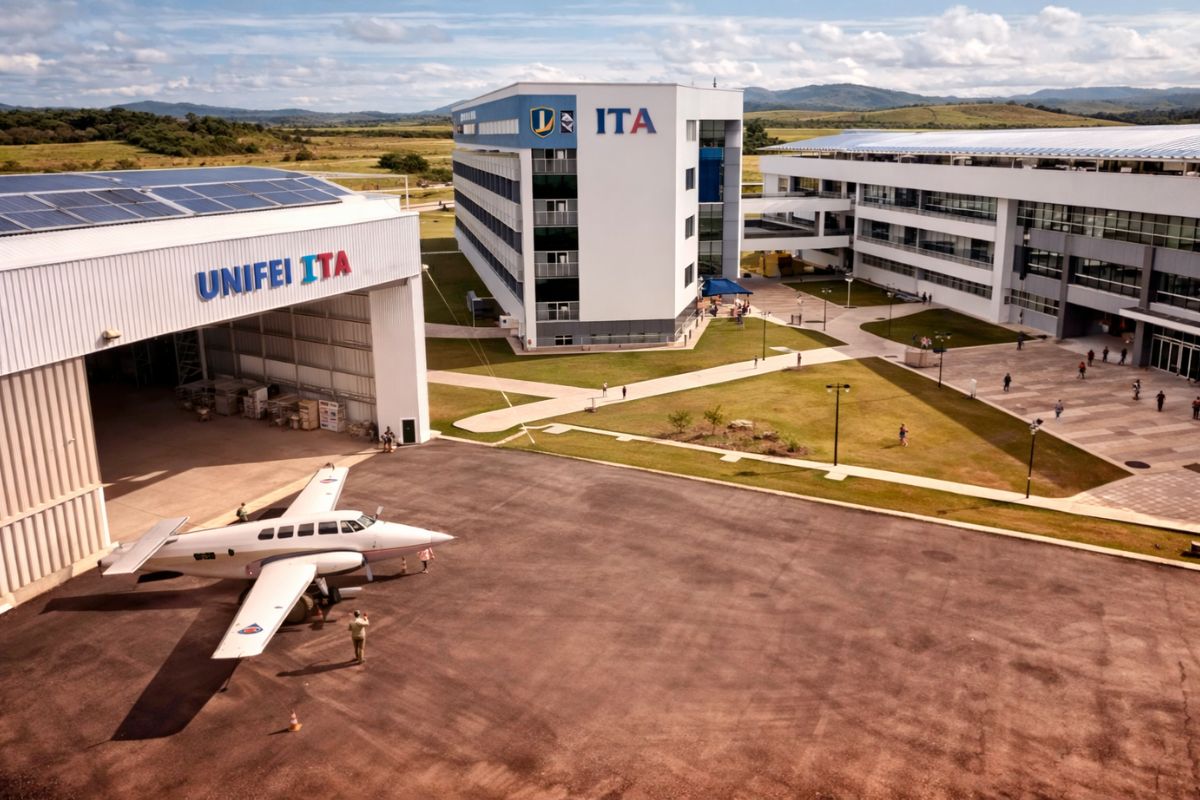
The institute that trained the greatest aerospace engineers in Brazil has just opened its first campus outside São Paulo after 75 years: ITA Ceará will have R$ 445 million, new courses in energy and systems, and classes are expected to start in 2027.
-
Luciano Hang, owner of Havan, goes to Juiz de Fora after the tragedy in February, brings R$ 1 million, hands out R$ 2,000 cards, and donates up to R$ 15,000 to victims in the region.

-
The Brazilian passport allows legal residence in dozens of countries without the need for a prior visa, and most Brazilians are unaware that they can apply for residency directly upon arriving in nations in South America, Africa, and even Europe.

-
Petrobras sends a message to Brazilian truck drivers after fuel collapse and reveals plan to have 100% domestic diesel.


Lack of Workers Affects Other Sectors and Expands Regional Challenges
The scenario, according to an investigation by Diário do Nordeste, is not limited to the construction industry.
Metalworking industries, logistics companies, and port operations are also experiencing increasing difficulties to fill operational positions, even when offering salaries above the regional average.
Carlos Maia, partner and director of Termaco and Tecer, reported that the shortage of workers is a daily challenge, with average salaries close to R$ 4,000, in addition to all the rights provided by law.
Social Benefits and Impact on the Formal Labor Market
Business owners interviewed by the newspaper point out that the labor shortage is partly linked to the competition created by social benefits paid by the federal government, particularly Bolsa Família.
Many professionals choose to work autonomously or informally to avoid losing access to income transfer programs.
This choice makes it difficult to fill formal positions, especially in sectors that require a large number of workers during specific periods, such as construction and agribusiness.
According to Diário do Nordeste, representatives from the productive sector advocate for changes in the rules of social programs, suggesting that beneficiaries be allowed to accept temporary formal jobs without giving up assistance.
For them, such a measure would facilitate the hiring of workers and bring greater balance to the labor market, which is currently marked by a paradox: open positions and little demand, especially for basic roles.
Informality Prevails and Concerns the Productive Sector
The impact of the lack of workers is also reflected in official data.
According to information from the Ministry of Labor and Employment, published in May 2025, only 33.94% of workers in Ceará have formal employment.
In Paraíba, this percentage is 30.92%, while in Piauí it is 29.8%.
In states like São Paulo, formalization reaches 54.46%, and in Minas Gerais, 43.56%, highlighting regional disparities and the predominance of informality in the Northeast.
The report from Diário do Nordeste also emphasized that informality in the labor market undermines the sustainability of Social Security.
The number of active contributors is declining, while the number of retirees and pensioners continues to rise.
This imbalance contributes to the worsening deficit in public accounts, in a context where the debt-to-GDP ratio is already approaching 80% in Brazil in 2025.

Proposals to Reverse the Labor Shortage
In light of this scenario, business owners have proposed to the federal government the creation of mechanisms that allow for the maintenance of social benefits even for those who accept formal jobs during specific periods, such as planting and harvesting in the fields or large urban construction projects.
The proposal, often highlighted in the newspaper’s investigations, aims to relax the rules and ensure that the market can absorb the available labor, without requiring workers to give up social protection.
Aging Workforce Worsens the Scenario
At the same time, another challenge is the aging of the economically active population.
The number of formal workers aged between 25 and 59 is declining across the country, worsening the shortage of professionals in strategic sectors and hindering the renewal of the workforce.
This phenomenon, according to analysis from Diário do Nordeste, is expected to intensify in the coming years, especially in regions with low formalization.
Structural Debate and Urgency for Solutions
The debate over solutions to the labor shortage, however, ends up being overshadowed by current issues, such as the recent taxation of Brazilian exports by the United States.
For specialists consulted by Diário do Nordeste, the urgency to discuss structural reforms — such as changes in social benefits and Social Security — is becoming increasingly evident in light of the direct impact on the economy and society.
The current crisis, detailed by columnist Egídio Serpa, highlights a central dilemma for the development of Ceará and Brazil: how to ensure social protection without discouraging job formalization.
In your view, reader, what adjustments can be made to balance the demands of the productive sector and the need for support for the most vulnerable?







Seja o primeiro a reagir!