





 Portuguese
  English
  Spanish
  3 min of reading
  0 comments


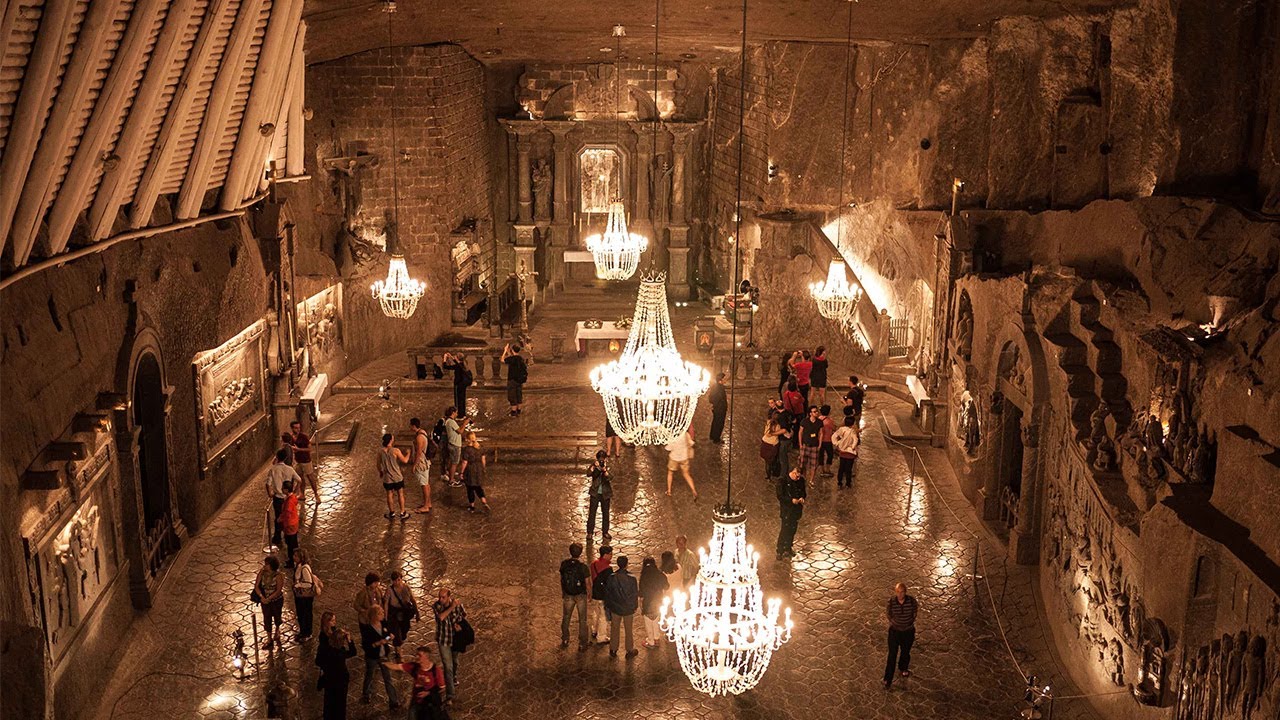
At More Than 100 Meters Deep, The Saint Kinga Cathedral Was Carved From Solid Salt Inside The Wieliczka Mine And Has Remained Stable For Centuries.
A few kilometers from Kraków, there is one of the most unlikely works ever created by human engineering. The Saint Kinga Cathedral, located inside the Wieliczka Salt Mine, was not built with stone, concrete, or steel. It was entirely carved from solid salt, more than 100 meters below the surface, within a mine that has operated continuously for centuries.
The result is a monumental space that defies any conventional notion of architecture and structural stability.
A Mine That Became A Subterranean City
The Wieliczka Salt Mine began to be explored in the 13th century and, over more than 700 years of activity, transformed into a vast underground complex.
-
Imagine a building that absorbs air pollution, regenerates itself, and becomes more resilient with each passing year: scientists from ETH Zurich have just turned this idea into reality using cyanobacteria and 3D printing.

-
Ceará receives the first 100% electric 19-ton loader: the SW956E model promises zero diesel, low maintenance costs, a 3.5 m³ bucket, and fast recharging in 1 hour and 10 minutes for mining and construction.

-
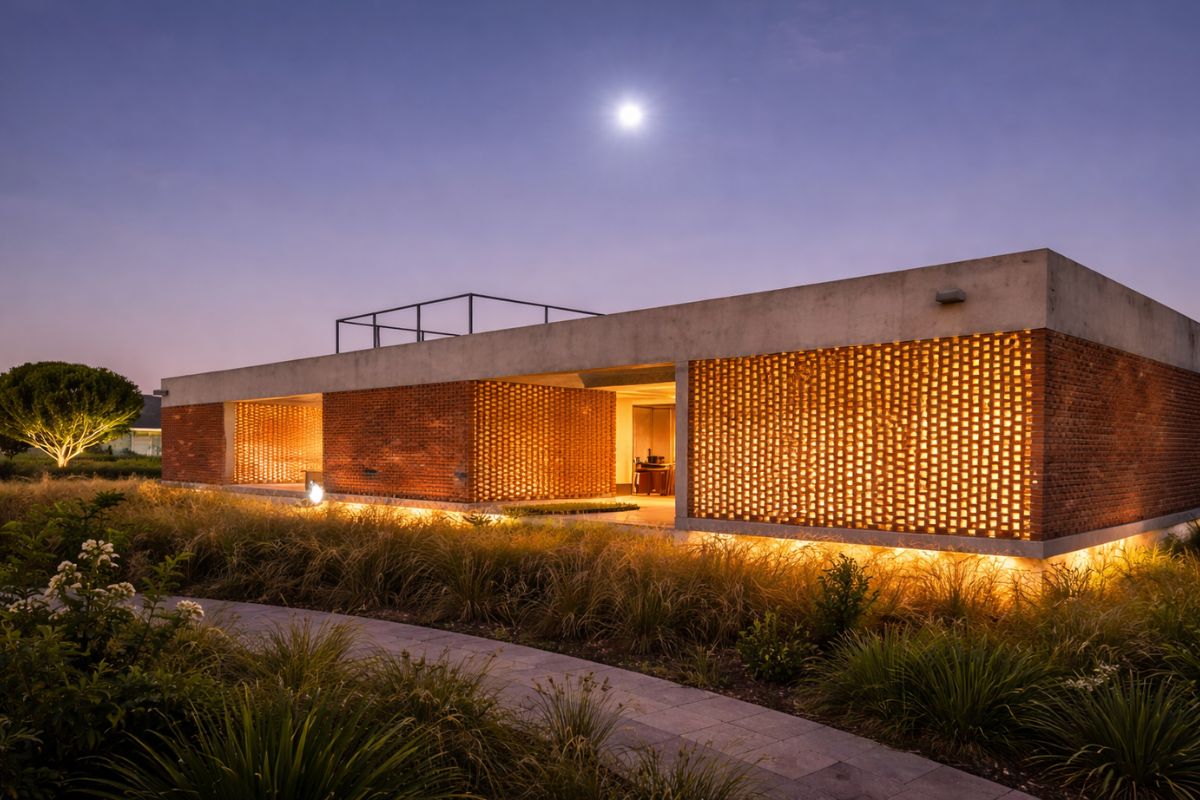
Casa Tupin in Brasília seems to float with exposed concrete and prestressed beams, 12 pillars support everything and without windows, it uses floor-to-ceiling openings in glass, cobogó, and small bricks in the internal courtyard.
-
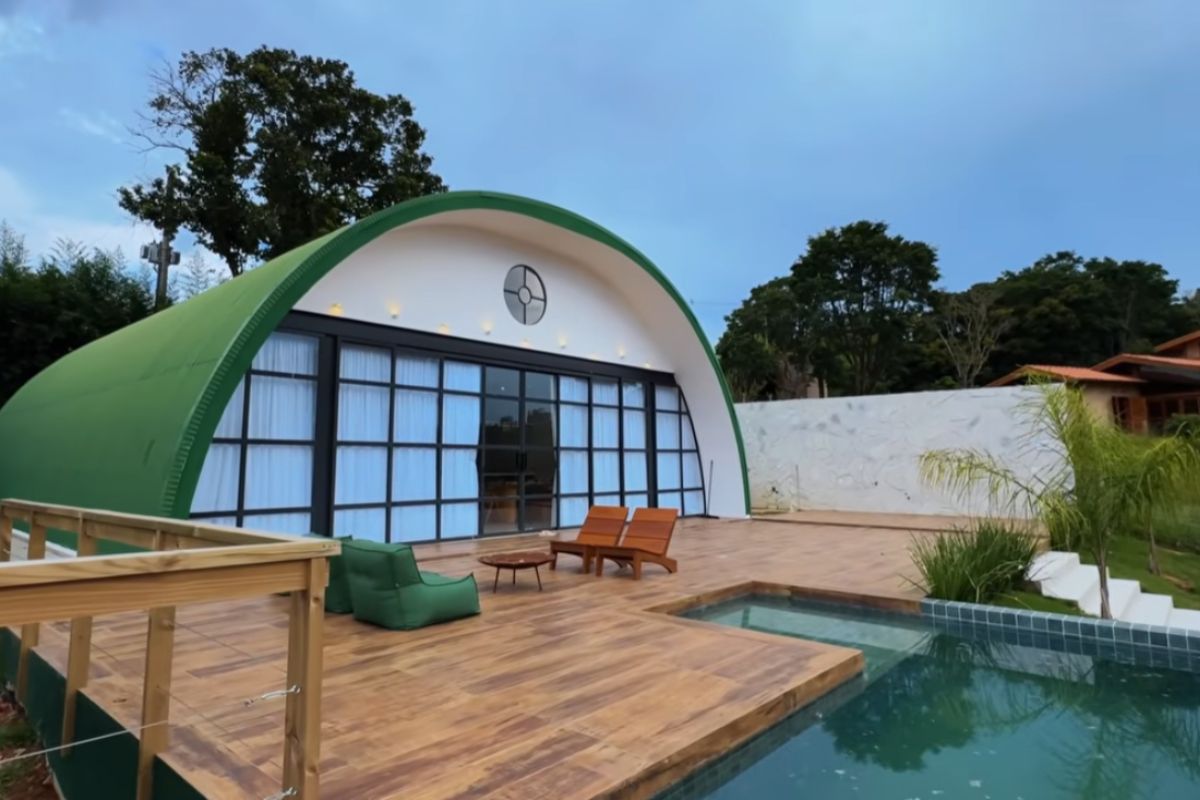
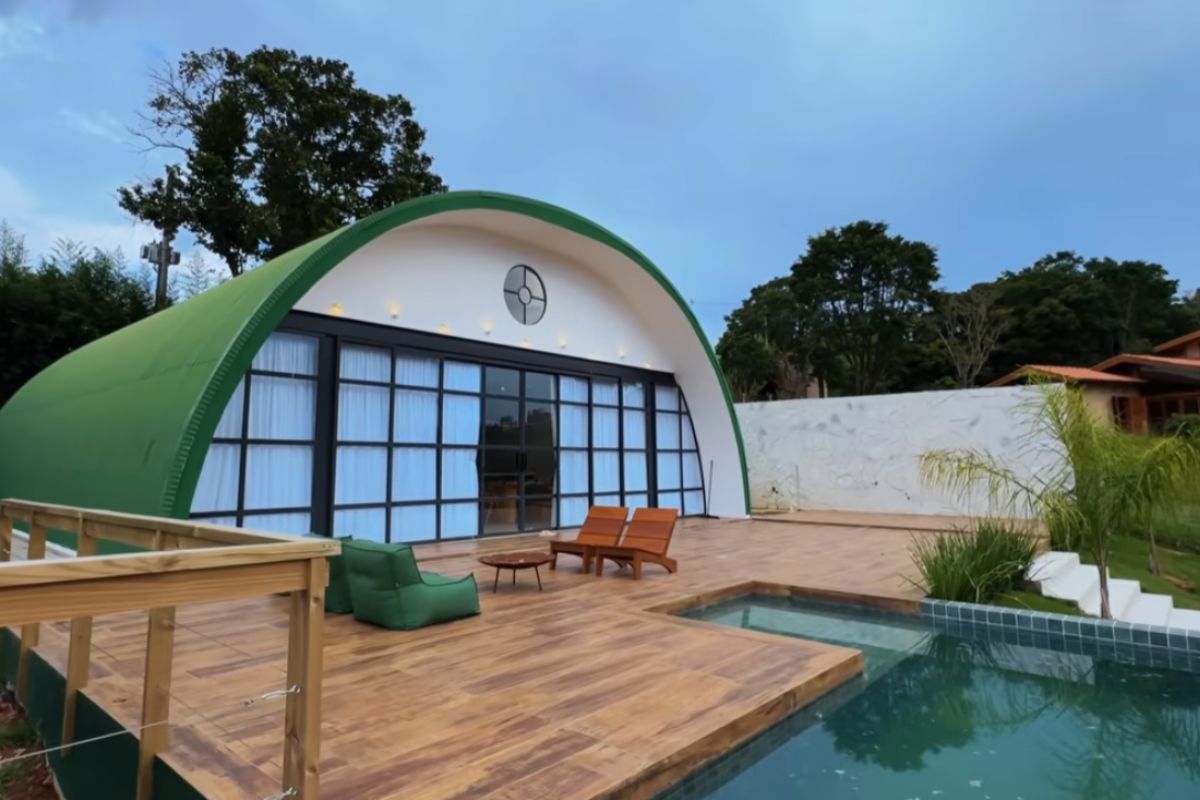
An architect transformed a hangar into a curved house with a view of the reservoir: a metal structure assembled in a week, glass doors, bold colors, toucans in the bathroom, and a design full of stories.
The complete system totals over 300 kilometers of galleries, distributed across nine levels, reaching depths close to 327 meters.
Within this labyrinth, the miners themselves began to carve larger chambers not only for extraction but also for resting, religious celebration, and socializing. Thus, over decades, the Saint Kinga Cathedral was born.
Carved Directly From Salt
Unlike conventional churches, the cathedral was not assembled with blocks transported to the site. Everything is salt.
The walls, ceiling, altars, reliefs, floor, and even the sculptural details were carved directly from the salt rock by the miners themselves, using hand tools.
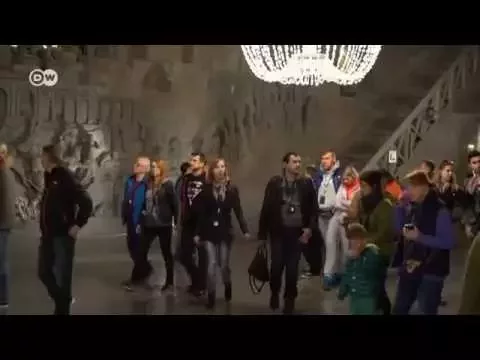

The main hall measures about 54 meters in length, 18 meters in width, and 12 meters in height, dimensions comparable to those of a cathedral above ground. Chandeliers, columns, and religious panels were also carved from crystallized salt, some with hundreds of years of age.
Structural Stability Without Concrete Or Steel
What makes the work even more impressive is its structural stability. Rock salt, when dry and confined, has predictable mechanical behavior and high compressive strength. Over the centuries, geological pressure has helped stabilize the carved chambers.
To prevent collapses, the miners developed empirical excavation techniques, respecting minimum thicknesses for pillars and ceilings. In some areas, wooden blocks were inserted as reinforcements, but most of the stability comes from the correct geometry of the excavations, not from external materials.
A Naturally Controlled Subterranean Microclimate
The depth creates an environment with a constant temperature, around 14 to 16 °C, regardless of the seasons.
The humidity is naturally controlled by the salt, which absorbs some of the moisture in the air, reducing corrosion and degradation.
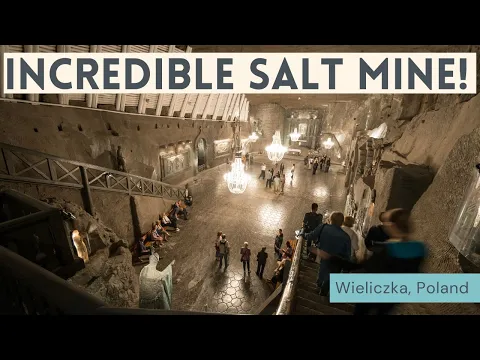
This microclimate has not only preserved the structure over the centuries but has also made the site famous for its therapeutic properties, especially for respiratory issues.
Invisible Drainage Engineering
Even being below the water table in some areas of the mine, the complex remains dry thanks to a historical drainage system that channels natural infiltrations to lower levels. Modern pumps complement the system, but the basic principle was established back in the medieval era.
Without this water control, the chambers would slowly be dissolved by water, which would make preserving the cathedral impossible.
From Space Of Faith To World Heritage
With the end of commercial salt mining in the 20th century, the mine was transformed into a cultural heritage site. Today, the Saint Kinga Cathedral is one of the main tourist attractions of the complex, receiving millions of visitors over the years.
The site is also used for concerts, religious ceremonies, and official events, something unthinkable for a space originally excavated as part of an industrial mine.
When Mining Becomes Monumental Architecture
The Saint Kinga Cathedral is not just a tourist curiosity. It represents a rare case where mining engineering, art, and architecture merged in an extreme environment. Without formal projects, modern structural calculations, and conventional materials, miners created a monumental space that has withstood the test of time for centuries.
Excavated from solid salt, buried more than 100 meters deep, and preserved by pure constructive intelligence, this subterranean cathedral proves that even in the most hostile environments, humans have been able to transform a raw industrial space into one of the most extraordinary works ever created beneath the Earth’s surface.








-

-

-

-

-

-

19 pessoas reagiram a isso.