





 Portuguese
  English
  Spanish
  5 min of reading
  13 comments





New Real-Time Translation Feature Launched by Apple Promises to Transform the Way People Communicate in Different Languages, Raising Questions About the Future of English Schools and the Role of Technology in Language Learning.
Apple announced the Live Translation feature for the iPhone and AirPods ecosystem, which performs real-time conversation translation.
The feature allows people speaking different languages to communicate without needing to master the language of the other person.
The launch has reignited discussions about the impact of simultaneous translation technologies on the language teaching sector, one of the most established in the country.
-
Home environment can influence the brain, mood, and well-being: studies indicate an increase of up to 15% in productivity, a reduction of 12% in stress with plants, and a direct impact of the circadian rhythm on the 24 hours of the day.

-
A Brazilian millionaire couple restores a farm over 150 years old in the interior of São Paulo and transforms the historic property with Portuguese tiles, antique furniture, and new spaces into a refuge that blends tradition, comfort, and sophistication.

-
Submerged city in a lake in Minas reveals intact streets, preserved vehicles, and houses after more than 60 years, impressing divers.

-
Yellowstone has started to rise again in an area of the caldera, and the movement rekindles fears surrounding the U.S. supervolcano, as scientists monitor the deformation and try to understand what is happening underground.


How The New Feature Works
The Live Translation feature connects the iPhone, compatible AirPods, and the Translate app.
The user can activate the feature via the phone, using voice command to Siri, or by pressing the stems of the earbuds.
During calls, the system translates speech during the call; in face-to-face conversations, it captures audio, processes it, and plays back the translation in the selected language.
According to Apple, the tool is initially compatible with Brazilian Portuguese, English, Spanish, French, and German, and works on recent iPhones with updated firmware.
Processing occurs with the support of embedded artificial intelligence in the device, without the need for constant cloud connectivity.
The company states that the experience depends on the quality of the microphone, noise reduction, and stability of the environment.
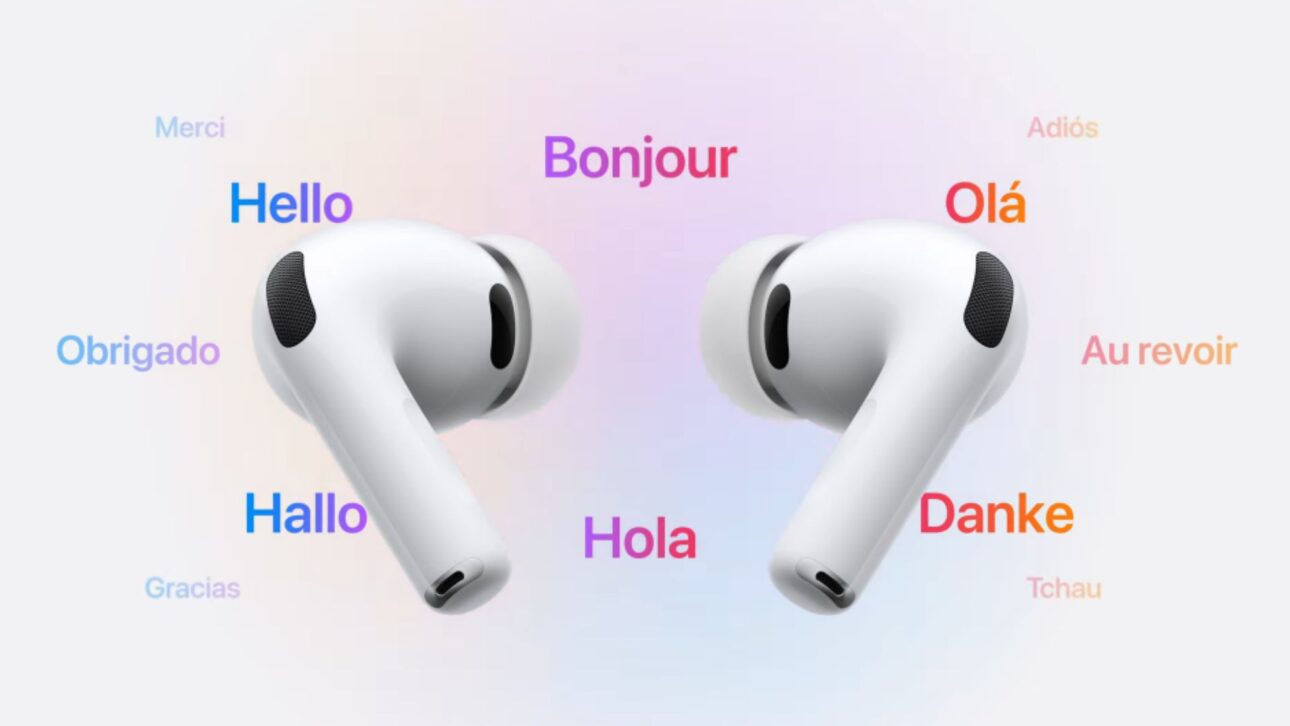
Models such as the AirPods Pro, with active noise cancellation, show superior performance in these cases, according to the manufacturer.
Impact on Language Teaching
Experts in technology and education believe that real-time translation solutions may alter the logic of traditional language learning, especially at the basic and conversational levels.
This is because, with the use of smart earbuds, the need to understand and express oneself in another language in real-time tends to be reduced.
For linguist and educational technology researcher at the University of São Paulo (USP), Rogério Sampaio, the advance of automatic translation “democratizes access to communication, but imposes a challenge on schools: to offer something beyond the instrumental function of language.”
According to him, language learning also involves cultural, cognitive, and social aspects that technology has not yet replaced.
Other analysts point out that, in the short term, the new feature should broaden global communication accessibility, allowing exchanges between people who previously relied on interpreters or manual translation apps.
However, they argue that formal education remains essential for those seeking advanced mastery and linguistic autonomy.
What Existed and What Changes
Apps like Google Translate have offered text and audio conversation translation for years.
The difference, according to technology sector specialists, lies in the direct integration with hardware.
Apple unified voice command, automatic translation, and sound adjustments into a single device, making the process more fluid and discreet.
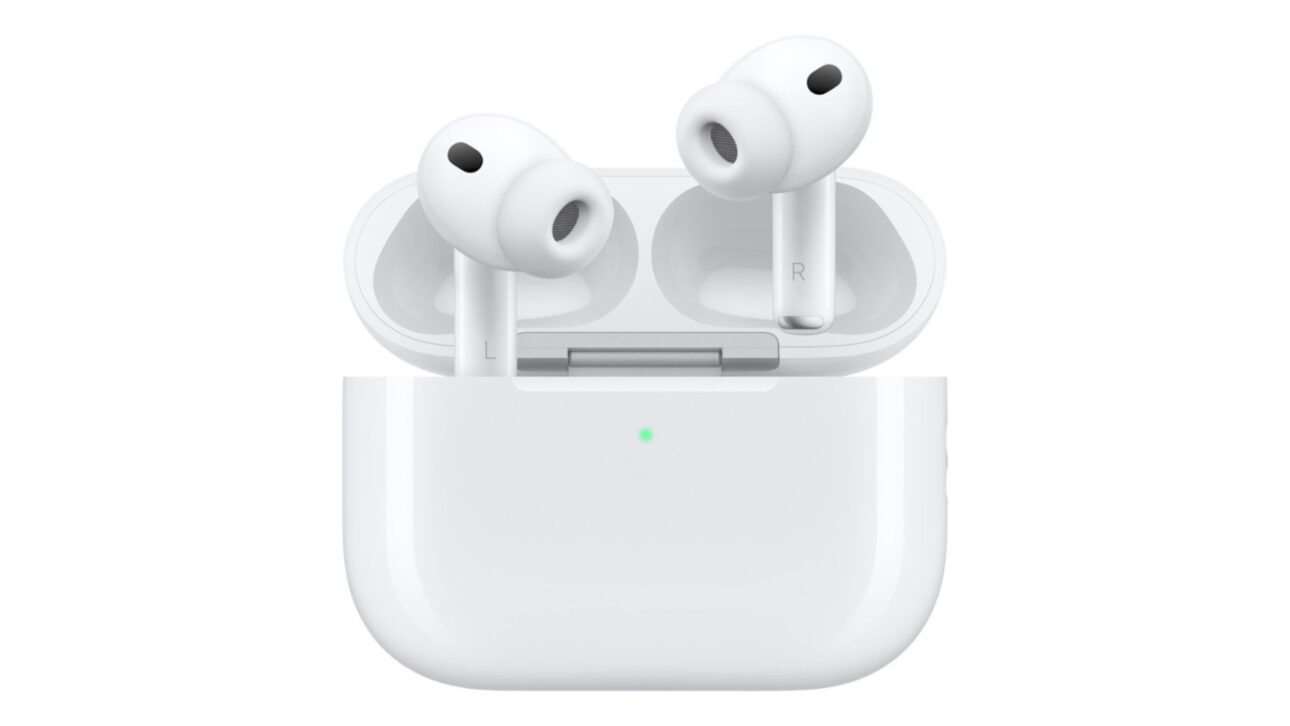
However, accuracy is still limited by technical factors.
Idiomatic expressions, accents, and specific jargon continue to challenge algorithms.
Additionally, latency — the time between speech and translation — can interfere with the flow of conversation.
According to analysts, the set of available languages is also limited in initial releases, being progressively expanded as the company updates the system.
Perspective for English Schools
The new scenario puts pressure on language schools and franchises, especially those focused on practical fluency for travel or everyday situations.
Institutions that base their model on basic conversation tend to face greater competition from automatic translation technologies.
On the other hand, teachers and educational coordinators consulted by specialized outlets emphasize that complete linguistic proficiency is still crucial for academic formation, the job market, and the production of knowledge.
Automatic translation does not replace the ability to interpret nuances, understand cultural contexts, or write clearly and coherently.
According to a survey by the Brazilian Franchise Association (ABF), the language teaching sector remains relevant in the country, with thousands of units in operation.
Experts assess that the real impact of new technologies will depend on the widespread adoption of devices and the cost of access for the public.
Reconfiguration of Learning
With the advancement of artificial intelligence applied to translation, professionals in the field point out that schools should adapt their curricula to include skills that complement automation.
This includes critical interpretation of texts, intercultural communication, and mastery of professional writing in English.
Researchers in the educational field highlight that the role of the teacher tends to evolve into that of a guide, helping students use translation tools efficiently and critically.
Instead of competing with technology, teaching can incorporate it as pedagogical support.
Access, Cost, and Privacy


The adoption of Live Translation depends on factors such as the price of AirPods, model compatibility, and the availability of the feature in different regions.
In Brazil, the cost of premium devices still limits widespread access, although the country is among Apple’s largest markets in Latin America.
Digital security experts warn that companies and public agencies need to evaluate privacy and confidentiality policies before adopting automatic translators in sensitive meetings.
Even with local processing, the use of embedded AI requires clear guidelines on recording and temporary data storage.
Gradual Transformation, Not Immediate Replacement
Technology sector analysts agree that simultaneous translation represents a significant advance for democratizing communication, but does not eliminate the need for formal learning.
The mastery of a second language continues to be valued in selection processes, academic publications, and international interactions.
According to Professor Rogério Sampaio, “technology reduces barriers, but fluency expands horizons.”
The trend, experts say, is that language learning and automatic translation will coexist, catering to different profiles and objectives.
As Apple solidifies its tool, other companies — such as Google, Samsung, and Meta — continue to develop voice translation systems integrated into earbuds and smart glasses.
The pace of adoption will depend on price, reliability, and public perception regarding the accuracy of these resources.
If instant translation already allows conversations with anyone in another language, how can traditional English schools reinvent themselves to remain relevant?








“Escola de inglês com os dias contados: nova tecnologia promete eliminar a necessidade de estudar idiomas”
Vamos analisar essa “Notícia”:
1. Primeiro: não é notícia, como a maioria das notícias da MSM (main stream media) não é…
2. É uma propaganda comercial (provavelmente, paga pela Apple). Que é uma empresa altamente voltada a lucros predatórios e, no fundo, está interessada mesmo é em vender o produto dela nesse campo também…
3. É uma “notícia” totalmente fora de contexto. Porque aprender um idioma não é o mesmo que traduzir uma língua para outra: uma coisa é falar um idioma estrangeiro; ourta coisa é falar com fluência; outra coisa é falar com fluência e corretamente (obedecento à regras da gramática); outra coisa é falar de forma coloquial; outra é se comunicar formalmente; outra é escrever de forma coloquial; outra é escrever formalmente. Enfim: há vários níveis de aprendizado quando se trata de dominar um outro idioma.
4. Nem todas as pessoas do mundo tem condições de comprar um iphone (e nem mesmo um fone de ouvidos que a Apple vende)
5. Nem todas as pessoas do mundo tem acesso à internet.
6. Imaginemos que mesmo tendo um iphone na mão estejamos conversando, digamos em Inglês, com outra pessoa numa reunião on-line ou presencial e tentando fechar um acordo, um negócio ou algo do tipo, e a internet cai (ou a Amazon AWS fica fora do ar e afeta toda a estrutura da empresa e tudo, incluindo os chats de AI ficam off). Você vai depender da AI para se comunicar e fechar o acordo? Ou teria sido melhor você mesmo, ou/e sua equipe, ter investido tempo, esforço e capital para, de fato, aprender o idioma do qual dependem para se comunicar com outras pessoas (nesse caso, o Inglês).
7. Desde que a AI se popularizou, através dos Chat-Bots, muitas promessas já foram feitas e poucas cumpridas. Essa, provavelmente, é mais uma delas…
8. O uso excessivo de AI, segundo pesquisadores, tem diminuido a capacidade cognitiva do ser humano e tem afetado grandemente, sobretudo, as gerações Z e Alfa. E também todos de gerações anteriores que tem terceirizado a capacidade de pensamento e raciocínio para Bots de AI…
9. Terceirizar a capacidade de comunicação intercultural para tecnologias computacionais também pode trazer consequências catastróficas para pessoas, grupos e empresas também…
10. Eu poderia continuar minhas críticas a esse artigo fora de contexto e de baseado na “pop-culture” de ficção científica. Mas, creio, que esses pontos já são suficientes para apontá-lo com altamente ****. Digo de tablóides da Inglaterra e de Revistas sensacionalistas do Brasil…
Isso fará as pessoas ficarem mais analfabetas e preguicosas
Não creio que será essa facilidade toda, pois já observei relatos de pessoas que tiveram problemas com nativos que, simplesmente, deixaram de responder e complementaram, mandando a pessoa estudar sua língua, antes de falar com ela. Haverá a resistência entre aplicativo e aprendizado e domínio da língua.