





 Portuguese
  English
  Spanish
  5 min of reading
  1 comment


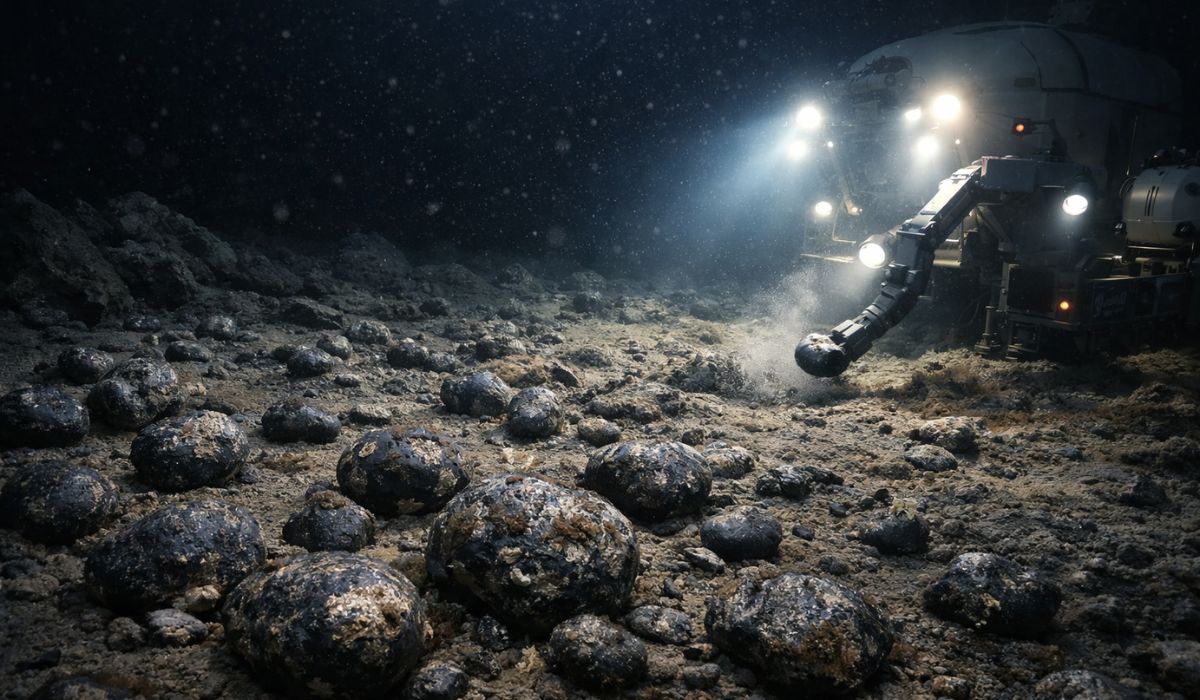


Polymetallic Nodules, Referred to as “Potatoes” of the Seabed, Concentrate Metals Such as Nickel, Copper, and Cobalt and Drive a Global Dispute in the Pacific, While Scientists and Governments Discuss Rules and Environmental Impacts in Little-Known Areas.
More than 4,000 meters deep in the Pacific Ocean, concretions about the size of potatoes have come onto the radar of governments, companies, and researchers due to their concentration of metals considered critical for the industry.
Known as polymetallic nodules, these dark clusters spread across the seabed in regions such as the Clarion-Clipperton Zone, between Hawaii and Mexico, and today they are at the center of a dispute for access to resources.
At the same time, scientists and environmental organizations claim that deep-sea mining can impact poorly understood ecosystems.
-
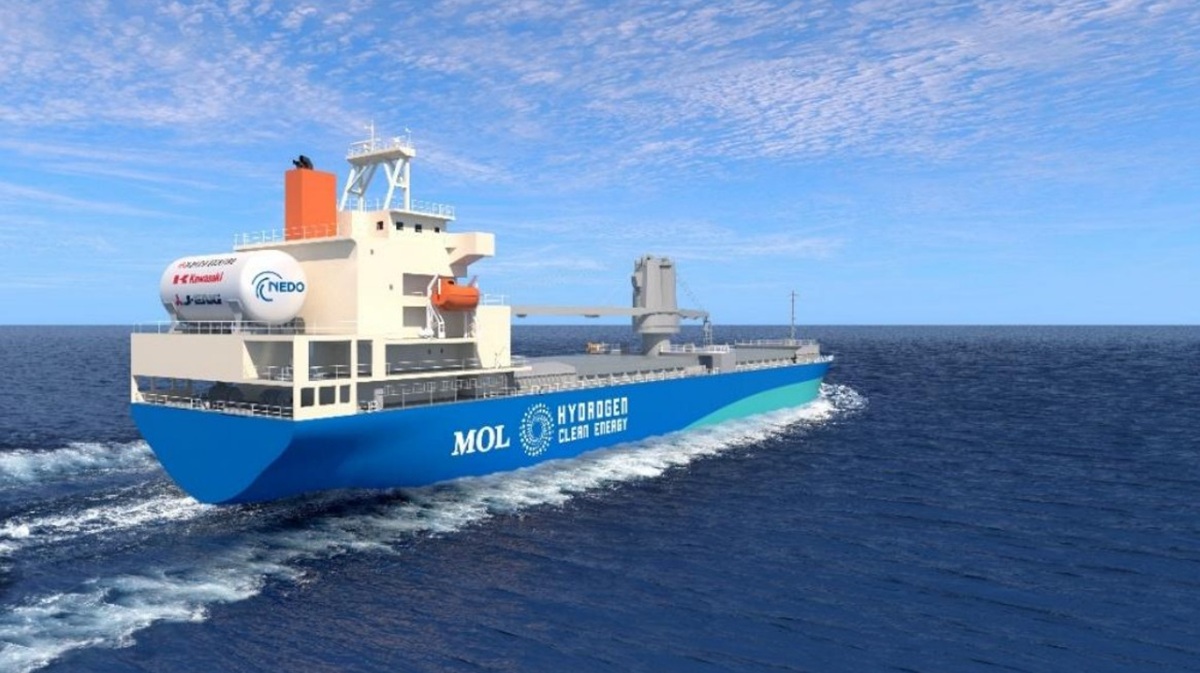
Japan tests for the first time a hydrogen-powered engine for large cargo ships and achieves over 95% of the fuel’s energy at full load, paving the way to equip a 17,500-ton cargo ship already planned for 2027.
-
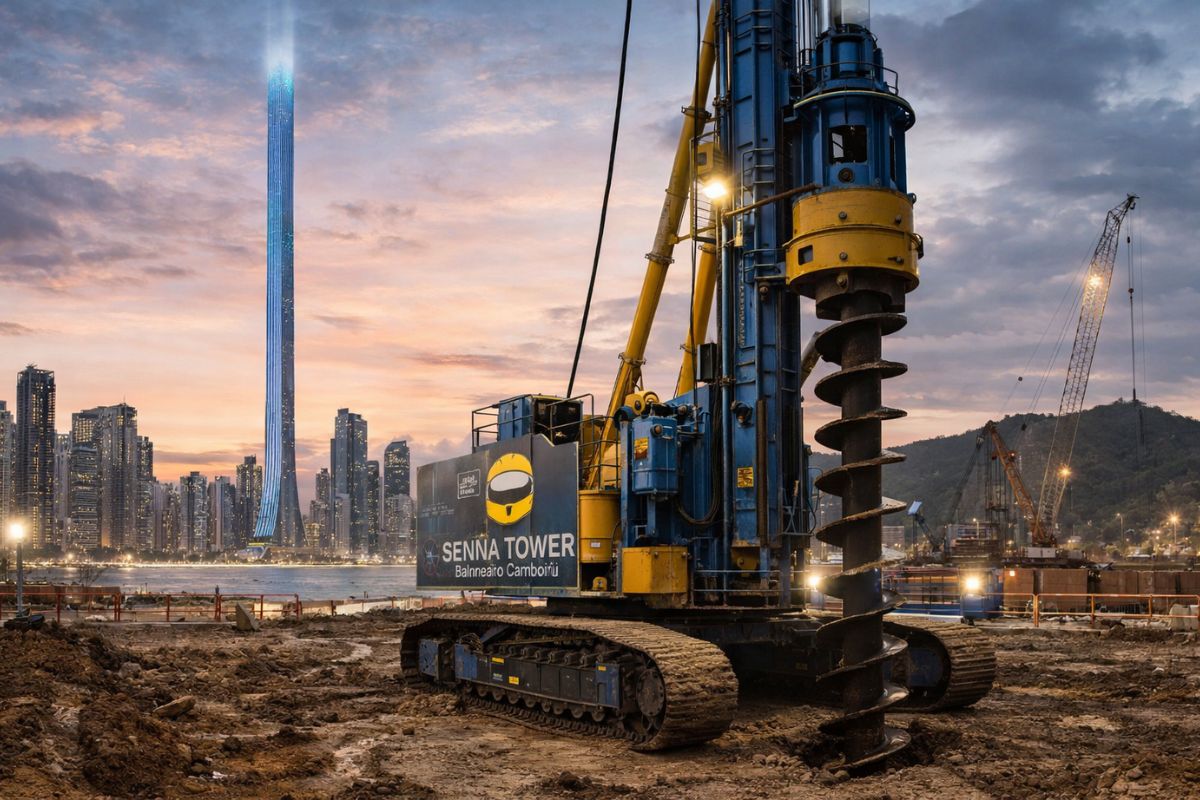
A mega drill costing R$ 50 million, weighing 130 tons, and the only one of its kind in Brazil has arrived in Balneário Camboriú to build the foundations of the Senna Tower, the skyscraper that honors Ayrton Senna.
-
The first cold front of autumn arrives in São Paulo this Tuesday with a risk of storms, hail, and gusts of wind, but the real cold is not coming now: April will be dominated by above-average heat and may even see a heatwave.

-
The robust smartphone from Oukitel comes with a 20,000 mAh battery, satellite communication, walkie-talkie, and thermal camera to tackle mountains, deserts, offshore platforms, and disaster zones in a single device designed for extreme operations.


Also called manganese nodules, they form over geological time scales, growing millimeter by millimeter over millions of years.
The process occurs when mineral layers accumulate around a nucleus, from elements present in seawater and sediments, until they become a rounded concretion.
Hence the comparison to “potatoes,” frequently used to describe the appearance of these rocks on the ocean floor.
The economic interest is linked to the fact that these nodules gather, in the same deposit, manganese, nickel, copper, and cobalt.
These materials often appear in industrial chains associated with electrification and the energy transition, such as the manufacture of batteries for vehicles and electronics, in addition to traditional uses like metal alloys and steel.
In recent years, the demand for minerals classified as critical has become part of industrial policies and geopolitical discussions, with countries and companies seeking to diversify suppliers and reduce supply risks.
Despite this, the economic potential is often presented in broad estimates that vary depending on methodology.
Figures in the range of “trillions” circulate in different materials, but they depend on factors such as international prices, offshore operating costs, collection and processing technology, and environmental regulations.
As these parameters change and are not always calculated the same way, there is no single number that serves as a standardized reference.
Clarion-Clipperton Zone in the Pacific and Concentration of Nodules
The most cited area in studies and public debate is the Clarion-Clipperton Zone, in the northeastern Pacific.
This is an extensive stretch of ocean, located between Hawaii and the Mexican coast, with sections exceeding 4,000 meters in depth and a high occurrence of nodules on the seabed.
Being far from urban centers and off the most common shipping routes, the region remained largely invisible to the public for decades, although it has been monitored by scientific expeditions and prospecting initiatives.

Another element weighing in on the dispute is the legal framework.
In areas beyond national jurisdictions, seabed mining is addressed under the international regime established by the United Nations Convention on the Law of the Sea.
In this context, the International Seabed Authority conducts discussions on norms and safeguards for exploration, as well as supervises contracts and environmental obligations in what the treaty calls the “Area,” that is, the international seabed.
As the rules for potential commercial exploitation remain under negotiation, the activity is surrounded by technical and political disputes.
Countries and companies interested in advancing advocate for regulatory security and predictability for investments, while researchers and environmental organizations call for stricter parameters and more robust baseline data on biodiversity and cumulative impacts.
Deep-Sea Mining and Nodule Collection Technology
The most cited projects for collecting nodules describe the use of remotely operated underwater vehicles.
Instead of drilling rocks, the proposal is to collect material deposited on the seabed sediment using mechanical and suction systems.
Subsequently, the nodules would be transported through a pipe to a ship on the surface, where initial separation and storage would occur.
Operating in this environment involves technical challenges associated with extreme pressure, low temperature, and permanent darkness.
Therefore, specialists highlight that the activity depends on systems capable of operating for long periods with stability, in addition to continuous monitoring.
Part of the discussion focuses on how to ensure, in practice, oversight and traceability in a remote operation with high logistical costs.
Scientific dissemination has also contributed to popularizing the topic.
In the original text, one of the references is the channel Ciência Todo Dia, which presents explanations about polymetallic nodules and mentions hydrothermal vents, environments that also concentrate minerals and host specific biological communities.


Environmental Impacts of Seabed Mining and Sediment Plumes
The environmental controversy revolves primarily around the physical effect of machines on the seabed.
Researchers and conservation entities assert that collection may suspend sediments and generate plumes that spread with currents, potentially affecting organisms on the bottom and also in the water column.
Additionally, studies cited in public debate mention risks associated with noise, vibration, and artificial light in an environment where many species have adapted to stable conditions.
Another recurring concern involves recovery time.
As nodules take millions of years to form, the removal of material means, in practice, removing a substrate that could serve as a microhabitat for part of the fauna.
In scientific expeditions, researchers have reported that biodiversity in certain deep-sea areas may be greater than previously assumed, which reinforces the assessment that historical series and sufficient surveys to measure long-term effects are still lacking.
Sector representatives, in turn, argue that deep-sea mining can reduce pressures associated with land extraction, such as vegetation suppression, large soil movements, and waste generation.
Experts questioning this comparison respond that, in the deep ocean, impacts are harder to observe and reverse, and there are also significant knowledge gaps about how these ecosystems function.
Therefore, the discussion often divides between those who advocate for advancing with rules and monitoring and those who call for a pause until more complete evidence exists.
International Seabed Authority and Debate on Moratorium
In international forums, negotiations continue for a regulatory framework for the activity.
Some countries and organizations advocate for a moratorium or precautionary pause, arguing that environmental consequences have not yet been sufficiently assessed.
On the other hand, governments and companies interested in exploration maintain that establishing clear rules is essential for any decision, whether to allow or restrict operations.
At the center of the debate are impact assessment criteria, monitoring plans, transparency requirements, and accountability mechanisms in the event of environmental damage.
The discussion also frequently revolves around how to distribute benefits and how to practically implement the obligations set forth in the international seabed regime in areas beyond the sovereignty of any country.





Ai.comecamos a entender porque o Trump quis mudar o golfo do México para golfo americano. Sempre segundas terceiras e quartas intensoes