





 Portuguese
  English
  Spanish
  3 min of reading
  0 comments


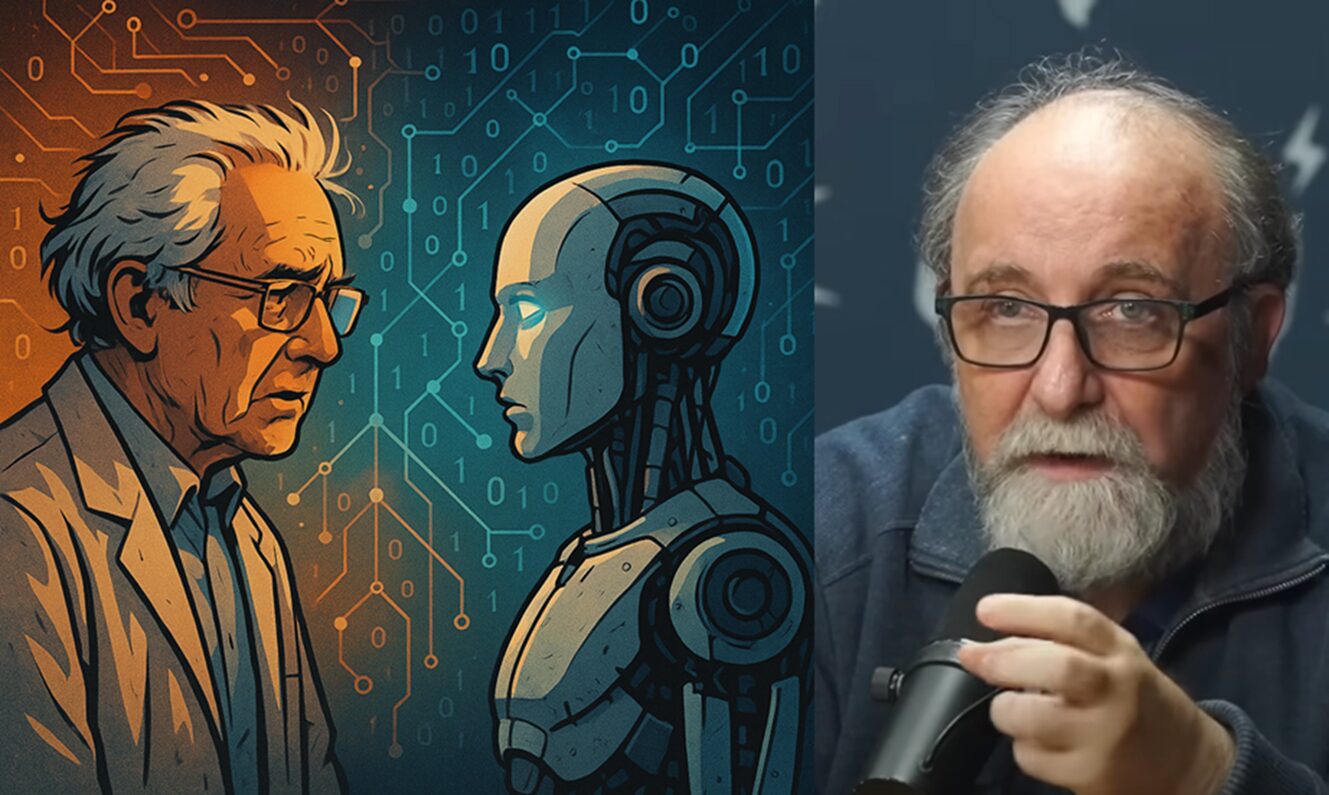
In Interview To Flow Podcast, Brazilian Neuroscientist Criticized Dependence On Technologies, Warned Of Risks Of AI And Said We Are Exchanging Real Connections For Relationships With Machines
The neuroscientist Miguel Nicolelis, internationally recognized for his pioneering contributions to brain-machine interface, participated in the Flow Podcast and discussed the impacts of the digital age.
With pointed remarks, the neuroscientist addressed the future of humanity in the face of artificial intelligence, the collapse of physical money, and the loss of human connections. The interview provided deep reflections on science, society, and technology.
“If The Cloud Falls, We Will All Be Poor”
Nicolelis made a direct critique of how society has become dependent on digital. We have left behind paper, cash, and even credit cards. Today, everything is in the cloud, and this makes us vulnerable.
-
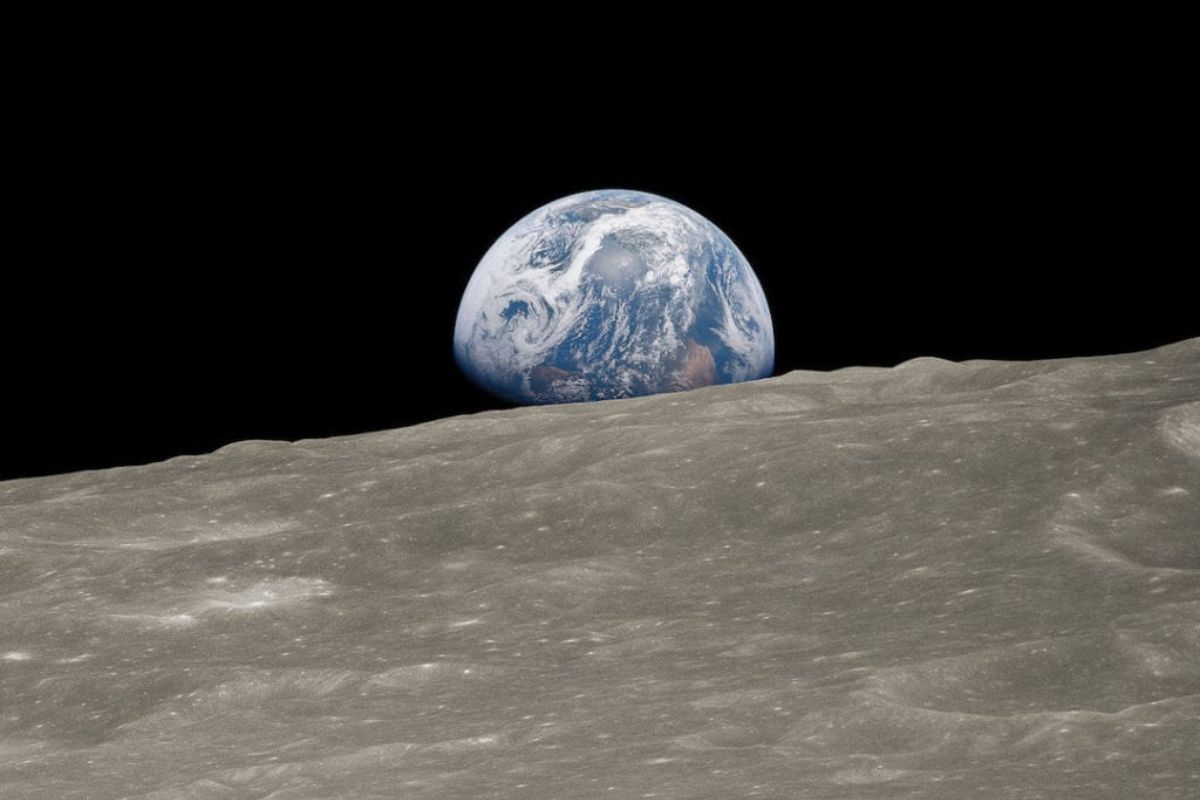
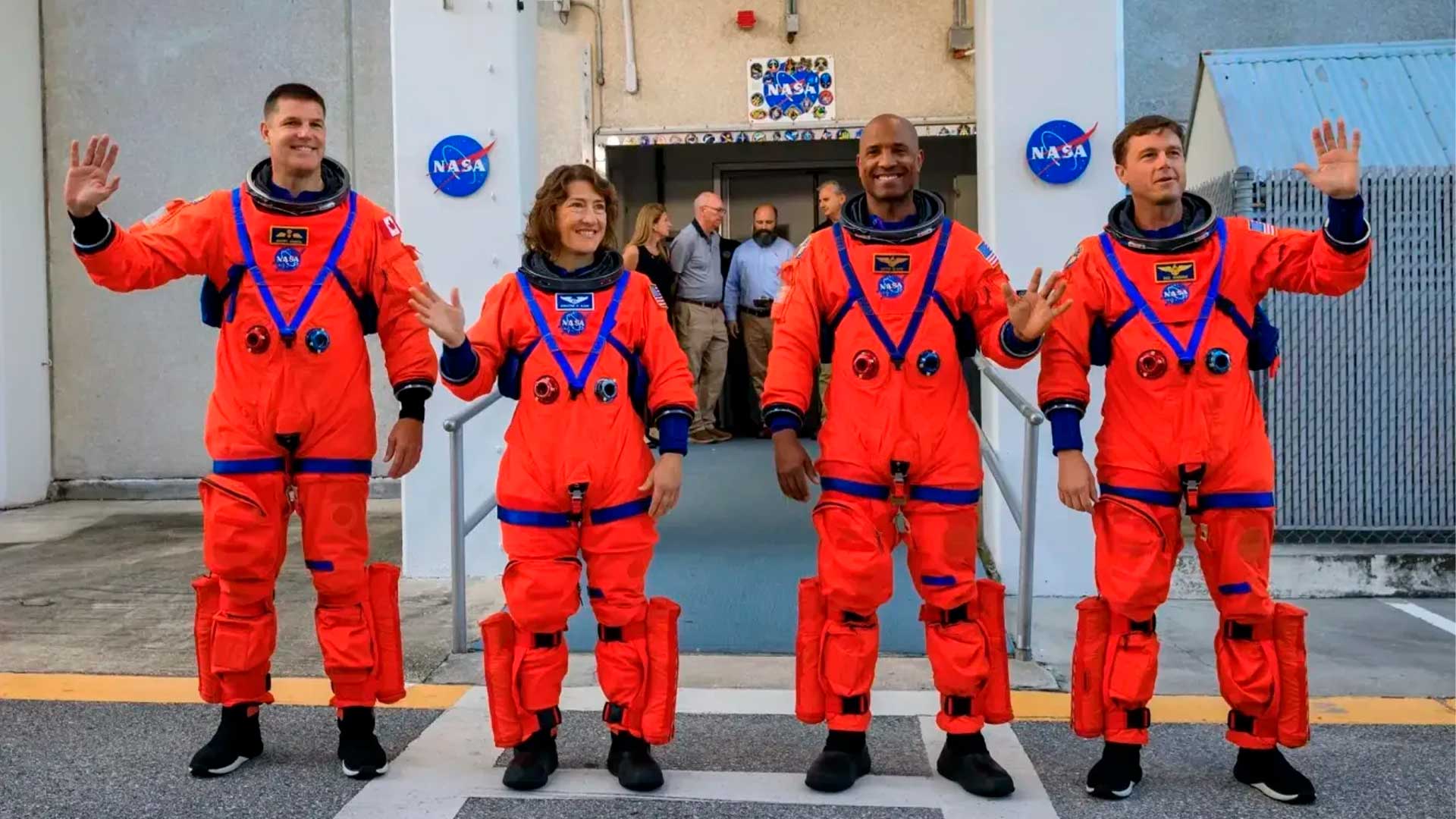
Four humans are flying towards the Moon inside the Orion capsule launched by the SLS rocket, and on April 6, Artemis II will disappear behind the far side of the Moon without communication with Earth for nearly an hour.
-
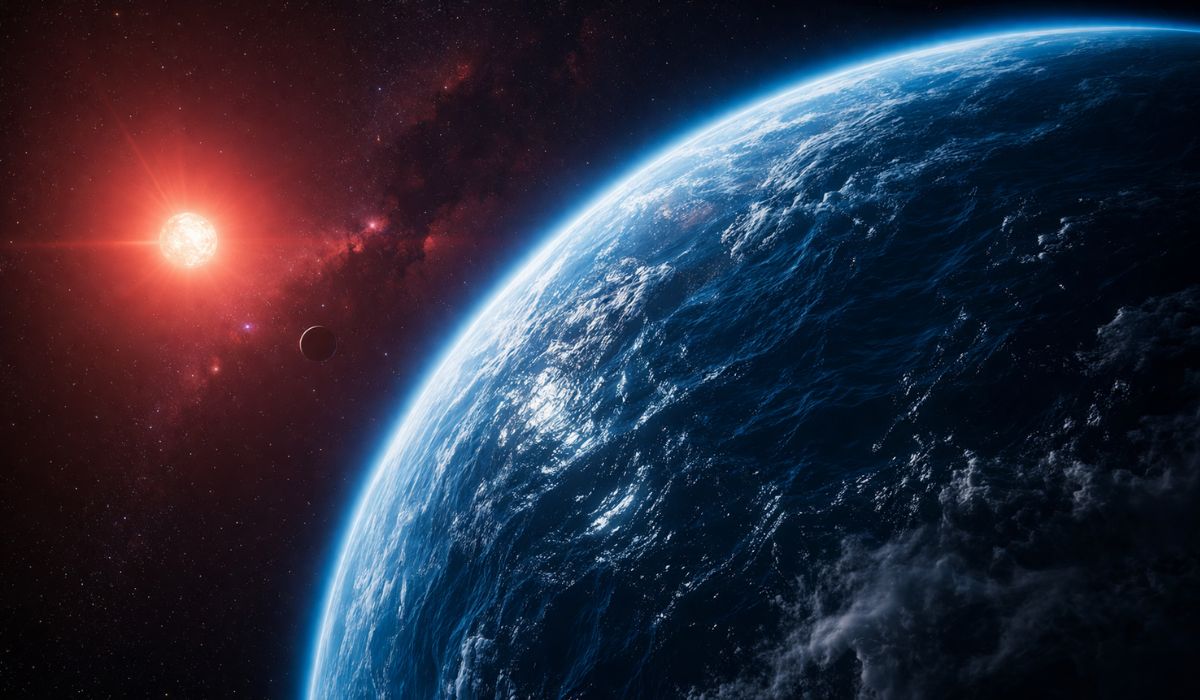
Worlds covered by water, atmospheres filled with hydrogen, and the possibility of life beyond Earth: ocean planets are rewriting the map of cosmic search and forcing scientists to rethink where to look.
-
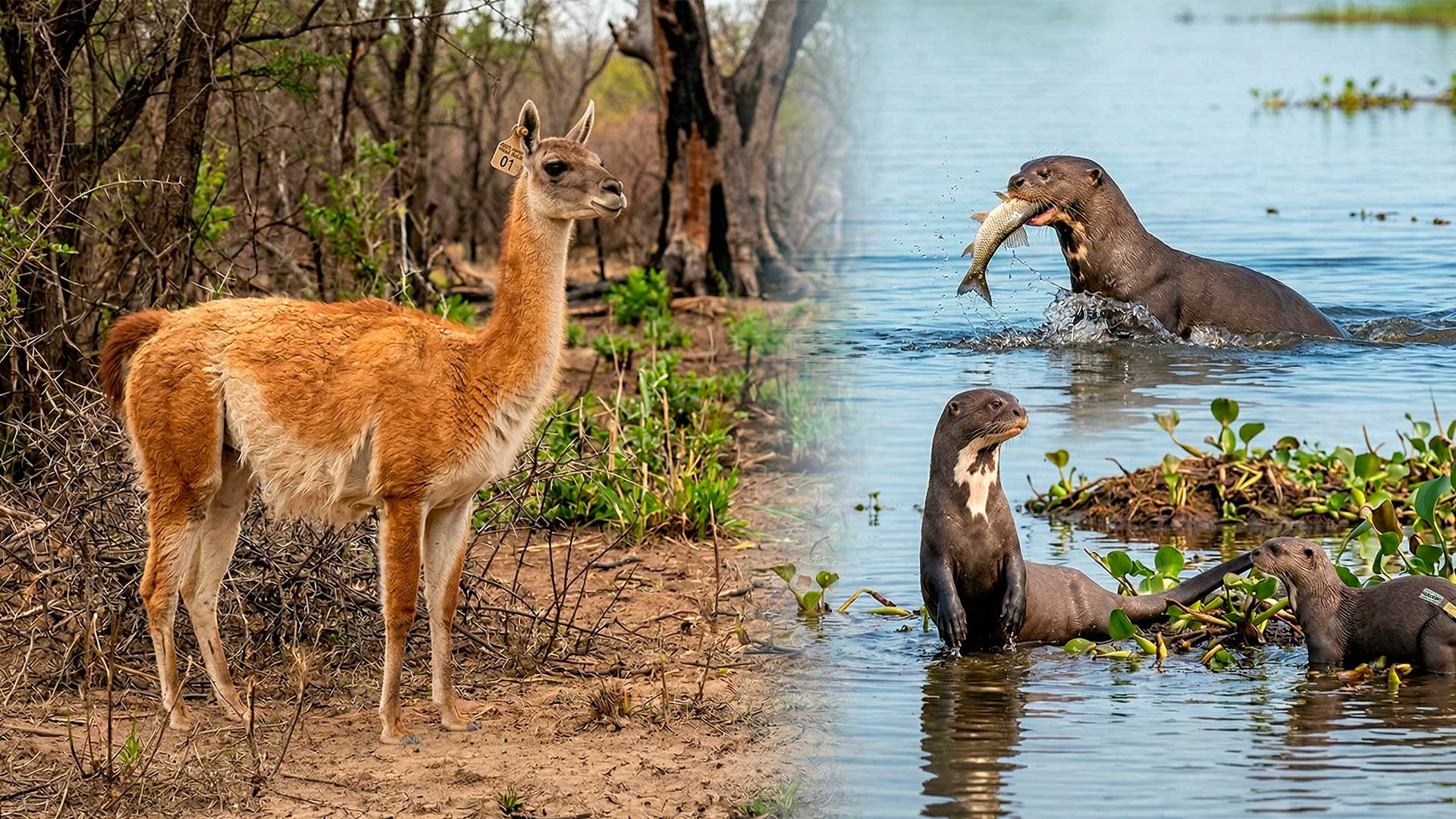
Argentina achieves the unimaginable after more than 110 years and reintroduces the largest native herbivore of South America to the Chaco to restore a lost link in nature.
-
Returning to the Moon now costs a billion-dollar bill and reignites the competition between the USA and China for science, technology, and rare minerals on lunar soil.

“If the digital world ends overnight, and that can happen, we will all be equally poor“, he said.
He emphasized that even big names like Bill Gates would be in the same situation as any ordinary person: without access to their own money.
In China, he noted, not even credit cards are used anymore. “Even the homeless have QR Codes. You stop at a traffic light and give them money through your car window, via your phone.“
“Everything Is Becoming A Virtual Commodity”
For Nicolelis, we are living in a moment where everything tangible is disappearing. Life, feelings, records, everything is being transformed into something digital.
“What Was Real Is Becoming A Virtual Commodity“, he asserted. He mentioned the possibility that in the future, people could create avatars of those who have passed away, reproducing their voice, image, and personality.
For him, this represents more than technological advancement — it is a warning about the loss of physical and emotional reality.
“We Are Delegating Everything To Artificial Intelligence”
Miguel was categorical in pointing out a growing problem: handing reality over to AI. He stated that artificial intelligence can make decisions without humans understanding how it happens.
“These programs hallucinate at a high percentage. No one knows how it works. It’s impossible to trace how that decision was made“, he warned.
According to him, a computational scientist who has been observing for years made an observation that struck him: “The success is not of ChatGPT. It is of the human who projected all their neuroses, loneliness, and feelings of inferiority onto this tool.“
“It Has Become An Emotional And Cognitive Crutch”
The reflection is harsh. Nicolelis pointed out that people have stopped relying on friends, family, or real connections to seek comfort in AI.
“You are in your room, in front of a terminal, and it has been 50 years since you last saw your best friend. AI has become an emotional crutch“, he said.
He believes that AI is not only answering questions but also occupying a space previously reserved for human relationships. For Nicolelis, this is a symptom of a deep void in the modern world.
“Art, Humanism, And The Doubt Of The Future”
Nicolelis also made a historical comparison between the shock caused by World War I and the current times. Back then, philosophers, scientists, and artists were shocked by the mass destruction.
“We were celebrating the Belle Époque, and suddenly the world plunged into barbarism“, he recalled. Today, according to him, we live something similar, just in the field of emotions and creation.
He cited Van Gogh as an example: “You can take all of his paintings and generate an identical one. But who will be the next Van Gogh? No one. Because we are killing the creative stimulus.”
“Human Connections May Disappear”
Nicolelis concluded with a warning about human relationships. For him, what is still a choice today — talking to people or machines — may one day cease to be an option.
“The connection with father, mother, children, loves… may one day disappear. It may be completely eliminated from our daily coexistence.“
Amid praises for technology, Nicolelis called for caution. The digital advancement, he said, needs to be balanced with what makes us human.






Seja o primeiro a reagir!