





 Portuguese
  English
  Spanish
 3 min of reading
  0 comments


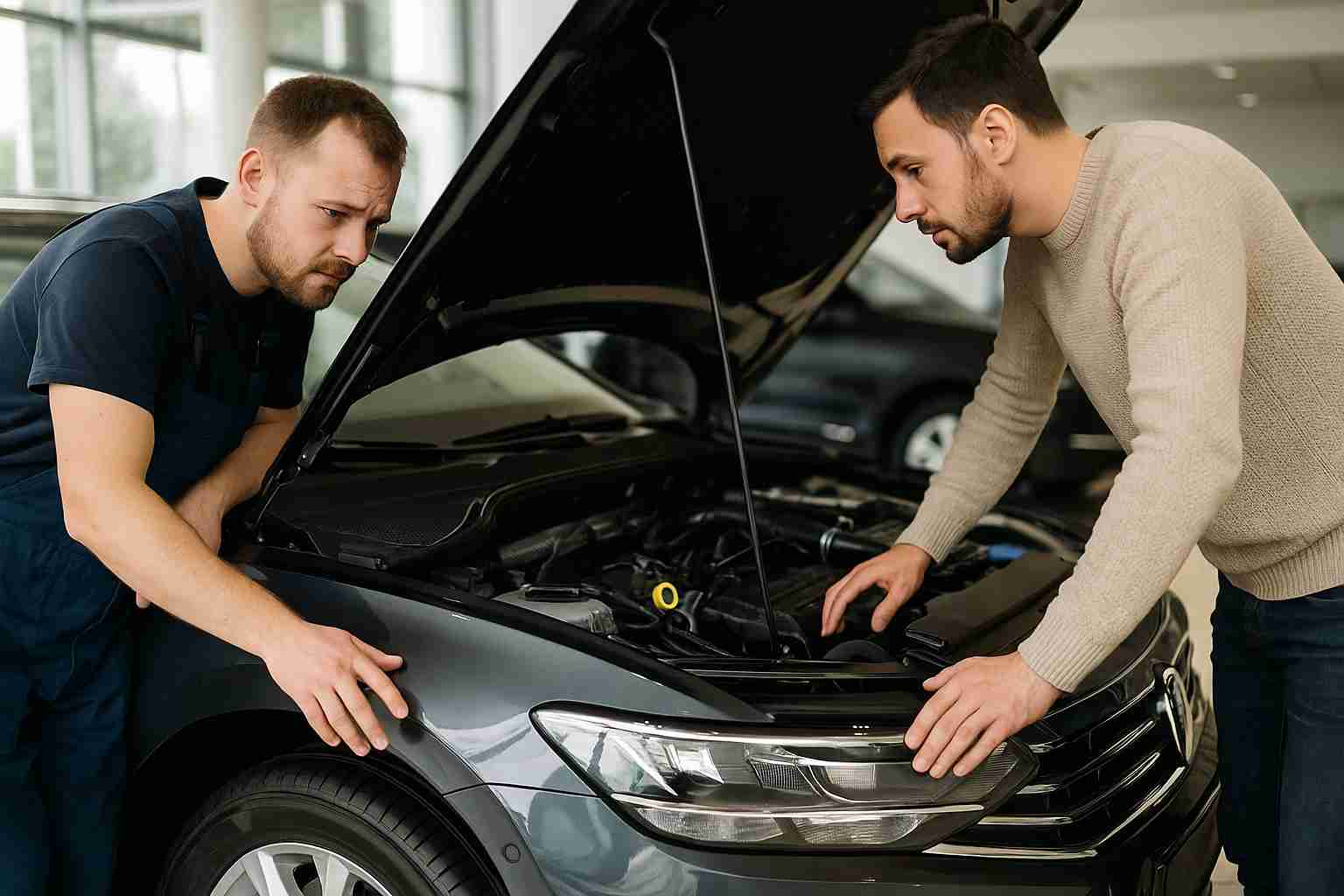
Buying a used car may seem, at first glance, like the smartest way to save money and acquire a reliable vehicle without paying the new price. But is this choice really that simple? Many drivers discover too late that behind a good appearance lie traps capable of turning the acquisition into a huge loss.
Buying A Used Car: Where Is The Risk
The used car market grows every year, but it also carries stories of drivers who lost money or became trapped in endless debts. This is because, when buying a used car, many are carried away by emotion and overlook technical details that make all the difference. The good news is that identifying these signs doesn’t require being a professional mechanic, just attention and practical knowledge.
Irregular Documentation
One of the most common mistakes is not thoroughly checking the vehicle’s documentation. Many buyers rely only on the purchase and sale receipt, without checking for fines, overdue taxes, or even judicial restrictions. These problems remain hidden until the time of transfer, when the new owner discovers they inherited someone else’s debt. The tip is simple: check the complete history at the DMV and on auction sites before signing any papers.
-
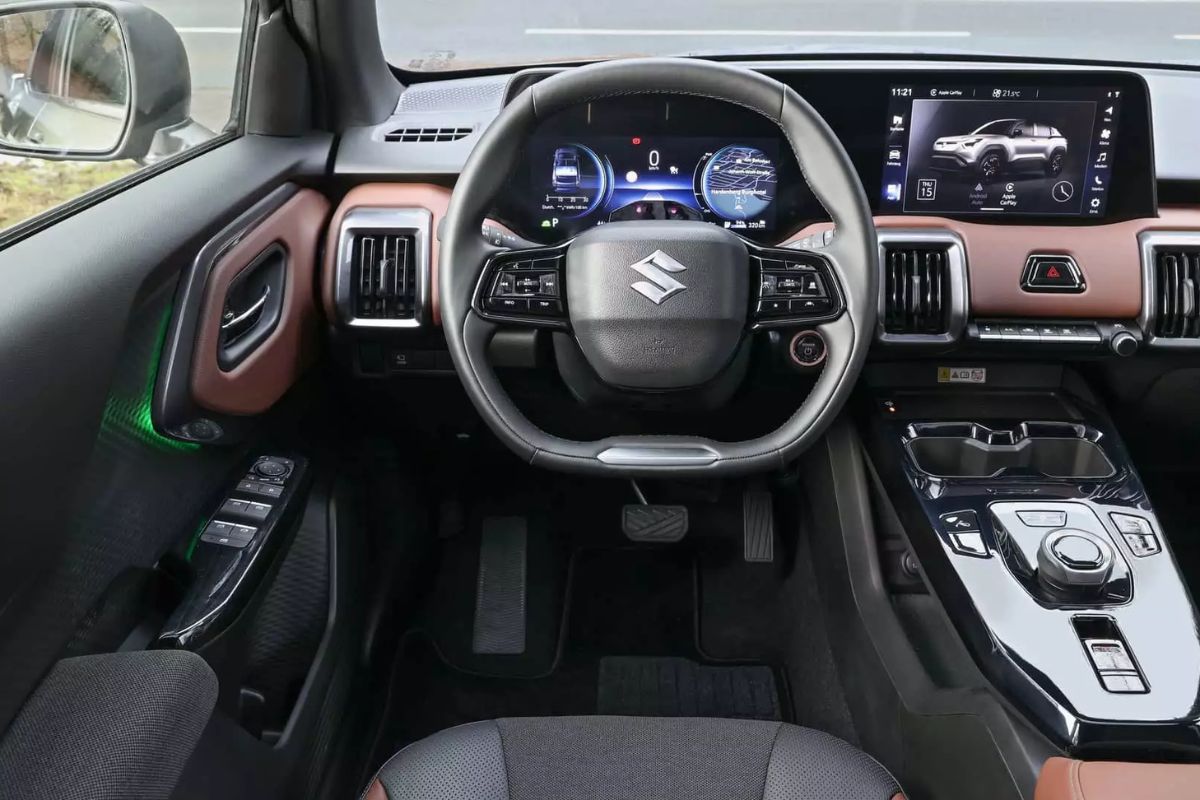
The 2026 electric Vitara arrives in Brazil and proves that Suzuki is not leaving: 4×4 traction, 184 hp, 61 kWh LFP battery, 293 km range, R$ 259,000, and a trunk capacity of 224 L.
-
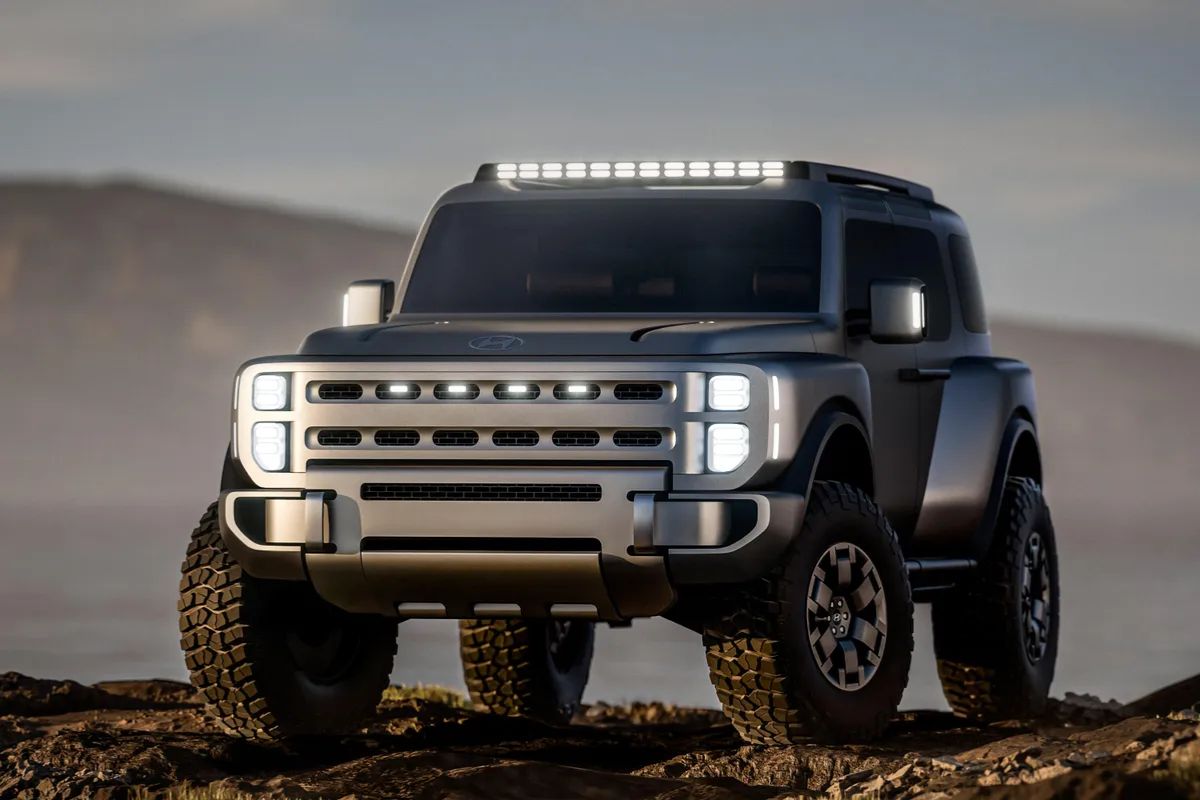
Hyundai has unveiled the Boulder, a square SUV with a body-on-frame design, 37-inch mud tires, and carriage-style doors that seems to be made to take on the Ford Bronco and the Scout Traveller in the United States.
-
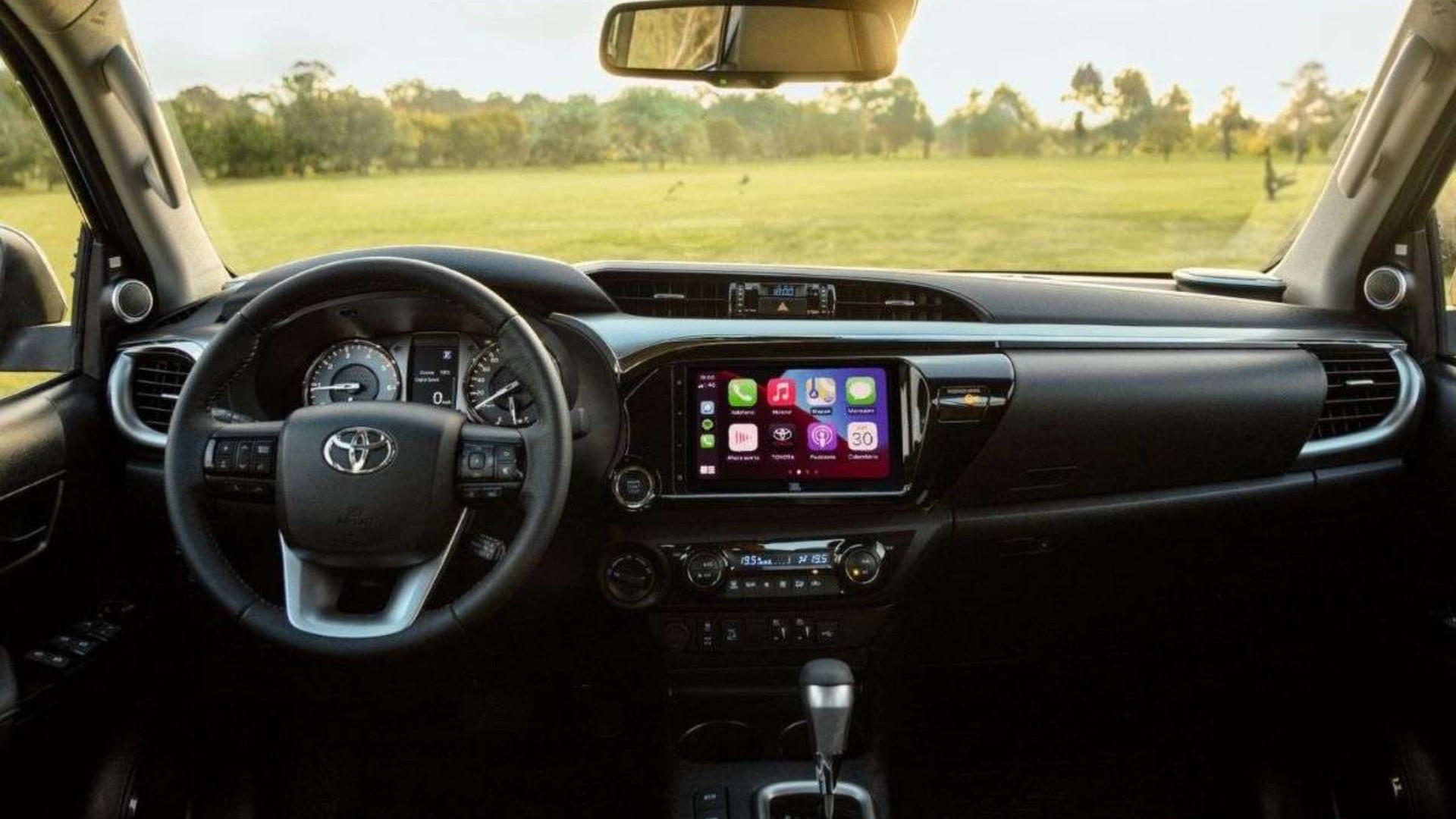
The Toyota Hilux is R$ 75.5 thousand cheaper and bets on the 2.8 turbodiesel engine with up to 204 hp and 50.9 kgfm to catch up with the VW Saveiro, which leads with 4,472 sales.
-
The new Renault Koleos has a screen exclusively for the passenger that is invisible to the driver, heated rear seats, and 29 assistance systems, but its Chinese competitors cost R$ 40,000 less and deliver more power.

Accident History
Another major risk is acquiring a car that has already suffered serious collisions. Even when the body looks intact, the structure may have been compromised. This means less safety in the event of new impacts and a huge drop in resale value. Often, small misalignments in door openings, poorly done welds, or differences in paint tone already indicate a hidden repair. Taking the car to a trustworthy body shop can help avoid this costly mistake.
Neglected Maintenance
Perhaps the biggest trap is under the hood. Cars that have gone years without adequate inspections show worn engines, belts about to break, and brake systems in critical condition. The initial savings quickly disappear when the new owner needs to spend thousands on urgent repairs. Ideally, the buyer should demand receipts for previous inspections and, if possible, request an evaluation from an independent mechanic before the purchase.
Tampered Odometer
There are still those who take the risk of tampering with mileage to increase the selling price. A car that seems to have driven 60,000 kilometers may, in fact, have already surpassed 150,000. This type of fraud directly impacts the trust and durability of the vehicle. The observant buyer looks for signs such as wear on the steering wheel, seats, and pedals, which reveal the car’s true age. Cross-referencing these clues with the inspection history helps avoid mistakes.
The Weight Of Choices
In the end, buying a used car can indeed be a smart decision, as long as it is made with attentive eyes and without haste. Each ignored trap turns into a future headache, but every precaution taken ensures that the experience is positive and lasting. More than a simple transaction, buying a used car is taking on a responsibility — and only those who respect the details avoid regrets.










-

-

-

-

-

39 pessoas reagiram a isso.