Portuguese
  Spanish




Buying a used car may seem, at first glance, like the smartest way to save money and acquire a reliable vehicle without paying the new price. But is this choice really that simple? Many drivers discover too late that behind a good appearance lie traps capable of turning the acquisition into a huge loss.
Buying A Used Car: Where Is The Risk
The used car market grows every year, but it also carries stories of drivers who lost money or became trapped in endless debts. This is because, when buying a used car, many are carried away by emotion and overlook technical details that make all the difference. The good news is that identifying these signs doesn’t require being a professional mechanic, just attention and practical knowledge.
Irregular Documentation
One of the most common mistakes is not thoroughly checking the vehicle’s documentation. Many buyers rely only on the purchase and sale receipt, without checking for fines, overdue taxes, or even judicial restrictions. These problems remain hidden until the time of transfer, when the new owner discovers they inherited someone else’s debt. The tip is simple: check the complete history at the DMV and on auction sites before signing any papers.
-
Practical Driving Tests in Brazil Surge by 23.5%, Exceeding 2.2 Million by 2026, as New Rules Make the Process Cheaper and Simpler

-
Brazil’s Lula Government Allocates $463 Million Quota for Electric Car Parts, Waives Import Tax Until December, Sparking Competition Among BYD, Automakers, and Unions as Consumers Question Impact on Prices and Local Industry

-
Thinking of Installing LED Headlights? Why Replacing Halogen Bulbs is Still Banned, the Glare Risks Authorities Worry About, and How a New Proposal Could Allow Certified, Safe Installations
-
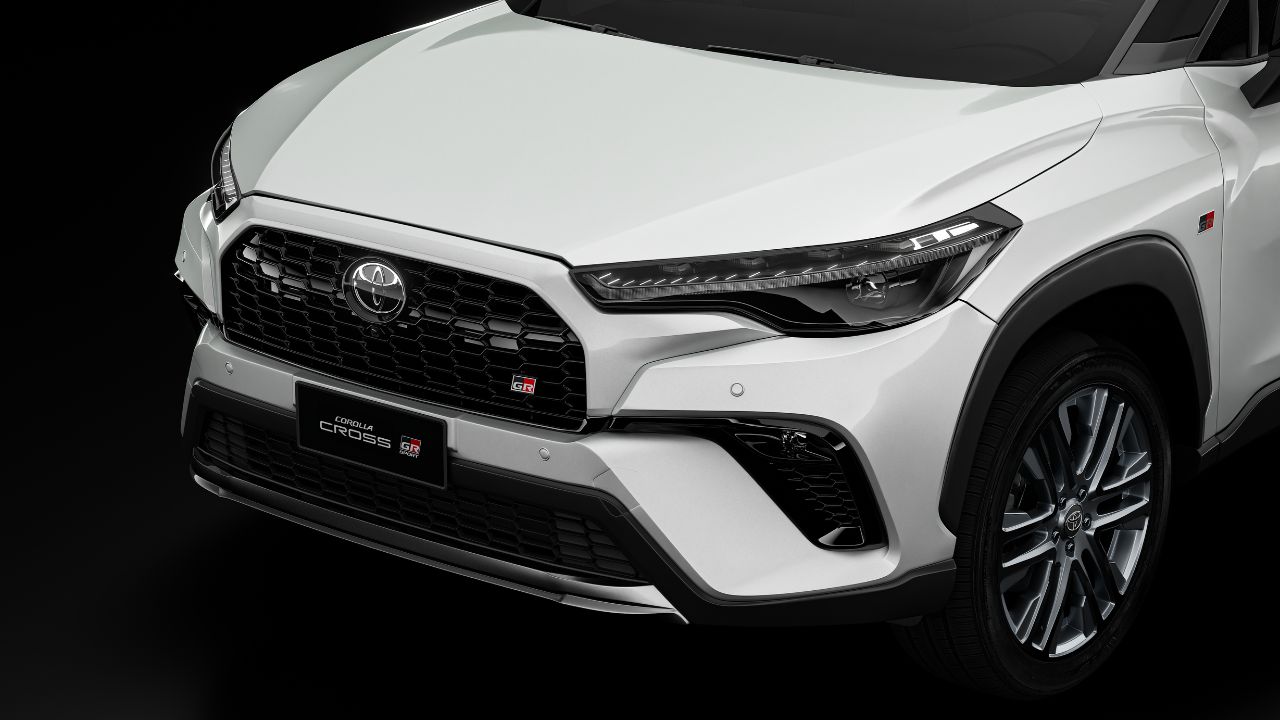
2027 Toyota Corolla Cross Unveiled: New Design, Enhanced Fuel Efficiency, Reduced Maintenance Costs, Advanced Technology, Connected Services, and Up to 10-Year Warranty


Accident History
Another major risk is acquiring a car that has already suffered serious collisions. Even when the body looks intact, the structure may have been compromised. This means less safety in the event of new impacts and a huge drop in resale value. Often, small misalignments in door openings, poorly done welds, or differences in paint tone already indicate a hidden repair. Taking the car to a trustworthy body shop can help avoid this costly mistake.
Neglected Maintenance
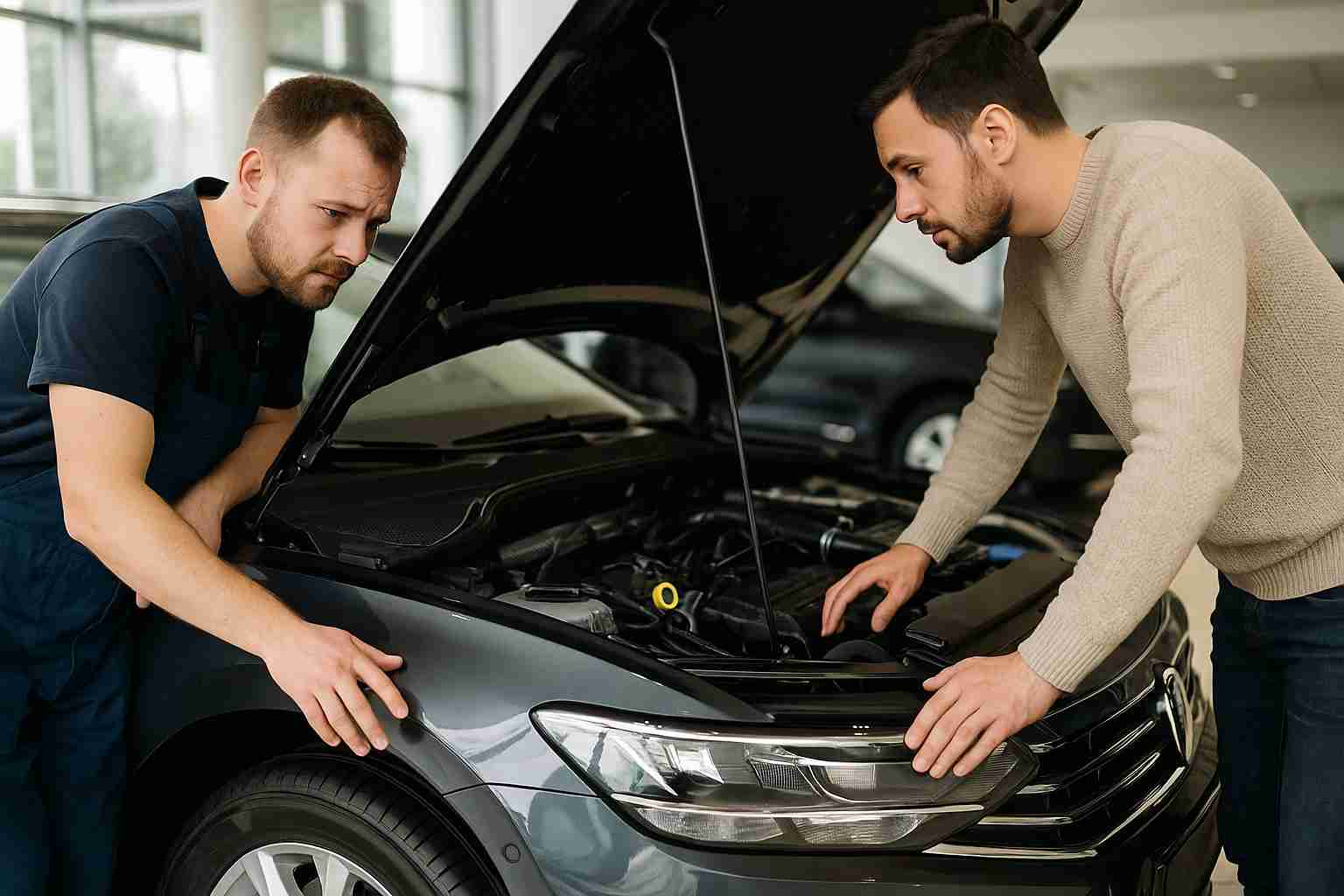
Perhaps the biggest trap is under the hood. Cars that have gone years without adequate inspections show worn engines, belts about to break, and brake systems in critical condition. The initial savings quickly disappear when the new owner needs to spend thousands on urgent repairs. Ideally, the buyer should demand receipts for previous inspections and, if possible, request an evaluation from an independent mechanic before the purchase.
Tampered Odometer
There are still those who take the risk of tampering with mileage to increase the selling price. A car that seems to have driven 60,000 kilometers may, in fact, have already surpassed 150,000. This type of fraud directly impacts the trust and durability of the vehicle. The observant buyer looks for signs such as wear on the steering wheel, seats, and pedals, which reveal the car’s true age. Cross-referencing these clues with the inspection history helps avoid mistakes.
The Weight Of Choices
In the end, buying a used car can indeed be a smart decision, as long as it is made with attentive eyes and without haste. Each ignored trap turns into a future headache, but every precaution taken ensures that the experience is positive and lasting. More than a simple transaction, buying a used car is taking on a responsibility — and only those who respect the details avoid regrets.