Portuguese
  Spanish


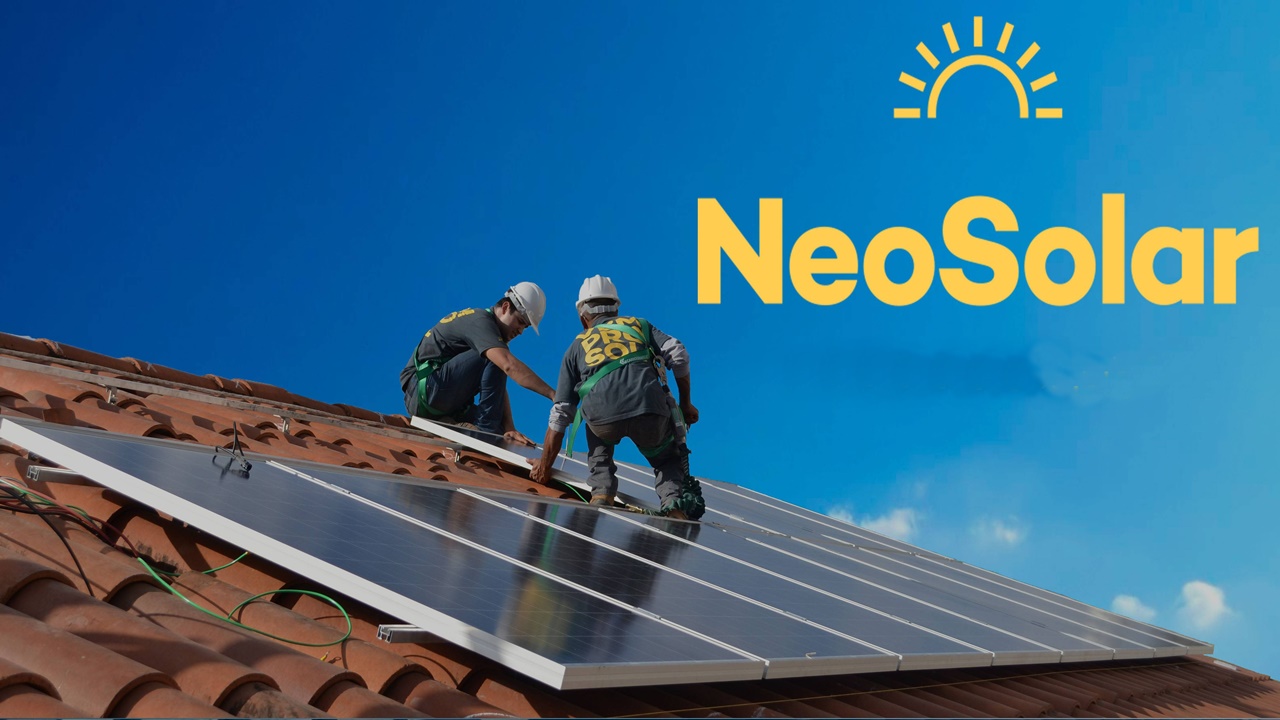

More Durable and Higher Performing Than Traditional Lead-Acid Batteries, Lithium Is a Technology That Promises to Have a Great Impact on the Solar Energy Market in the Coming Years
Neosolar, the largest distributor of Off-Grid solar photovoltaic energy in Brazil, will present new lines of microinverters and lithium batteries at the Intersolar South America Fair, two of the fastest-growing technologies in the solar energy market. Intersolar is the leading fair and conference for the sector in Latin America and will bring together the entire solar photovoltaic and thermal production chain from October 18 to 20 in São Paulo.
Also Read
- In Exchange for Your Waste, Global Giants Ambev, Palmolive, and Suzano Offer Credits for Cell Phones, Tickets, Discounts on Electricity Bills, and Much More
- After Volkswagen and Renault, Fiat Suspends Vehicle Production at Its Factory and 1800 Employees Have Their Employment Contracts Suspended
- Grupo Tigre, a Multinational Leader in Construction Solutions, Calls for Candidates Without Experience; Internship Positions Are for Factories in SP, RJ, SC, and More
- Volkswagen Declares the End of the Fox, Launched in 2003, the Car Emerged to Replace the Gol in the Hearts of Brazilians
“Nothing could be more appropriate to promote NeoSolar’s new portfolio and reinforce our position as the largest distributor of Off-Grid solar photovoltaic energy in Brazil,” says Eduardo Oliveira, NeoSolar’s marketing director.
The main launch by Neosolar in the second half of 2021 is the Unipower lithium battery, developed with the latest advancements in energy storage systems. Other launches throughout the year to be presented at the fair include: Deye Microinverters, Deye Hybrid On + Off Grid Inverter, and Epever’s Upower-Hi Off Grid Inverter.
-
After a Year of Success in Switzerland, Solar Railway Attracts Italy’s Interest for Clean Energy Transformation

-
Robots Clean Solar Panels in Desert Power Plants Without Water, Preventing Energy Losses
-
Brazil’s Offshore Wind Energy Potential Worth $1 Trillion Stalled by Long-Delayed Agreement

-
World’s Largest Engie Solar Plant in Brazil Highlights Billion-Dollar Energy Waste Issue: Company Considers Batteries and Bitcoin Mining to Avoid Wasting Production

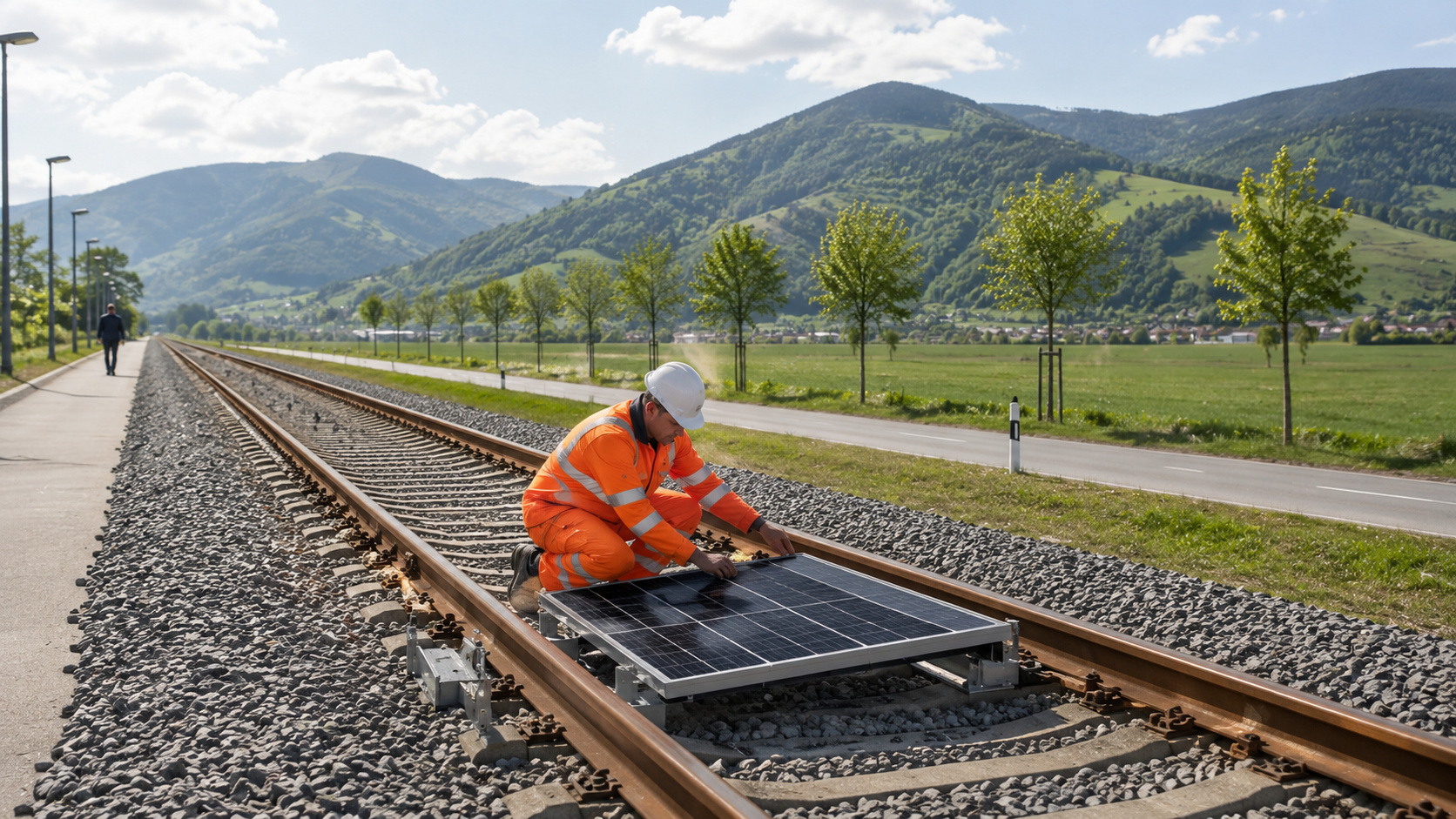


Learn About the Solar Upower Inverter Below

New Lithium Battery Will Impact the Solar Energy Market
More durable and higher performing than traditional lead-acid batteries, lithium is a technology that promises to have a great impact on the solar energy market in the coming years. The modern battery from Brazilian manufacturer Unicoba offers the best cost-benefit in the medium term, with performance up to 73% superior to other models and recharge times up to 9 times faster.
With the Unipower UPLFP48, the investment in solar batteries pays off over the years with yields far above average: in addition to lasting approximately three times longer than stationary lead-acid batteries (with a lifespan of 6000 cycles at a depth of discharge of 90%, equivalent to 12 years), the lithium battery is also less susceptible to damage from misuse, as it allows for deeper discharges.
The advantages of a lithium battery are numerous and also include ease of installation and long-term safety. Although robust, the product is lighter than traditional stationary batteries and requires no maintenance. The lithium battery is also flexible and offers the possibility of various applications, being monitorable with free software management.
Mini Wind Turbine with Cell Phone Price Generates Power at Home, Functions Like Large Wind Farms, and Promises to Revolutionize Renewable Energy Generation Globally
Only in Ceará, there are 27 mini plants spread across eight different municipalities, supplying 90 units. With a still incipient market throughout Brazil, the use of mini wind turbines (wind generators) for Distributed Generation of energy is not yet well known. Home wind energy production works similarly to large wind farms, but on a reduced scale. Watch the video below to see how to install your mini wind turbine.

According to Sampaio, wind turbines are more useful in off-grid applications. However, to decide if it’s advantageous, it is necessary to assess the environmental conditions in which the residence is located, as good wind circulation is required for the system to operate.
Therefore, one recommendation from the engineer is to complement the wind system with solar, to ensure a complete electricity supply from renewable sources.
The costs for installing a wind system vary according to the desired power, which can range from 500 W to 6,000 W, with prices from R$ 2,700 to R$ 50,000.