





 Portuguese
  English
  Spanish
  8 min of reading
  0 comments


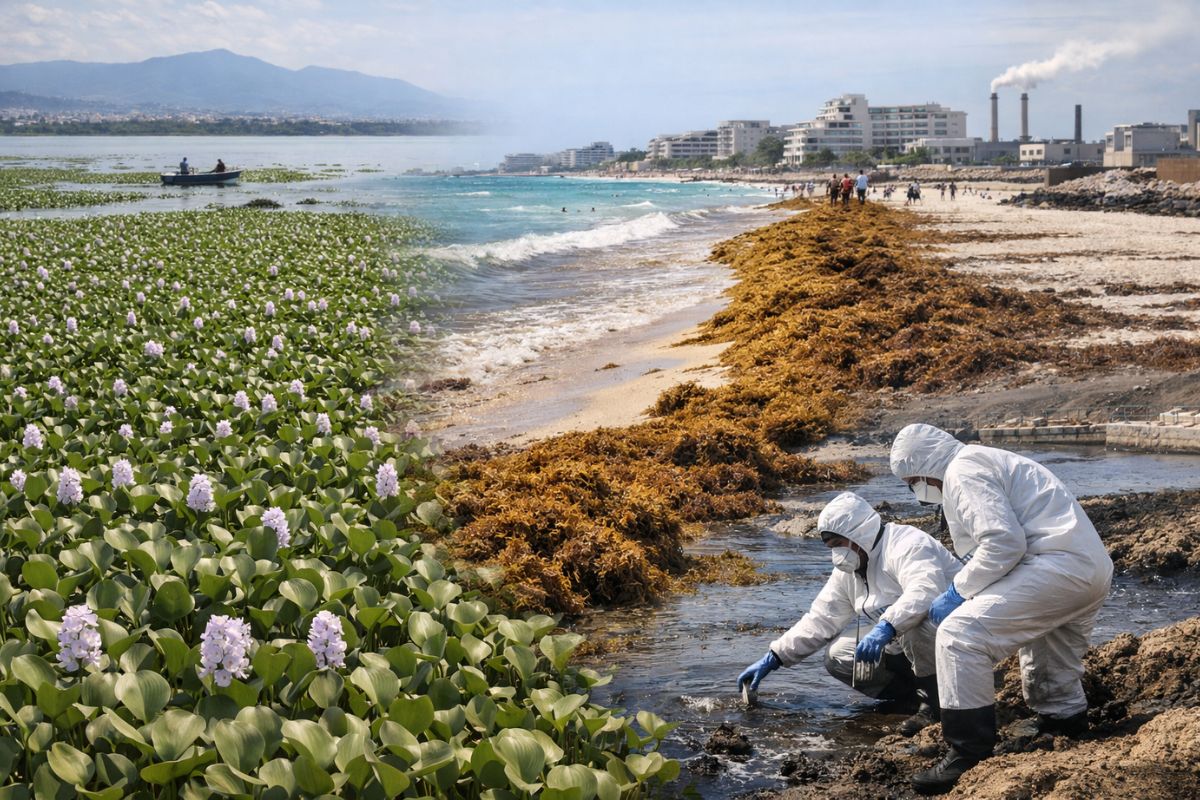
As Invasive Species Spread Across Latin America, From Water Lilies in Ponds to Sargassum on Beaches, Biological Control Tries to Limit Environmental Damage Without Destroying Biodiversity.
As invasive species spread across lakes, reservoirs, and beaches in Latin America, riverside communities, scientists, and activists race against time. From the water lily that chokes 300 ponds in Mexico to the sargassum that covers paradisiacal Caribbean beaches, and through toxins in a Chilean lake famous for tourists, the region has become a living laboratory of conflicts between nature, economy, and climate.
Behind every plant that seems harmless, there is a complex story. Hippos in Colombia, goats in the Galápagos, beavers in Patagonia, and water lilies in Mexican lagoons are examples of how exotic species become invasive species, erasing biodiversity, altering food chains, and causing heavy economic losses. At the same time, creative responses are emerging: biological control with insects, repurposing algae as biogas and building materials, community monitoring, and increasingly organized environmental activism.
What Are Invasive Species and Why Has Latin America Become a Target?
When we talk about invasive species, we are not referring to any plant or animal from outside, but to organisms that arrive in new territories, usually accidentally or intentionally, and begin to spread aggressively.
-
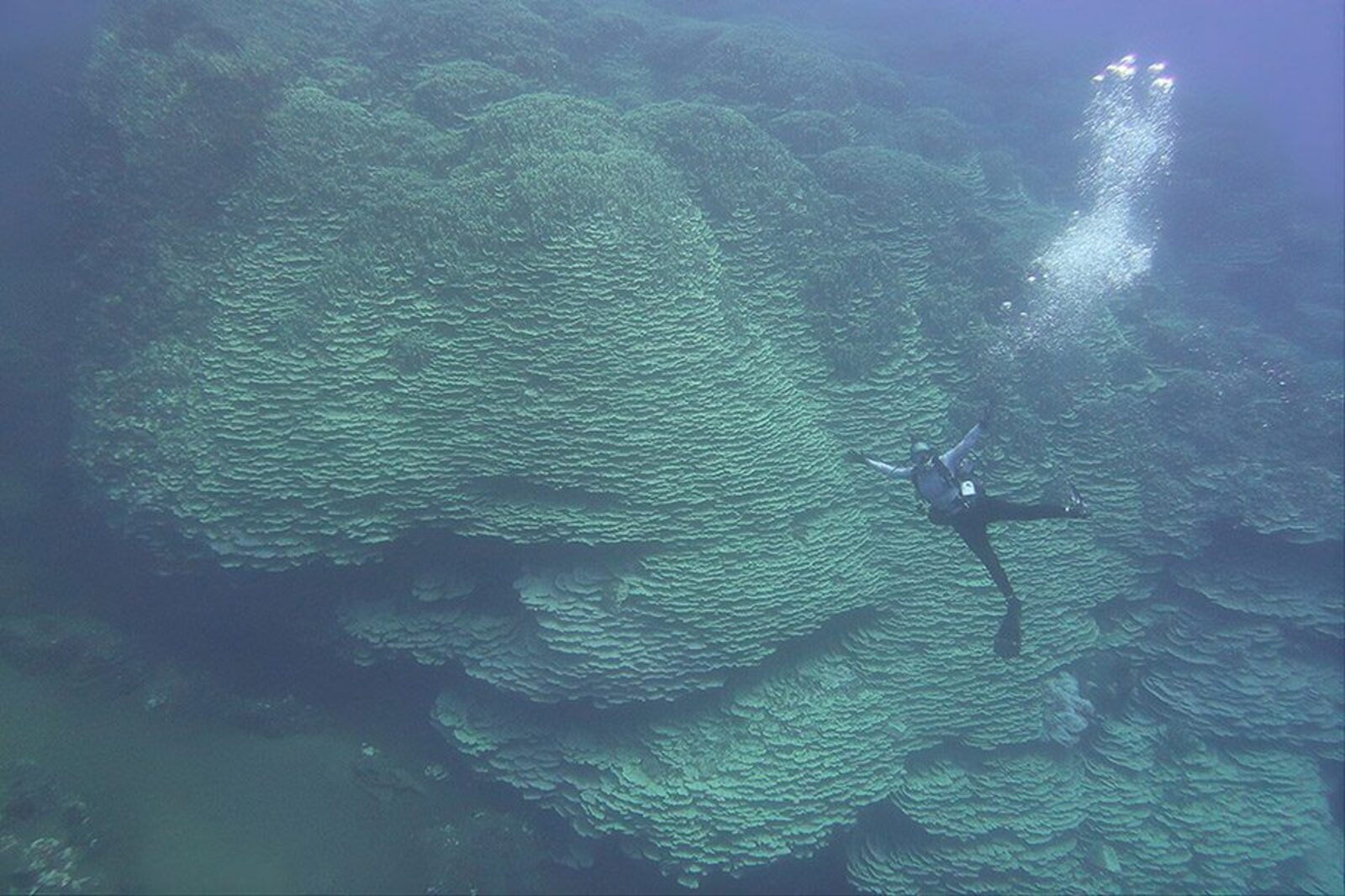
At the bottom of the sea, scientists have found a true underwater cathedral measuring 62 meters at the base, 31 meters at the top, and 1,347 square meters of giant coral in the Maug Islands, estimated to be 2,050 years old.
-
Surrounded by the sea, the airport will have a system to prevent airplanes from falling into the water; technology will be installed in Ilhéus (BA), with an investment of R$ 70 million.
-
With a cost per shot close to zero, the DragonFire laser could change naval warfare in 2027 and provide British ships with nearly unlimited defense against drones.

-
A British startup creates tires that generate electricity in electric vehicles when passing over potholes, speed bumps, and cracks.


According to the United Nations Development Programme, these species are already the second leading cause of biodiversity loss in the world, behind only the direct destruction of habitats.
In Latin America, the list is long. Hippos in Colombia, eradicated goats in the Galápagos, and beavers in Patagonia show that the problem is not just ecological. Invasive species also cause damage to fishing, agriculture, tourism, and health.
In many cases, governments and communities are forced to spend time and money trying to control pests that began as “ornaments,” economic experiments, or even whims of powerful people.
Within this scenario, two plants have gained recent prominence: the water lily, which suffocates bodies of water in Mexico and other countries, and sargassum, a brown algae that invades Caribbean beaches and the Mexican coast.
At the same time, in Chile, scientists and activists are monitoring toxins generated by blooms of cyanobacteria in a tourist lake, trying to prevent a silent collapse in water quality.
Water Lily: Ornamental Plant That Became an Aggressive Invasive Species
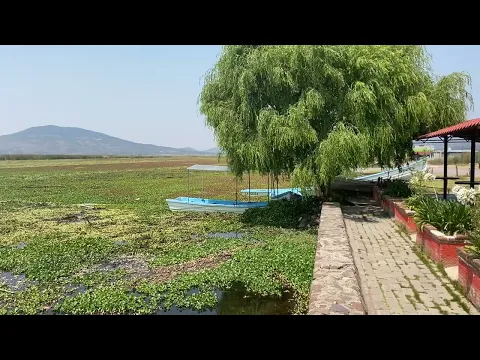

The case of the water lily clearly demonstrates how invasive species can arise from something seemingly harmless. Imported in the late 19th century as an ornamental plant, the lily transformed from a garden decoration and canal embellishment to a national problem in Mexico.
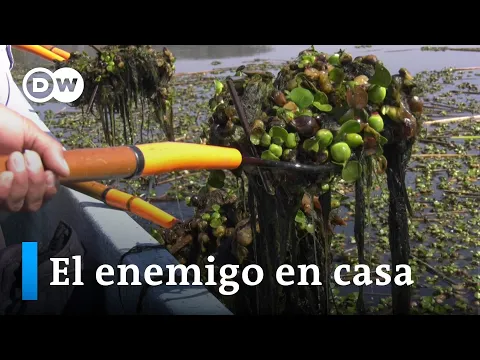
Today, it infests around 300 lakes and ponds in the country, forming green carpets that hinder navigation, block access to crops, and suffocate aquatic fauna.
In the Tecocomulco lagoon in central Mexico, the situation has become critical. A floating “carpet” of lilies blocked boats, isolated crops, and devastated fishing, the main livelihood of around 20,000 inhabitants in the area.
Agricultural workers like Mr. Pancho were forced to abandon corn, bean, and broad bean crops to focus almost exclusively on manually harvesting the invasive plant.
Removing the lily is not simple. The plant is largely composed of water, which increases its weight and complicates removal. Still, a brigade of 16 riverside workers has begun daily cleanups, pushing the infestation back.
What was once just a problem has also become part of the solution: the removed lily is taken to crop fields, laid out as if it were fertilizer.
This agricultural use has brought an unexpected advantage. The water lily, used as ground cover and fertilizer, has helped reduce the use of chemical fertilizers, which previously drained into the lagoon, enriching the water with nutrients and fueling the invasive plant’s explosion.
Through the ecological restoration program of the Hidalgo government, coordinated by experts like Evelyn Terrazas, the community has managed to reduce the “plague” to about one-tenth of the surface area of water.
When Biological Control Tries to Turn the Tide Against Water Lilies
The water lily problem is not exclusive to Mexico. The plant, which has already taken over freshwater systems on five continents, has also invaded reservoirs in northern South Africa.
There, the Hartbeespoort reservoir has become an extreme example: a green mass where there should only be water, blocking waterways and causing ecological and socioeconomic impacts.
Attempting to control the lily solely through manual removal or chemical herbicides has proven to be costly, slow, and risky for the environment.
It was at this point that biological control entered the scene, one of the most sophisticated strategies for dealing with invasive species.
South African researchers spent years testing “natural enemies” of the water lily in fully controlled environments.
They searched for an insect capable of attacking only the invasive plant, without harming native species or crops. The bet fell on a small water hyacinth weevil, native to South America, described as tiny and voracious.
In ten years, 1 million insects were produced in the laboratory, with 300,000 released in just the last year.
Each weevil is counted and thoroughly tested to ensure it primarily feeds on the lily. The logic is simple: use a species that reproduces at the same pace as the invasive plant and eats it “from the inside,” leaf by leaf.
In areas where biological control has been applied, the effects are visible. The lily leaves show holes and brown spots, curl up, and gradually disintegrate at the bottom.
In about two years, some reservoirs had plant cover reduced from 40% to 5%. Still, experts admit that the lily will never completely disappear: given its growth rate, the goal is to keep the invasive species under control, not to eliminate it entirely.
Sargassum: Algae That Affects the Caribbean and Inspires Unexpected Solutions

Another critical front of invasive species in the region comes from the sea. Sargassum, a brown algae that typically floats offshore, over a thousand kilometers from the coast, has begun arriving in mass to beaches in the Caribbean and Mexico.
The result is a scene that contrasts with the image of a “tropical paradise”: brown patches covering the coast, murky water, strong odors, and millions of tons of biomass accumulating year after year.
Sargassum grows rapidly, responding to heat and nutrient presence in the water. When it accumulates on beaches, it starts to decompose and releases hydrogen sulfide, which smells like rotten eggs.
This affects not only the marine and coastal ecosystem but also the economy: many countries fear the impact on tourism, their main source of income.
To try to contain the algae’s advance, hotels and authorities have installed sargassum “anti-barricades” that allow fish and turtles to pass but block part of the algae masses before they reach the beaches.
At sea, specialized boats perform mechanical harvesting. Still, the barriers and collections are temporary solutions that need to be repeated year after year.
At the same time, the excess sargassum has stimulated a creative angle. Companies and scientists in Mexico have begun testing the use of the algae as raw material for biogas and building materials.
In a laboratory near Mérida, Yucatán, researchers use fungi that degrade fibers, making carbon more accessible and accelerating biogas production by about 30%.
In another project, sargassum has been transformed into building blocks, called “saga blocks,” used in a pilot house with about 60% of the structure made from algae.
Transforming an invasive species into an economic resource does not address the root of the problem, but it can alleviate some of the impact and create jobs in vulnerable communities, provided there are clear rules to prevent new environmental damage.
Lake Villarrica: Toxins, Tourism, and Environmental Activism in Chile

In southern Chile, Lake Villarrica in the Araucanía region shows another side of the challenge. There, the problem is not the water lily or sargassum, but intense blooms of algae and cyanobacteria that can produce dangerous toxins.
The lake receives thousands of tourists every summer, but at the same time, suffers from sewage discharge, aquaculture waste, garbage, and real estate pressure.
Biologist and activist Loreto Lagos, founder of the Fundación Raíces de Pucón, decided to take action. Her organization monitors biodiversity, visits wetlands, conducts trap setups, and nighttime observations to better understand who lives in these environments and how they are changing.
The diagnosis is clear: excessive nutrients in the water, imbalances in the food chain, and intense algal blooms in the summer, many of which produce hepatotoxins and neurotoxins.
In small animals, deaths have already been observed. In humans, the most visible cases are skin irritations and gastrointestinal issues.
However, Loreto warns that if nothing changes, the accumulation of toxins could increase the risk of liver cancer and neurological damage in the coming years.
Despite this, authorities often prefer to downplay the problem, fearing it will drive away tourists. A symbolic example was the holding of an Ironman event with the lake green and covered in algae, which activists considered disrespectful to athletes and residents.
The foundation pressures for clear protocols: regularly measure toxins, inform the public, and close beaches when levels are dangerous.
In addition to monitoring, Loreto’s team produces biodiversity guides, informative brochures, and conducts lectures in schools. The idea is simple: without environmental education, the fight against invasive species, pollution, and toxins will always be reactive and belated.
How the Region Can Regain Control Over Invasive Species
The cases of the water lily, sargassum, and toxins in Lake Villarrica show that invasive species and ecological imbalances are not isolated problems, but symptoms of a water and land use model that stresses entire ecosystems. At the same time, they show possible paths.
In Mexico, riverside communities transformed an invasive plant into fertilizer and food for carp, reduced chemical inputs, and recovered fishing, birds, and tourism in lagoons that seemed lost.
In South Africa, biological control with specific insects has proven that it is possible to tackle an invasive species without resorting only to poisons.
In the Caribbean, sargassum has turned into fuel and building blocks, opening a new productive chain. In Chile, grassroots activism pushes for transparency, safety protocols, and respect for the people who live and work on the shores of the lake.
Invasive species will not disappear overnight, but how we deal with them can accelerate destruction or create space for smarter solutions that combine science, social participation, and local economy.
What do you think, should Latin America invest more in biological control, the economic repurposing of invasive species, or stricter regulations to prevent these species from arriving and spreading?






-

-

-

4 pessoas reagiram a isso.