





 Portuguese
  English
  Spanish
 3 min of reading
  0 comments


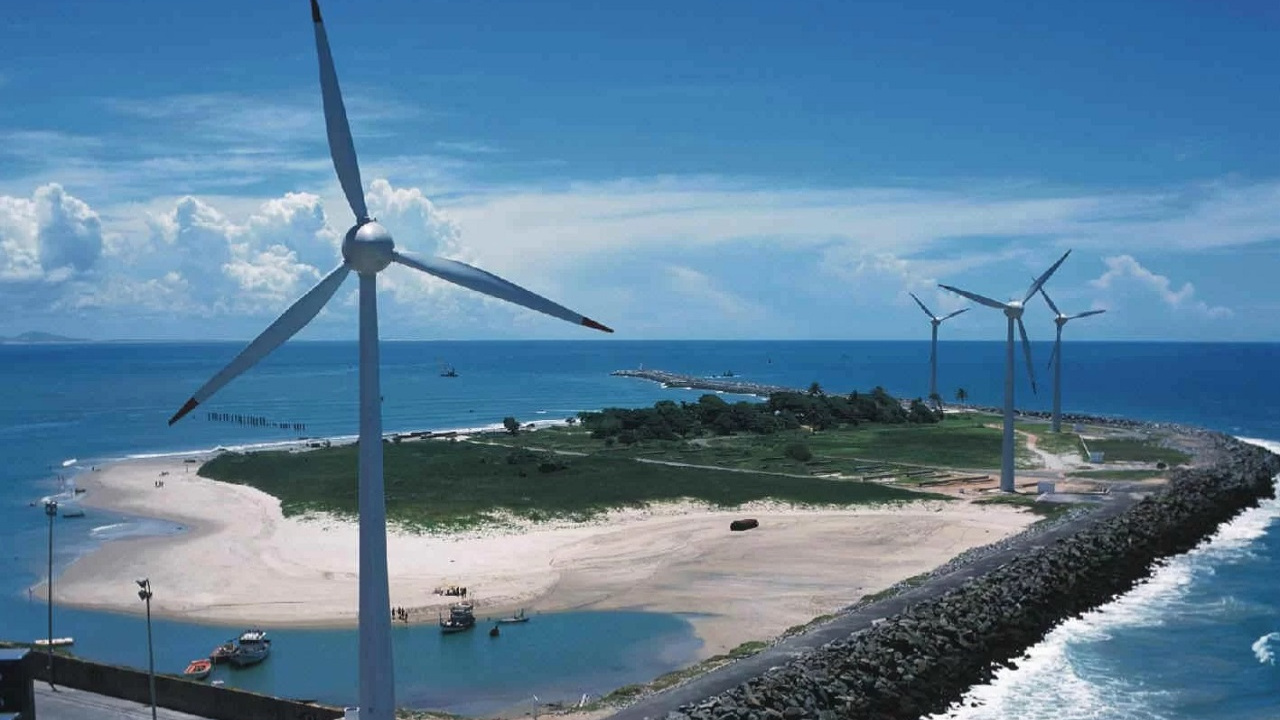
State Hosts Six Offshore Wind Complex Projects in Environmental Licensing, Highlighting Brazil’s Potential in Expanding Offshore and Onshore Wind Energy.
The National Council for Energy Policy (CNPE) approved the creation of the Offshore Wind Working Group, as reported on Monday, 06. The objective is to draft guidelines and define the design of the first auction for the granting of sea use rights, inspired by oil and gas auctions. Coordinated by the Ministry of Mines and Energy, the group will include participation from three federal institutions and may have representatives from the private sector and civil society.
“Once this first auction is conducted, the winners — and it is possible that we will have winners also in Espírito Santo, which has good potential — will study the area with this title in hand and obtain an environmental license for the project’s implementation,” says Elbia Gannoum, Executive President of the Brazilian Wind Energy Association (ABEEólica).
Espírito Santo Concentrates Six Projects in Licensing
In Espírito Santo, there are currently six offshore wind complex projects with open environmental licensing processes at the Brazilian Institute of Environment and Renewable Natural Resources (Ibama). None of them are in progress, according to the agency, as the entrepreneurs await the publication of specific industry regulations.
-
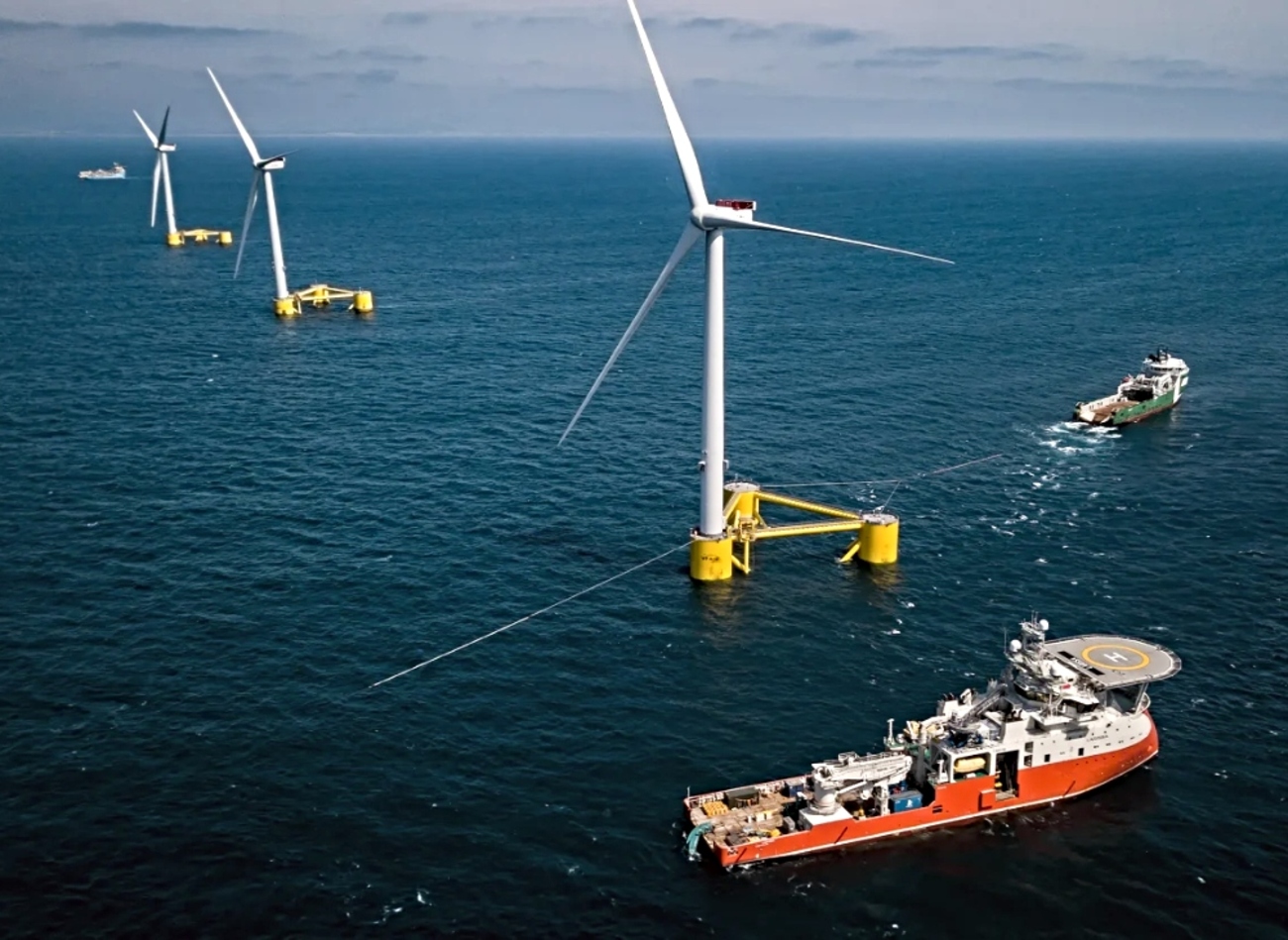
Investment in offshore wind energy could reach R$ 900 billion and promises to transform Brazil’s energy matrix in the next decade.
-
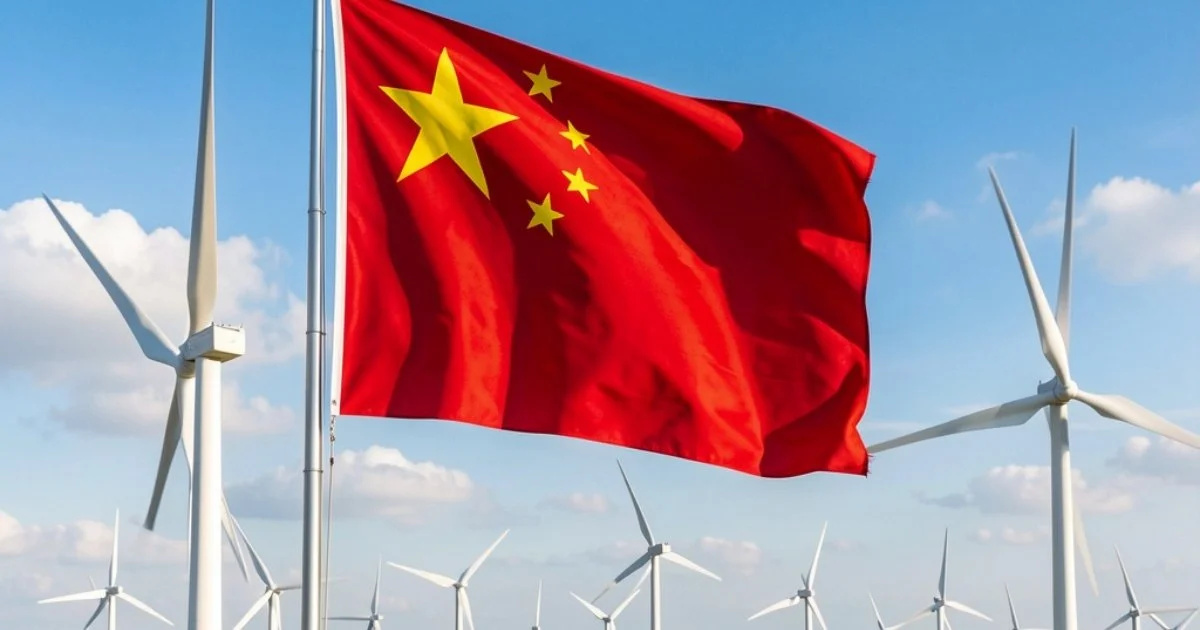
China accelerates offshore wind energy and sets new installed capacity records to lead global decarbonization.
-
Giant of the winds in Rio Grande do Norte: Serra do Tigre Wind Complex receives new investments and accelerates the expansion of clean energy generation to supply millions of Brazilian homes.
-
Urgent energy transition: Greenpeace advocates for massive investments and points to Brazil as a global leader in wind energy production in the coming years.
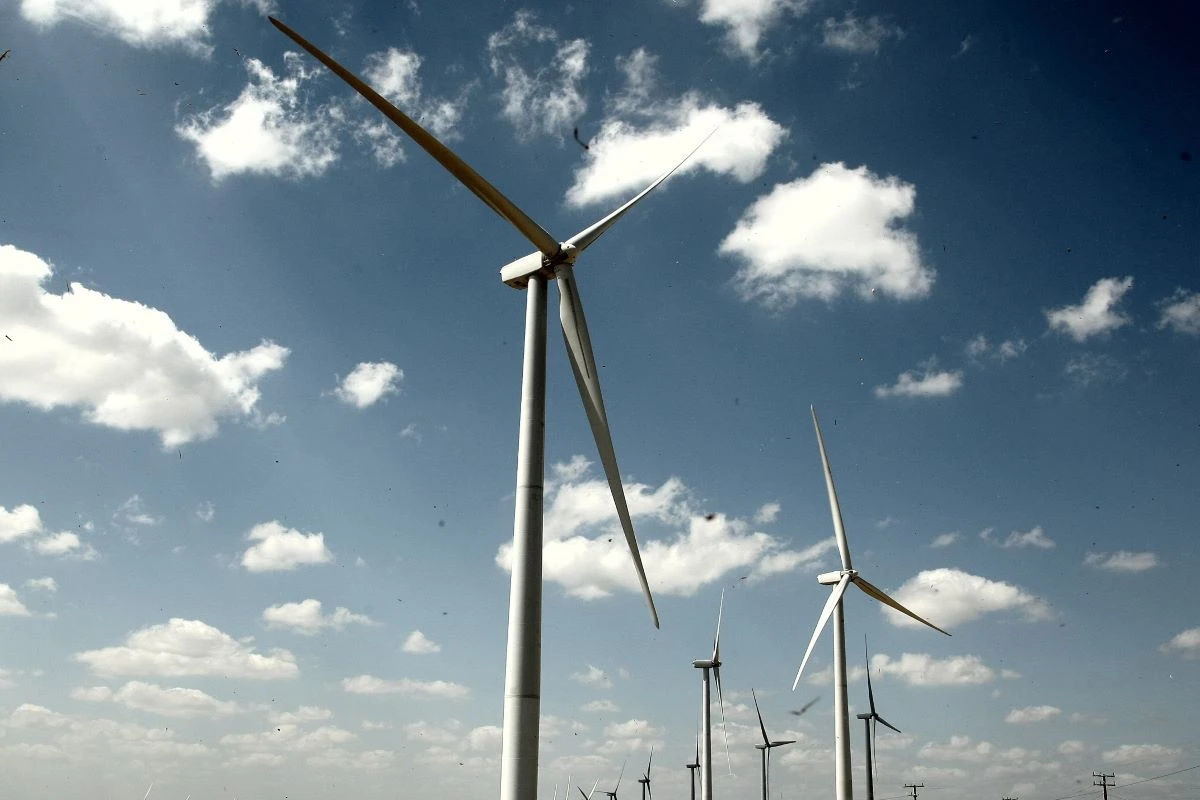
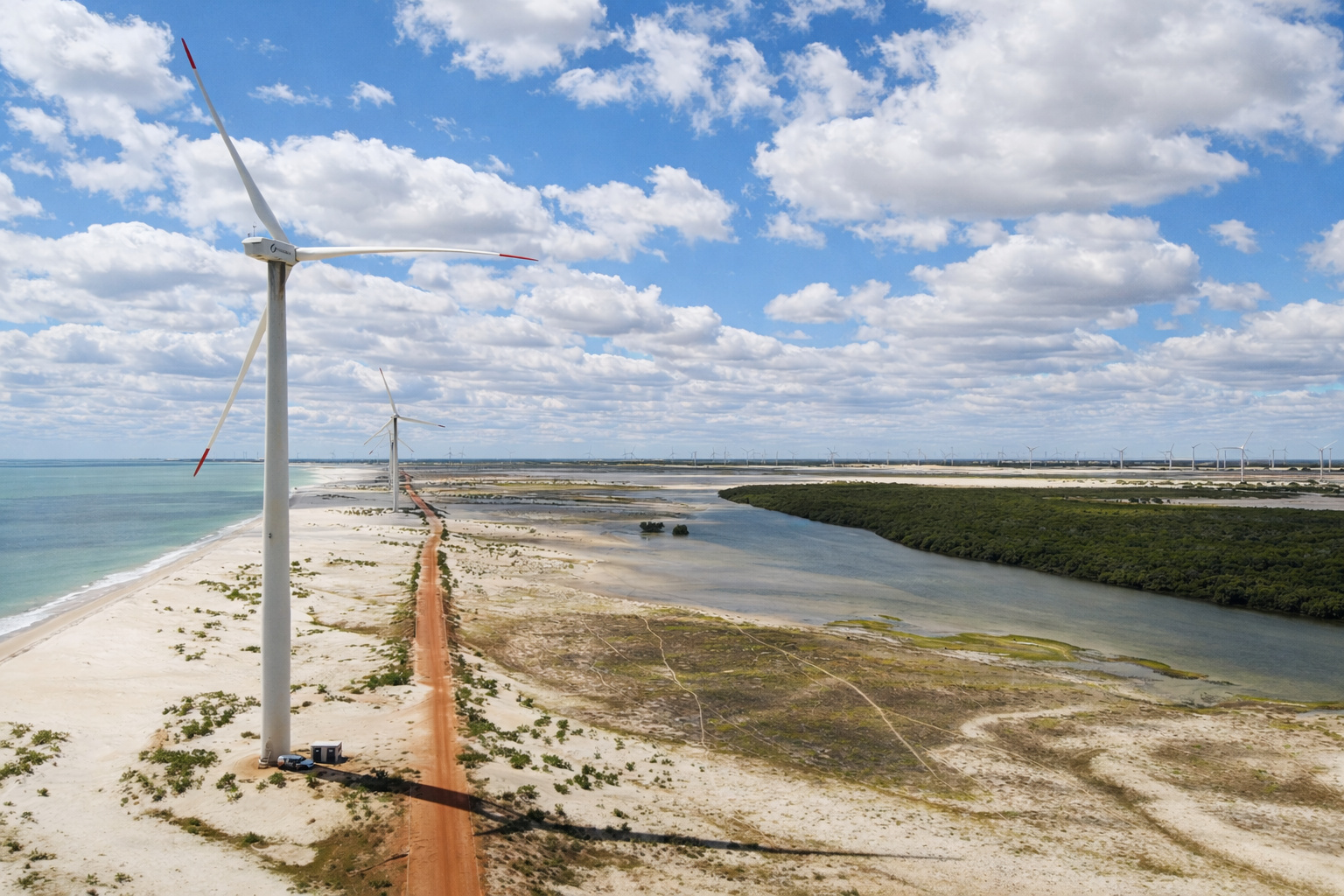
Offshore wind farms receive this name because their turbines are installed at sea, outside the land area. The blades capture wind energy and convert it into mechanical energy, which is transmitted to an electric generator inside the turbine. Subsequently, the electricity is sent through submarine cables to a land substation, where it is integrated into the electrical grid.
Offshore Wind Law and the Path to Implementation
Law No. 15.097/2025, known as the Offshore Wind Law, was approved in December 2024 and sanctioned by President Lula in January 2025. The law establishes that the exploration of marine resources depends on federal authorization, paving the way for specific regulations and future auctions.
Elbia Gannoum emphasizes that the process is within the expected timeline, considering that offshore wind is recent in Brazil. “It is one of the fastest-growing economies and has the largest onshore wind potential in the world. And now, in the last four or five years, knowing that there was already a great offshore wind potential, we started to develop the country’s conditions to also have offshore wind,” she explained.
Within five years, offshore wind projects in Brazil are expected to begin coming to fruition. As one of the world powers in renewable energy, the country should have a greater number of wind farms, both onshore and offshore.
Currently, Ibama is reviewing over 100 offshore wind projects along the Brazilian coast. The country’s potential for this type of energy is estimated at around 700 gigawatts in areas with depths of up to 50 meters, according to the Offshore Wind Roadmap Brazil, published by the Energy Research Company (EPE).
Cost Reductions and Technological Advances
Offshore wind technology has recorded declines in installation and operation costs. Studies indicate that costs are expected to fall by more than 10% by 2025 and by about a third by 2035. This trend makes projects more economically viable and reinforces Brazil’s potential as a leader in the wind energy sector.
In addition, the proximity to strategic ports and logistical infrastructure allows companies to reduce implementation timelines and costs. Brazil’s experience in onshore parks, combined with the adoption of new offshore technologies, creates a promising scenario for expanding the national renewable matrix.
The development of wind energy, especially offshore, directly contributes to Brazil’s energy transition. With lower emissions of polluting gases and the utilization of abundant natural resources, wind energy is consolidating itself as a competitive and sustainable alternative.
The expectation is that, in the coming years, offshore wind will complement the onshore matrix, generating qualified jobs and driving investments in strategic regions, such as Espírito Santo and the Northeast. The growth of the sector is also expected to attract national and international companies, consolidating the country as a global reference in clean energy.







Seja o primeiro a reagir!