





 Portuguese
  English
  Spanish
 6 min of reading
  5 comments





The New Brazilian City That Attracts Attention in Serra Gaúcha Brings Together Award-Winning Wineries, Panoramic Cabins, Authorial Cuisine, and a Vibrant Historic Center with Its Own Identity and High Cultural Value Experiences
The new Brazilian city that is starting to dominate the conversations of those traveling through Serra Gaúcha is small in size but big in credentials. We are talking about Pinto Bandeira, a municipality that has consolidated high-standard wine tourism without giving up its roots. Amid rolling vineyards, postcard-view cabins, and authorial cuisine, the destination shows that there is life beyond Gramado and Bento Gonçalves.
According to Diogo Elzinga, on the map since 2013, Pinto Bandeira carries a rare achievement: the Denomination of Origin Altos de Pinto Bandeira for sparkling wines, a technical seal that places the city at a level of recognizable quality. The combination of altitude, climate, and method of preparation in the bottle supports the reputation. For the visitor, the effect is direct: streamlined itineraries, well-designed experiences, and a complete understanding of the territory, from the terroir to traditions.
What Makes Pinto Bandeira a Unique Case in the Serra
Pinto Bandeira, previously a district of Bento Gonçalves, became officially independent in 2013.
-
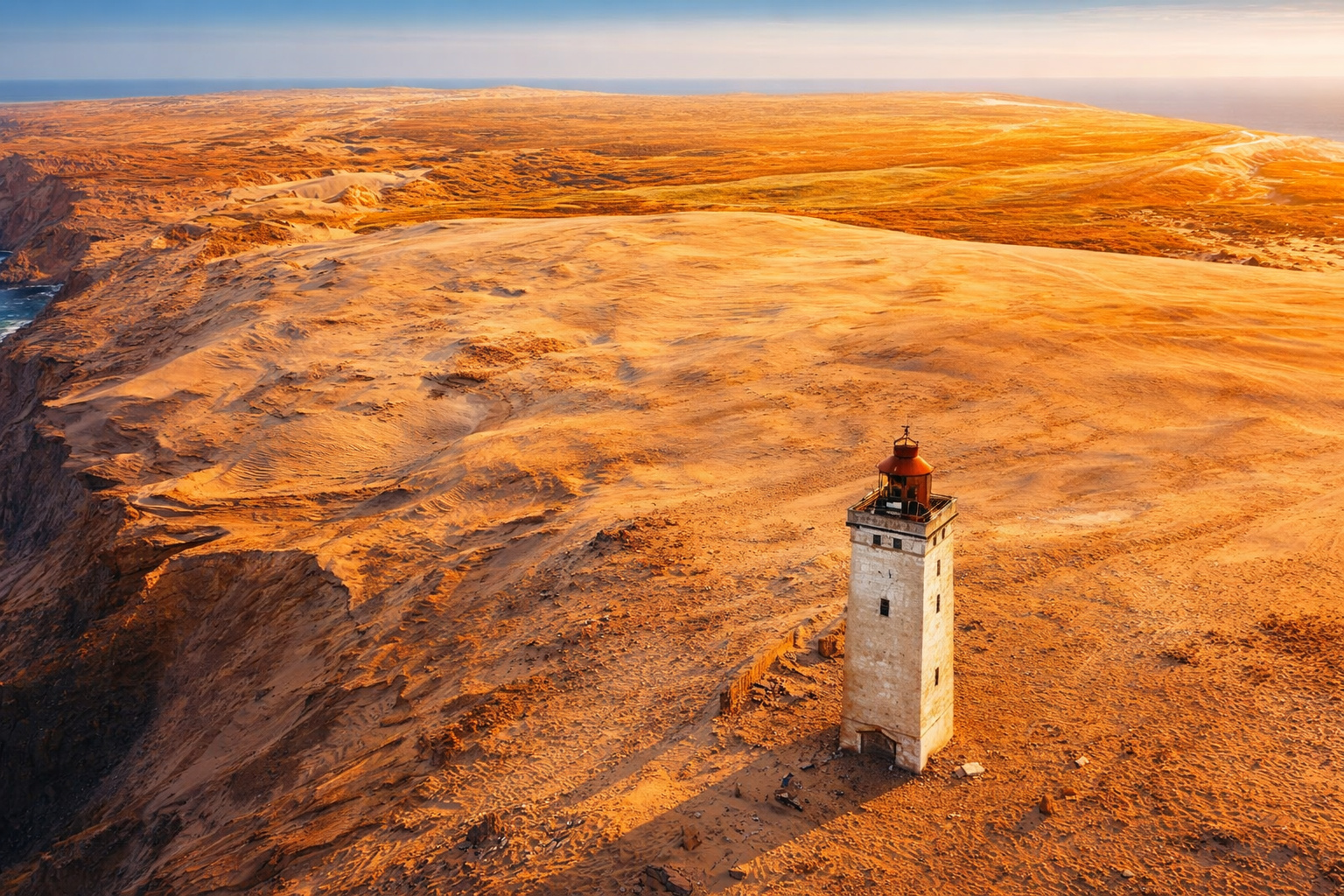
Attracting around 250,000 people a year, a lighthouse 200 meters from the sea, on a 60-meter high cliff, on the North Sea coast in Denmark, becomes one of the most impressive examples of how nature can threaten historical buildings.
-
The narrowest house in the world is only 63 centimeters wide, but inside it can accommodate a bathroom, kitchen, bedroom, office, and even two staircases.

-
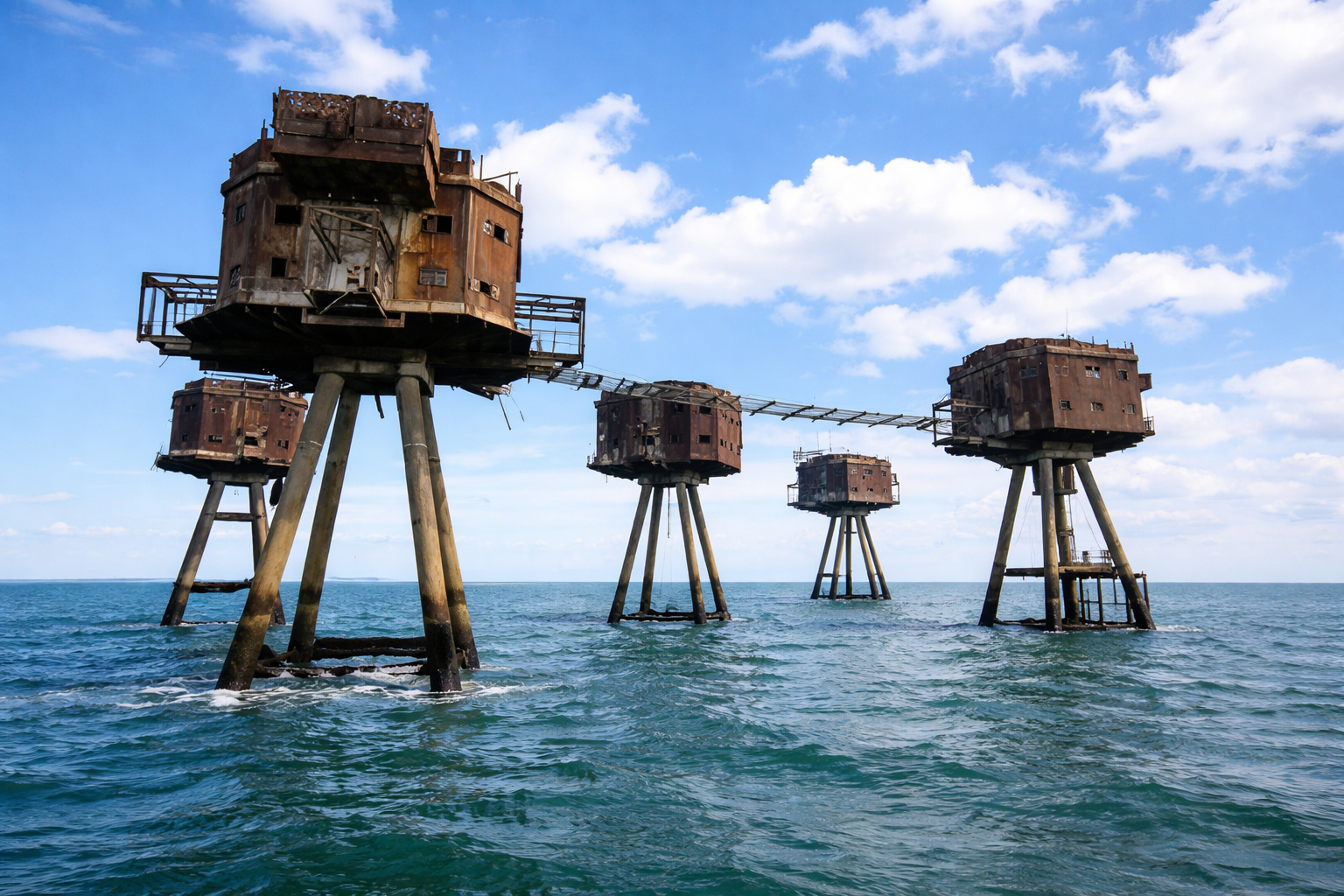
In the middle of the sea, these enormous concrete and steel structures, built by the British Navy to protect strategic maritime routes, look like they came straight out of a Star Wars movie.
-
For years, no one could cross a neighborhood in Tokyo because of the tracks, but an impressive solution changed mobility and completely transformed the local routine.


It has fewer than 3,000 inhabitants, Italian colonization, and a historic center that narrates the municipality’s own formation.
The human scale is the central asset: cobblestone roads, local commerce, bells marking the hours, and a circuit of faith expressed in capitals, chapels, and the first Marian sanctuary in Rio Grande do Sul, built beginning in 1897 with community participation.
The city thrives on grapes and peaches and is gradually learning to accommodate a growing flow of visitors. In 2022, there were around 150,000 tourists.
Even so, many only pass through the wineries and miss out on exploring the historic core, the waterfalls, and the period architecture.
For those seeking a complete understanding, balancing wine, culture, and landscape transforms the journey.
Denomination of Origin: How the Technical Seal Repositions the City
The Denomination of Origin Altos de Pinto Bandeira is the qualifying axis of the destination.
The regulation specifies chardonnay, pinot noir, or riesling italico grapes, trellis systems, altitudes between 520 and 770 meters in rolling relief, and secondary fermentation in the bottle for a minimum of 12 months.
It is an area of about 65 km², with a strict focus on the excellence of sparkling wines.
For now, four wineries are part of the DO: Aurora, Don Giovanni, Família Geisse, and Valmarino.
The seal does not create quality by decree; it recognizes an already practiced standard and provides technical assurance to the consumer.
For wine tourism, the DO is a beacon: it concentrates itineraries, qualifies visits, and enhances international attractiveness.
Cabins, Views, and Hospitality: The New Accommodation Map
Without the massive hotel network of neighboring destinations, Pinto Bandeira invests in small inns and panoramic cabins, many with immersive vineyard experiences.
The intimate scale favors those seeking silence, open skies, and sunsets among the vines.
Booking in advance during peak season is wise, as is structuring the itinerary by zones, combining winery, cabin, and dining within the same radius.
The logic is simple and effective: less travel, more depth.
The traveler gains time for contemplation, explores local cuisine at leisure, and sees the connection between territory, product, and dish.
Historic Center, Faith, and Heritage: Why Go Beyond the Glasses
The Historic Center of Pinto Bandeira grew from the sanctuary dedicated to Our Lady of the Rosary of Pompeii.
The religious and civil architecture organizes the layout of the streets and preserves memories of disputes and agreements that shaped the city.
The Route of the Capitals, with about 50 markers of popular devotion, offers a storytelling circuit outdoors, where each oratory carries a reason and a vow.
For history lovers, the former Nova Pompeia and the process of name change during World War II reveal little-known cultural layers.
Understanding the territory outside the glass gives meaning to the journey and expands the visitor’s perception of the people who shape the region.
Authorial Cuisine and Local Products
Cuisine is vibrant with chefs who settle in the municipality and reinterpret Italian traditions.
Family heritage pasta, cured meats, homegrown vegetables, and peach desserts reflect local seasonality.
The calendar includes peach festival in January, in addition to themed events like the craft uvada, which has already reached a mark of 1 ton.
On the menus, pairings with DO sparkling wines enhance acidity, texture, and freshness.
Low-temperature dishes, roasted vegetables, and washed-rind cheeses pair well with the Pinot Noir and Chardonnay profiles of the region, reinforcing the flavor identity.
Wineries and Experiences: From Method to Viewpoint
Wine tourism itineraries go beyond tasting.
4×4 tours through vineyards, countryside lunches, technical visits to the champenoise process, and viewpoints for the valley make up experiences of content and contemplation.
The century-old vine planted in 1890, still producing, symbolizes the continuity of cultivation and helps explain why the local terroir is so unique and demanding.
To deepen the experience, it is worthwhile to compare sparkling wines by autolysis time, grapes, and vintages.
Understanding the reasons behind the DO rules enriches the tasting experience and turns the visitor into an informal ambassador of the destination.
Landscape, Science, and Crop Protection
The landscapes of hills have earned the nickname Brazilian Tuscany, with vineyards stretching to the horizon. Behind the scenes, agricultural technology protects the crops.
The so-called anti-hail cannon uses a detonated mixture to generate shock waves that interrupt hail formation at altitude, mitigating damage.
It is applied science to the daily life of a city that relies on climatic regularity to maintain its vocation.
This balance between environment, culture, and technique supports Pinto Bandeira’s proposal as a low-density destination, high content, and strong identity.
How to Organize a Meaningful Visit
To avoid a superficial experience, structure the itinerary in three layers: DO and method, historic center and popular faith, cabin and nature.
Schedule the wineries in advance, reserve lunches with pairings, set aside time for the Route of the Capitals, and a time window to walk leisurely.
At the end of the day, return to the viewpoint: it’s when the light settles over the landscape and the journey finds its rhythm.
If the idea is to expand the circuit, integrate Bento Gonçalves and Garibaldi judiciously, keeping Pinto Bandeira as a base for sleeping and contemplation.
The quality gain surpasses the desire to “stamp” cities.
The rise of Pinto Bandeira confirms that the new Brazilian city shining in Serra Gaúcha does not compete for size, but rather for consistency.
Qualified terroir, intimate hospitality, faith, and memory form a rare set in national tourism.
When the visitor connects technique, history, and flavors, the journey stops being a checklist and becomes an experience.
Would you trade a traditional itinerary for a few days of immersion in Pinto Bandeira? What would weigh more in your decision: the DO of the sparkling wines, the cabins with views, or the strength of the historic center and local traditions? Share in the comments how you would plan your itinerary and the experiences you wouldn’t want to miss.





Já era encantadora há mais de 10 anos atrás, imagina agora. Com certeza digna de ser incluída num roteiro de visitação
Já tinha visto a matéria no YouTube, certamente vou visitar.
Parabéns
Todas as cidades citadas na matéria possuem suas peculiaridades. Não esqueçam de Antônio Prado.
Oi iterra do meu pai