





 Portuguese
  English
  Spanish
  4 min of reading
  0 comments


Simple And Cheap Method Uses Frozen PET Bottle To Cool Small Areas.
The technique is applied in various countries and works by dissipating cold air as the ice melts.
During the hottest months of the year, the challenge of keeping the house cool intensifies in various regions of Brazil, where the heat reaches high levels.
Although the use of air conditioning is common, it involves high costs on the electricity bill and is not always a viable option for all households.
-
Chinese scientists have identified 122 viable asteroids for large-scale asteroid mining and outlined the Tiangong Kaiwu plan to explore space water ice and metals throughout the Solar System by 2100.

-
Does compulsive lying exist? What does science know about mythomania and why does it go beyond ‘lying too much’?

-
Marine fossils found at over 8,800 meters altitude on Everest and in large mountain ranges have proven that entire continents move, oceans disappear, and tectonic plates collide over millions of years, revolutionizing science in the 20th century.

-
What if the Sun disappeared suddenly? Simulation shows Earth in darkness within minutes, extreme cold, and rapid collapse of life on the planet.


In light of this reality, simple and economical solutions gain prominence, such as the homemade method that uses frozen PET bottles to reduce the temperature of the environment.
How Frozen PET Bottle Cooling Works
Popular in countries like Germany, where air conditioning systems are not widely used, this trick offers a practical alternative to alleviate the heat.
The operation is based on basic physical principles: by freezing water inside a plastic bottle, a natural cooling source is created that, as it melts, releases cold air that disperses throughout the room.
The step-by-step process to apply this technique is simple:
First, choose a 1.5-liter PET bottle and fill it with water, leaving about 20% of the space empty to avoid the container bursting during freezing.
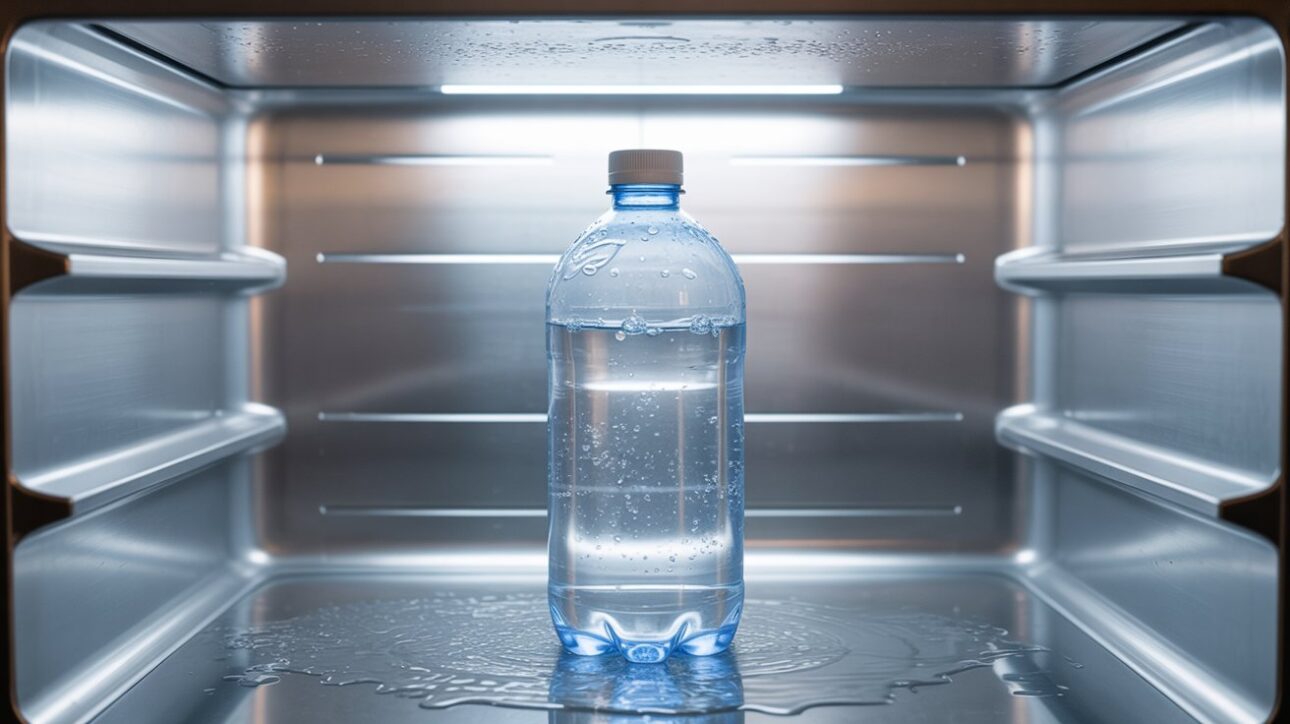
Then, place the bottle in the freezer until the water is completely frozen.
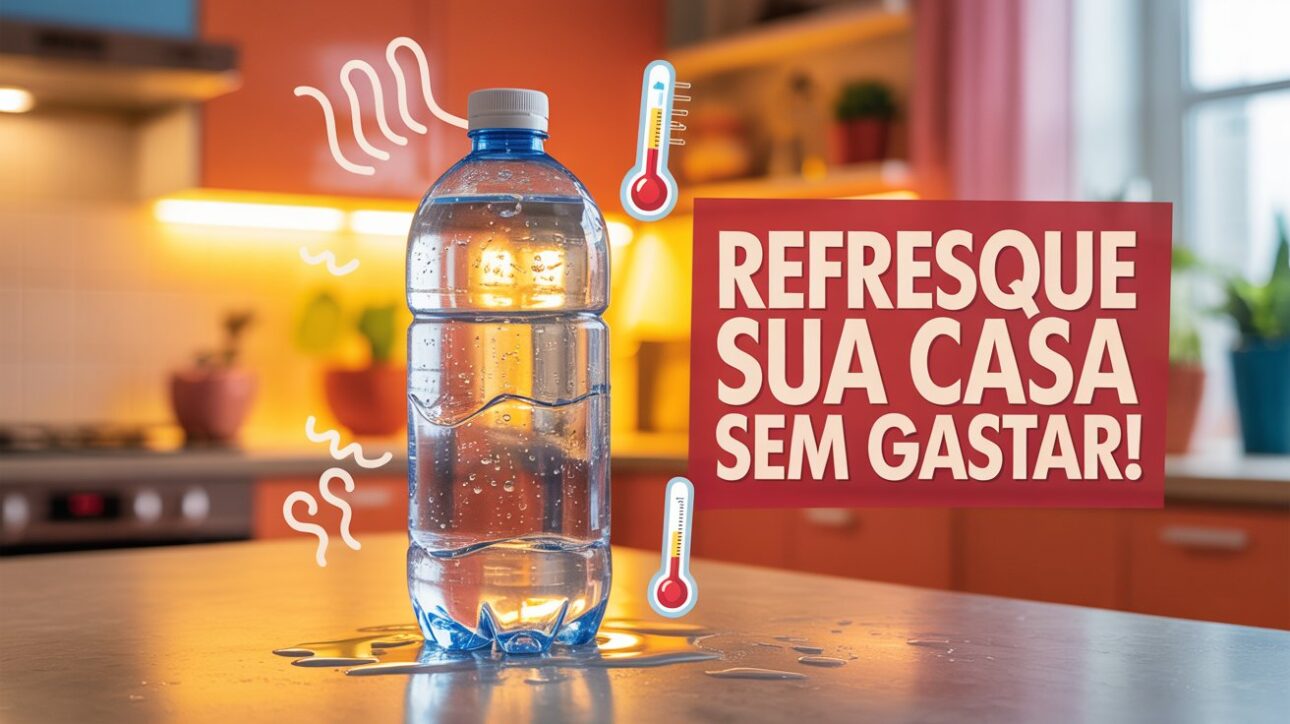
Next, position the bottle in an elevated location of the room, such as a shelf, bookcase, or cabinet, so that the cooled air descends and circulates throughout the space.
As the ice melts, the cold air spreads, providing noticeable thermal relief.
Method Efficiency And Cooling Duration
Although the method does not replace the performance of an air conditioner, it can lower the temperature by up to 3 to 5 degrees Celsius in small areas, according to home climate studies.
This cooling, which usually lasts from two to six hours, varies depending on factors such as the volume of the bottle, the outside temperature, and air circulation in the location.
To keep the freshness for a longer period, it is recommended to freeze multiple bottles throughout the day and alternate their use as they melt.
Tips To Enhance Coolness In The Environment
In addition to the frozen bottle, other measures can enhance thermal comfort inside the house.
- Keeping curtains or blinds closed during the day prevents excessive heating caused by direct sunlight.
- Opening windows on opposite sides at the end of the afternoon encourages cross ventilation, facilitating air renewal.
- Using lightweight fabrics, such as cotton and linen, for upholstery and bedding helps improve air circulation and reduces the feeling of stuffiness.
- Avoiding the use of appliances that generate heat, such as electric ovens and hair dryers, during the hottest hours of the day helps prevent the internal temperature from rising even more.
- Hanging damp cloths in the environment increases the relative humidity of the air and helps reduce the feeling of excessive heat.
Physical Principles And Context Of Use
Despite its apparent simplicity, using frozen PET bottles to cool environments is backed by thermodynamic concepts: the ice absorbs heat from the surrounding air as it transitions from solid to liquid, reducing the temperature of the environment.
This principle is widely applied in natural climate control techniques in various countries, reinforcing that simple methods can be efficient and sustainable.
According to climate control experts, although this homemade solution does not replace modern appliances, it represents an economical and accessible alternative to alleviate heat, especially in places where air conditioning is not a viable option.
Moreover, the practice avoids high electricity consumption and reduces the environmental impact associated with conventional refrigeration systems.
Energy Saving And Environmental Impact
According to data from the National Institute of Metrology, Quality and Technology (Inmetro), the use of air conditioning can increase energy consumption by up to 40% during periods of intense heat, making alternatives like the frozen bottle even more attractive.
In Brazil, where the electricity bill has shown a significant rise in recent years, measures that reduce the use of electrical appliances are essential for household budgets.
Therefore, simple strategies that utilize resources already available at home, such as water and the freezer, become important.
Limitations And Final Recommendations
The trick of the frozen bottle, when combined with practices of ventilation and sun protection, can considerably improve thermal comfort without additional costs.
However, it is essential to remember that the method has limitations: its efficiency is higher in small spaces with good air circulation.
In large spaces or areas heavily exposed to the sun, the cooling effect will be less noticeable.
Additionally, continuous use requires planning to freeze the bottles in advance, preventing the thermal relief from ending quickly.
Thus, those seeking to face intense heat with lower costs and environmental impact can rely on this simple and efficient technique that combines economy and practicality.





Seja o primeiro a reagir!