





 Portuguese
  English
  Spanish
  5 min of reading
  1 comment


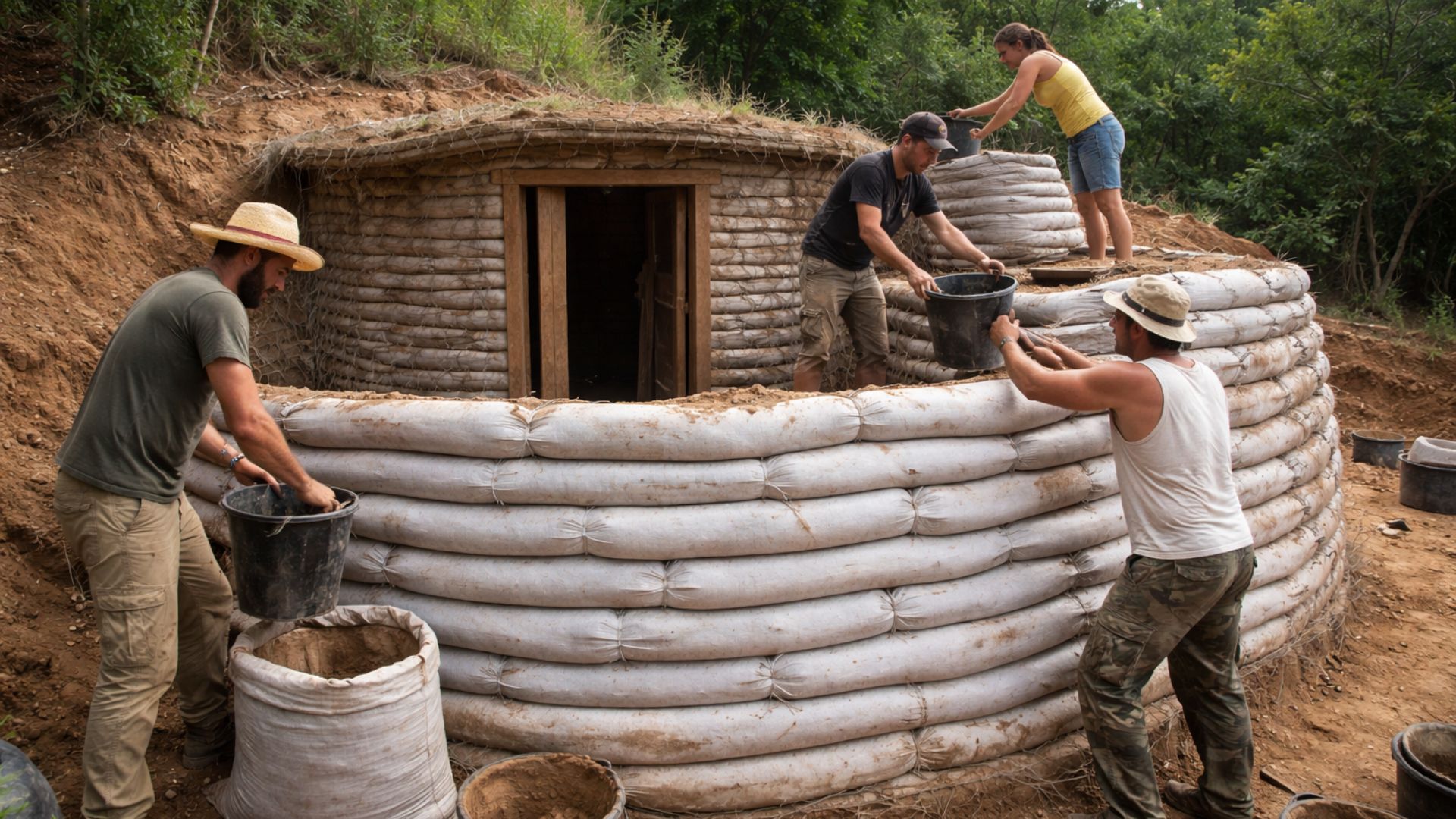


Unconventional Construction in São Bento do Sul Combines Technique with Compacted Earth, Green Roof, Underground Space for Food Preservation, and Self-Sufficiency Proposal in a Property That Draws Attention for the Use of Simple Materials in an Unconventional Structure.
A construction made with used bags for storing potatoes and onions, filled with compacted earth, draws attention in São Bento do Sul, in the North of Santa Catarina, for combining low-impact solutions and a self-sufficiency proposal.
On the same property, the resident Sandro Gilberto Jankoski also maintains an underground bunker intended for storage of food, seeds, and shelter in extreme situations.
The structure was presented in a report published by the ND Mais portal this Saturday, March 7, 2026.
-
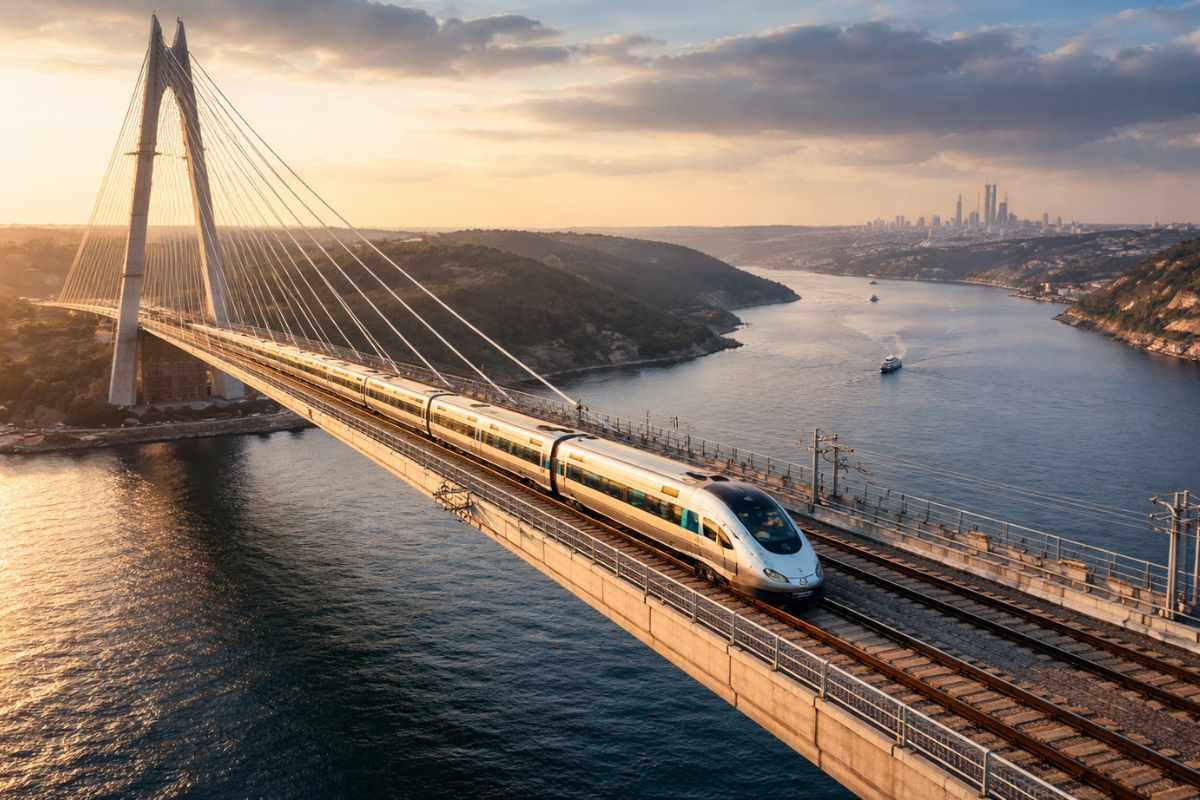
Between tunnels, bridges, and billions in investment, Istanbul is preparing to receive a 125-kilometer railway that crosses continents, enhances the circulation of goods and passengers, and changes the strategic outlook of Turkish transportation.
-
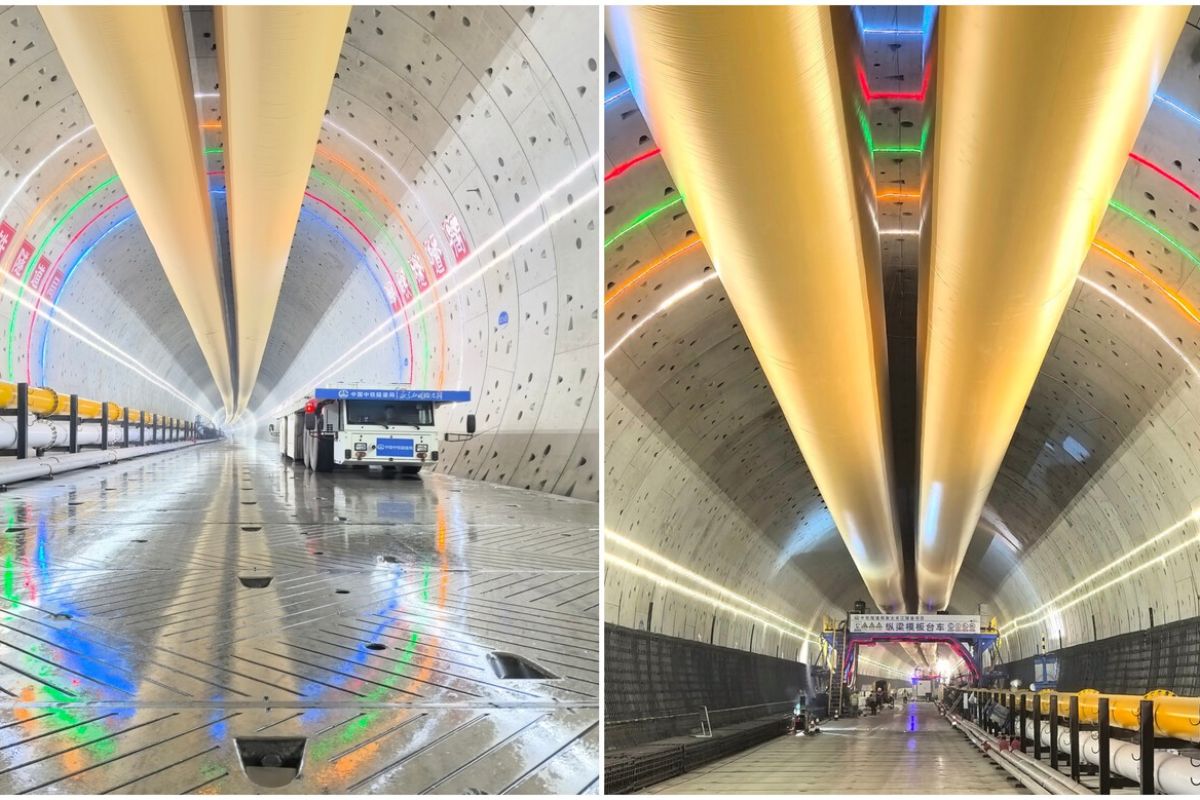
China completes the most critical section under the Yangtze River with the intelligent tunneling machine Linghang, excavating 11.32 continuous kilometers at depths of up to 89 meters and transforming the Chongming-Taicang tunnel into a landmark that redefines the scale of high-speed rail engineering in the 21st century.
-
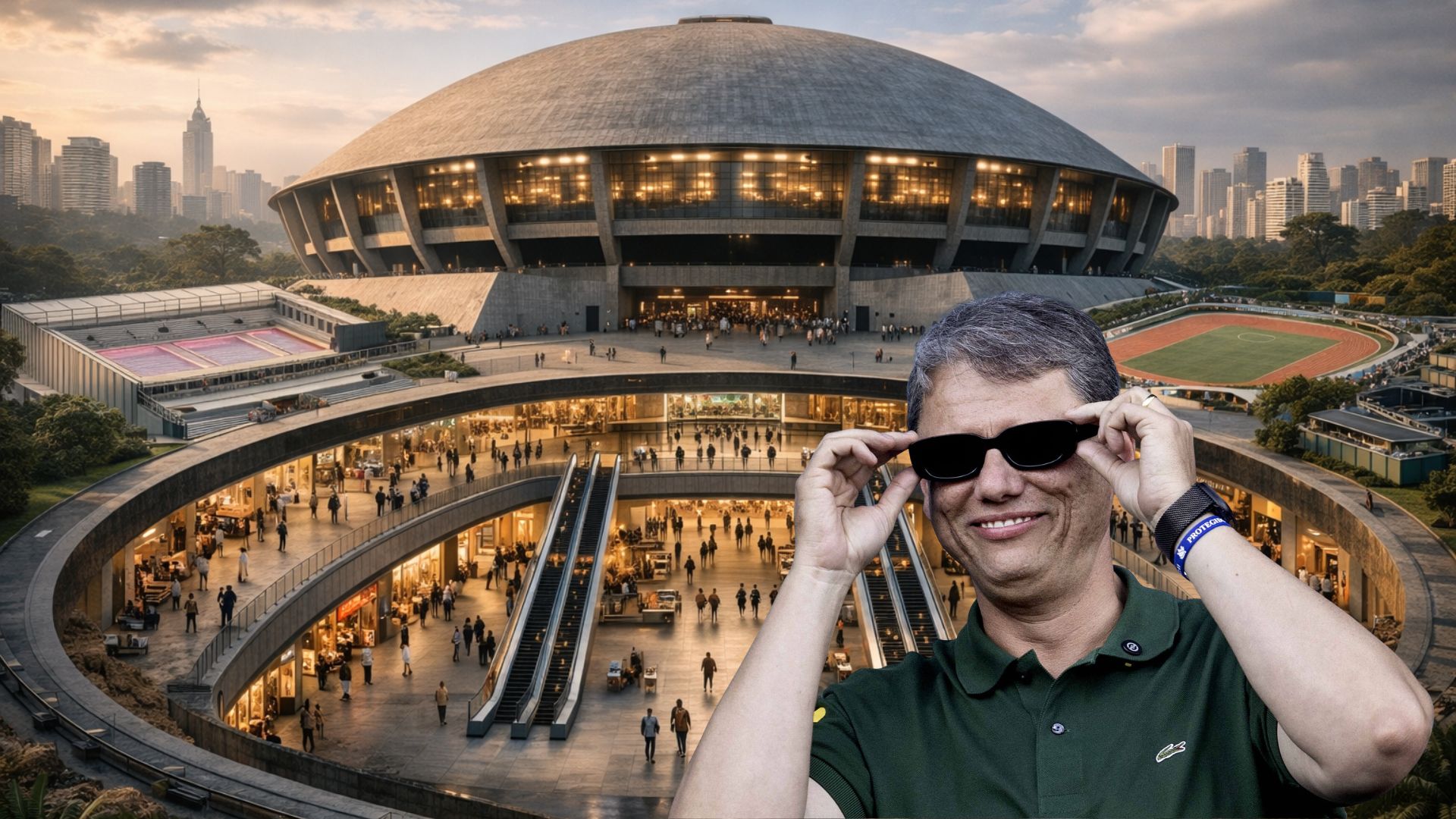
The government of São Paulo surprises South America with a plan to transform the famous Ibirapuera with underground shops, air conditioning, and a 25-year concession in a billion-dollar project that expands the audience, alters a protected area, and provokes an immediate reaction.
-
With a lifespan of up to 60 years and a cost up to 30% higher than conventional concrete, self-healing concrete is already being used in Brazil to eliminate leaks, reduce maintenance, and is changing the real cost of construction projects.
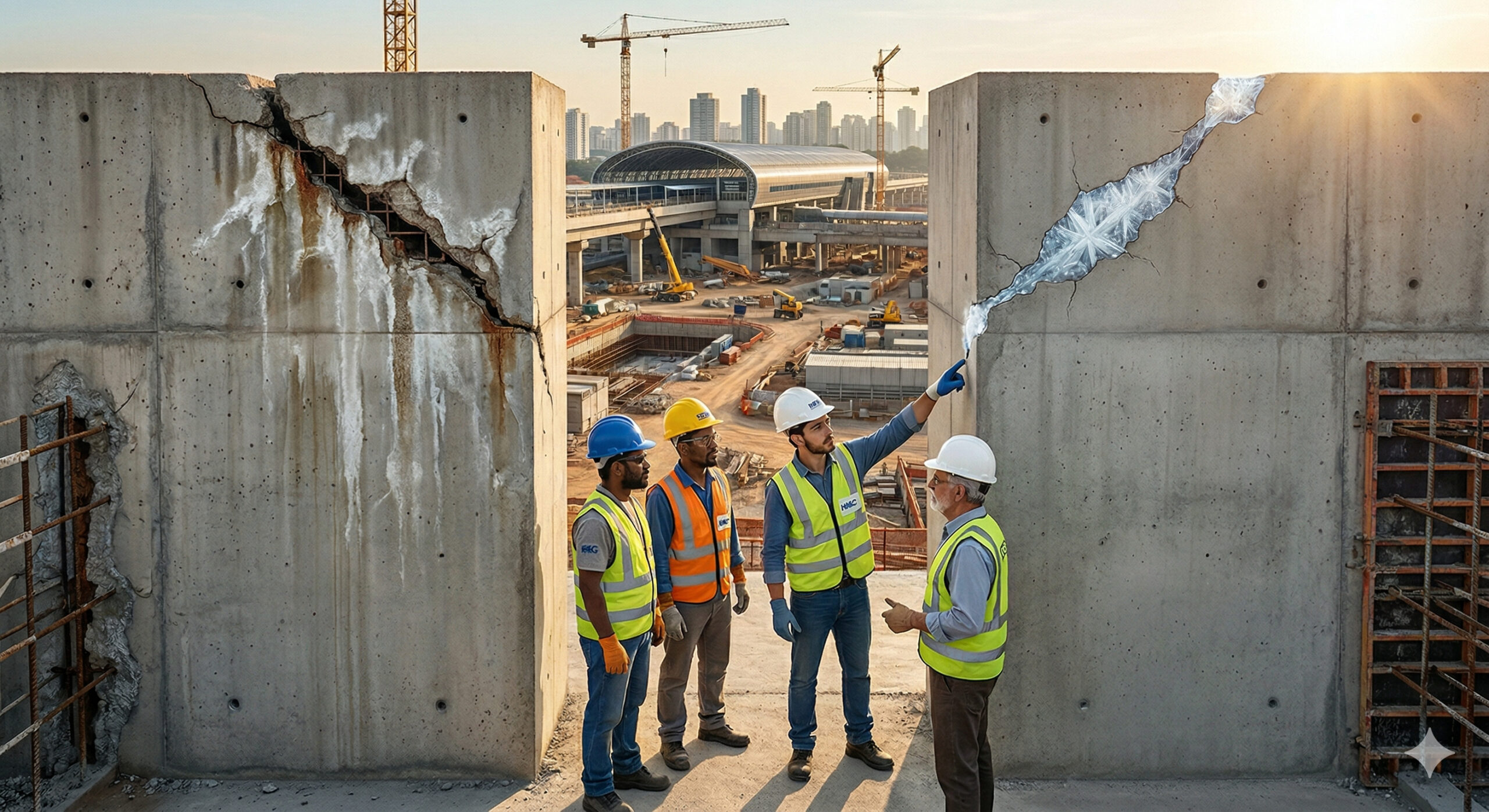
Superadobe House in São Bento do Sul
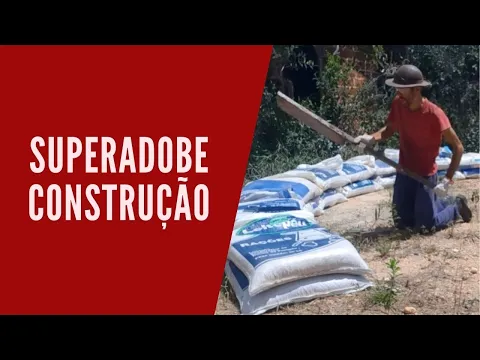
According to Sandro, the house was built using the superadobe technique, a construction system that utilizes long tubes made of material similar to that of the potato and onion bags, filled with earth and arranged in successive layers.
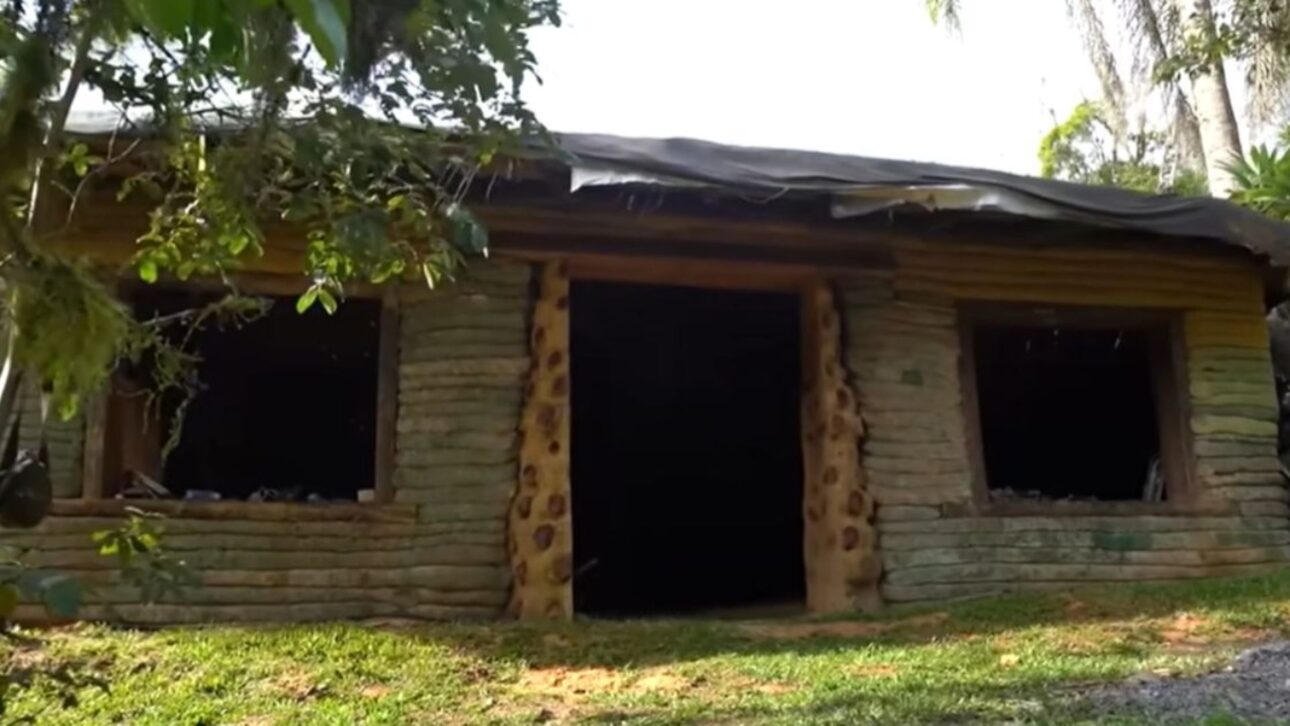
He stated that these rolls can reach about 400 meters and that, in the construction, the sections were used in parts of approximately 15 meters, always shaped and compacted to form rigid plates.
According to the account, the walls are about 25 centimeters thick before compaction and gain strength as the material is packed.
Between each layer, the builder applied barbed wire to reduce the risk of sliding and increase the stability of the structure.
Compacted Earth and Construction Done Almost Alone
The earth used for filling came from the very area where the construction was placed.
This reduced the need for material transport and integrated the work into the terrain’s relief, a characteristic that Sandro summarizes with a direct comparison: “It’s like a 3D printer, but manual.”
The phrase helps to understand the repetitive nature of the process, done layer by layer, without relying on conventional blocks or large volumes of concrete.
The execution took about one year and, according to him, was carried out almost entirely individually.
The resident reported that the initial stage was easier, but the work became heavier as the construction rose and required the manual transport of buckets of material.
“In my case, I practically built it myself,” he said, describing the routine of filling containers, climbing stairs, and pouring earth repeatedly.
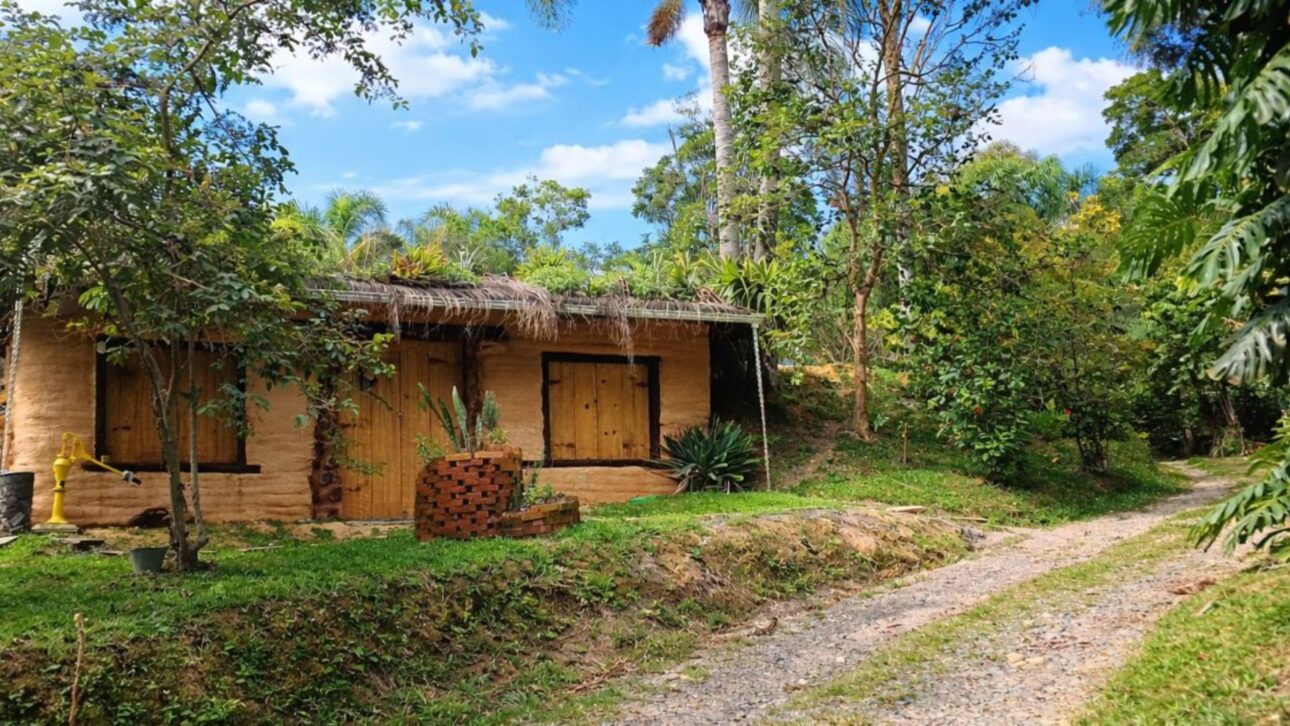
The choice for this type of structure was also linked to thermal performance.
Since the house is primarily made of compacted earth, the interior tends to have less temperature variation throughout the day, according to the owner.
Describing this sensation, Sandro stated: “If it’s hot outside, it stays cool inside. If it’s cold, it stays warm inside,” attributing to the structure a kind of natural breathing of the environment.
Slope, Drainage, and Green Roof
Part of the construction was embedded in a slope, a solution that, in addition to helping with support, also contributed to thermal insulation.
To tackle humidity, the project received drainage and protective layers.
Sandro said that a reinforced tarpaulin was installed to prevent water from entering the interior, a measure considered essential in partially buried structures.
On the roof, the work received a green roof, composed of earth and vegetation in formation.
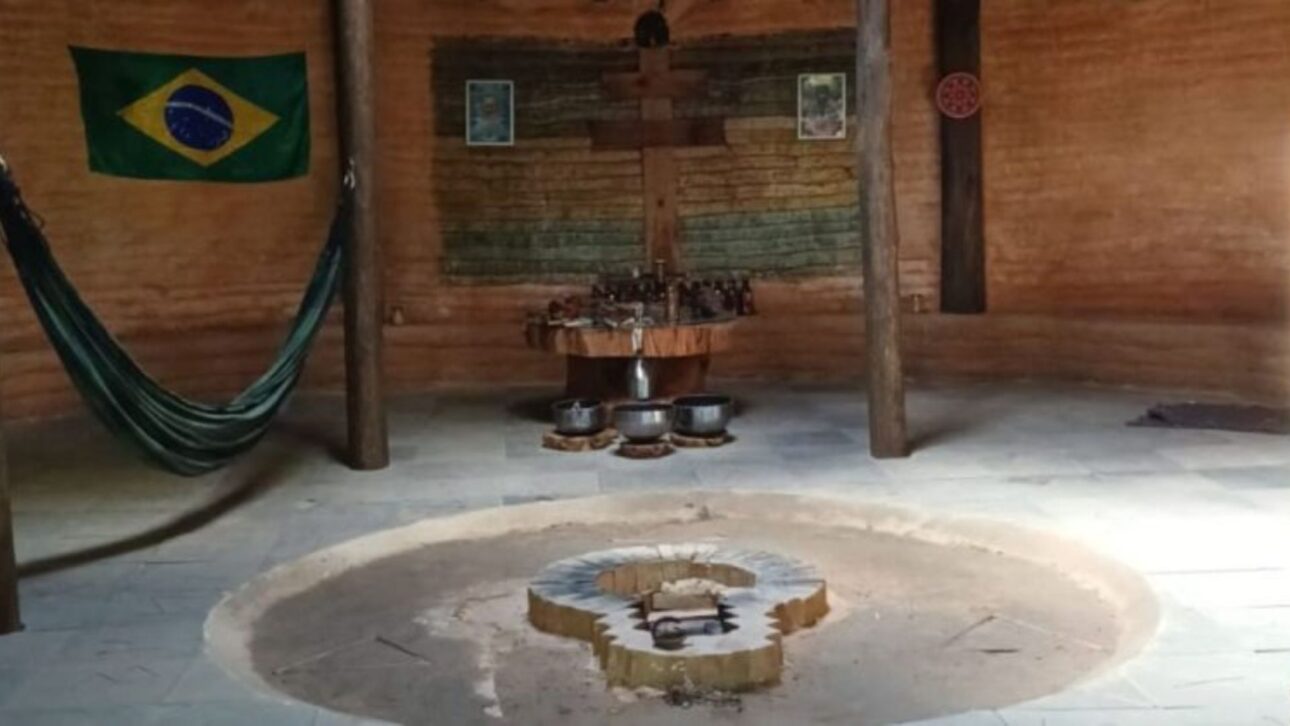
The resident reported planting vines and growing grass on the upper part, as well as using tarpaulins and other materials to reinforce the barrier against infiltrations.
The whole structure enhances the insulation and reinforces the organic aspect of the construction, which deviates from the standard of conventional homes seen in the region.
Sandro also noted that buildings of this type are often constructed collectively in alternative communities, which can reduce costs and share the heavy stages of the process.
In his case, however, the experience had a strong artisanal component, marked by the adaptation of the terrain, the reuse of materials, and a work pace driven almost entirely by his own effort.
Space Hosts Meetings Related to Ayahuasca
Although the structure has the appearance of a dwelling, it does not function as a residence.
Currently, the space is used for spiritual meetings related to ayahuasca, according to the owner.
The idea, according to him, arose after conversations with members of the group Medicinas da Floresta, when he began to envision a space that could accommodate this type of activity within the property.
Recalling the origin of the project, Sandro said he asked the group’s leaders whether a surface building or an underground oca would be the best option.
As he did not receive feedback in the following weeks, he decided to start the construction on his own.
The episode, narrated by the resident, helps to situate the construction within a broader personal project, linked to autonomy and collective uses of the space.
Underground Bunker Preserves Food for Years

Besides the superadobe house, the property houses an underground structure described by Sandro as a “survival cell”.
The space was assembled from a buried container and has primarily been used for storing food and seeds.
Due to its low light condition and more stable temperature, the location is seen by him as suitable for prolonged preservation.
In one of the examples mentioned in the report, the resident stated that he recently consumed rice that had been stored since 2011.
“Down there, the temperature is quite pleasant, cool, and dark. This helps preserve food for much longer,” he declared.
The bunker, according to him, could also serve as shelter during severe weather events, such as tornadoes, although it wasn’t designed as a hideout from urban violence.
Self-Sufficiency Project Gathers Seeds and Food
The entire project’s reading goes through this logic of preparation and independence.
In the same area, Sandro maintains storage of seeds, food, and other solutions aimed at self-sufficiency, integrating the compacted earth house and the bunker into a lifestyle that seeks to reduce external dependencies and increase response capacity in adverse scenarios.
Instead of relying on traditional materials, he transformed common packaging from the countryside into a central part of an unusual construction experience in Northern Santa Catarina.





desde hace aproximadamente 15 años en Samalayuca, chih. México…se hacen las casas con este sistema ..se les conoce como ,CASAS ECOLOGICAS…hay distintos diseños algunas von ventanas en virculos u Fomos en rl techo con su puerta en arco y otras mas convencionales son muy frescas no necesitan aires acondicionados ni refrigeraciones, con un abanico que tienen en el techo es suficiente, ademas su misma estructura la aisla del ruido…y son economicas a comparacion del todo el material wue tendrias que comprar para hacer una casa de ladrillo p block ,