





 Portuguese
  English
  Spanish
  5 min of reading
  0 comments


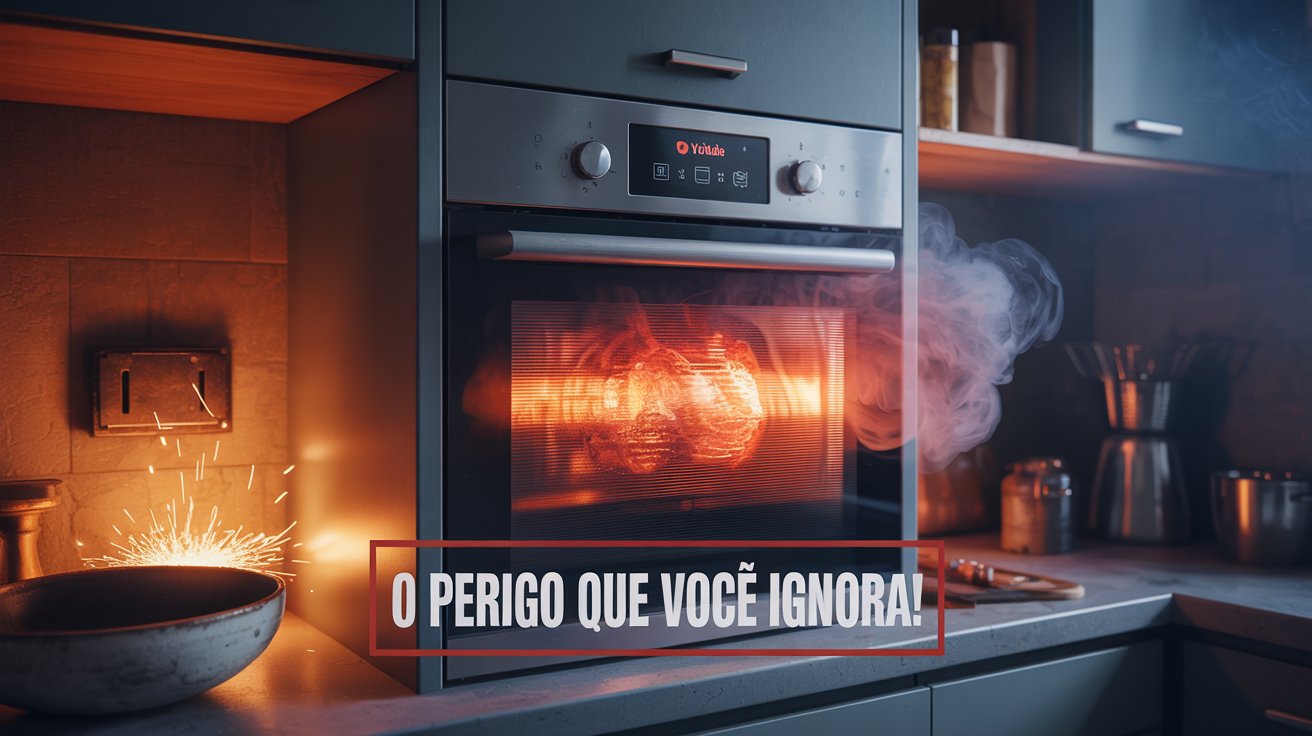
The Increase in Electricity Use During Cold Weather Also Raises the Risk of Household Accidents. Among the Most Dangerous Appliances is the Electric Oven, Which Can Cause Fires if Not Used and Turned Off Correctly.
The cold period increases electricity use in homes, and along with it, the risk of incidents grows.
Among the appliances that require more attention is the electric oven, which, if left on or energized unnecessarily, can ignite a fire.
The safety guideline is clear: when leaving home, the appliance must be turned off and, when possible, unplugged.
-
Sleeping at different times each day can be a bomb for your heart and even double your risk of having a heart attack.

-
Without help and without heavy machinery, a woman builds a house from scratch with stone, wood, and cement, erects a chimney, creates a complete leisure area, and transforms an empty lot into her dream home.

-
Couple transforms abandoned house after years of being closed; residence was overgrown with weeds, had a green pool, and a deteriorated structure in the interior of Rio de Janeiro.

-
Hidden marks on the walls of the site associated with the Last Supper of Jesus for centuries have been deciphered in Jerusalem, revealing medieval inscriptions left by pilgrims, European nobles, and travelers from the Middle East.


Greater Risk in Cold Weather and at Peak Times
In the cold months, various loads operate simultaneously. Heaters, heated blankets, and other household appliances put pressure on the electrical system.
In this condition, any failure or poor contact finds a favorable scenario for short circuits.
If the oven remains energized, even without use, the chance of a sudden spark in old outlets, loose adapters, or overheated power strips increases.
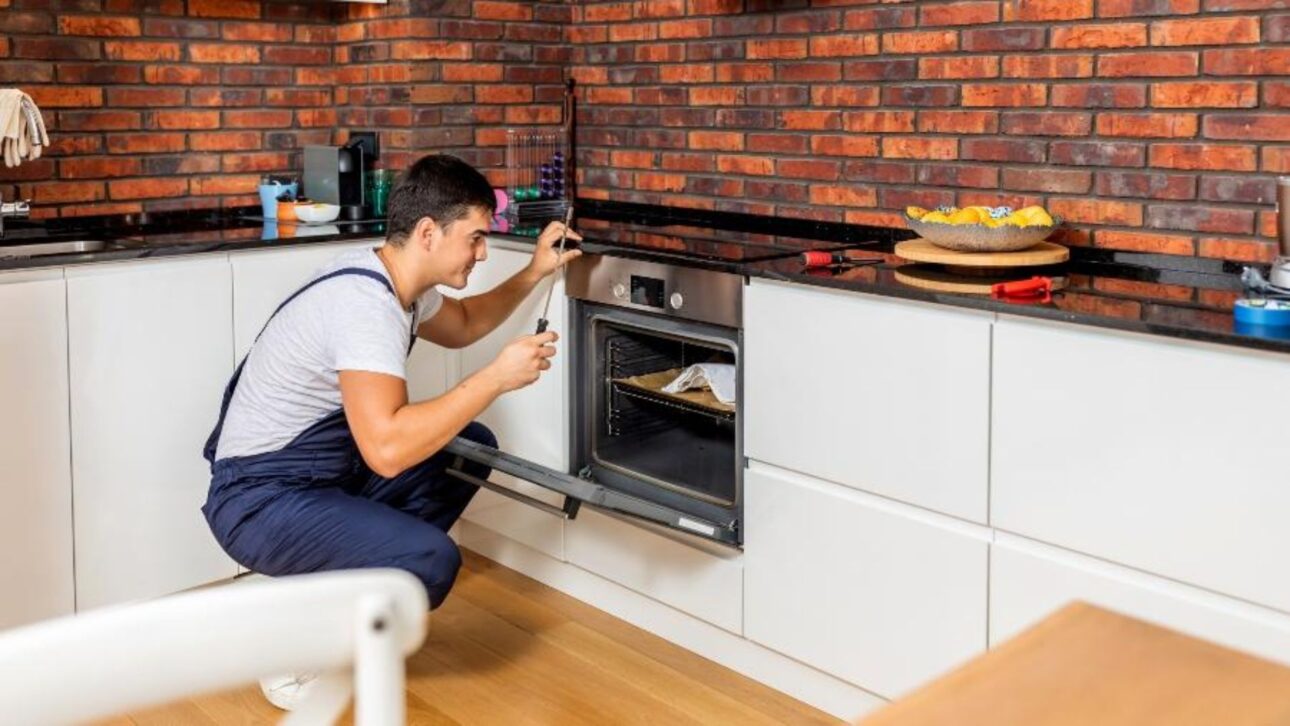
In addition to the simultaneity of appliances, the very nature of the oven intensifies the need for caution. It is a high-power equipment that generates heat.
In kitchens with poor ventilation or proximity to combustible materials, a simple failure tends to have quicker effects.
How the Oven Becomes an Ignition Point
Improper use is at the center of many problems. Leaving the oven on for “extra heating” of the environment contradicts the design of the appliance and exposes the home to prolonged temperatures.
Without supervision, accumulated heat can damage internal components and ignite residues.
There are also temperature control failures. In poorly maintained appliances, thermostats may operate outside the ideal range.
If the part does not stop heating when it should, the overheated internal chamber reaches accumulated fat, crumbs, or forgotten packaging. In seconds, what seemed harmless turns into fuel.
Cleaning and Maintenance Prevent the Risk from Escalating
Simple residues have the potential to fuel flames. Splattered grease, food scraps, and pieces of paper absorb heat and ignite easily when the heating elements are working at their limits.
Keeping the interior clean is not just hygiene; it is an essential safety measure. After use, waiting for it to cool down and removing dirt reduces the chance of ignition in subsequent heating.
Periodic maintenance also makes a difference. Worn cables, loose plugs, heated outlets, and burnt odors indicate that something is wrong.
In old or overloaded installations, having a qualified professional inspect the circuit breakers, grounding, and integrity of the circuits is recommended.
Before Leaving: Simple Checks That Prevent Loss
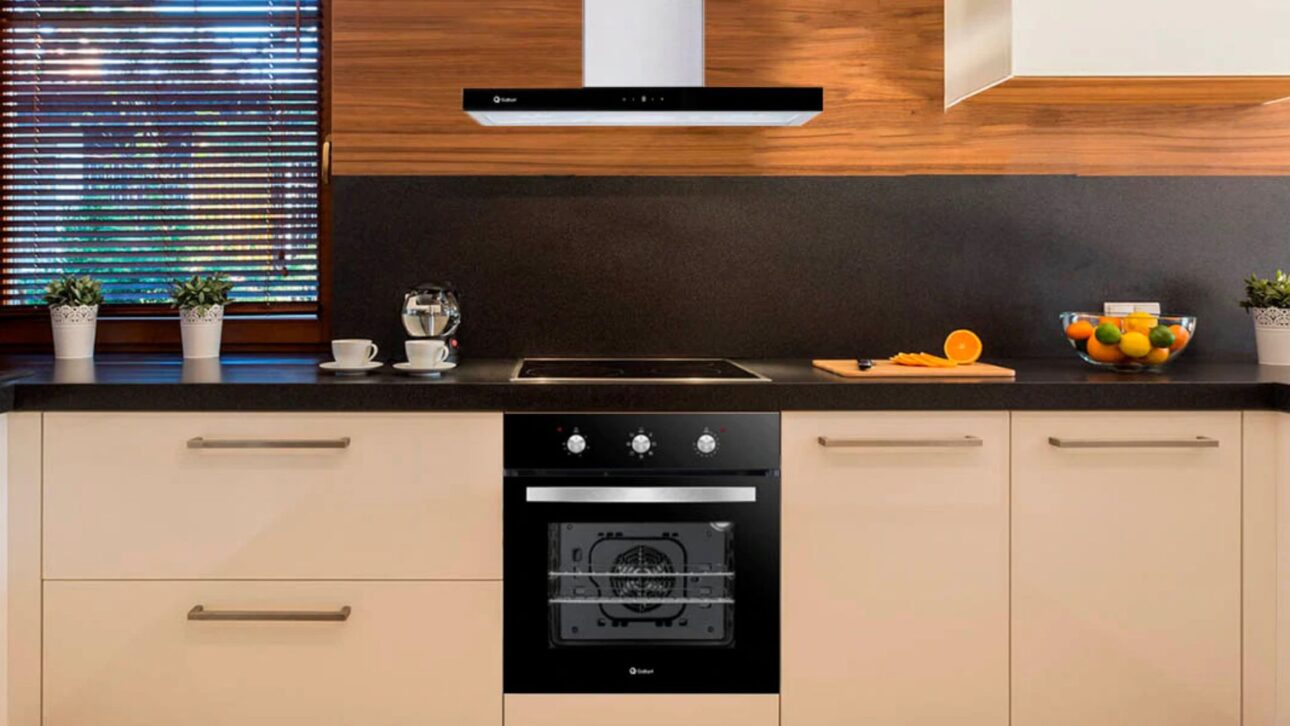
When leaving the residence, the check should be quick and objective. The oven needs to be turned off at the controls and with no active cycle.
For portable or countertop models, unplugging it stops the power supply and eliminates the possibility of accidental activation.
For built-in models, the guideline is to ensure it is turned off at the panel and avoid timers that keep heating without presence on-site.
It is also wise to keep combustible objects away. Cloths, papers, packaging, and plastic utensils should not be left on the appliance or inside the oven.
If any material is forgotten inside, the residual heat may be enough to start smoke.
Why Old Installations Require Extra Attention
Homes with old wiring, improvised joints, or no preventive maintenance are more vulnerable to shorts and abnormal heating.
Loose outlets can produce sparks, burn contacts, and heat the plug. In such scenarios, keeping the oven energized unnecessarily increases the risk, even with the switch in the off position.
Another warning sign is the temperature of the plug and outlet during use. Heat noticeable to the touch indicates a bad connection or undersized circuit.
If you identify this behavior, the safe course of action is to stop use and seek technical assistance.
Good Practices That Combine Safety and Savings
Adopting simple routines protects the home and reduces costs. Unplugging the oven when not in use eliminates so-called phantom consumption, that energy waste that occurs with the appliance on standby.
Although the impact varies depending on the model, the savings accumulate over time and come with an important gain: the reduction of energized points unnecessarily.
Another precaution is to respect the intended purpose. The oven was designed for cooking, not for heating spaces.
Using it outside this specification increases exposure to prolonged temperatures, which accelerates wear on components and favors failures.

Constant Supervision During Operation
While the oven is operating, the recommendation is to not leave the area for extended periods.
Supervision allows you to act at the first sign of anomalies, such as smoke, burnt smells, unusual noises, or temperature fluctuations.
If something deviates from the norm, the immediate step is to turn it off, keep the door closed to deprive the fire of oxygen, and seek technical support after cooling.
Preventive procedures also include reading the manufacturer’s manual, respecting preheating times, using appropriate containers for the oven, and avoiding clutter on the bottom and shelves.
The combination of these measures reduces thermal stress and preserves the integrity of the appliance.
Not Recommended: Improvised Adapters and Extensions
Whenever possible, the oven should operate on a dedicated outlet, with a compatible standard and a firm connection.
Multiple adapters, power strips, and improvised extensions create points of electrical resistance and overheating.
In small kitchens, where space is contested by various appliances, the temptation to share the outlet is great. Still, this practice increases the likelihood of overload.
If in doubt about the capacity of the internal network, an electrician can assess the need for adjustments and suggest appropriate solutions for the household’s usage profile.
Essential When Leaving Home
The central message remains unchanged and a priority. In the leaving routine, the electric oven must not remain operational or energized.
Turning it off and, when applicable, unplugging it reduces the risk of fire and contributes to a more conscientious electricity bill.
These are simple yet effective decisions that protect people and property during absences.
What other precautions are commonly taken in your home to reduce the risk of fires during winter?








-

-

-

-

-

-

25 pessoas reagiram a isso.