





 Portuguese
  English
  Spanish
  3 min of reading
  0 comments


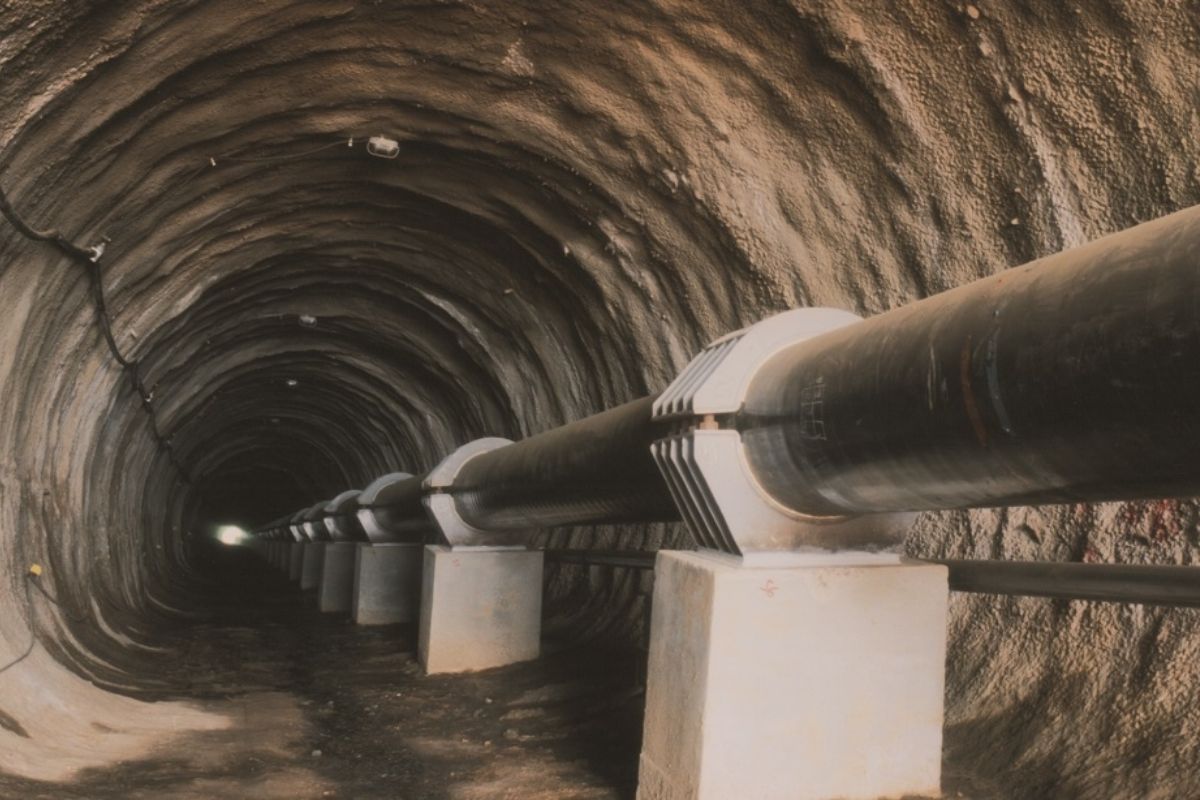
Operated by Anglo American, the Largest Pipeline in Brazil Connects Minas Gerais to Rio de Janeiro, but Its History is Marked by Billion-Dollar Costs, Accidents, and Socio-Environmental Conflicts.
According to a technical analysis report on the country’s industrial infrastructure, the title of Largest Pipeline in Brazil belongs to the Minas-Rio System. Operated by multinational Anglo American, this complex “mine to port” system is one of the most ambitious engineering works in the country, but also one of the most controversial. Its backbone is a 529-kilometer underground pipeline that transports iron ore slurry, crossing 33 municipalities.
The project’s trajectory, from its conception to operation, is marked by duality. On one hand, it is an engineering feat representing a vital export corridor and an economic engine for the region. On the other, its legacy is inseparable from a dramatic escalation in costs, severe environmental incidents, and deep social conflicts with communities along its route.
The Engineering of a Giant: How the 529 km Pipeline Works?

The Largest Pipeline in Brazil was designed by the engineering company Ausenco to be a high-efficiency logistics solution. The structure is an underground carbon steel pipeline, with diameters ranging from 24 to 26 inches, extending from Anglo American’s mine in Conceição do Mato Dentro (MG) to the company’s port terminal at the Port of Açu, in São João da Barra (RJ).
-
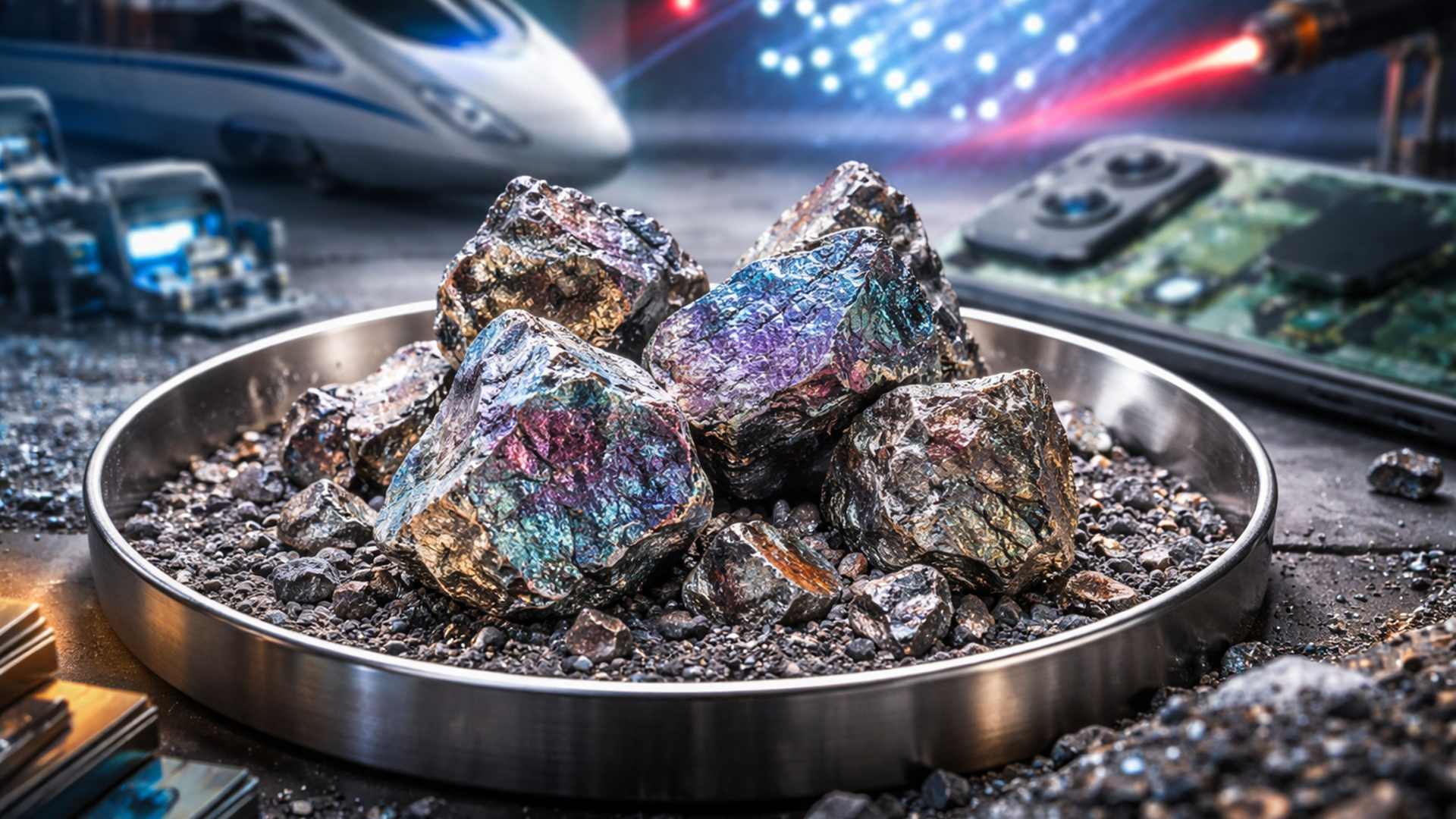
Rare earths are in everything, from cell phones to bullet trains, and what almost no one realizes is why they have become the target of such a delicate global war.
-
Brazil extracts 26.3 million tons of ore from what was previously treated as waste, transforming residues into wealth, producing over 3 million tons of sand, and demonstrating how national mining is relearning to generate value.

-
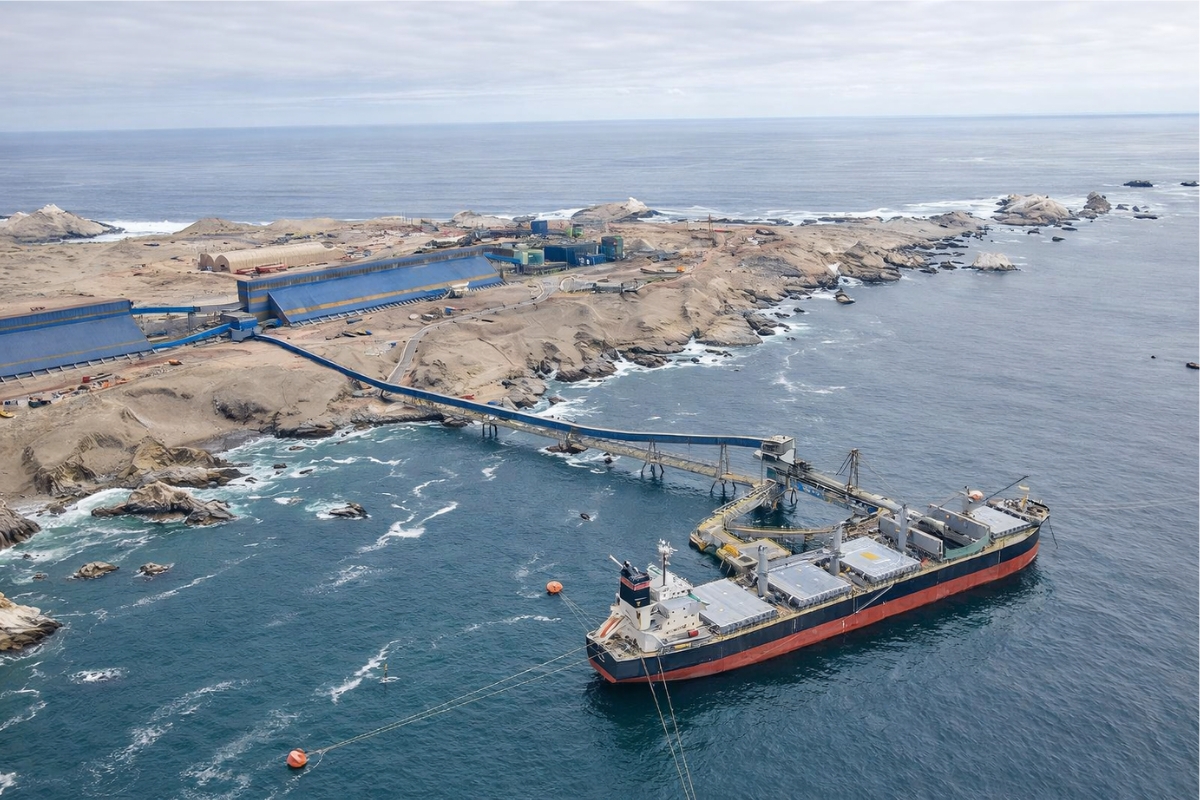
A $3.5 billion megaproject in Latin America pumps desalinated seawater at 1,050 liters per second over 194 km to keep a copper supermine in the Andes operational for another 20 years.
-
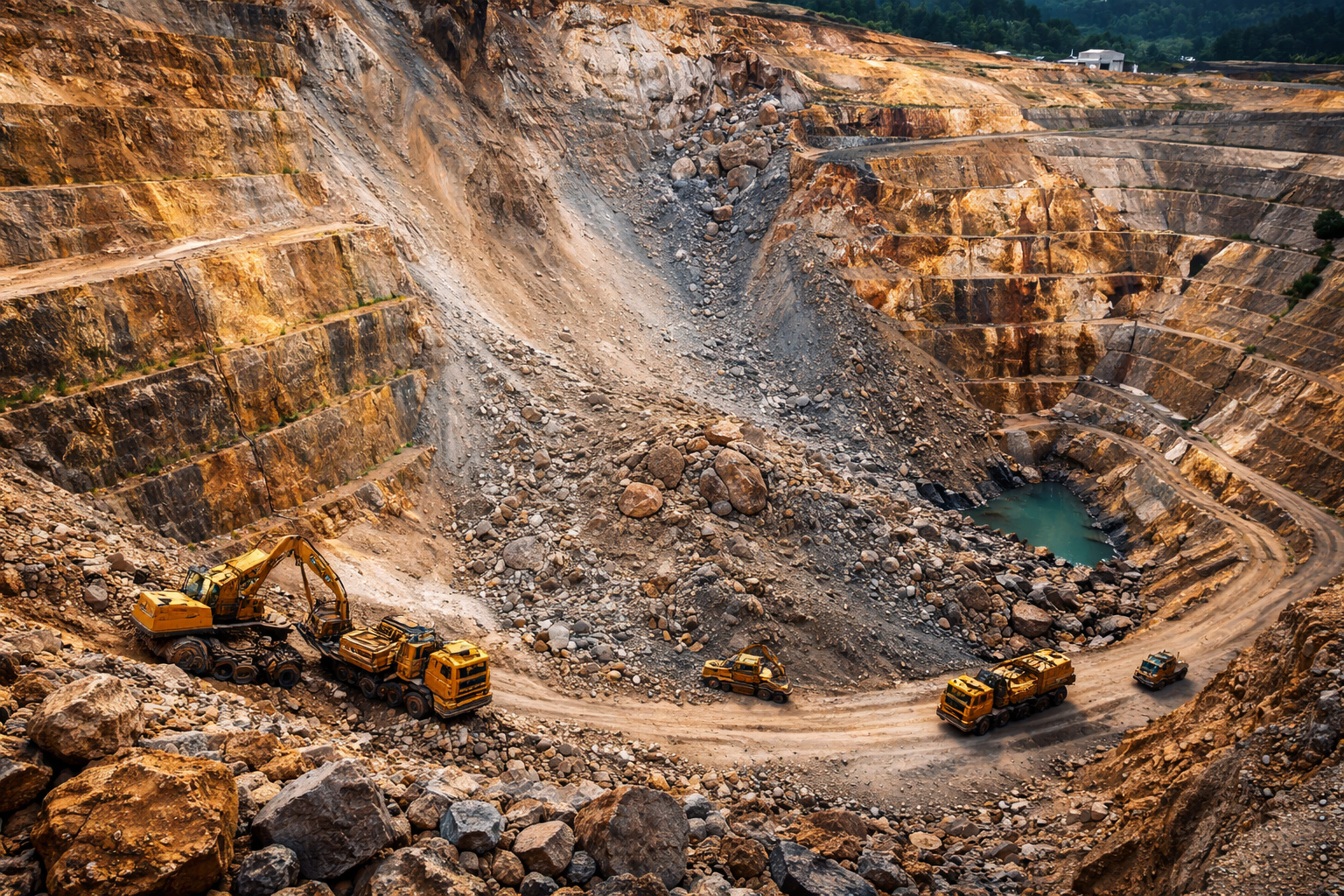
A hidden mine in the Andes valued at nearly R$ 1 trillion is starting to attract global attention, containing copper, gold, and silver, and raises an intriguing question: why do Argentina and Chile need to act together to exploit this gigantic wealth?

The system does not operate by gravity. The ore, mixed with water to form a slurry, is propelled by two large pumping stations located in Minas Gerais. The full journey of the ore slurry through the 529 km pipeline takes about 92 hours. With a nominal transport capacity of 26.5 million tons per year, the pipeline replaces the need for thousands of truck trips, being considered, in terms of emissions, a cleaner mode than road and rail alternatives.
From Eike Batista to Anglo American
The project was conceived in 2004 by MMX, a company from the EBX Group, owned by Brazilian entrepreneur Eike Batista. The initial cost estimate was approximately US$ 2 billion, with operations scheduled to begin in 2009.
In 2008, Anglo American acquired the project, but soon faced the real complexity of the work. The company inherited a labyrinth of challenges, including the difficulty of obtaining land releases from over 1,500 landowners and a complex environmental licensing process. The result was an explosion in costs. By the time the first shipment of ore finally occurred in late 2014, the total investment, including the acquisition, had already exceeded US$ 14 billion (around R$ 30 billion at the time), nearly seven times the original amount.
The 2018 Crisis: The Breakages that Paralyzed the System
Despite the sophisticated engineering, the risk of operation materialized in March 2018. In a span of just 17 days, the Largest Pipeline in Brazil suffered two breakages in the same area, in the municipality of Santo Antônio do Grama (MG).
The first leak, on March 12, spilled about 300 tons of ore slurry into the Ribeirão Santo Antônio do Grama, interrupting the city’s water supply. The second, on March 29, was even larger, with 647 tons spilled.
Expansion and Sustainability

After the 2018 crisis, Anglo American has focused on mitigating risks and ensuring the project’s longevity. The company initiated a R$ 5 billion investment in a new tailings filtering plant that will allow for the dehydration and dry stacking of most of the material, reducing dependence on the dam and enabling water reuse.
In 2024, the company formed a strategic partnership with Vale, which transferred ownership of the Serpentina iron ore deposit, adjacent to the Minas-Rio area. The agreement, which gave Vale a 15% stake in the project, has the potential to more than double the operation’s lifespan, solidifying the Largest Pipeline in Brazil as a long-lasting asset in the global landscape.









-

-

4 pessoas reagiram a isso.