





 Portuguese
  English
  Spanish
  5 min of reading
  0 comments


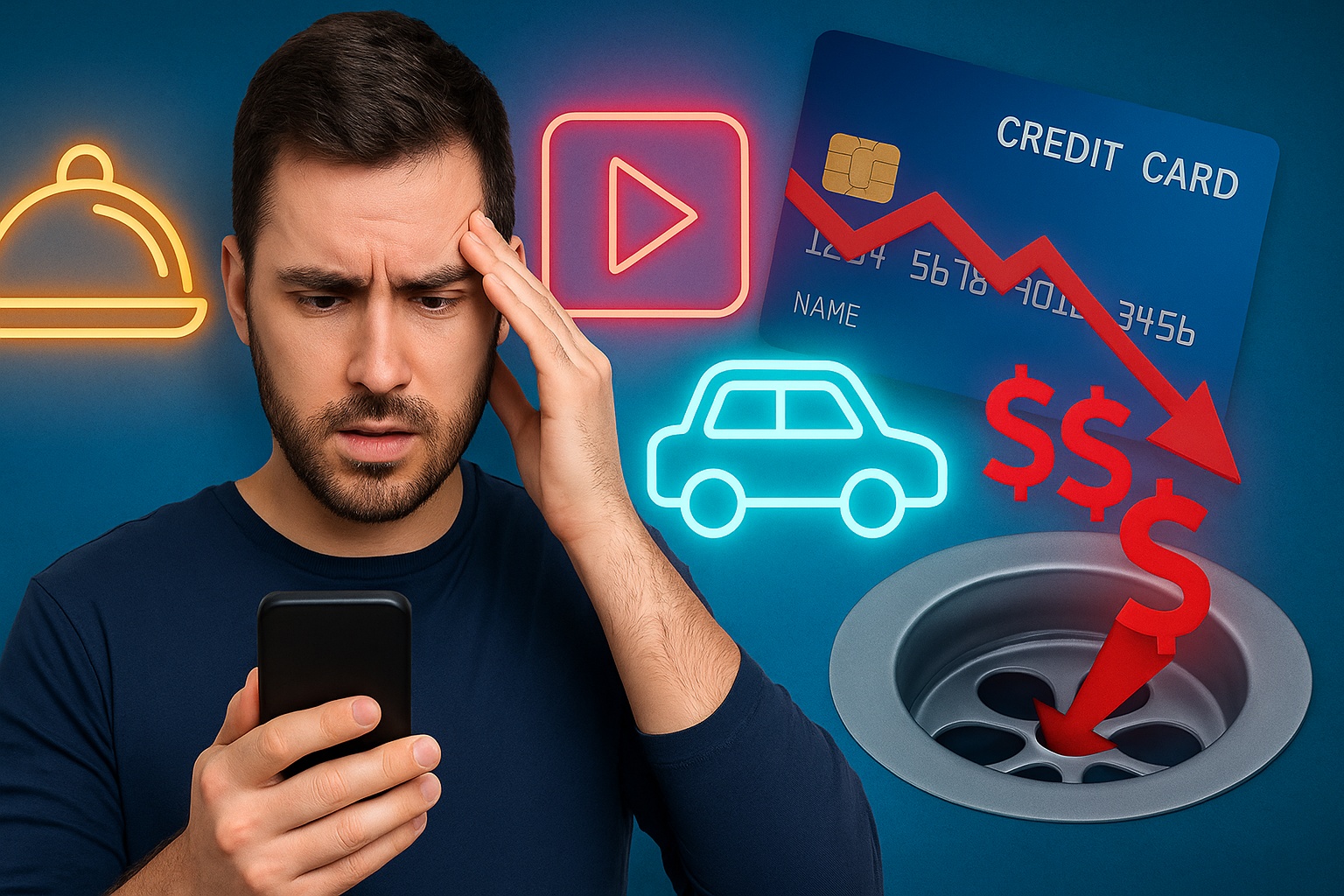
Understand How Small Expenses with Delivery, Streaming, and App-Based Car Services Can Accumulate and Compromise Your Budget. Learn to Identify and Control Invisible Expenses Before They Become a Financial Trap
Digital conveniences like delivery, ride-hailing apps, and streaming services that seem harmless can silently accumulate and significantly compromise the family budget. Brazilians spend around R$ 118 per month on streaming services, equivalent to 7.9% of the minimum wage, while the use of delivery and ride-hailing services reaches 76% of the population, with frequency ranging from two to five times a month.
Tracking each expense, reviewing subscriptions, and planning with discipline are crucial strategies to regain financial control and reduce the impact of these small but ongoing expenses on the budget.
What Are “Invisible Expenses”?


“Invisible expenses” are small, frequent, and almost imperceptible daily expenses—like delivery orders, streaming subscriptions, or ridesharing—that, when added up, become a considerable financial burden.
-
India announces a plan of $3.06 billion to bring aviation to forgotten regions: 100 new airports, $1.07 billion in subsidies, and regional routes guaranteed for 10 years, from 2026 to 2036, away from the centers.

-
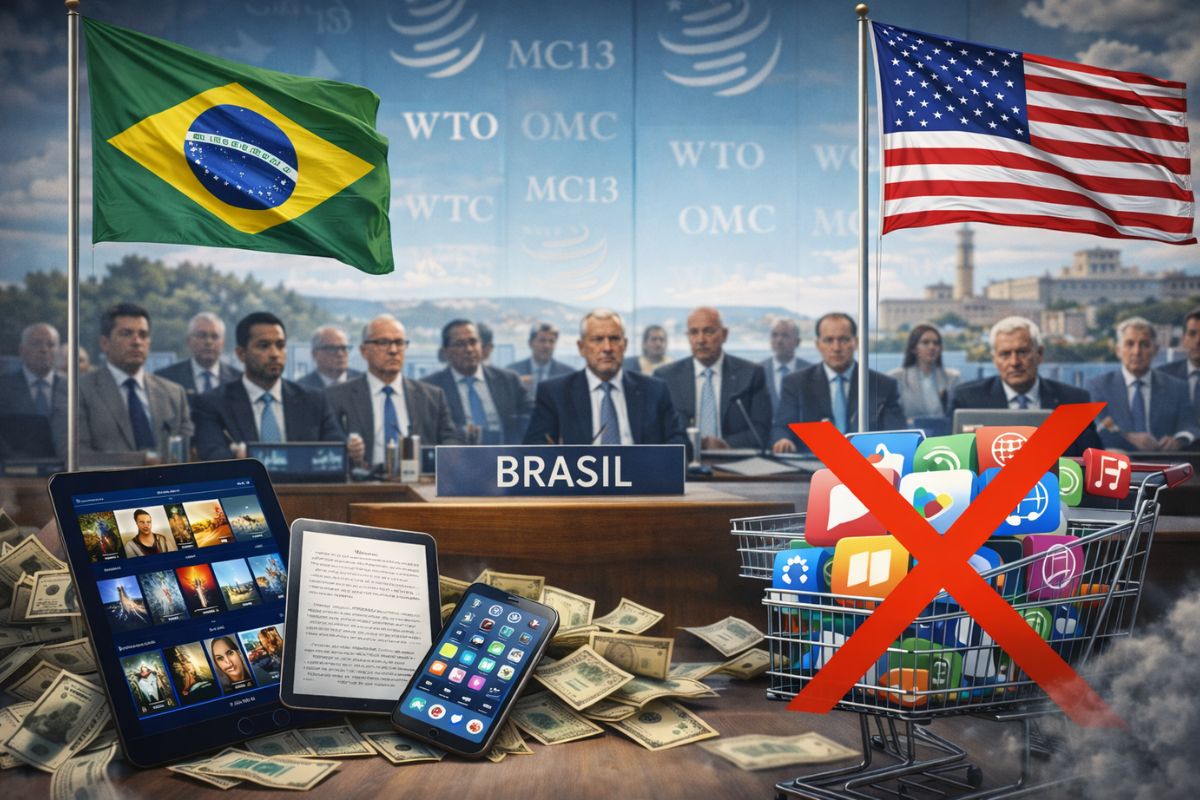
Brazil blocked a proposal from the United States at the WTO that would make the exemption from tariffs on digital products like streaming and ebooks permanent, favoring American tech giants at the expense of developing countries.
-
IPTU exemption for seniors in 2026: see how to secure the benefit.

-
The institute that trained the greatest aerospace engineers in Brazil has just opened its first campus outside São Paulo after 75 years: ITA Ceará will have R$ 445 million, new courses in energy and systems, and classes are expected to start in 2027.


In Brazil, those earning a minimum wage can spend 7% of their income solely on streaming, with an average of 3.8 subscriptions per person—almost double the average in the United States.
Recent Data Confirms the Relevance of the Topic:
- Delivery and Ride-Hailing Services: 76% of Brazilians use delivery, with frequency ranging from two to five times a month.
- Streaming: average spending of R$ 118 per month, equivalent to 7% of the income of those earning minimum wage.
- Ride-Hailing Apps: consumption can reach 10% of the monthly budget, with an average spending of R$ 119.
- Young Couples share up to 12.63% of their budget on delivery, transport, and streaming combined.
How Delivery, Streaming, and Ride-Hailing Services Impact the Budget
These conveniences are widely used and almost normative in urban daily life. However, comfort and convenience mask their financial impact.
- Delivery: includes ready meals and quick shopping via apps. The average ticket is significant— for example, R$ 73 among young couples.
- Streaming: multiple subscriptions, often underused. Automatic billing exacerbates the problem as users forget they are paying.
- Ride-Hailing: average cost of R$ 119 per month, potentially representing 10% of the family budget.
Compared to other countries, Brazilians have a relatively higher expense: in the U.S., the average number of streaming subscriptions is 2 per person, while in Brazil it is 3.8, even with a lower average income. This highlights how these expenses can become expenses that turn into financial traps.
Financial Impacts of Invisible Expenses
The cumulative effect of these expenses is often underestimated. Small daily expenses, such as delivery orders or rides, can result in significant amounts by the end of the month.
Main Impacts:
- Debt Accumulation: frequent use of delivery and apps can lead to recurring use of overdraft or credit cards, generating high interest.
- Difficulties in Saving: each unplanned expense reduces the ability to build financial reserves or invest in secure applications.
- Financial Stress: the feeling of “money disappearing” affects planning and mental health.
- Compromised Planning: invisible expenses hinder the creation of financial goals, such as trips, courses, or purchasing durable goods.
Studies show that only 25% of Brazilians rigorously track small expenses, leaving the majority vulnerable to surprises at the end of the month.
Strategies to Control Invisible Expenses
Controlling small expenses requires discipline and practical tools. Some effective strategies include:
Conscious Planning
Organizing meals and commutes in advance reduces costs and avoids surprises. For example, bringing lunch to work can save over 50% compared to daily delivery use.
Detailed Expense Tracking
Recording each expense, even small ones, helps identify patterns and areas of waste. Finance apps or simple spreadsheets can be very effective.
Constant Bank Monitoring
Checking bank statements weekly helps avoid surprises from automatic charges or unexpected interest. Setting alerts for transactions can be useful to maintain discipline.
Review and Cancellation of Unnecessary Subscriptions
Regularly evaluating streaming services and canceling those that are rarely used can generate significant savings. A person with three active subscriptions but only using one can reduce expenses by up to 66%.
Avoiding Impulse Purchases
Simple tactics, like waiting a day or two before finalizing a purchase or avoiding grocery shopping when hungry, help reduce unnecessary spending. Additionally, making shopping lists and setting daily limits for delivery apps contributes to better control.
How Small Daily Choices Generate Large Invisible Expenses
Often, we do not realize that simple decisions in daily life, like ordering food via delivery, maintaining multiple streaming subscriptions, or frequently using a ride-hailing service, accumulate silently. These invisible expenses seem harmless but can compromise a significant part of the monthly budget.
Recording each expense, analyzing consumption patterns, and adjusting habits is essential to prevent small conveniences from becoming a financial trap. With attention and planning, it is possible to enjoy digital comfort without compromising financial health and even create space for savings and future investments.
The Importance of Understanding Expenses That Become Traps in the Budget
Recognizing invisible expenses is the first step to maintaining financial balance. Delivery, streaming, and ride-hailing services offer convenience, but if not monitored, they become traps that consume a significant portion of income.
Studies indicate that young couples can spend over 12% of their income on these conveniences without realizing it. This percentage directly impacts saving capacity, investments, and quality of life.
Moreover, small adjustments in consumption habits—such as reducing the frequency of orders, sharing subscriptions, or using public transport when possible—can generate relevant savings over the year, reinforcing the real impact of these invisible expenses on the family budget.
Delivery, streaming, and ride-hailing services, although convenient, represent expenses that turn into traps in the budget. Updated data shows that these costs can consume up to 12% of the income of young couples, while individual spending on streaming or ride-hailing apps reaches up to 10% of the monthly budget.
Recording expenses, planning consumption, and reviewing subscriptions are essential steps to regain financial control. With discipline, it is possible to maintain the benefits of digital conveniences without compromising budget health, transforming small savings into significant opportunities for stability and investment.
Continuous small adjustments, combined with conscious financial habits, ensure greater freedom to achieve dreams, invest in education, leisure, or assets. The focus is not on eliminating comfort but balancing it with financial responsibility.










Seja o primeiro a reagir!