





 Portuguese
  English
  Spanish
  4 min of reading
  0 comments


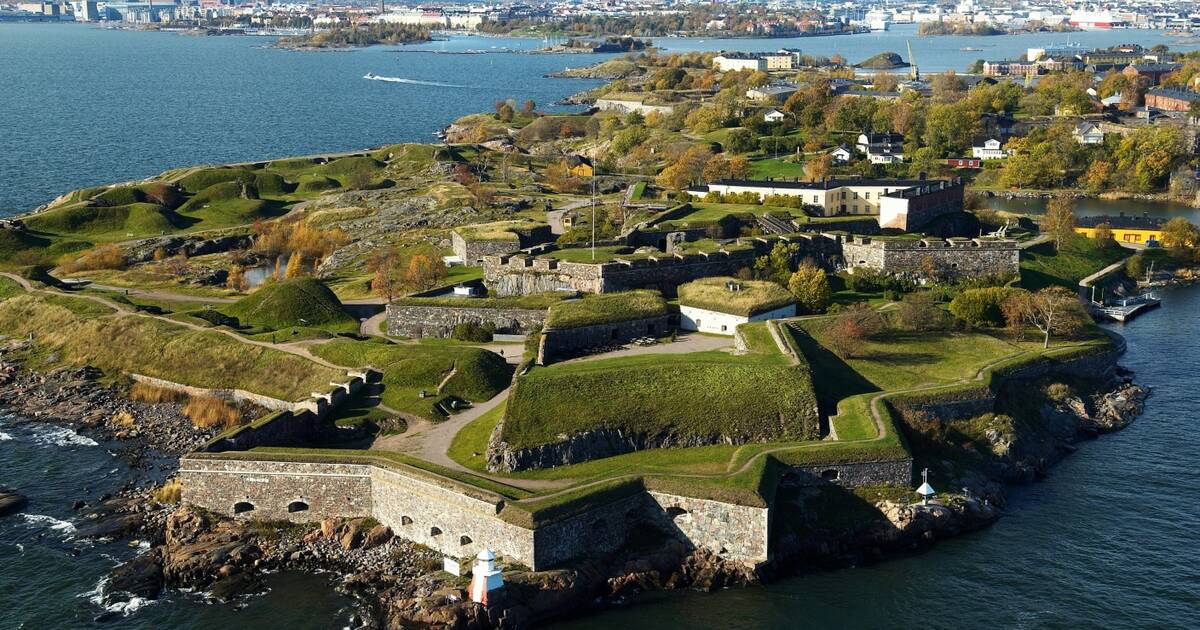
Built With Blocks Weighing Up To 20 Tons, The Fortress Of Suomenlinna Shaped Entire Islands With Stone Walls And Became A Military Colossus In The Baltic.
At the entrance of the port of Helsinki, Finland, there is a group of islands that, when seen today, seem like a natural part of the coastal landscape. But this appearance is deceiving. What you see is the result of one of the largest military engineering projects in stone ever carried out in Northern Europe. The Fortress of Suomenlinna was not built in a single location, but spread across six islands, all reinforced, excavated, and shaped with massive volumes of natural rock over the decades.
This is not an isolated castle, but rather a continuous defensive system that transformed an entire archipelago into permanent military infrastructure.
Blocks Weighing Up To 20 Tons Shaping Cyclopean Walls
The most impressive aspect of Suomenlinna is the construction method. The walls were built with stone blocks weighing up to 20 tons each, locally sourced and transported using pre-industrial techniques.
-
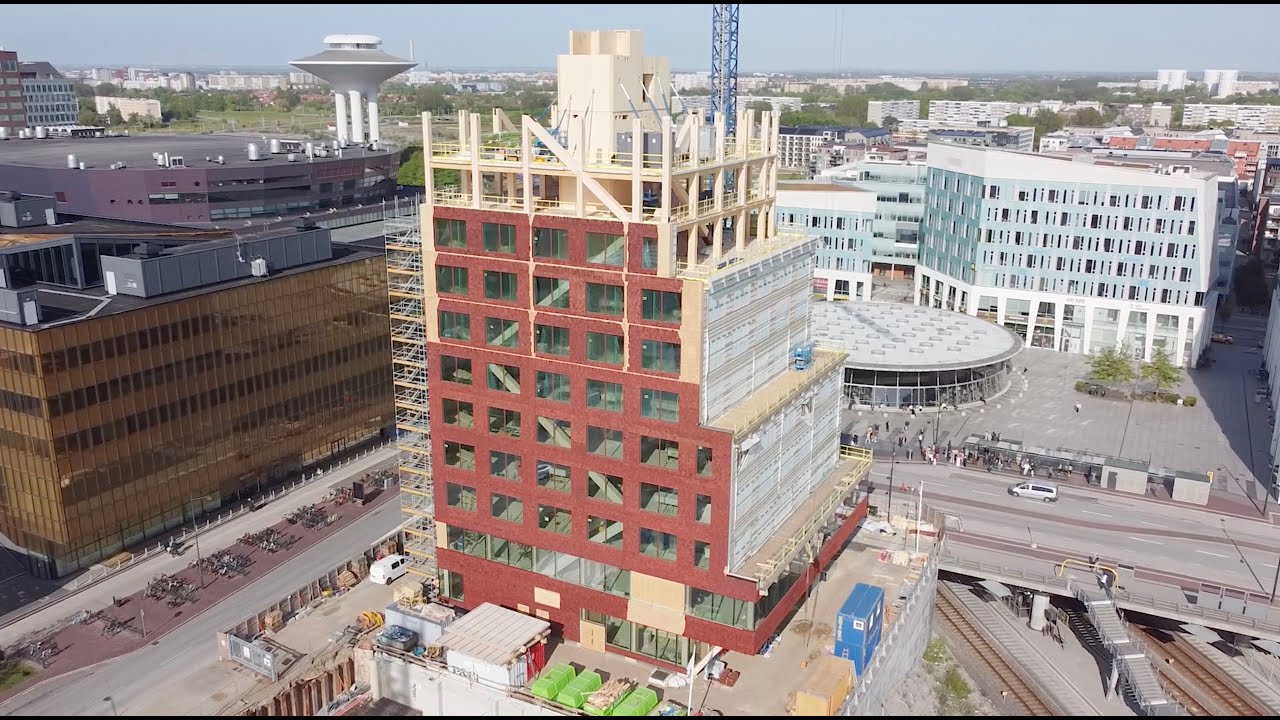
In Sweden, a 51-meter tower was built almost entirely of wood, without a concrete structural core and with solar panels integrated into the facade, using CLT and laminated beams to challenge the dominance of steel and concrete in modern buildings.
-
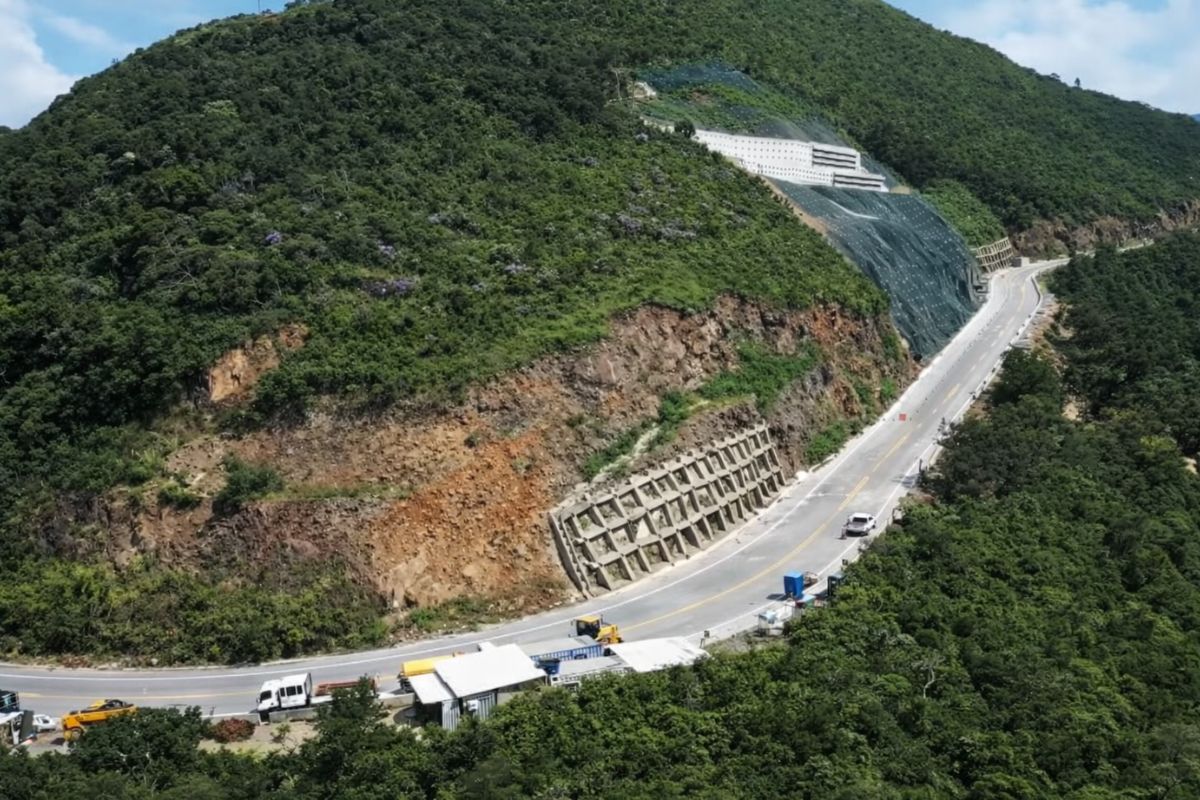
The section of Serra da Rocinha on BR-285 is now open in Timbé do Sul: 50 m tensioned curtains and top-down technique stabilize the slope, with a stairway duct controlling the water.
-
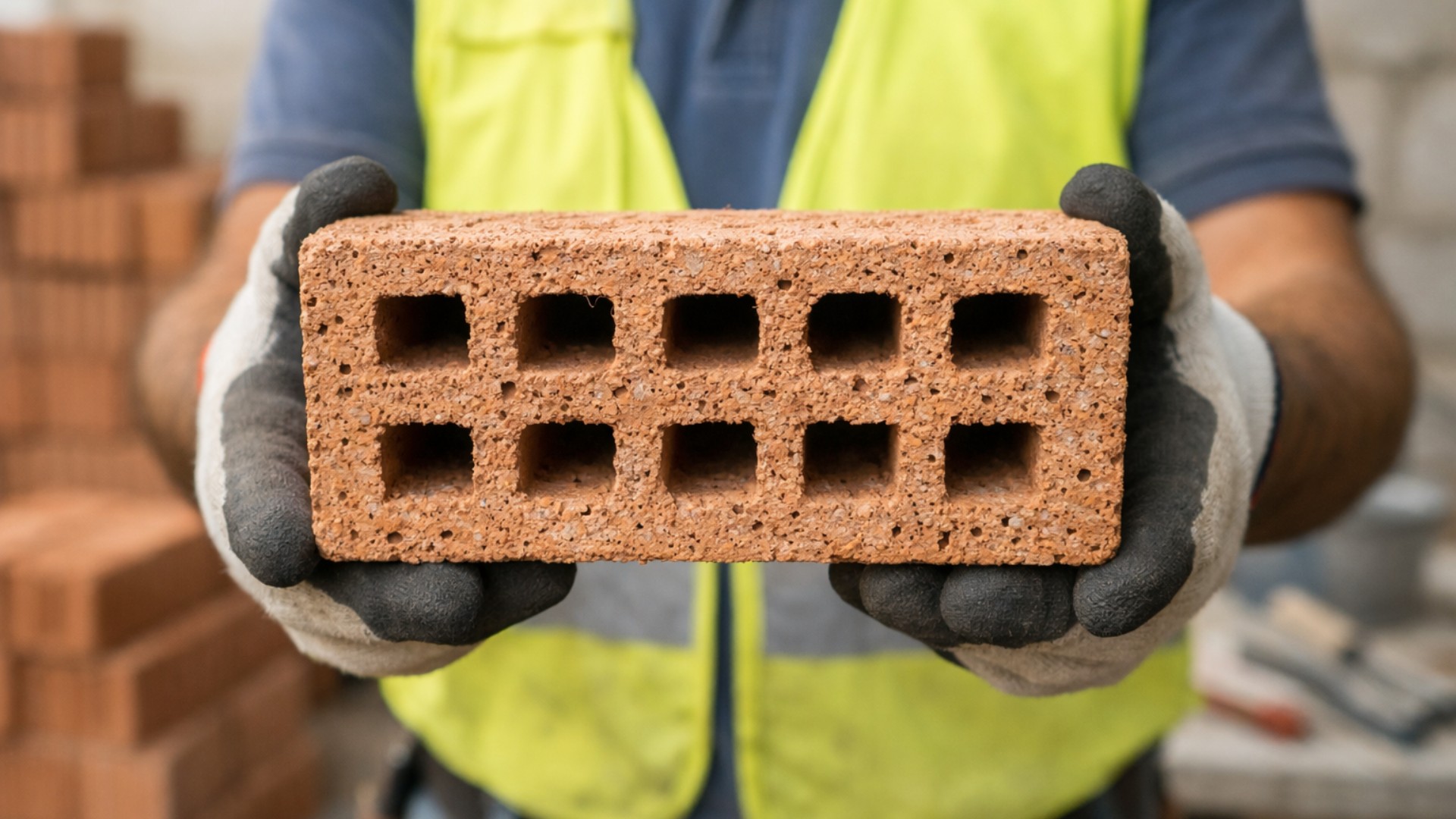
Scientists use sawdust mixed with clay to create a lighter brick, promising efficient thermal insulation and impressing by transforming waste into a solution for construction.
-
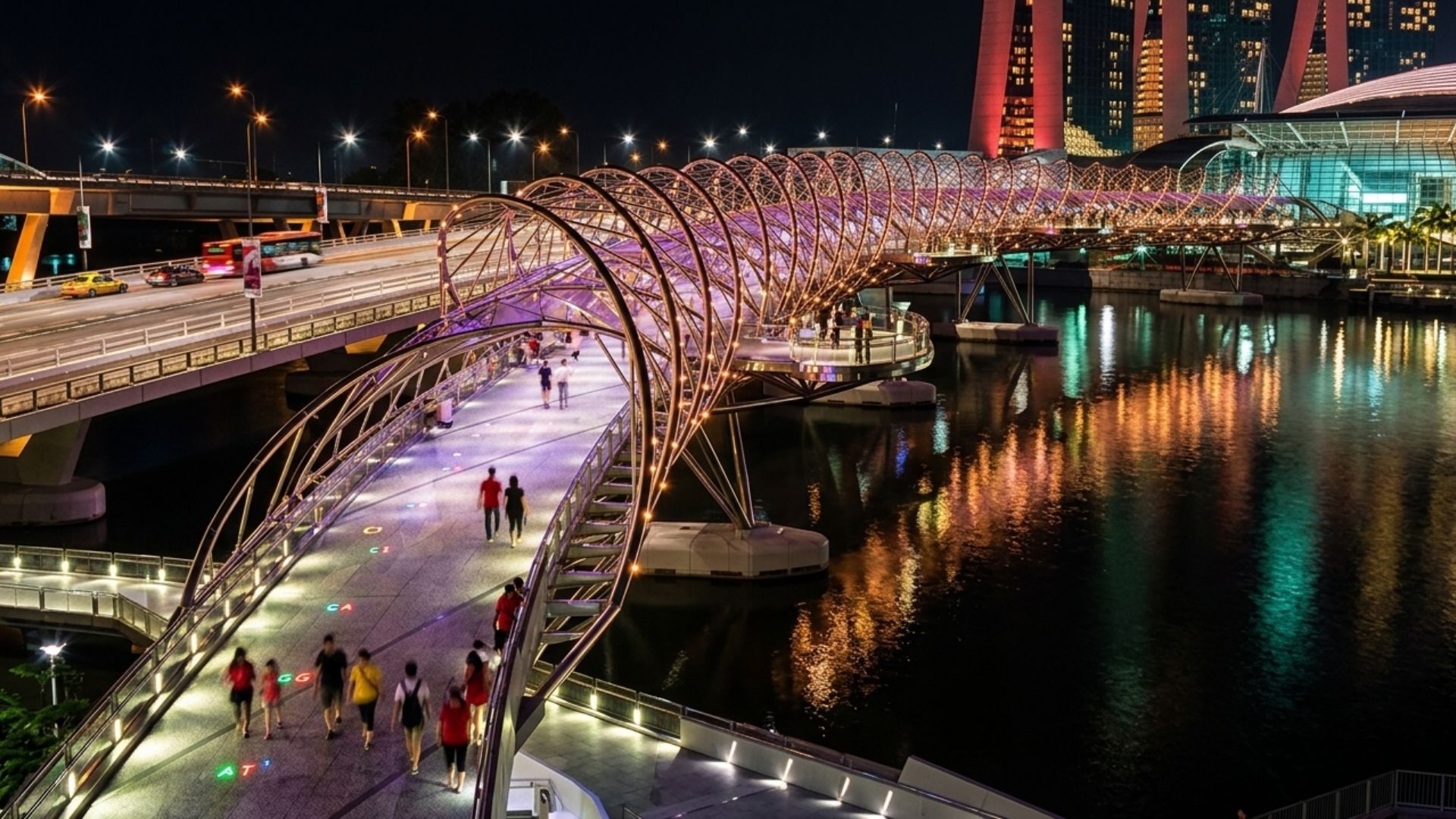
With a DNA shape, this bridge in Singapore draws attention in modern architecture and surprises tourists by transforming a simple crossing into an unforgettable visual experience in the urban heart.

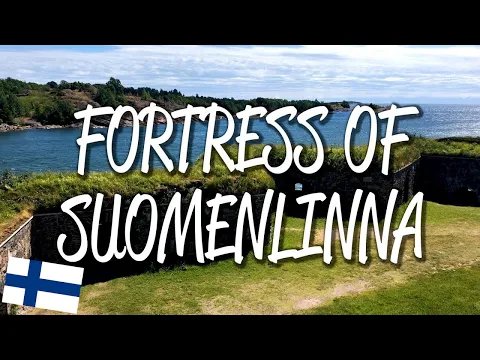

These blocks were not decorative: they formed thick walls, capable of absorbing impacts from naval artillery, resisting marine erosion, and withstanding the intense freezing of the Baltic Sea.
Each section of the wall functions as a solid mass, where the weight of the stone itself is an essential part of the structural strength.
Kilometers of Fortifications Carved Directly Into The Rock
In addition to the stacked blocks, much of the fortress was sculpted directly from the bedrock of the islands.
Instead of merely building on the ground, military engineers excavated slopes, leveled surfaces, and integrated the natural rock into the defensive system. This reduced the need for external material and made the structure even more difficult to destroy.
The result is a series of kilometers of walls, bastions, tunnels, and firing platforms, all continuously connected across the islands.
Why Spread The Fortress Across Six Islands
The decision to distribute the fortress across multiple islands was not aesthetic but strategic. The archipelago allowed for total control of the maritime routes leading to Helsinki. Instead of a single point of defense, Suomenlinna functioned as an extensive barrier, forcing enemy vessels to navigate a true maze of crossfire.
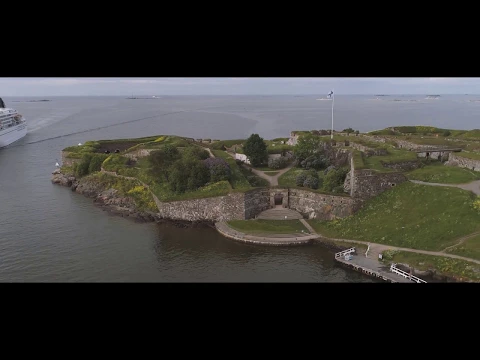
Each island had a specific function: gun batteries, support areas, storage, and elevated positions, all integrated by pathways and stone structures.
Engineering Designed To Withstand The Sea And Time
Building in a coastal environment in Northern Europe imposes extreme challenges. Saltwater, winter ice, and constant thermal variations accelerate the degradation of any material.
Therefore, the choice of solid rock was decisive. Unlike wood or fragile mortars, stone could withstand cycles of freezing and thawing without significant loss of strength.
Centuries later, much of these walls remain intact, proving the effectiveness of the solution.
A Project That Required Colossal Logistics Before The Industrial Era
Building Suomenlinna meant moving huge volumes of stone without modern cranes, trucks, or industrial explosives.
Transport was done by boats, sleds, and pulley systems. The organization of labor needed to be extremely precise, as a mistake in the positioning of a block weighing dozens of tons could not be easily corrected.
This continuous effort over the years explains why the fortress is not just a collection of buildings, but a true artificial landscape in stone.
Comparison With Other Major Historical Fortifications
While famous walls, like the Great Wall of China, impress with their linear extent, Suomenlinna stands out for another criterion: density of heavy material concentrated in entire islands. Few military works combined so much weight per square meter with direct integration into the natural terrain.
In this sense, the fortress is closer to a complex of stone dams than to traditional castles.
From Military Infrastructure To Historical Heritage
Today, Suomenlinna is no longer an active fortress, but it continues to be one of the greatest physical evidences of what pre-industrial engineering was capable of achieving.
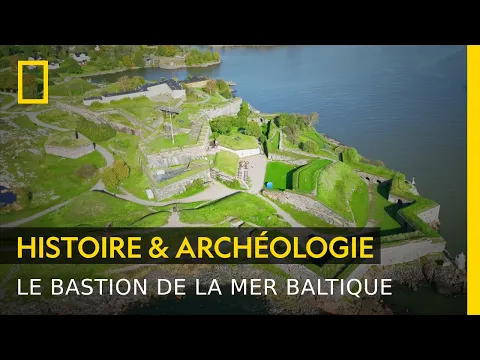
The stone-transformed archipelago houses residents, museums, and public areas, but retains the structural logic that made it nearly impregnable.
In the end, the Fortress of Suomenlinna impresses not only with its appearance or military history but also for having converted entire islands into a continuous work of heavy engineering, using blocks weighing up to 20 tons, natural rock, and technical knowledge that has withstood the sea, climate, and time for centuries.









-

-

-

-

-

44 pessoas reagiram a isso.