





 Portuguese
  English
  Spanish
  4 min of reading
  0 comments


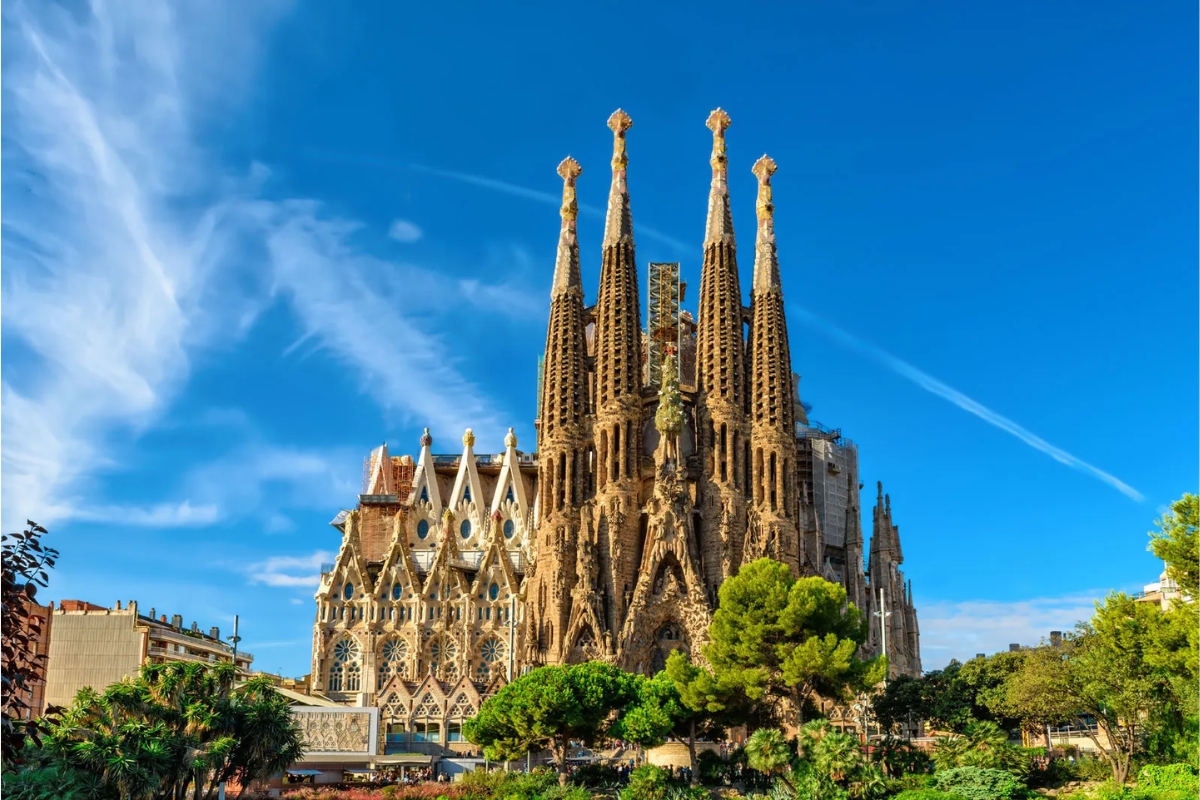
The Sagrada Família Was Born as a Church, Became One of the Greatest Symbols of Barcelona, and Today Impresses Not Only with Its Architecture but with the Length of its Construction Period, Which Has Already Surpassed Several Times That Linked to the Great Pyramid of Egypt
The Sagrada Família continues to grow in Barcelona even after 144 years of construction. Started in 1882, the basilica has traversed centuries, crises, and profound changes without losing the symbolic strength that transformed it into one of the most recognized works in the world.
The impact goes beyond architecture. The temple has solidified as a landmark of perseverance, creativity, and long-term vision, bringing together faith, art, and engineering in a construction that seems to defy time itself.
From Simple Project to Monumental Work Started in 1882
The construction began with a more modest plan, but the direction of the work changed when Antoni Gaudí took over the temple’s lead. From then on, the basilica gained forms inspired by nature and began to follow a visual language very different from what was seen at that period.
-
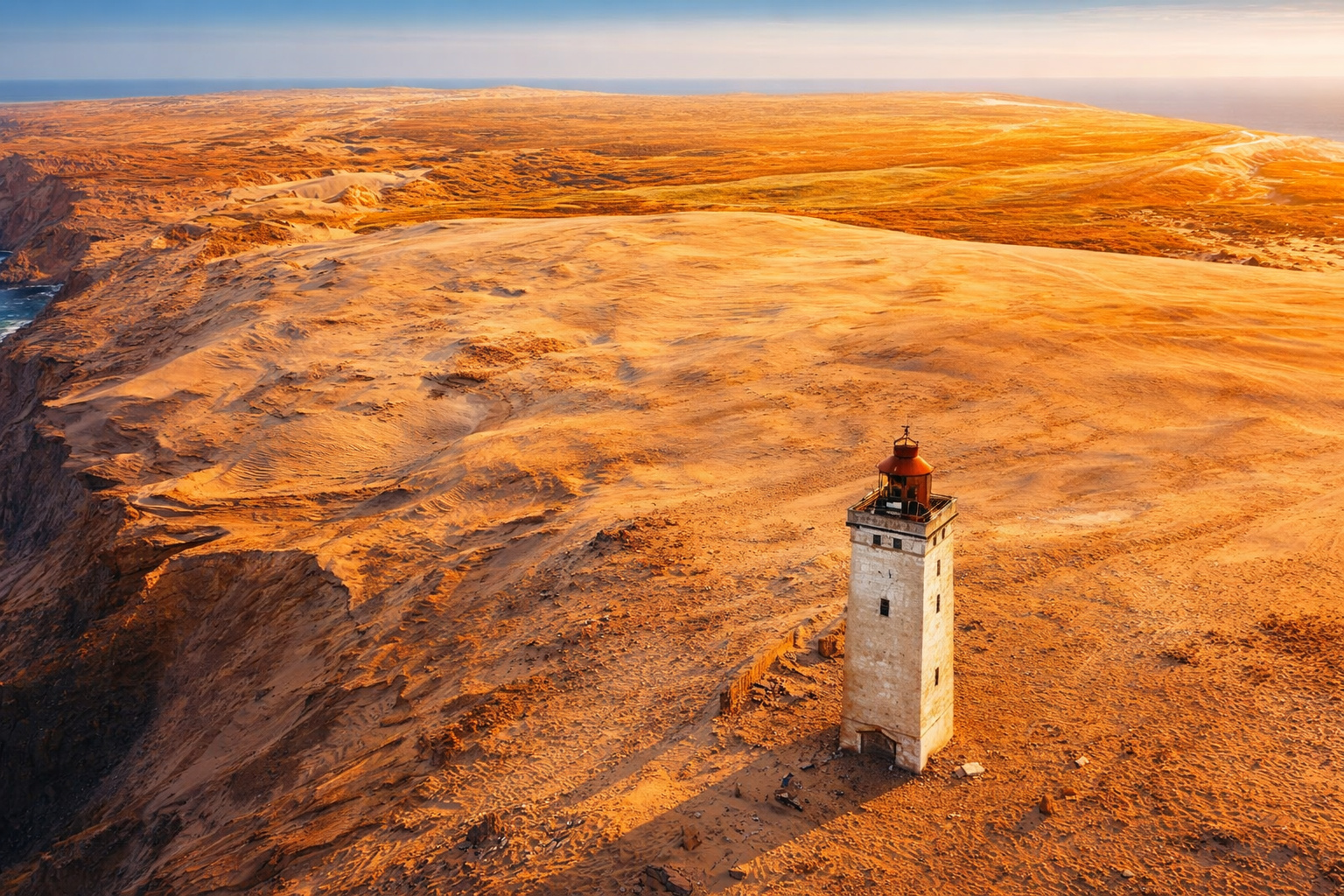
Attracting around 250,000 people a year, a lighthouse 200 meters from the sea, on a 60-meter high cliff, on the North Sea coast in Denmark, becomes one of the most impressive examples of how nature can threaten historical buildings.
-
The narrowest house in the world is only 63 centimeters wide, but inside it can accommodate a bathroom, kitchen, bedroom, office, and even two staircases.

-
In the middle of the sea, these enormous concrete and steel structures, built by the British Navy to protect strategic maritime routes, look like they came straight out of a Star Wars movie.

-
For years, no one could cross a neighborhood in Tokyo because of the tracks, but an impressive solution changed mobility and completely transformed the local routine.


Gaudí dedicated more than 40 years to the project and made the church his life’s great mission. When he died in 1926, only a small part was completed, leaving future generations the task of continuing one of the most ambitious projects in history.
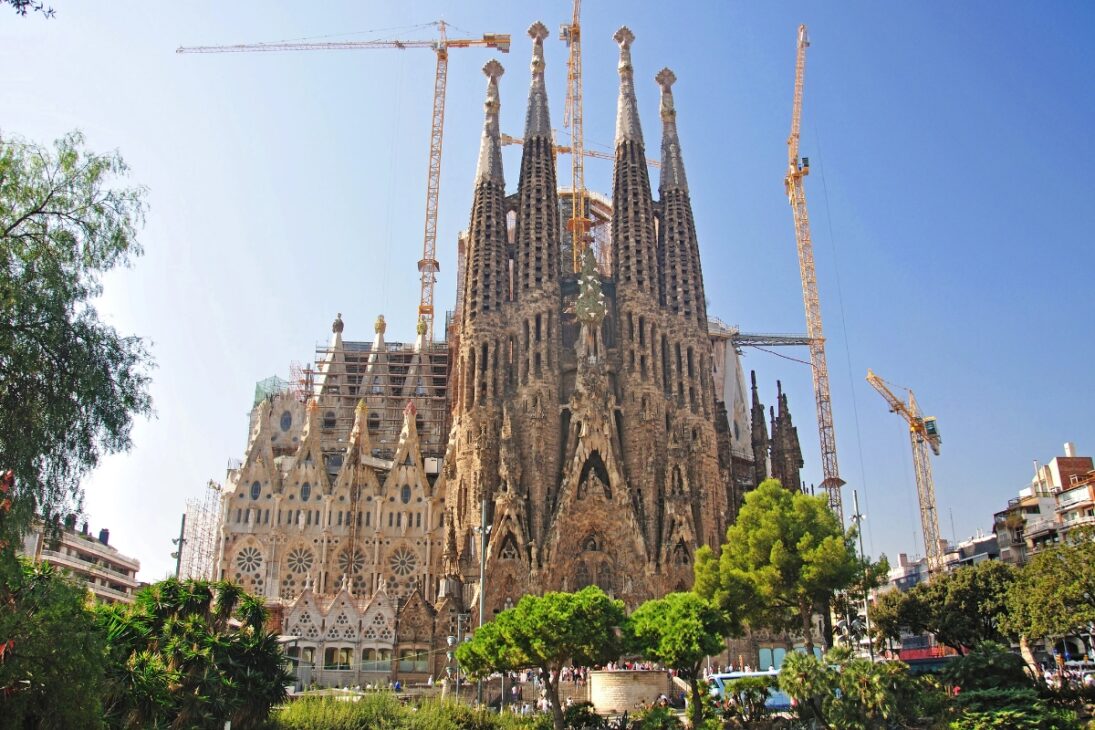
Wars, Losses, and Delays Did Not Prevent Continuity
Throughout the 20th century, the work faced interruptions, financial difficulties, and the loss of some materials linked to the original project. Nevertheless, construction persisted and moved forward, always surrounded by international interest and an increasing cultural weight.
This journey helps explain why the basilica has become more than a religious temple. It has come to represent a rare idea of continuity, in which different eras collaborate to complete a vision initiated in the 19th century.
Modern Technology Pushes Construction to the Final Stretch
The recent advancement of the work also depends on modern resources that have allowed for the execution of complex details with greater precision. This has helped accelerate important stages without abandoning the aesthetic proposal left by Gaudí.
According to Sagrada Família, the institution responsible for the temple’s administration, the broader forecast regarding the completion of the works points to 2033, after delays caused by economic factors and the pandemic. This fact further amplifies the historical dimension of the project.
Comparison with the Great Pyramid Expands the Dimension of Time
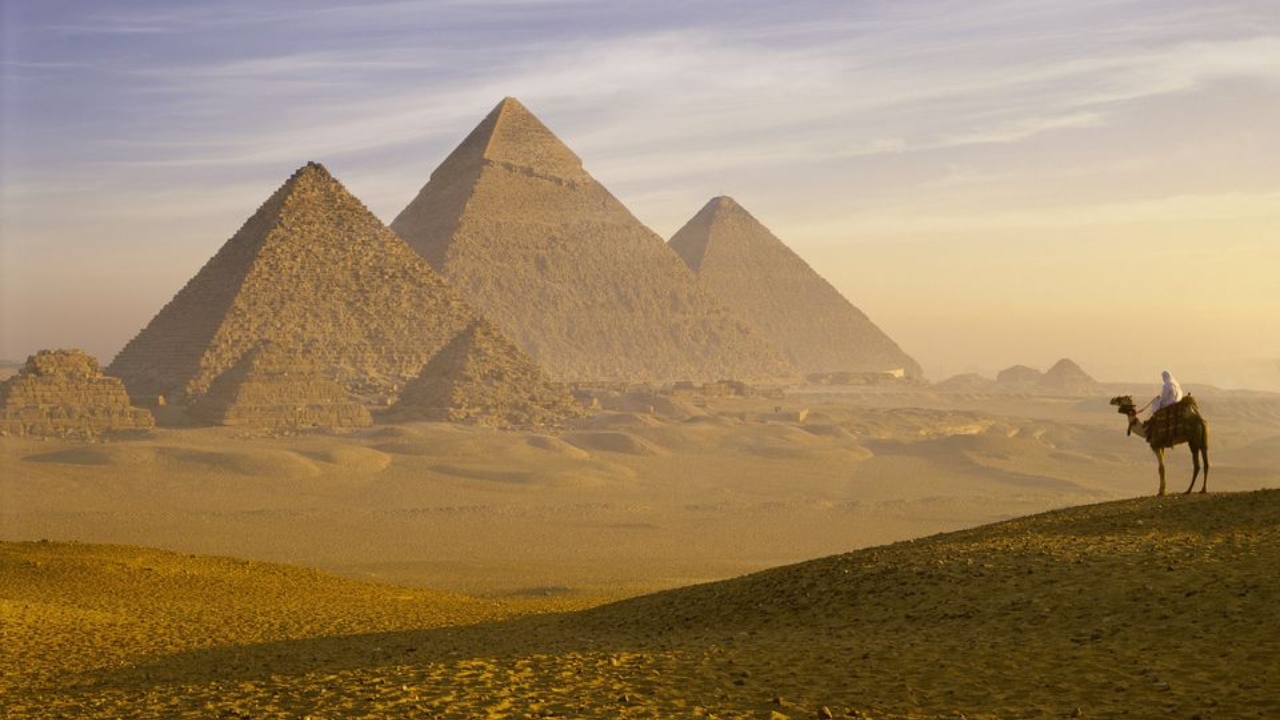
The magnitude of this wait becomes even more impressive when compared to the Great Pyramid of Giza in Egypt, one of the most emblematic works of Antiquity. The monument was erected during the reign of Pharaoh Khufu of the 4th Dynasty of Ancient Egypt, generally situated around 2570 B.C.
The most well-known historical estimates associate its construction with about 20 years, although there are debates regarding the exact number of workers and the methods used to transport and elevate the enormous stone blocks. Classical sources attribute the work to a gigantic mobilization, while more recent studies point to a workforce that was more organized and specialized than previously thought.
Aside from the relatively short time for a project of that scale, the pyramid impresses with its dimensions. It was the largest structure built by humans for millennia and continues to be the most famous funerary symbol of ancient Egypt, remaining the only one of the Seven Wonders of the Ancient World still standing.
In the case of the basilica in Barcelona, the interval between 1882 and 2033 would take the project to over 150 years. In practice, this means a time period more than seven times that traditionally attributed to the Egyptian pyramid, which reinforces the symbolic, historical, and even civilizational magnitude of the Catalan construction.
The 18 Towers and the Ambition to Touch the Sky
When fully completed, the basilica will have 18 towers. The main one, dedicated to Jesus Christ, is expected to reach 172.5 meters, further elevating the architectural weight of the project in the European scene.
Inside, the temple captures attention with columns that resemble tree trunks and stained glass that spreads colorful light throughout the space. This environment helps explain why the Sagrada Família is not only seen as a church but as a large-scale visual and spiritual experience.
A Symbol That Transcends Generations and Keeps Barcelona on the World Radar
The Sagrada Família has become one of the most visited monuments on the planet and one of the greatest symbols of Barcelona. Each new stage enhances the cultural value of the work and reinforces its global presence, keeping the city at the center of a legacy that blends faith, tourism, and creative genius.
More than a long construction, the temple has become a measure of historical time. Its continuity changes the reading of what a human work can represent when it transcends generations, withstands crises, and continues to grow with the same symbolic strength initiated in 1882.




-

-

-

-

-

13 pessoas reagiram a isso.