





 Portuguese
  English
  Spanish
  5 min of reading
  0 comments


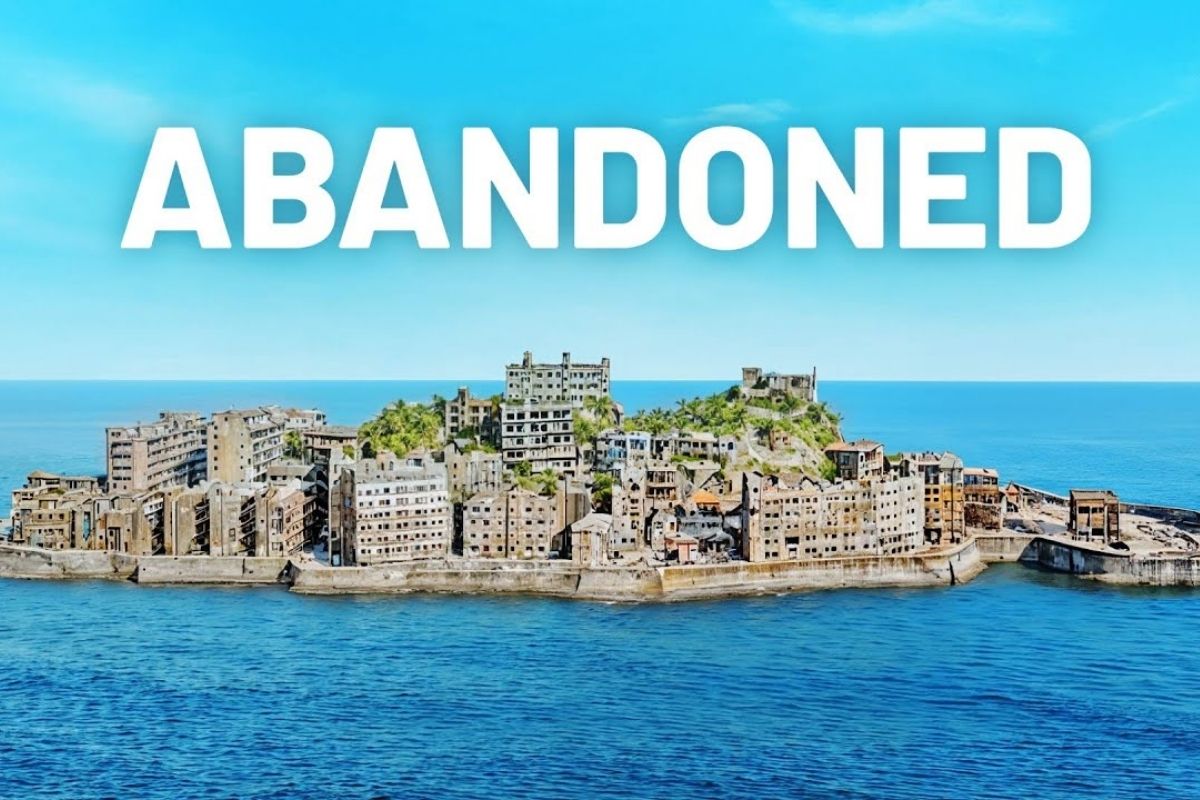
On The Southern Coast Of Japan, The Japanese Island Hashima, Called Gunkanjima, Houses Ruins Of A City Surrounded By A Typhoon Wall. Purchased By Mitsubishi In The 19th Century, It Reached 5,259 Inhabitants In 1959, Closed In 1974 And Reopened To Tourism In 2009, With Accusations Of Forced Labor, Diplomatic Arguments In Asia.
The Japanese island Hashima is near the city of Nagasaki, in southern Japan, and catches attention even in satellite images for resembling an entire city stranded in the sea. The empty streets and abandoned buildings can even be seen by tools like Street View, reinforcing the impression of a movie set, but with a real story of industrialization, coal, and war.
What today is a tourist ruin started as a strategic energy piece. The island was purchased by Mitsubishi after the discovery of coal on the seabed back in the 19th century, grew with artificial land expansion, and became a symbol of the Japanese industrial turnaround, but was also marked by accusations of forced labor and a regional dispute that spans decades.
Hashima, Near Nagasaki, And The Coal That Pushed Industrialization

By the end of the 19th century, Japan underwent an industrial revolution that demanded energy on an increasing scale.
-
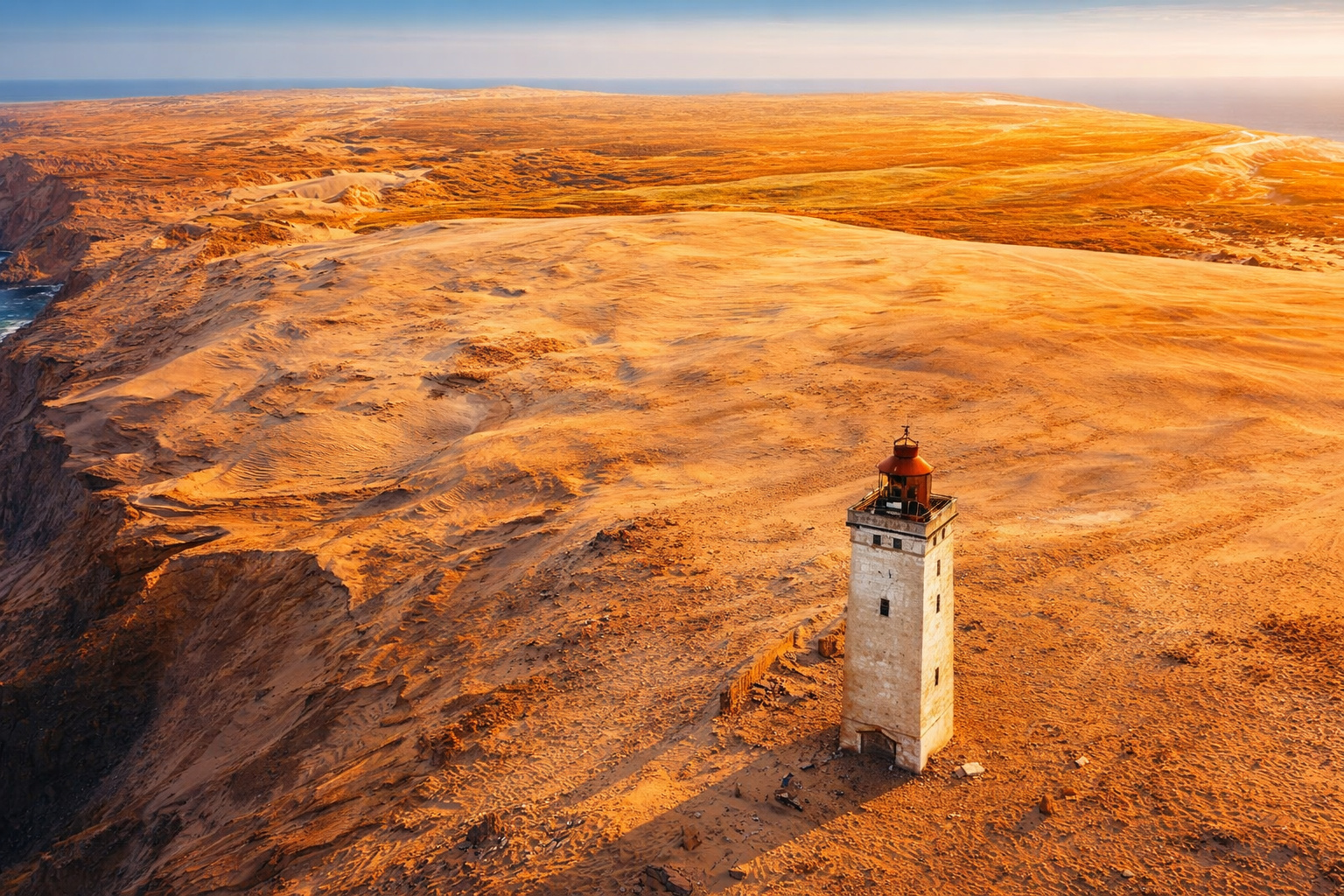
Attracting around 250,000 people a year, a lighthouse 200 meters from the sea, on a 60-meter high cliff, on the North Sea coast in Denmark, becomes one of the most impressive examples of how nature can threaten historical buildings.
-
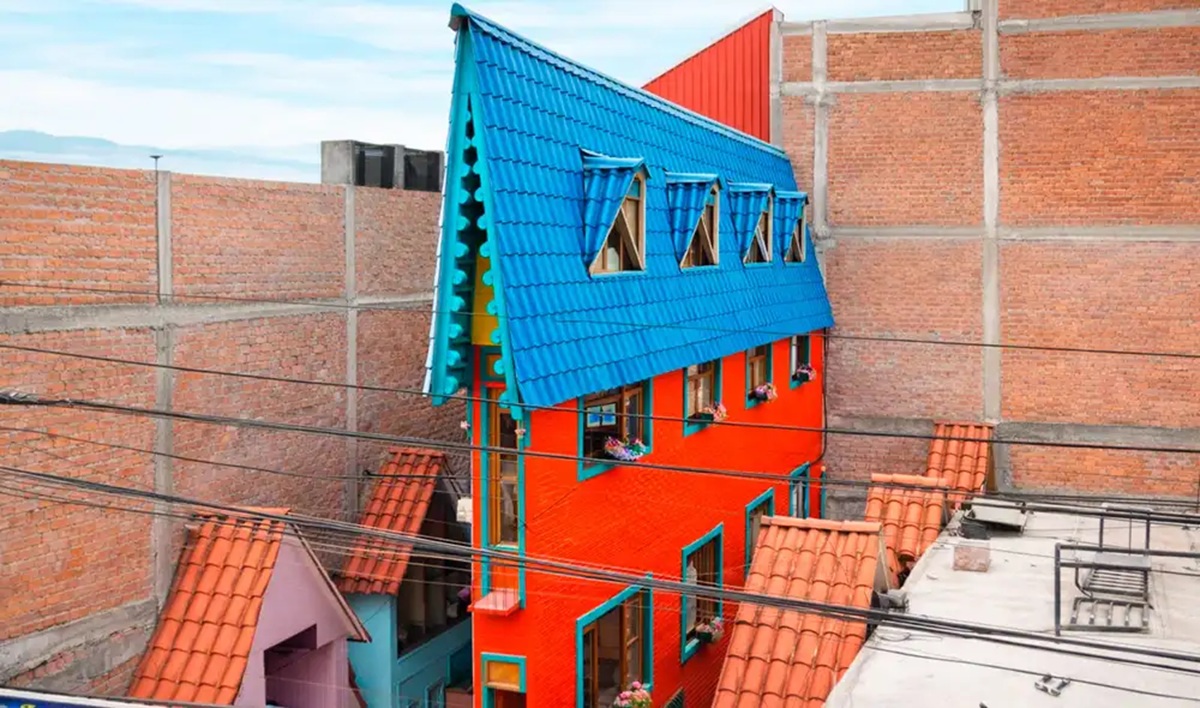
The narrowest house in the world is only 63 centimeters wide, but inside it can accommodate a bathroom, kitchen, bedroom, office, and even two staircases.
-
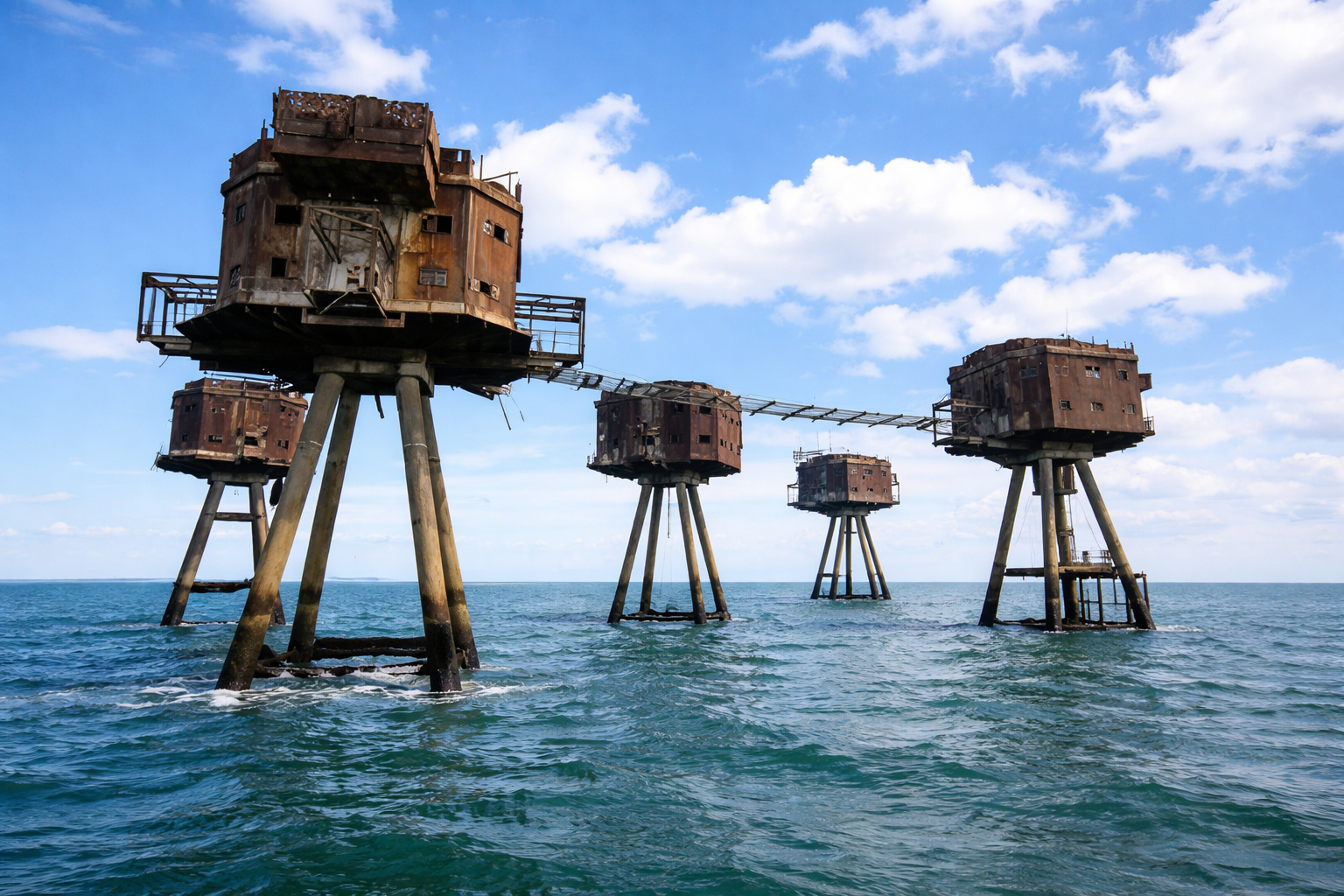
In the middle of the sea, these enormous concrete and steel structures, built by the British Navy to protect strategic maritime routes, look like they came straight out of a Star Wars movie.
-
For years, no one could cross a neighborhood in Tokyo because of the tracks, but an impressive solution changed mobility and completely transformed the local routine.

In this context, coal was discovered under Hashima, and Mitsubishi Corporation purchased the entire island to extract the resource and supply an expanding fleet of steamships.
The escalation is evident in the national production numbers themselves: in 1874, Japan extracted 208,000 tons of coal; by 1890, the total rose to 3 million; and by 1919, it reached 31 million tons. Hashima entered this cycle as an island built to produce, not to be beautiful.
The Expanded Island In The Sea And The Typhoon Wall

With the mine growing in the early 1900s, there was a shortage of workers and space.
Mitsubishi artificially expanded the island using the slag generated by mining, creating new land and protecting the most vulnerable areas with a concrete wall around it, designed to withstand violent waves and typhoons.
To gain efficiency, the rocky north concentrated housing, while the reclaimed areas became support for mining.
As there was no “spare” land for agriculture, food and potable water were brought by sea from the mainland, keeping every inch focused on industrial operation.
The “Battleship Island” And Life Compressed In Concrete
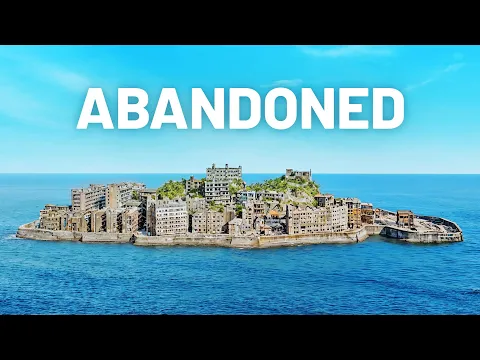

As Hashima grew, its silhouette began to resemble a large gray ship. Hence the nickname Gunkanjima, “Battleship Island.”
With mining at its peak, the island accumulated a complete city infrastructure: school, hospital, stores, cinema, and even a pachinko parlor for workers’ leisure.
The population peak came in 1959, when Hashima grew to 5,259 people in extremely cramped accommodations, making it the most densely populated place in Japanese history at the time.
The island functioned as a compact entity, with housing, services, and work fitting within the physical limits of the land.
War, Nagasaki And The Historical Weight Of The Surroundings
In the 1930s, as the island gained the appearance of a warship, Japan was getting involved in conflicts that would escalate into World War II.
The demand for coal reached record levels and Hashima hit its production peak in 1941, with 410,000 tons that year.
On August 6, 1945, Hiroshima was the target of the first atomic bombing. Three days later, the second bomb struck Nagasaki, very close to Hashima.
After the bombing, workers from the island were transported to help clean up the debris, connecting Hashima directly to one of the most dramatic milestones in world history.
The Closure In 1974 And The Ghost Town That Rotting In The Sea
Coal is limited, and by the 1970s, the mine began to deplete, while oil started to replace coal as the fuel of choice.
Mitsubishi announced in January 1974 the closure of the mine and ordered the residents to leave within three months.
The last boat took the remaining inhabitants in April 1974.
From then on, the island was closed for decades, with entry prohibited, and no incentive for the maintenance of structures.
What was once a community turned into a ghost town: cracked concrete, corroded walls, and abandoned buildings slowly disintegrating before the sea.
Reopening In 2009, Tourism And The Attempt For The UNESCO Seal
In 2009, the Japanese government changed course and reopened Hashima for tourism, allowing official groups to set foot on the island.
To facilitate this, a new docking area and fortified walkways were created, concentrating visitation in a controlled stretch of the site.
In the same move, Japan submitted Hashima’s candidacy to become a World Heritage Site, seeking legal protection and recognition.
It was then that the island ceased to be just a ruin and began to turn into a diplomatic dispute on a regional scale.
The Most Sensitive Point: Forced Labor And The Dispute In Asia
Resistance came from South Korea, North Korea, And China, which opposed the candidacy.
The contestation is based on a history that, according to survivors and critics, has been omitted for decades: Hashima is said to have also functioned as a confinement system, with Koreans Recruited By Force and Chinese Prisoners Of War used as labor.
A cited survivor, Suh Jung-woo, recounted being taken at just 14 years old, seeing the concrete wall as a “prison wall.”
He described rooms with six or seven forced laborers, 12-hour shifts inside the mine, temperatures reaching 37°C with high humidity, reduced space that required squatting and crawling, along with frequent accidents and daily risks of rockslides.
The 2015 Agreement, The Subsequent Reaction And The Impasse In 2023
After years of debate, there was a breakthrough in 2015: Japan reached an agreement with South Korea that included a commitment to display information about the history of forced labor to tourists.
With this support, Hashima was officially designated a World Heritage Site.
Shortly after, the Japanese government backtracked and issued a controversial statement saying that Korean and Chinese workers had been “legally drafted” for work, just as Japanese men were recruited for military service.
Only in 2023, after a strong negative reaction, did small measures for additional context emerge, such as an exhibition at the Japan Industrial Heritage Information Center with a QR code leading to a video of the 2015 UNESCO discussion, in English and without Japanese subtitles.
In the end, the Japanese island Hashima remains a ruin, attraction, and open wound at the same time.
If you were a tourist, would you visit this Japanese island even knowing that it still provokes diplomatic disputes and controversies over historical memory in Asia?





-

-

2 pessoas reagiram a isso.