





 Portuguese
  English
  Spanish
 4 min of reading
  0 comments


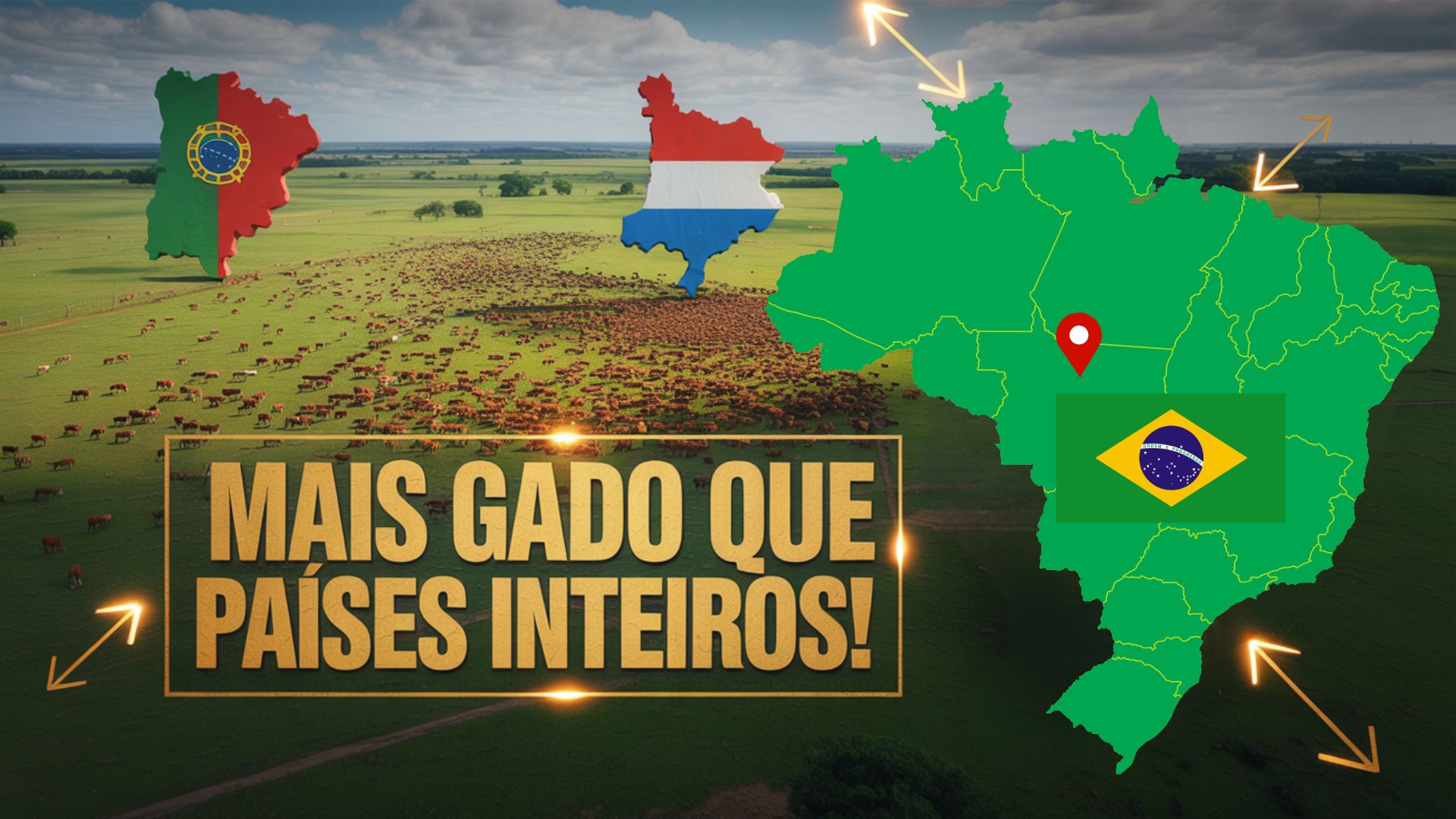
Mato Grosso Stands Out Internationally With a Cattle Herd That Exceeds the Combined Population of European Countries, Consolidating the State as a Power in the Agricultural Sector and a Global Reference in Production and Sustainability.
Mato Grosso establishes itself as a global reference in beef cattle by registering, in June 2025, a herd estimated at 32.8 million head of cattle.
The number surpasses not only all other Brazilian states but also the combined population of European countries such as Portugal and the Netherlands, which together account for about 27 million inhabitants, according to recent demographic projections.
The official data was released by the Institute of Agricultural Defense of Mato Grosso (INDEA-MT) and the Mato Grosso Institute of Agricultural Economics (IMEA), reinforcing the leadership of Mato Grosso in the Brazilian agricultural sector.
-
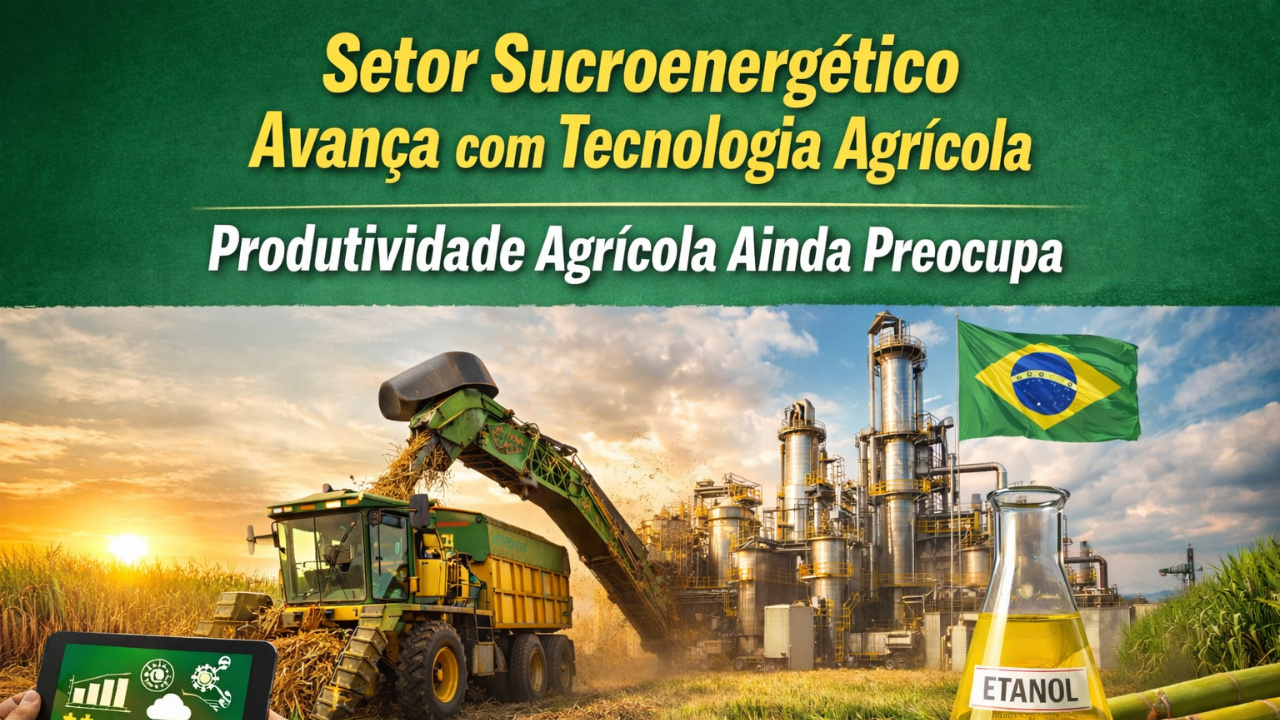
The sugar-energy sector advances with agricultural technology, but agricultural productivity still raises concerns.
-
The eggshell that almost everyone throws away is made up of about 95% calcium carbonate and can help enrich the soil when crushed, slowly releasing nutrients and being reused in home gardens and vegetable patches.

-
This farm in the United States does not use sunlight, does not use soil, and produces 500 times more food per square meter than traditional agriculture: the secret lies in 42,000 LEDs, hydroponics, and a system that recycles even the heat from the lamps.

-
The water that almost everyone throws away after cooking potatoes carries nutrients released during the preparation and can be reused to help in the development of plants when used correctly at the base of gardens and pots, at no additional cost and without changing the routine.


Mato Grosso Among the Largest Beef Producers in the World
If Mato Grosso were a country, it would hold a prominent position on the international stage, ranking among the seven largest beef producers in the world.
According to estimates from the Food and Agriculture Organization of the United Nations (FAO), Australia currently has a herd of approximately 22.3 million head, while Argentina has about 31.9 million.
These numbers highlight that Mato Grosso, individually, holds a herd larger than that of countries recognized for their cattle ranching tradition and established presence in the global beef market.
Efficiency, Technology, and Sustainability Drive the Mato Grosso Cattle Herd
The prominence of Mato Grosso goes beyond the number of animals.
The state reaches a level of efficiency by adopting innovative technological practices and investing in sustainability in the field.
The production systems used on Mato Grosso farms range from extensive pasture areas to advanced integrated crop-livestock-forest techniques (ILPF), which contribute to environmental preservation and increased productivity.
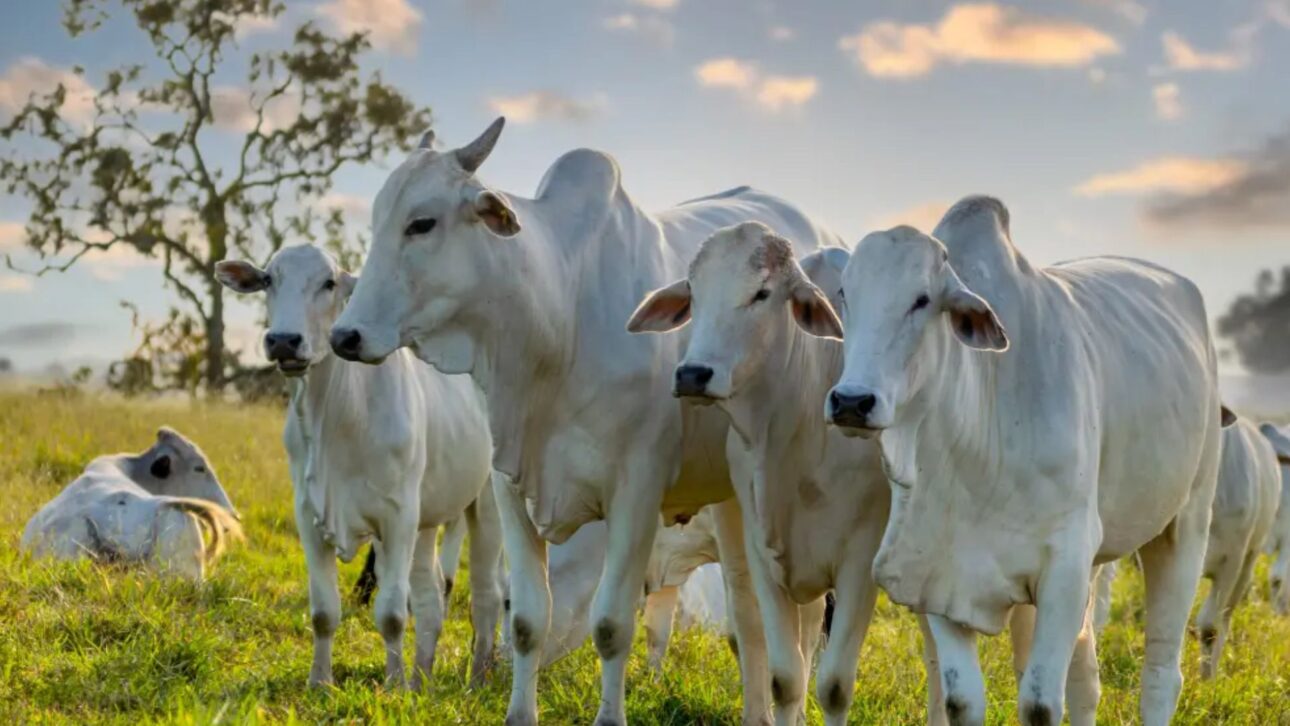
Additionally, strict animal welfare control and cattle traceability have become part of the sector’s routine, keeping up with international trends and responding to demands for safe, high-quality food.
Ranking of Brazil’s Largest Cattle Herds
In the national ranking of cattle herds, Mato Grosso maintains a wide lead over the second-place state, Minas Gerais, which records 23.5 million head.
Goiás, with 22.1 million, Pará, with 22 million, and Mato Grosso do Sul, with 21.8 million, complete the group of the main cattle-producing states in Brazil in 2024.
This scenario reveals the concentration of cattle ranching in the Midwest and North regions, which together represent the largest share of national production.
Exports and International Recognition of Mato Grosso Beef
The strategic role of Mato Grosso is also evident in international trade.
The state is responsible for a significant portion of Brazilian beef exports, supplying the product to demanding markets such as China, the European Union, and countries in the Middle East.
According to the Mato Grosso Institute of Meat (Imac), the beef produced in the state is recognized worldwide for its quality, traceability, and controlled origin, fundamental attributes to ensure access and competitiveness in international destinations.
Institutions and Technology Drive the Production Chain
The actions of Imac have been essential in strengthening the image of Mato Grosso beef.
The institution invests in promotion, certification, and transparency actions, aiming to consolidate Mato Grosso as a global reference in sustainability, productive efficiency, and compliance with international standards.
The focus on innovation has allowed the local production chain to adopt models of efficient confinement, integrated management practices, and ongoing health monitoring, ensuring compliance with environmental and animal welfare requirements.
Modernization and Valuation of the Final Product in Mato Grosso
The strength of Mato Grosso beef cattle is also linked to the modernization of rural infrastructure and access to cutting-edge technologies, such as satellite monitoring, the use of artificial intelligence for herd management, and data analysis to optimize production processes.
These initiatives contribute to the valuation of the final product and increase the state’s competitiveness, projecting Mato Grosso beef as one of the most sought-after products globally.


Sustainability and Responsible Production in Mato Grosso
In addition to playing an essential role in food security, Mato Grosso has become a reference in sustainability by adopting practices that combine economic growth with the conservation of natural resources.
The integrated production systems assist in the recovery of degraded areas and promote rational land use, factors that have been highlighted by international organizations and sector experts.
The Impact of the Mato Grosso Cattle Herd on Brazil and the World
With a herd larger than that of entire countries, Mato Grosso holds a prominent place not only in Brazil but in the world, directly contributing to the country’s reputation as a major supplier of animal protein.
The state stands out as an example of large-scale production combined with environmental and technological responsibility, demonstrating that it is possible to unite economic growth with sustainability and social commitment.
In light of this panorama, the prominence of Mato Grosso in Brazilian agribusiness is indisputable.
The expressive performance of the state reinforces the importance of the beef production chain for the national economy, the global food supply, and the strengthening of Brazil’s image in international beef trade.
With the consolidated leadership of Mato Grosso, what is lacking for other Brazilian states to achieve similar levels of efficiency, innovation, and sustainability in beef cattle?








Seja o primeiro a reagir!