





 Portuguese
  English
  Spanish
 3 min of reading


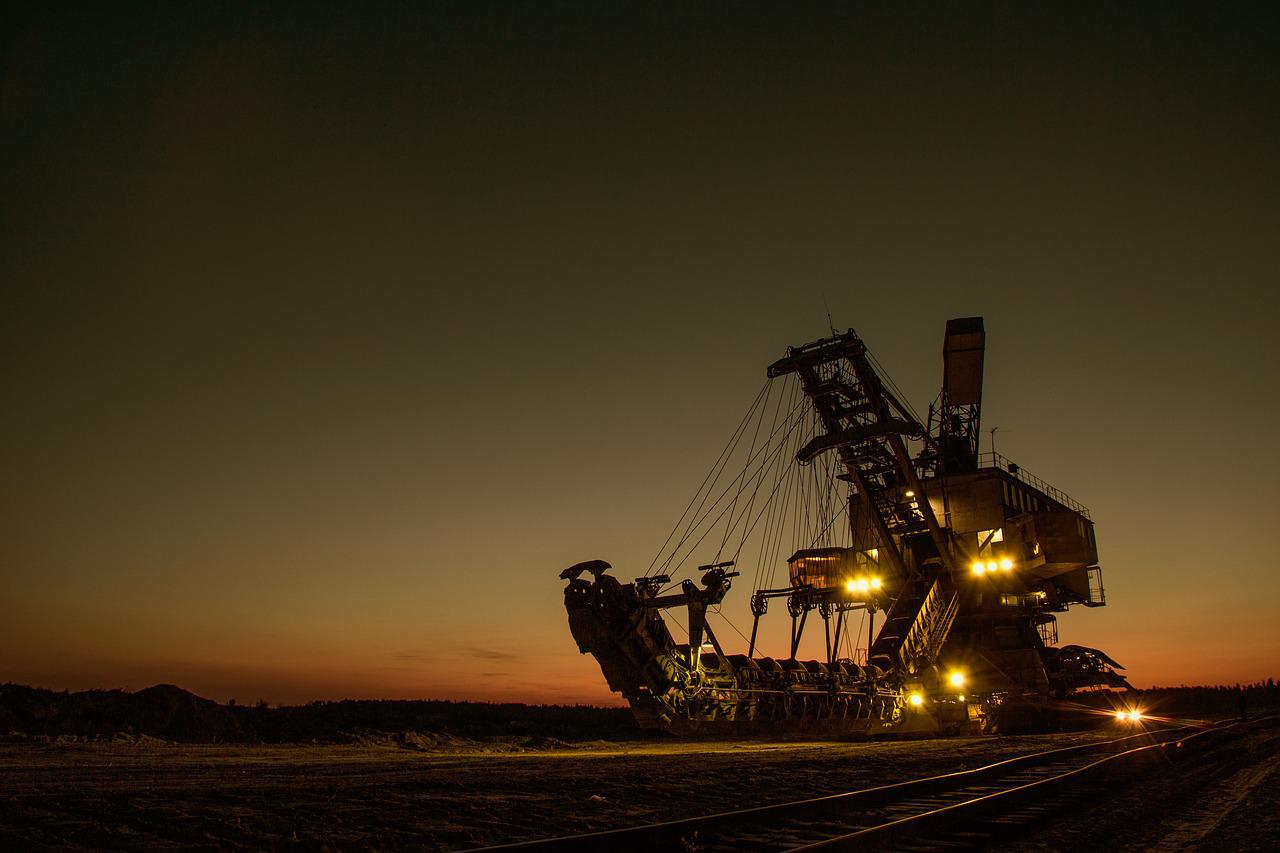
The Debates About The Importance Of The Mining Sector For The State Internal Market Economy And Job Creation In The Region Were The Main Points Highlighted At The Northern Mato Grosso Mining Seminar.
The 3rd Northern Mato Grosso Mining Seminar was concluded last Thursday, (07/21), after three days of events with representatives from the mining sector across Brazil, and reinforced the state’s relevance in the national ranking of mining states. This is because Mato Grosso has become a national reference regarding the contribution of mineral extraction to the internal market economy and, primarily, to job creation in the region.
3rd Northern Mato Grosso Mining Seminar Highlights The Relevance Of Mineral Extraction To The Internal Market Economy And Jobs In The State
Brazilian mining is still strongly tied to issues of lack of safety in regulation, environmental impacts, and natural disasters, but it is still possible to mine responsibly and with quality, and the 3rd Northern Mato Grosso Mining Seminar highlighted these points in recent days in the state of Mato Grosso.
The event took place from July 19 to 21 in the municipality of Guarantã do Norte (750 kilometers north of the capital) and included major debates about the importance of the sector for the internal market.
-
Lack of workers and an aging population: Japan bets on AI robots in factories, logistics, and infrastructure to keep the economy and essential services active.

-
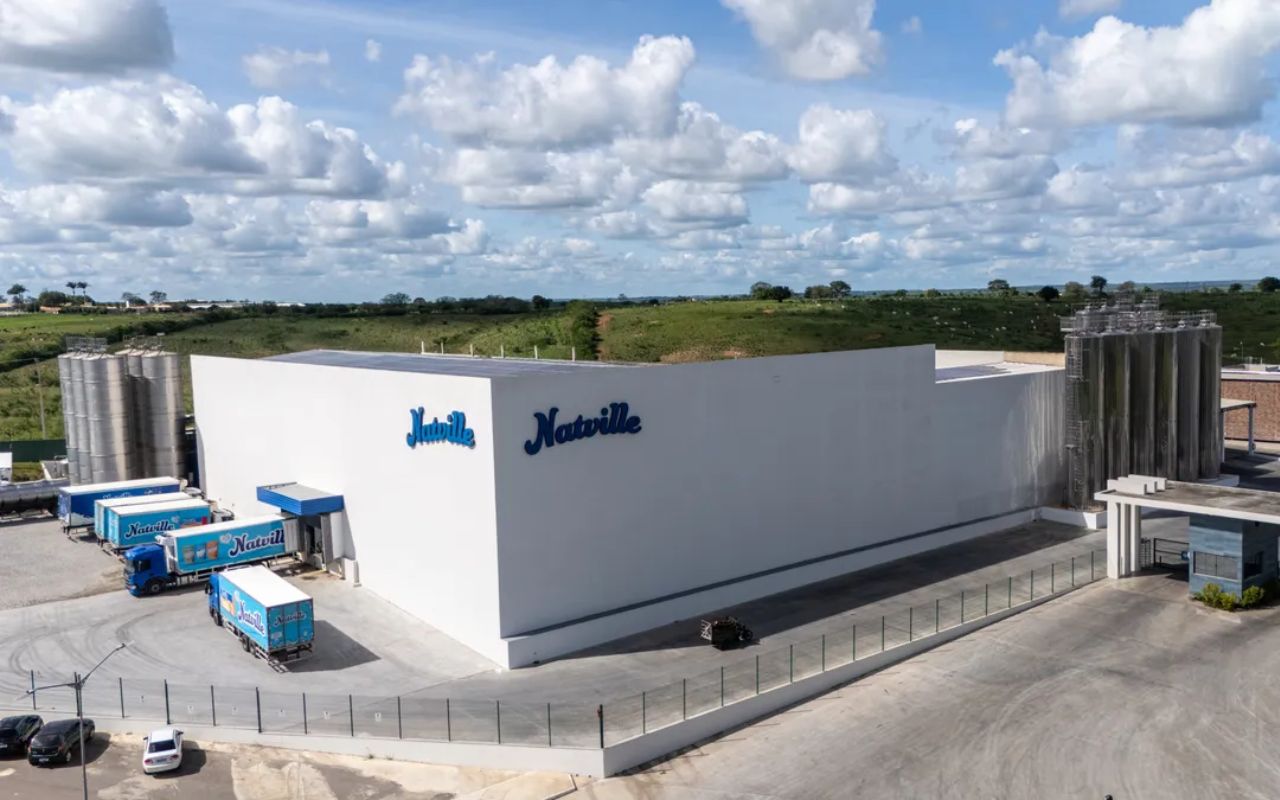
Natville puts R$ 700 million on the table for new factories in the Northeast, generating jobs and boosting the local economy.
-
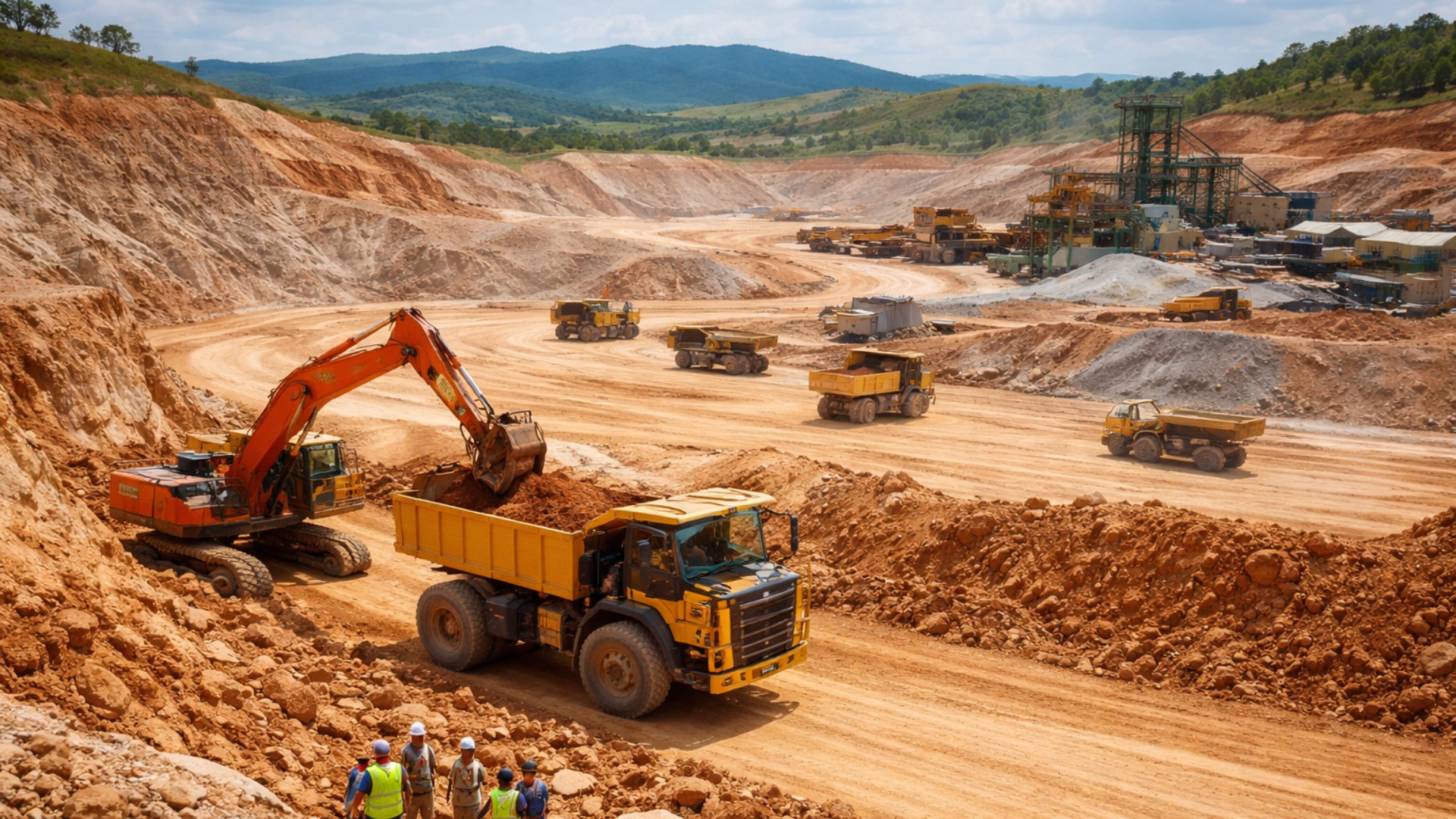
USA and China compete for Brazil over resources that could be worth trillions — rare earths put the country at the center of a global dispute

-
With 74% of companies facing difficulties in hiring, technicians and engineers in renewable energy are becoming scarce in Brazil and are essential to support the expansion of solar, wind, and green hydrogen projects.

During the event, executive Dione Macedo, General Coordinator for Sustainable Development in Mining at the Ministry of Mines and Energy, emphasized the need to show that society cannot live without mining, both for productive processes and for job creation, and underscored that the state of Mato Grosso has been doing this expertly.
The state currently has mining present in 80 of the 141 municipalities in the region and its largest movements are of gold, limestone, mineral water, and drinking water, granite, sand, and tin.
And to prove the relevance of the sector in the Mato Grosso internal market economy, only during the year 2021, the mineral activity injected more than US$ 6.2 billion into the local economy, adding more than R$ 150 million in taxes to public coffers. Additionally, the contribution of the mineral sector to the region also transcends socioeconomic development, as mineral exploration enterprises currently contribute more than 150,000 direct and indirect jobs in the state.
Discussions About The Need For Changes In The Regulation Of The Mining Sector In The State Of Mato Grosso Were Held During The Event
In addition to reinforcing the national reference position regarding the contribution of mining to the economy and job creation in the state of Mato Grosso, the 3rd Northern Mato Grosso Mining Seminar also pointed out some discussions about the investments needed in the region. Thus, the main point debated was the modernization of extraction laws, whose regulatory code was published in 1967.
“Those who benefit from the lack of legal regulation are the people who extract illegally. The main challenge is that those outside, the society, do not understand how much each of you dedicates to making mineral enterprises legal. The view people have is the news that appears on ‘Fantástico’, of illegal extraction in the Amazon,” noted UFMT professor Caiubi Khun, who alerted to the need for changes in the code to ensure safety and responsible development of the sector.
Other topics discussed at the event included the production of silicate agrominerals, the potassium rush, geological mapping, new opportunities in the public offering of mining titles, agreements with federal bodies, socio-environmental issues related to the regulation of small-scale mining, and other relevant issues in the mineral sector.







Seja o primeiro a reagir!