





 Portuguese
  English
  Spanish
  6 min of reading
  0 comments


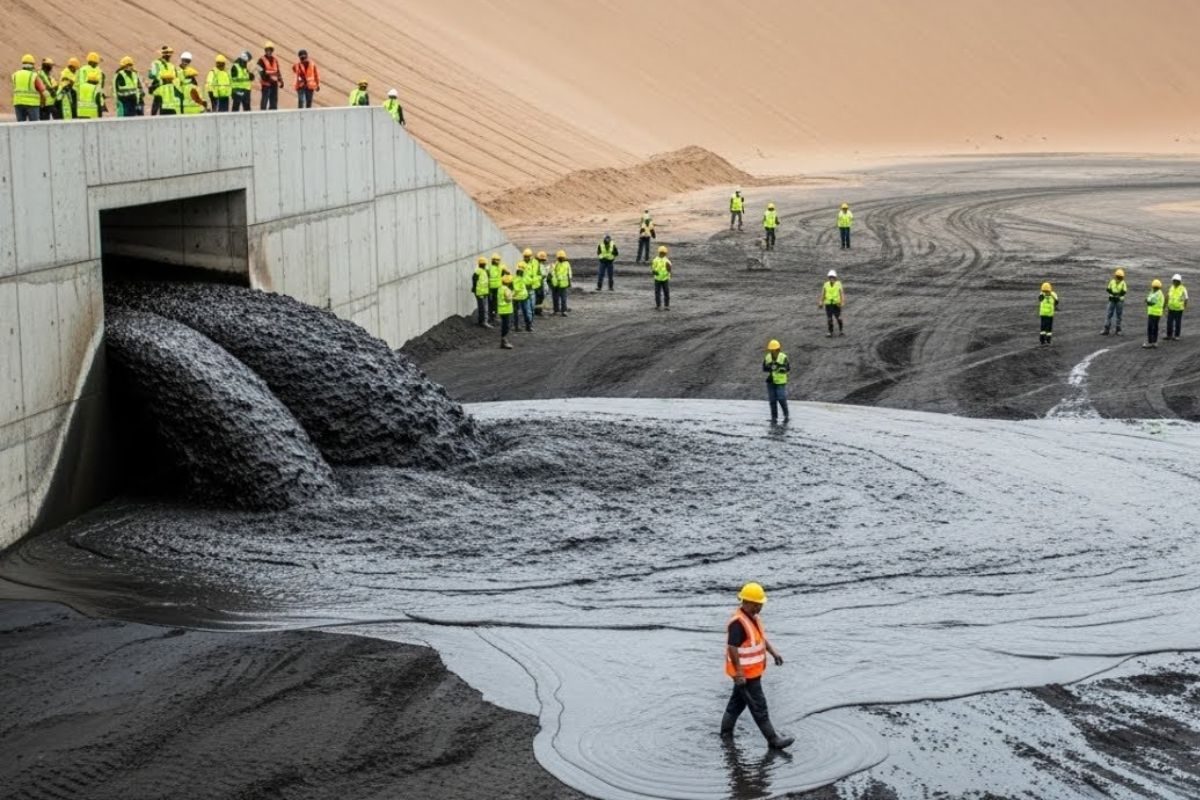
On July 18, 2025, a nearly 100-meter wall will begin operation in Colorado, hidden at the bottom of a valley that conceals the Chimney Hollow reservoir, a 690 million dollar project designed to store billions of gallons of water and confront decades of drought in the American West
On July 18, 2025, after work that began in 2021, the United States completed the Chimney Hollow dam in northern Colorado, a nearly 100-meter wall at the bottom of a valley designed to submerge an entire area and form a new freshwater reservoir. The project marks the country’s return to large water works after nearly four decades without new megadams, a period marked by strong environmental resistance and movements against this type of infrastructure.
In the last two decades, the American West has faced severe droughts, dwindling reservoirs, and increasing pressure on the Colorado River, a water source for tens of millions of people in states like Nevada, Arizona, Utah, California, and Colorado itself. In this context, Chimney Hollow was conceived as the centerpiece of a water security plan for over 500,000 residents of 12 communities in the Front Range area, betting on a reservoir that will take about three years to fill completely, depending on above-average snow and rainfall.
Why Did Colorado Decide to Build a Nearly 100-Meter Wall at the Bottom of a Valley

For much of the last century, the United States built over 90,000 dams.
-
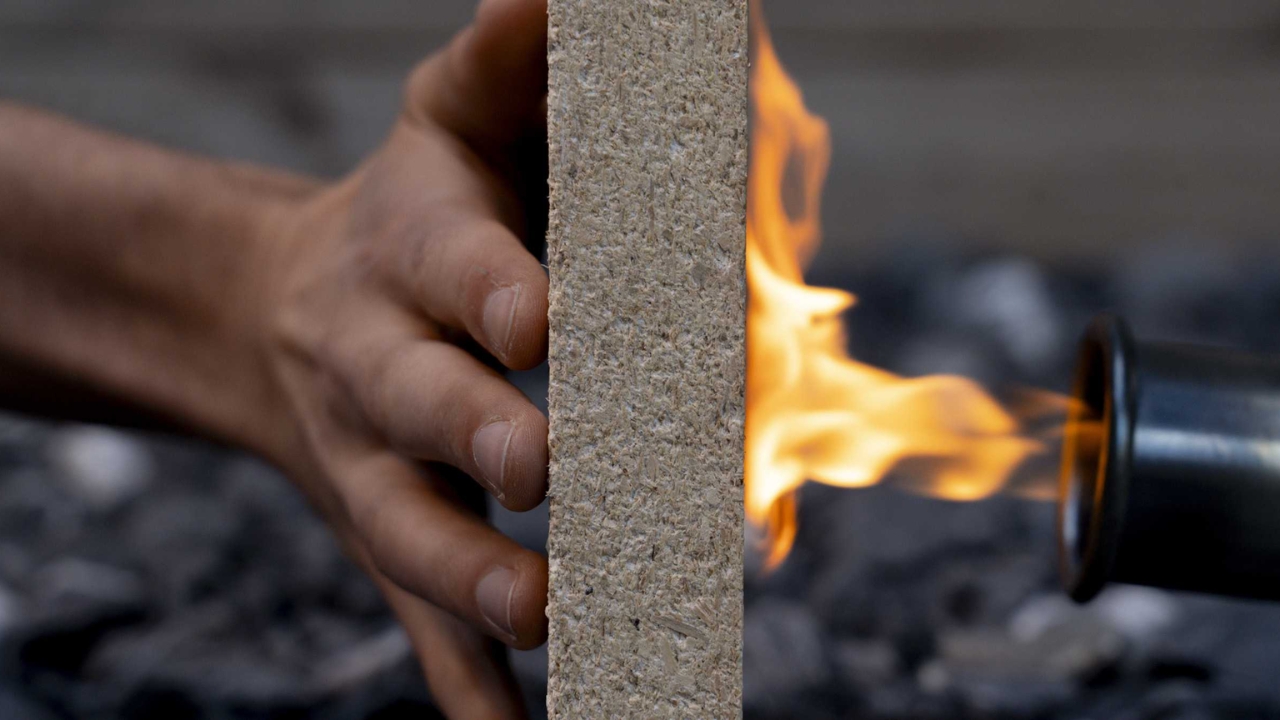
Scientists transform sawdust into fire-resistant panels, stabilize the compound with an enzyme extracted from watermelon seeds, and turn waste into promising material for construction.
-
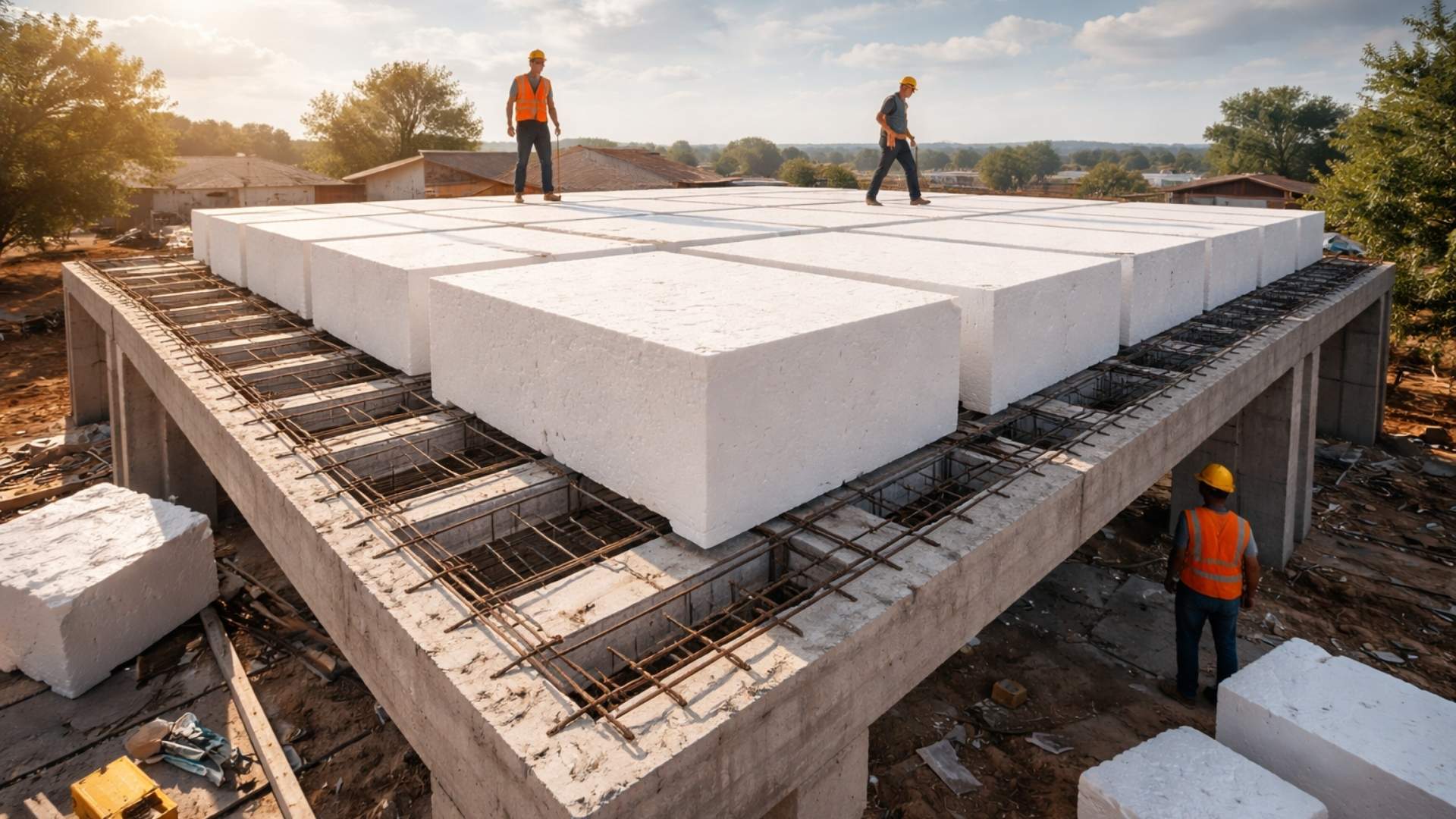
Forget concrete: architects are replacing tons of concrete with giant blocks of expanded polystyrene to build the roofs of houses and reduce structural weight by up to 50%, cut costs, improve thermal insulation, and speed up construction.
-
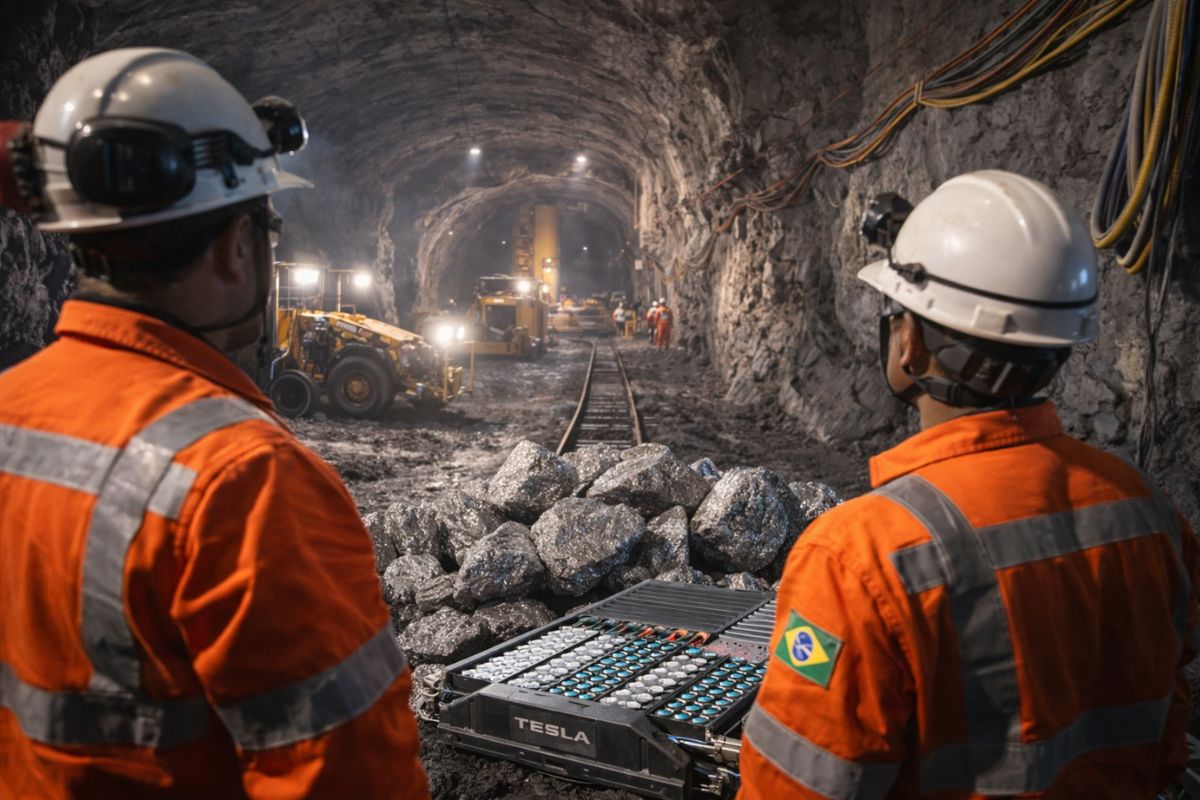
The Brazilian state enters the center of the global race for critical minerals by starting the construction of the largest underground nickel mine in Latin America, a mineral essential for electric car batteries that the entire world is competing for at this moment.
-
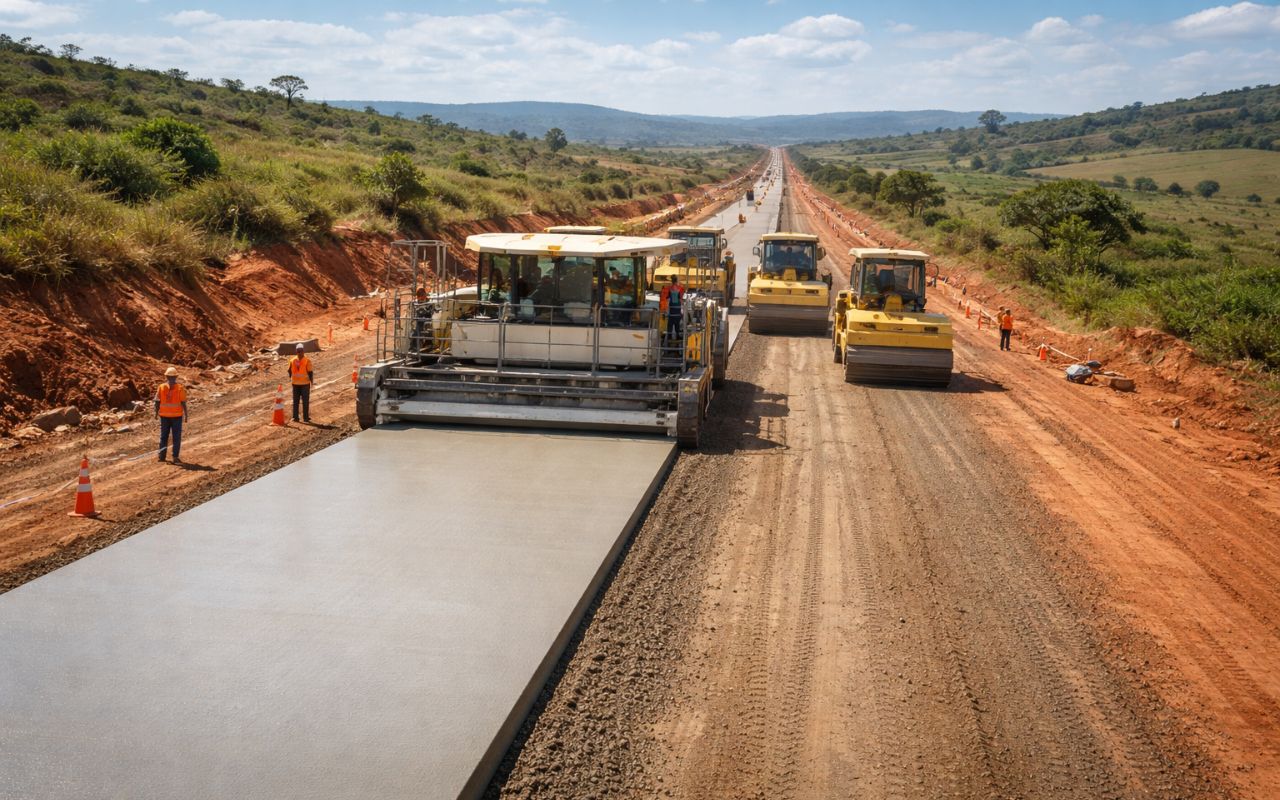
New CCR concrete paving technology promises roads up to 3x more durable, less maintenance, and cost reduction in Brazil.

However, from the 1980s onwards, a strong opposition movement practically halted all new large projects, associating dams with the destruction of rivers, valleys, and entire habitats.
The change begins with the combination of population explosion in the Front Range of Colorado and prolonged droughts in the West.
While desert cities began to face rationing and reservoirs like Lake Mead and Lake Powell fell to historically low levels, municipalities on the eastern side of the Rocky Mountains project to double their population by 2050.
Meanwhile, much of the water remains concentrated on the western side of the mountain range.
Each spring, snowmelt pours billions of cubic meters of water toward the Pacific, while the more populous east tends to become drier.
The response was to reposition this water on the map: by purchasing, in 2004, about 3,500 acres of a former Hewlett-Packard site near Loveland, the Northern Water consortium and Larimer County initiated the plan that would culminate in the nearly 100-meter wall at the bottom of a valley now occupied by the Chimney Hollow reservoir.
How Does the Chimney Hollow Dam and the Hidden Wall in the Valley Work

With a total investment of 690 million dollars, of which about 570 million were allocated to the main dam, Chimney Hollow does not follow the classic model of solid concrete.
It is a rock-fill dam, where compacted rocks form the main mass of the structure, while the center receives a special impermeable core.
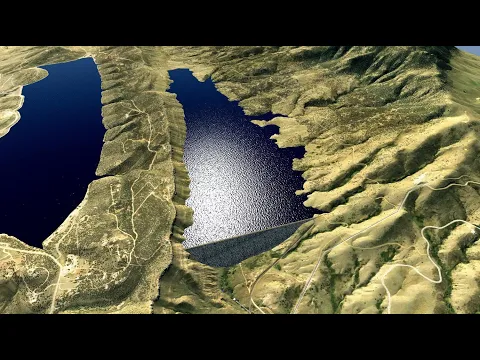
The result is a rock-fill wall with approximately 107 meters in height, curving along the valley, capable of storing enough water to supply the Denver region for several years during scarcity scenarios.
This nearly 100-meter wall at the bottom of a valley transforms the former canyon floor into a containment wall and the space above into a large artificial lake, invisible to those who only look at simplified maps but crucial for regional hydrological balance.
To the south, an auxiliary dam of about 12 meters serves as an additional safety barrier, preventing the water level from exceeding considered safe limits.
Engineers describe the structure as an organism that combines rigid and flexible components, designed to absorb pressure, accommodate load variations, and withstand extreme events.
Hydraulic Asphalt Core and Precision Engineering

One of the challenges arose during the excavation phase: upon reaching the bottom of the valley, teams discovered an insufficient amount of clay to form the impermeable core that typically seals this type of dam.
The solution came from technologies applied for decades in countries like Norway and Sweden, based on hydraulic asphalt core.
About 76,000 cubic meters of asphalt mixture heated to 150 degrees Celsius were produced at the job site and applied in alternating layers with gravel and rock.
The goal is to create an impermeable heart, flexible enough to adapt to thermal expansion without cracking, surrounded by millions of cubic meters of rock-fill that absorb water pressure.
Before that, it was necessary to erect a temporary dam, keep the valley dry, remove more than one million cubic meters of soil and hundreds of thousands of cubic meters of rock, lay a concrete base, and inject liquid cement into natural cracks, forming a curtain that reduces seepage in the rock mass.
Tunnels, Giant Pipes, and the Path of Water to the New Lake
The dam only makes sense within a much larger system.
The water that supplies Chimney Hollow does not originate in the flooded valley but travels through a subterranean network of tunnels and pipelines, considered the artificial circulatory system of Colorado.
The journey begins at the Windy Gap reservoir, passes through pumping toward Lake Granby, and continues through other bodies of water until entering the Adams Tunnel, about 21 kilometers long, excavated directly in the Rocky Mountains.
Next, the water passes through pressure control valves and travels through steel pipes with diameters greater than 3 meters until it reaches the Chimney Hollow reservoir.
The entire system is lined with concrete and monitored by sensors to reduce losses along the way.
The filling of the lake should occur slowly, over approximately three years, depending on snowmelt and more generous precipitation cycles.
Artificial Intelligence, Sensors, and Safety of a 100-Meter Dam
In addition to erecting a nearly 100-meter wall at the bottom of a valley, the project incorporated a digital layer of continuous monitoring.
More than 500 seismic and pressure sensors have been installed deep in the asphalt core and along the structure, recording everything from variations in water level to minimal vibrations caused by wind, pumps, and small earthquakes miles away.
The data is sent to the Northern Water control center, where artificial intelligence algorithms learn normal behavior patterns of the dam and look for signs of anomalies indicating leaks, shifts, or deformations.
Autonomous drones regularly fly over the cladding, generating three-dimensional maps centimeter by centimeter and helping to identify any surface changes.
The structure was designed to withstand significant seismic shocks and operates with safety margins that consider evaporation, sedimentation, and abrupt load variations, typical of reservoirs subject to more intense filling and draining cycles.
Submerged Valley, Compensatory Reforestation, and Environmental Criticism
Before the work, the Chimney Hollow valley hosted young pines, streams, camping areas, and typical mountain wildlife of Colorado.
With the closure of the dam, this entire landscape has been submerged under dozens of meters of water.
For many residents, it is an irreversible loss tied to childhood memories and recreational use of the territory.
As compensation, the state government and project managers promised to reforest an area twice the original size, planting two new trees for every lost tree and creating biological corridors around the lake to allow animals to continue to circulate.
Part of the funding comes from funds dedicated to protecting waterfowl and small native mammals.
Hydrologists warn of the risk of 15 to 20 percent reduction in downstream flow of the Big Thompson River during dry periods, threatening wetlands and agricultural systems that sustain tens of thousands of people in the Platte River basin.
The discussion opposes the need for urban water security to the preservation of ecosystems that depend on the natural flow of rivers.
The New Water Weapon of Colorado Against Decades of Drought
At full operation, Chimney Hollow is expected to function as Colorado’s water memory: storing volume in winter and spring during snowmelt and releasing flows in summer and fall when agricultural and urban demand peaks.
Vegetation belts around the lake, IoT sensors, and the combined use of satellites and drones aim to control evaporation, monitor water quality, and track sediment buildup.
For supporters of the project, the nearly 100-meter wall at the bottom of a valley is the price to pay for a system capable of ensuring potable water for half a million people in a more unstable climate scenario.
For critics, the dam symbolizes the insistence on large-scale solutions that postpone deeper debates about consumption, waste, and settlement models in arid regions.
Facing this dam that submerges an entire valley to create a strategic reservoir, do you think building a nearly 100-meter wall at the bottom of a valley is a necessary response to drought or an environmental cost too high for the future?








-

-

-

-

-

-

19 pessoas reagiram a isso.