





 Portuguese
  English
  Spanish
  5 min of reading
  4 comments


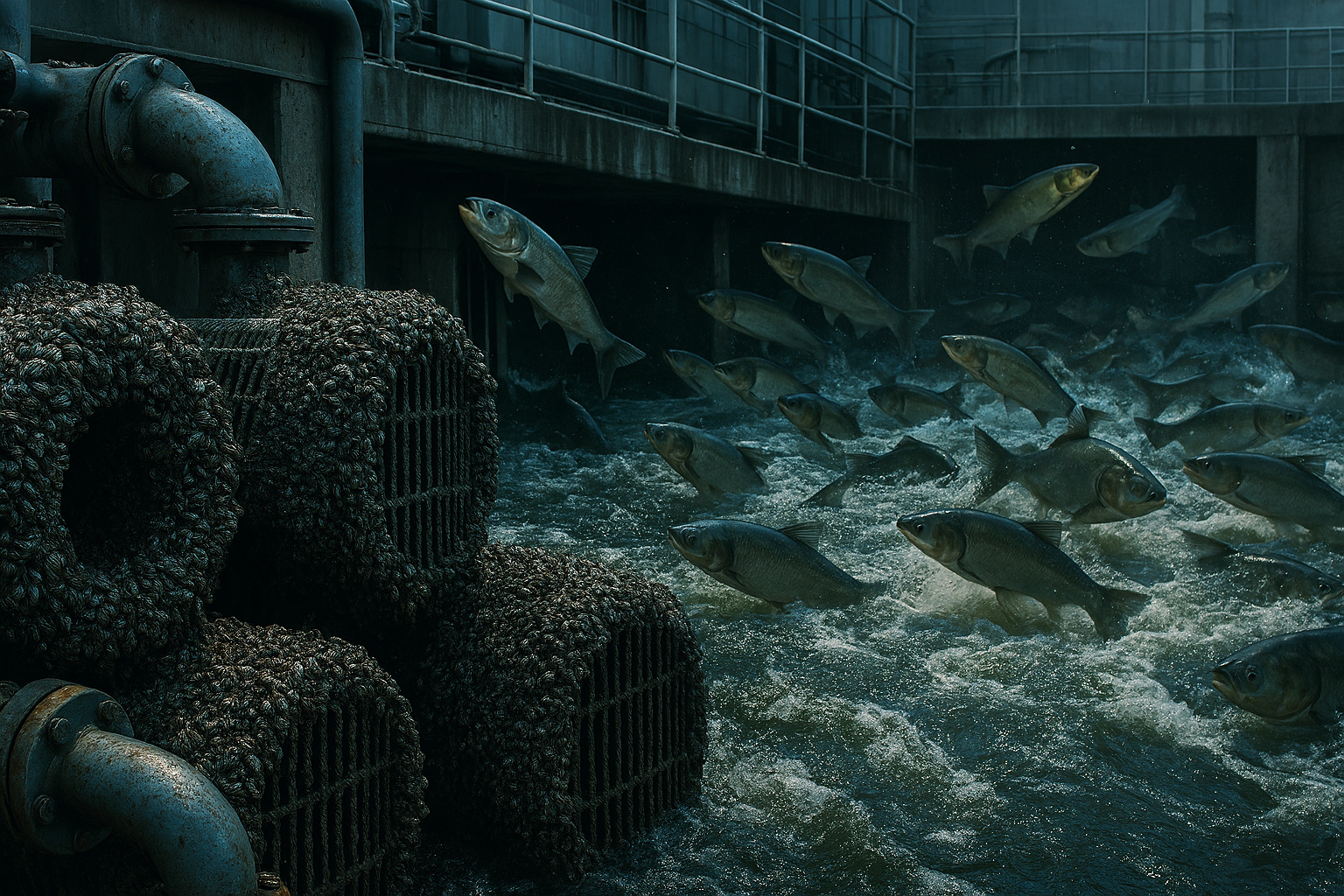


Invasive Aquatic Species Cost Up To US$ 120 Billion Per Year To The U.S., Affecting Hydroelectric Power, Energy, Agriculture, And Entire Rivers.
In the United States, few people outside the technical circles of energy, ecology, and water management grasp the true scale of the problem caused by invasive aquatic species. Far from being merely an environmental issue, the invasion of zebra mussels and Asian carp has turned into one of the largest silent economic liabilities in the country, with direct impacts on energy generation, water supply, navigation, agriculture, and the stability of entire ecosystems. Studies consolidated by federal agencies, universities, and scientific institutions indicate that the combined costs of damage, emergency maintenance, productive losses, and control programs already reach around US$ 120 billion per year.
How Invasive Aquatic Species Became A Billion-Dollar Problem In The U.S.
The crisis began in an apparently trivial way. The zebra mussel (Dreissena polymorpha) arrived in North America in the 1980s, inadvertently transported in ballast water from ships coming from Eastern Europe.
Asian carp—a group that includes species like silver carp, bighead carp, and black carp—were introduced decades earlier, initially for algae and waste control in aquaculture systems in the southern United States.
-
Home environment can influence the brain, mood, and well-being: studies indicate an increase of up to 15% in productivity, a reduction of 12% in stress with plants, and a direct impact of the circadian rhythm on the 24 hours of the day.

-
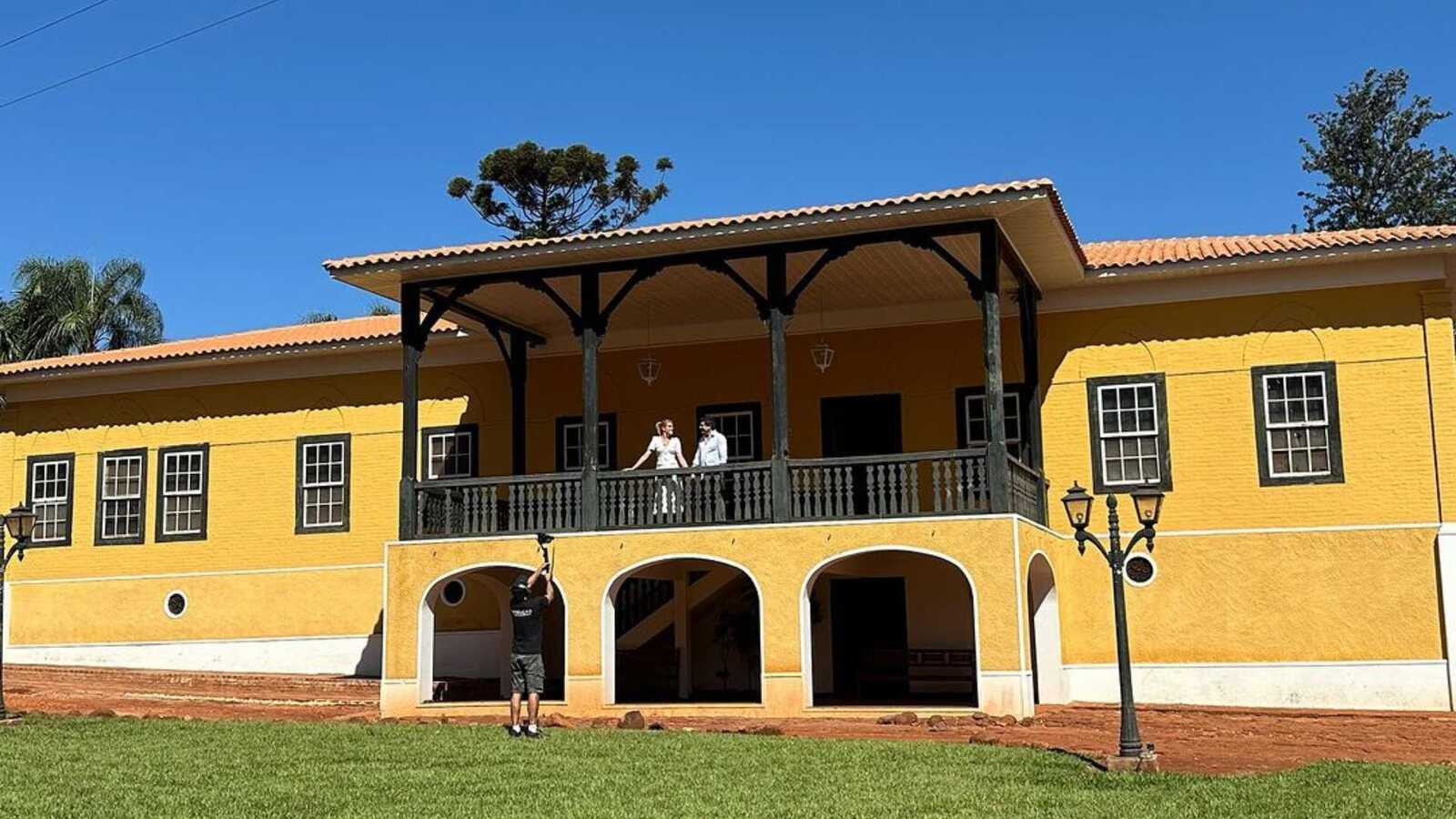
A Brazilian millionaire couple restores a farm over 150 years old in the interior of São Paulo and transforms the historic property with Portuguese tiles, antique furniture, and new spaces into a refuge that blends tradition, comfort, and sophistication.
-
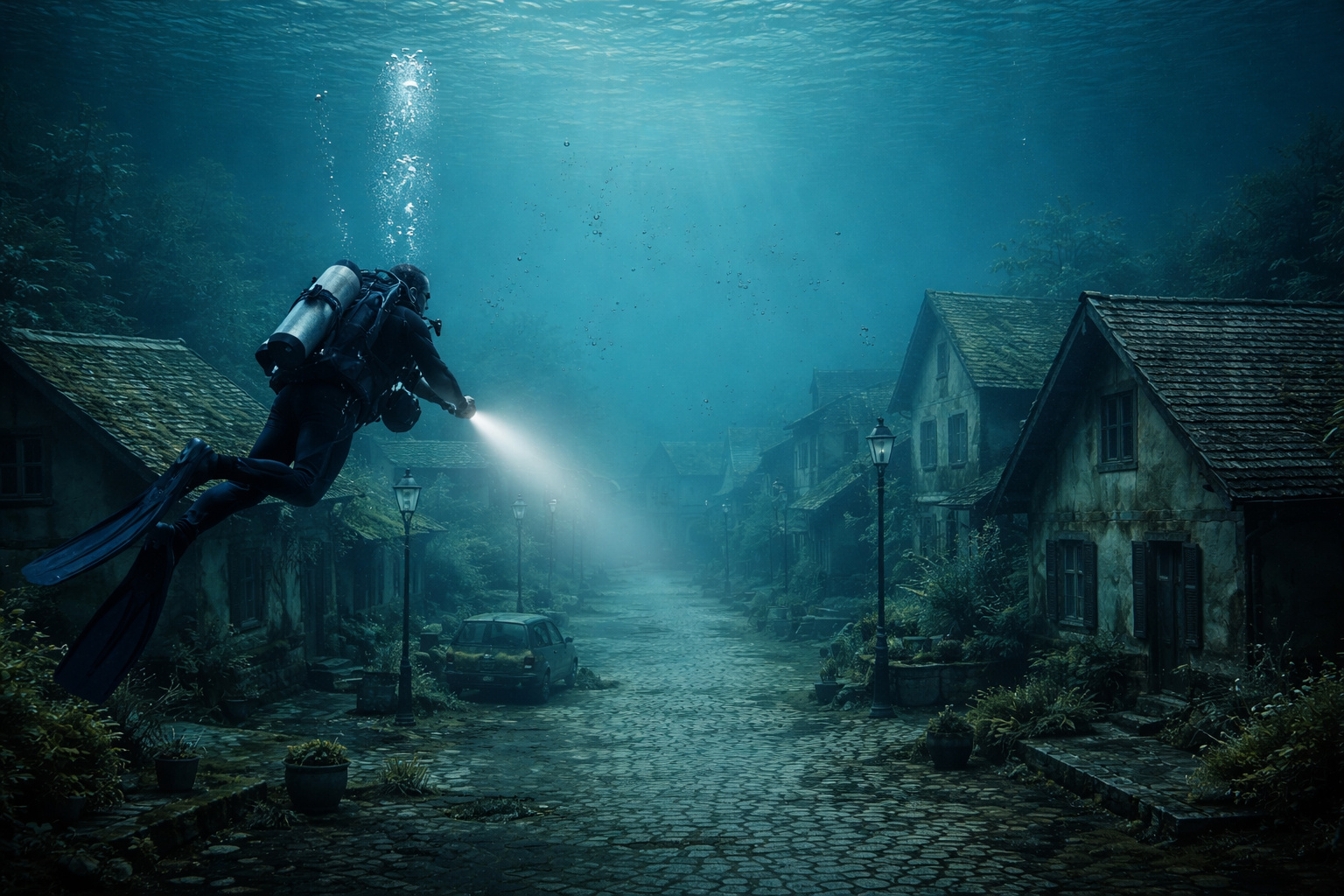
Submerged city in a lake in Minas reveals intact streets, preserved vehicles, and houses after more than 60 years, impressing divers.
-
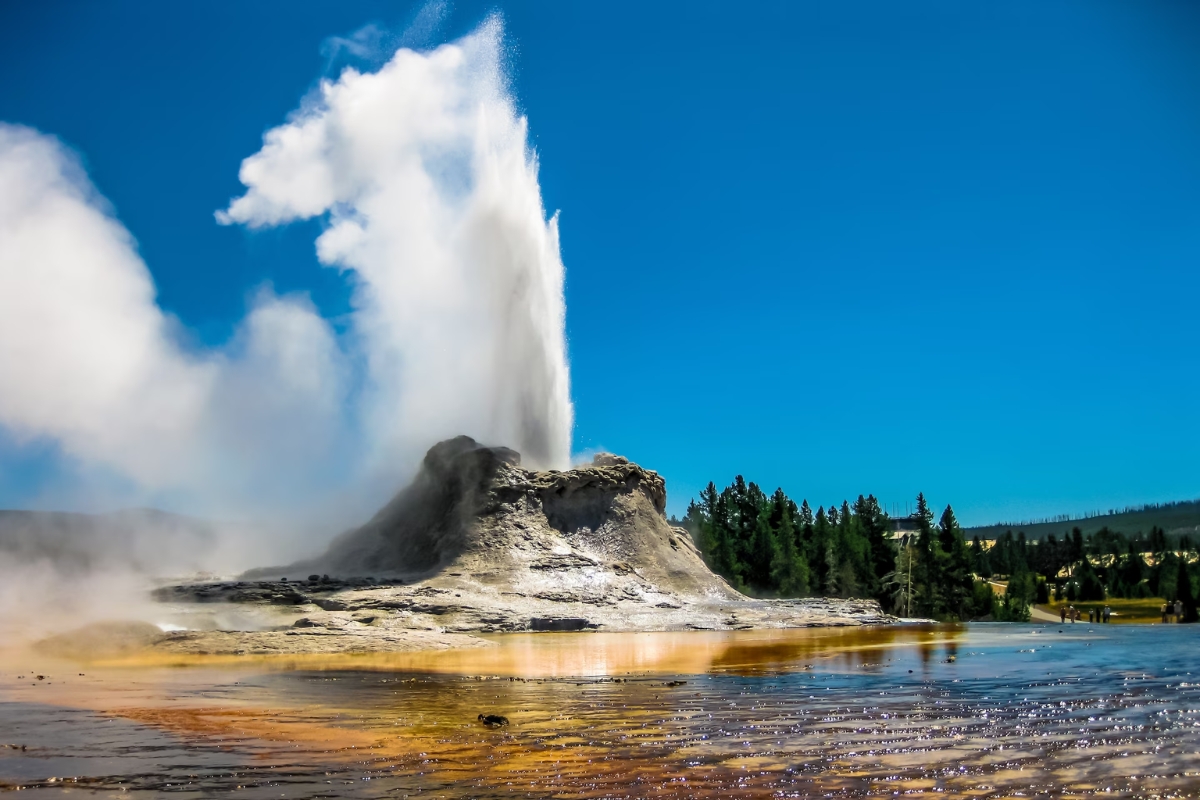
Yellowstone has started to rise again in an area of the caldera, and the movement rekindles fears surrounding the U.S. supervolcano, as scientists monitor the deformation and try to understand what is happening underground.
What seemed like a targeted solution turned into a long-term nightmare. Without sufficient natural predators and with favorable environmental conditions, these species spread explosively through rivers, lakes, and reservoirs, especially in the Mississippi River basin and the Great Lakes.
The Zebra Mussel And The Silent Collapse Of Water Infrastructure
The zebra mussel is small, but its impact is disproportionate. Each individual measures just a few centimeters but reproduces in impressive volumes.
A single female can release up to a million eggs per year. These mollusks attach themselves to any submerged surface, forming dense colonies that block pipes, valves, intake screens, and cooling systems.
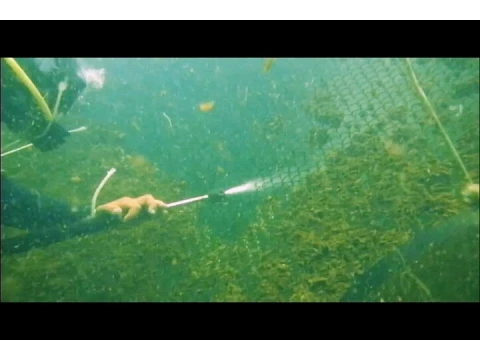

Hydroelectric plants, thermoelectric plants, water treatment stations, and industrial facilities are particularly vulnerable. Clogging caused by mussels reduces system efficiency, increases the risk of operational failures, and forces operators to stop functioning for constant cleaning.
In some cases, entire plants need to be shut down for emergency maintenance, generating direct costs and revenue losses.
Studies in the energy sector indicate that just cleaning and maintaining systems affected by zebra mussels consume billions of dollars per year. When indirect costs are added—such as loss of efficiency, increased energy consumption, and the risk of localized blackouts—the impact multiplies.
Asian Carp And The Threat To Large River Systems
While the zebra mussel acts as a “biological clog,” Asian carp represent an ecological threat at a continental scale. These species can reach large sizes, consume massive amounts of plankton, and directly compete with native fish for food.
In invaded rivers and lakes, the biomass of carp can account for over 90% of the total fish present. This leads to the collapse of entire food webs, affecting everything from commercial species to waterfowl and mammals that depend on these ecosystems.
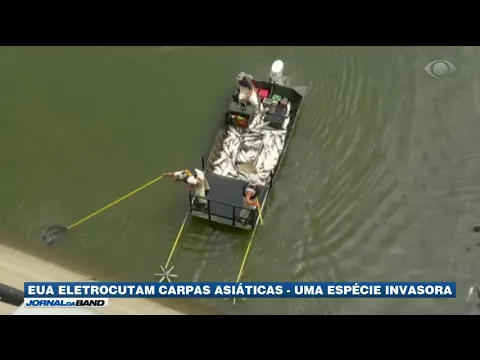
In the Great Lakes, U.S. authorities treat the potential permanent entry of Asian carp as a critical scenario.
The region supports one of the largest freshwater fisheries in the world, in addition to supplying millions of people and driving entire logistical and industrial chains. An irreversible advance of carp could cause economic and environmental damages that are difficult to measure.
Why The Electricity Sector Is One Of The Most Affected
The electricity sector ranks among the most affected because it directly depends on large volumes of clean water and a constant flow. Hydroelectric plants require intake free of obstructions, while thermal plants use water for cooling.
When mussels invade these structures, the risk is not just financial, but also operational and security-related.
There are records of plants that had to install permanent systems of chlorination, ultrasound, or special coatings just to keep mussels under control. These solutions drastically increase operational costs and require continuous monitoring.
Additionally, unexpected outages in generating plants can affect regional energy grids, driving up prices and increasing the vulnerability of the electrical system during peak consumption periods.
The Impact On Water Supply And Entire Cities
Cities also bear the cost. Water treatment stations face the same clogging and corrosion problems caused by zebra mussels. In highly infested regions, the cost of treatment per cubic meter of water increases significantly, and part of this cost is passed on to the final consumer.
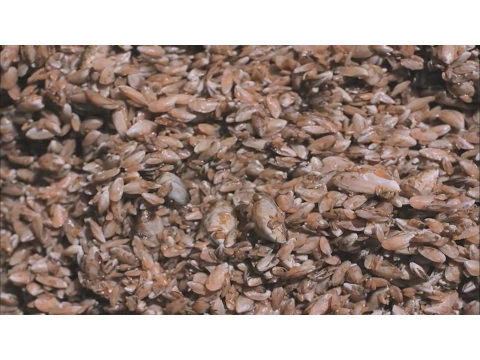
In lakes and reservoirs invaded by carp, water turbidity increases, quality decreases, and treatment becomes more complex. In some cases, municipalities need to seek alternative sources or invest in additional technologies to ensure potable water.
Why Eliminating These Species Became A National Priority
When it comes to “eliminating” mussels or carp, it is less about total eradication — something nearly impossible and more about aggressive containment to prevent even greater damage. The goal of American authorities is to prevent these species from reaching new strategic water systems and to reduce their populations in critical areas.
In the case of Asian carp, electric barriers have been installed in channels connecting the Mississippi River to the Great Lakes. Intensive fishing programs, use of special nets, and even controlled chemical methods are part of the adopted strategies.
For the zebra mussel, the focus is on prevention and local control. Boats are required to undergo rigorous cleaning processes when transitioning between bodies of water, and critical facilities adopt increasingly sophisticated technologies to prevent the attachment of mussels.
How Costs Reached The Mark Of US$ 120 Billion Per Year
The estimated value of US$ 120 billion annually does not refer to a single program or government budget. It represents the sum of direct and indirect losses associated with invasive aquatic species in the United States. This includes:
- Costs of maintenance and cleaning of energy and water infrastructure
- Losses in commercial and recreational fishing
- Impacts on irrigated agriculture and river transport
- Public spending on monitoring, research, and control
- Ecological damages that affect essential environmental services
When analyzed together, these factors show that the problem has ceased to be isolated and has transformed into a structural risk for the American economy.
An Environmental Problem That Turned Into An Economic Security Issue
The invasion of the zebra mussel and Asian carp illustrates how ecological imbalances can lead to deep and lasting economic consequences. What started with the inadvertent introduction of exotic species now pressures strategic sectors, compromises critical infrastructure, and demands continuous investments to avoid even graver scenarios.
Behind the scenes, engineers, biologists, public managers, and energy operators treat the issue as a race against time. Every river or lake lost to these species represents more costs, more risks, and less room for maneuver in the future.
The American case serves as a global warning: when invasive species escape control, the price is not only paid by nature but by the entire economy.







Kill the people creating the bullshit! End of conversation!
PARA REDUZIR OU ATÉ ELIMINAR ESTAS ESPÉCIES INDESEJÁVEIS, ENTÃO É SÓ COLOCAR ESPÉCIES DE PEIXES CARNÍVOROS, COMO : ROBALO BRASILEIRO(QUE SE ESCONDE EM TOCAS DE PEDRAS FRESTAS, E RACHADURAS DE PEDRAS E ÀS VEZES DE BARRANCOS TAMBÉM, ALÉM DOS MANGUEZAIS, EM REGIÕES AMENAS(FRIA): O PINTADO GAÚCHO, EM REGIÕES QUENTES(TROPICAIS) MUITOS TIPOS DE BAGRES BRASILEIROS, E ATÉ O PIRARUCU(ESTE ÚLTIMO NÃO É BAGRE)MAS, É UM EXCELENTE PEIXE CARNÍVORO, PASSANDO TRANQUILAMENTE A MAIS DE 100 QUILOGRAMA, E TEM UMA CARNE SABOROZÍSSIMA, COM FILÉ DE PRIMEIRÍSSIMA QUALIDADE, E TEM POUQUÍSSIMAS ESPINHAS!!!
por que eles não comem mexilhões-zebra e as carpas asiáticas?!