





 Portuguese
  English
  Spanish
  2 min of reading
  0 comments



United States Successfully Tests Defense Against Hypersonic Missile Using Aegis System: Impressive Strategic Advance.
In an important milestone for national security, the United States successfully conducted an interception test using its advanced Aegis combat system, designed to neutralize threats such as the feared hypersonic missile.
The operation was conducted in partnership by the U.S. Navy, the Missile Defense Agency (MDA), Lockheed Martin, and other defense industry partners, demonstrating the strength of collaboration between the military and private sectors.
Realistic Simulation Involved Aerial Launch and Naval Response
The defense drill involved the use of a C-17 Globemaster III aircraft, which launched a Medium Range Ballistic Missile (MRBM) with the Hypersonic Test Vehicle-1 (HTV-1).
-
The German “steel monster” weighing 55 tons fires up to 10 projectiles per minute at over 40 km and avoids counterattacks on the battlefield by moving quickly to escape enemy attacks; meet the Panzerhaubitze 2000.

-
USS Gerald R. Ford, the largest aircraft carrier in the world, returns to sea after a fire in the laundry in the Red Sea; repaired in Crete, it resumes missions of Operation Epic Fury against Iran.

-
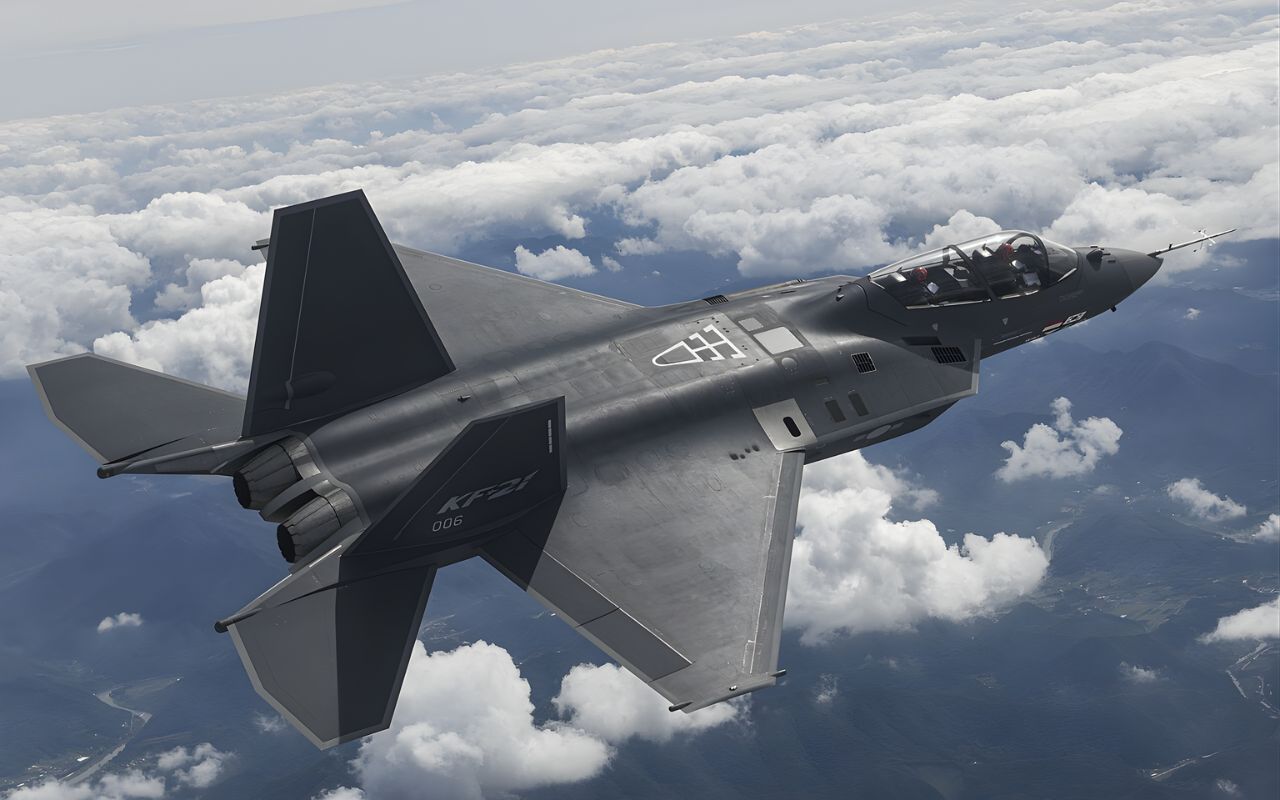
Military power: South Korea’s new KF-21 fighter jet will be a key component in replacing the aging aircraft of the air force, placing the country on the map of air military powers.
-
With 310 meters, 80 thousand tons, and capable of operating for 45 years, the new nuclear aircraft carrier France Libre will be the largest in France and will enter service in 2038.


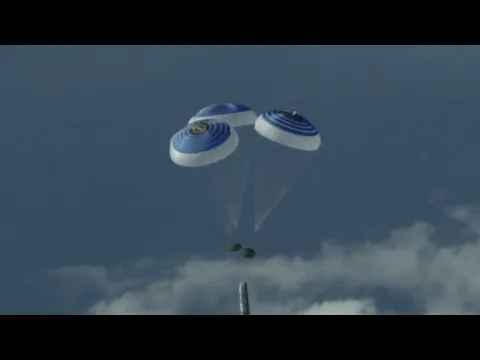
After being released in mid-air with the help of parachutes, the missile was propelled by a rocket stage, reaching speeds exceeding Mach 5 — a hallmark characteristic of hypersonic weapons — while gliding toward the ground.
During this process, the USS Pinckney destroyer was tasked with simulating an interception.

Using a virtual Standard Missile-6, the ship demonstrated the Aegis Combat System’s ability to detect, track, and respond to a hypersonic threat in real time.
Aegis System Highlights Evolution and Versatility in Modern Defense
The digital simulation replaced the use of a real missile, which would have cost over 4 million dollars. Nevertheless, the results were deemed extremely effective.
“Our Aegis Combat System successfully defended against a simulated hypersonic threat,” said Chandra Marshall, vice president of Lockheed Martin.
Originally developed in the 1970s, the Aegis is currently installed on 110 warships across seven navies around the world.
With the Baseline 9 version, the system reinforces its position as a robust solution against new threats, such as the hypersonic missile, which represents one of the greatest challenges for traditional air defenses.
Hypersonic Missile Reinforces Defensive Supremacy of the United States
The recent demonstration not only consolidates the technological advantage of the United States but also sends a clear message to potential adversaries: U.S. hypersonic defense capability is rapidly evolving.

With the Aegis adapted to the new realities of the battlefield, the country reinforces its commitment to the protection of its forces and allies in an increasingly volatile geopolitical landscape.









-

Uma pessoa reagiu a isso.