





 Portuguese
  English
  Spanish
  4 min of reading
  0 comments


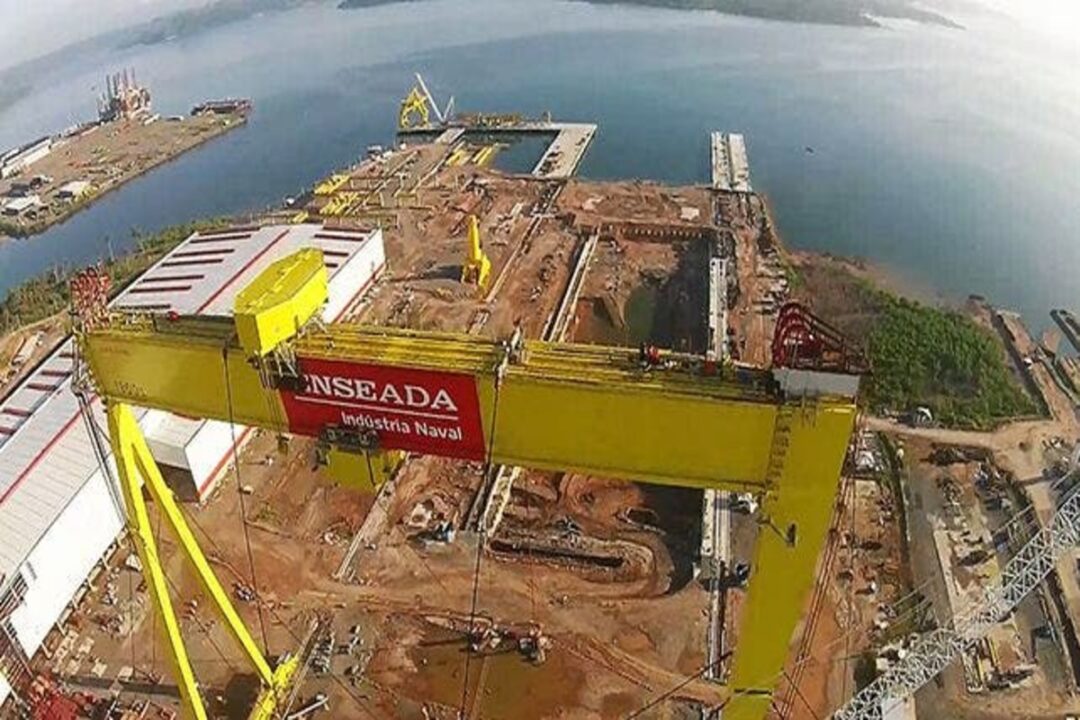
With New Ambitious Projects, The Shipyard Resumes Its Activities to Stir The Local Economy, Creating Hundreds of Jobs and Investing in Sustainable Technologies. Moreover, Its Operations Now Go Beyond Shipbuilding, With Investments Focused on The Future of Clean Energy.
The Enseada Shipyard, located in Maragogipe, in the Recôncavo Baiano region, is reactivating its operations and bringing new life to the Brazilian naval sector. With a robust history of involvement in large projects, the shipyard is back in action after a period of inactivity, focusing on the construction of barges — essential vessels for the transport of products. The project will be developed in partnership with Tenenge, another company of the Grupo Novonor, and is expected to bring a significant transformation to the region’s economy.
Among the main expected results of this resumption are the creation of around 300 direct jobs and up to 900 indirect vacancies, bringing a significant impact both to the local community and to the Bahian economy. The 80 barges, which will be built with the capacity to transport up to 2,900 tons each, demonstrate the strength of the enterprise, which aims to strengthen the national maritime transport sector.
Billion-Dollar Investment and State-of-the-Art Infrastructure
The Enseada Shipyard was originally designed to operate in the construction of offshore units, with an emphasis on oil platforms and specialized vessels. The shipyard is considered one of the largest private investments in the Brazilian naval industry, with approximately USD 1 billion already injected into its infrastructure. This amount allowed the creation of an advanced industrial space capable of processing more than 100,000 tons of steel per year, and features 1,000 meters of dock for the mooring of large vessels.
-
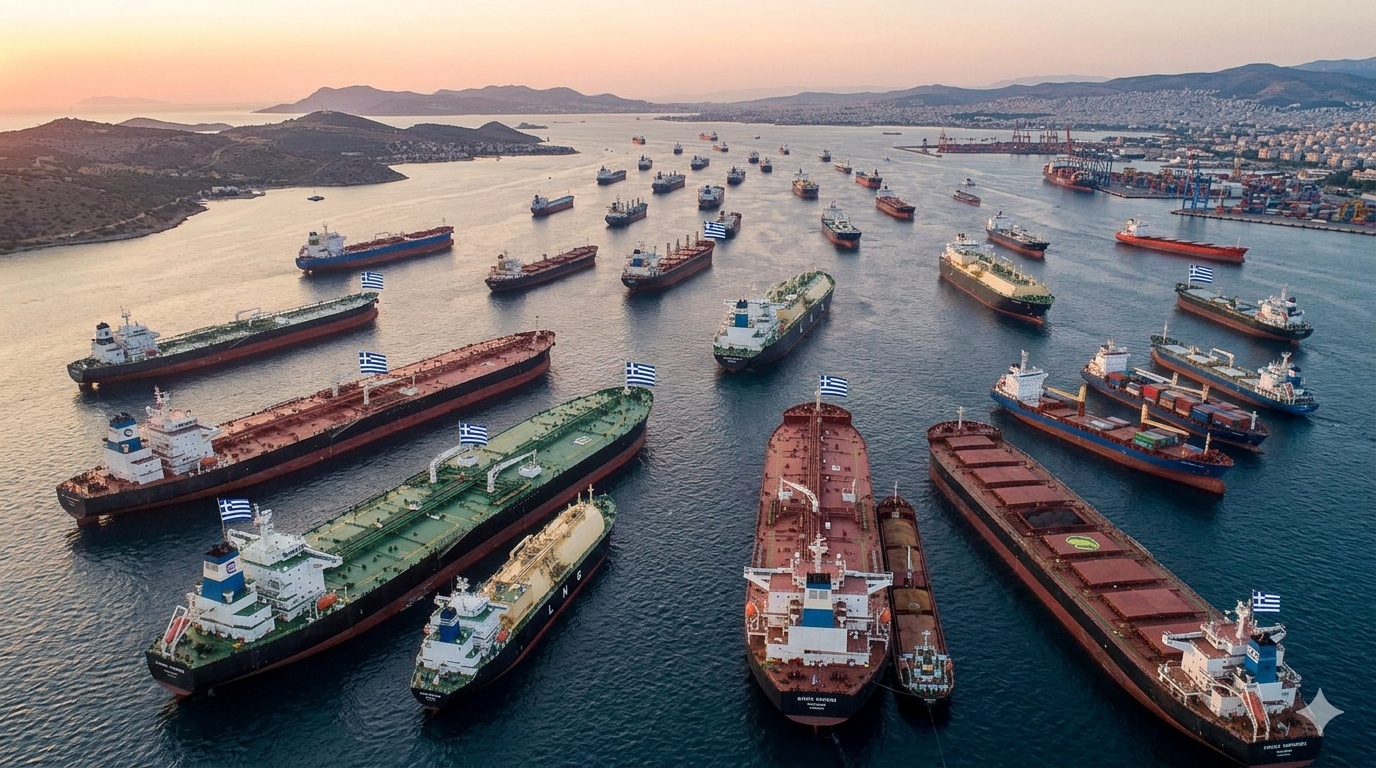
Neither the USA nor China: a small European nation has become one of the largest maritime powers on the planet, controlling one of the largest merchant fleets in the world with thousands of ships and dominating the global transportation of oil and strategic cargo.
-
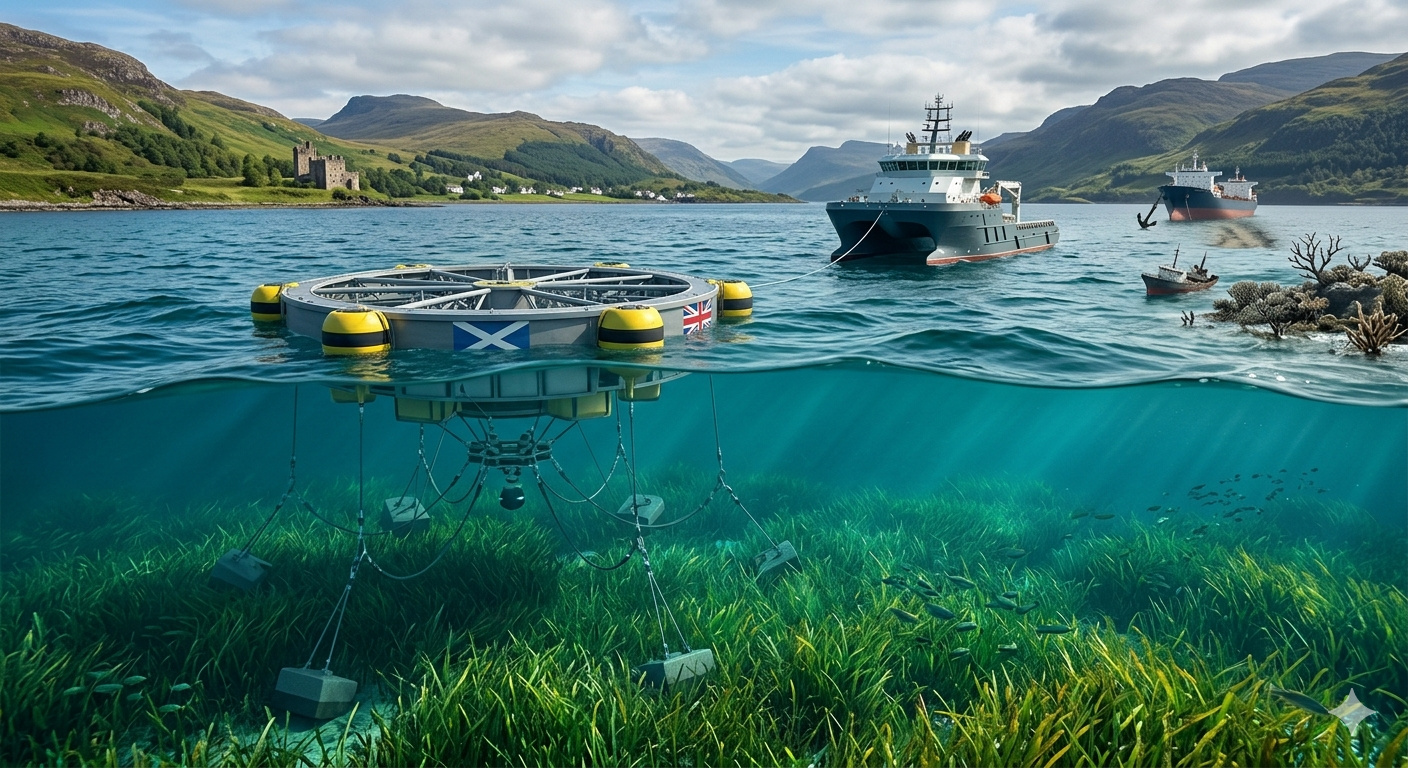
Scotland and the United Kingdom have created a new anchoring system that floats in the water without touching the seabed, after discovering that the current from a conventional anchor destroys up to 50 m² of seagrass meadow per event and that ship-damaged reefs showed no signs of recovery even ten years later.
-
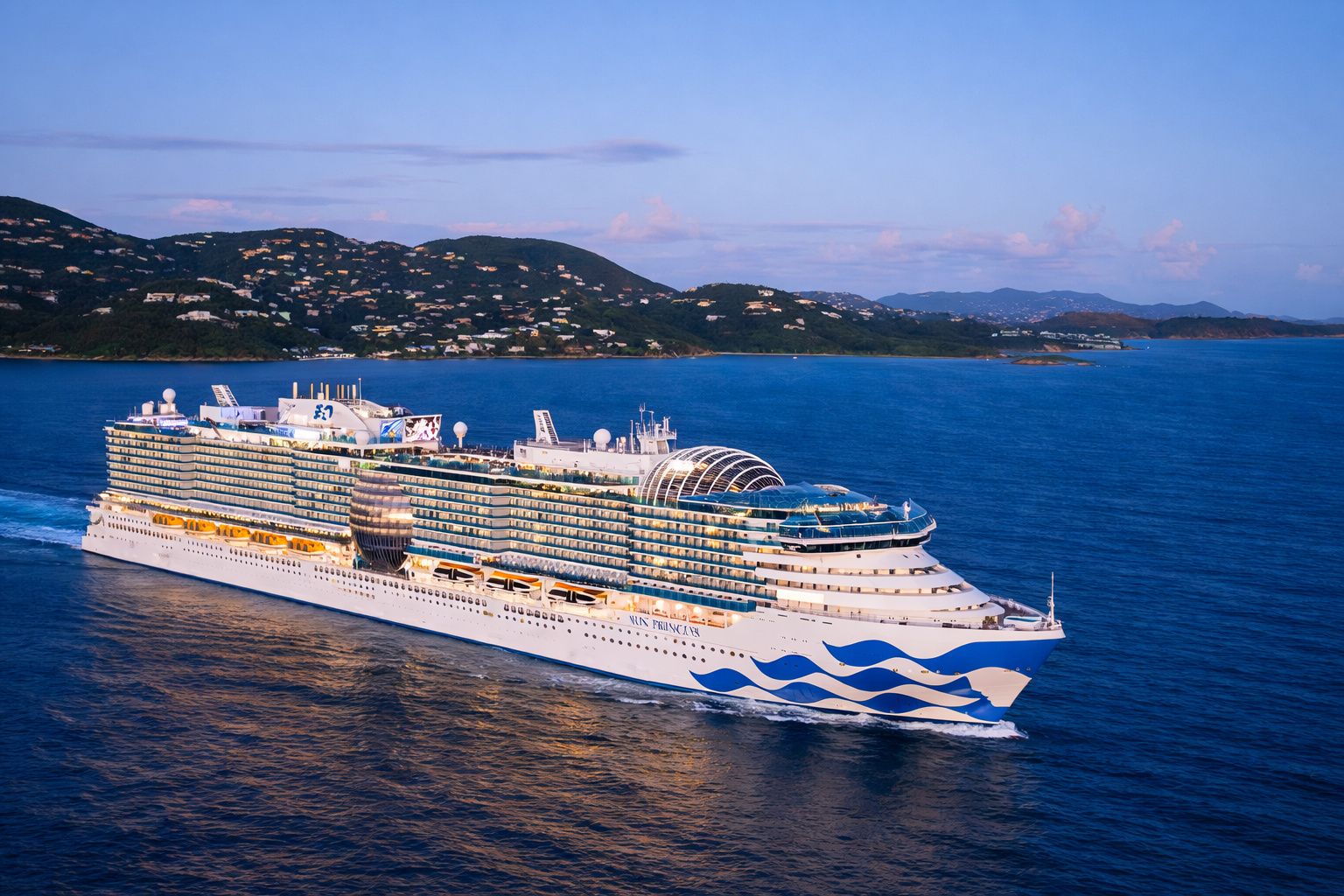
Weighing 175,500 Tons, Measuring 345 Meters Long, and With Capacity for Over 4,300 Passengers, the Sun Princess Becomes the Largest Ship Ever Built by Princess Cruises and Attracts Global Attention for Its Huge Glass Dome Inspired by Santorini’s Architecture Installed on Top of the Vessel
-
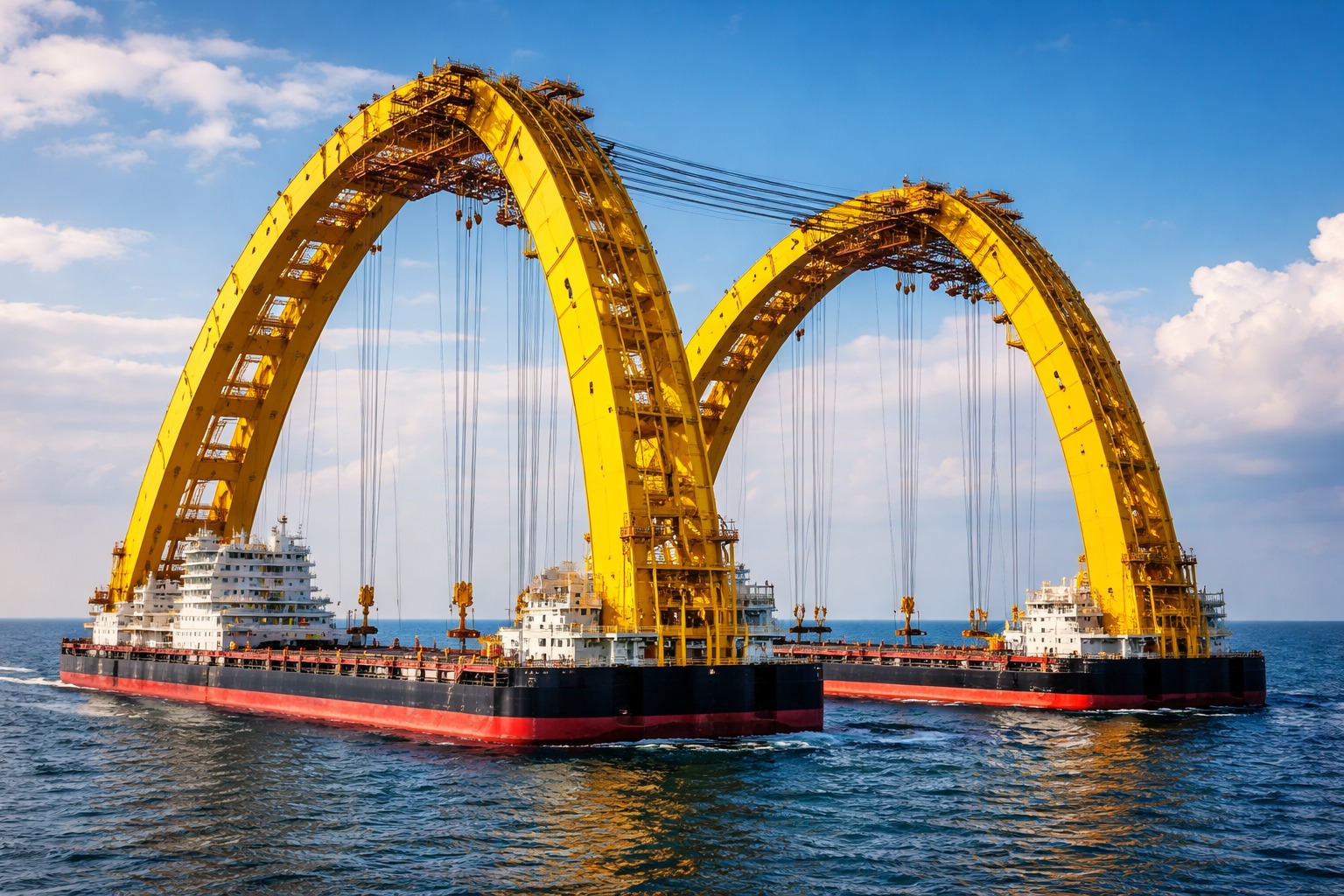
TX-10, The Colossus of The Sea: Largest Lifter Ship in The U.S., With Two Giant Barges, 73-Meter Tall Structure, and Strength to Raise 7,500 Tons of Sunken Oil Rigs
This infrastructure places Enseada among the main industrial hubs in Brazil, prepared to meet not only the demand from the oil and gas sector, but also to diversify its operations in other areas. The strategic location of the shipyard, in the Recôncavo Baiano, is another key factor for its competitiveness, allowing easy access to maritime routes and facilitating the logistics of large projects.
Diversification of Activities: More Than Just a Shipyard
In addition to shipbuilding, the Enseada Shipyard stands out for operating its Private Use Terminal (TUP), a customs area of 750,000 m² used for the export and import of bulk solids — both minerals and vegetative — and general cargo. This expands the shipyard’s scope of activities, making it an important player not only in the naval industry but also in the logistics and industrial sector.
In recent years, Enseada has also entered the renewable energy market, focusing on the construction of components for wind turbines and attracting projects related to green hydrogen. This initiative reflects the shipyard’s pursuit of greater sustainability and alignment with global energy transition trends, while also reinforcing Brazil‘s role as one of the major producers of clean energy in the world.
Tenenge and Grupo Novonor: Tradition and Innovation Drive The Project
The partnership between the Enseada Shipyard and Tenenge, both belonging to the Grupo Novonor, represents the union of forces from two companies with extensive experience in the engineering and construction market. The Grupo Novonor, which will celebrate 80 years in 2024, has a long history of significant contributions to the development of essential sectors of the Brazilian economy, including infrastructure, civil construction, petrochemicals, and mobility.
By resuming operations at the shipyard, the Group reinforces its commitment to the socioeconomic development of Brazil, investing in innovative technologies and local workforce training. Novonor’s legacy of excellence is consolidated by a technical and specialized approach, which directly reflects on the quality of the projects carried out.
Socioeconomic Impact: Job Creation and Regional Development
The return of operations at the Enseada Shipyard not only stirs the local economy but also provides a large number of direct and indirect jobs in the Recôncavo Baiano region. For each direct job generated at the shipyard, three indirect jobs are created in the production chain, impacting various related sectors such as logistics, material supply, and auxiliary services.
The creation of 300 direct jobs is just the beginning. With an expected up to 900 indirect vacancies, the economic movement can generate a positive ripple effect for the entire region. Moreover, the project’s impact goes beyond the economic sphere, offering better professional training opportunities for the local population and strengthening the development of a more qualified workforce for the industrial sector.





Seja o primeiro a reagir!