





 Portuguese
  English
  Spanish
  4 min of reading
  0 comments


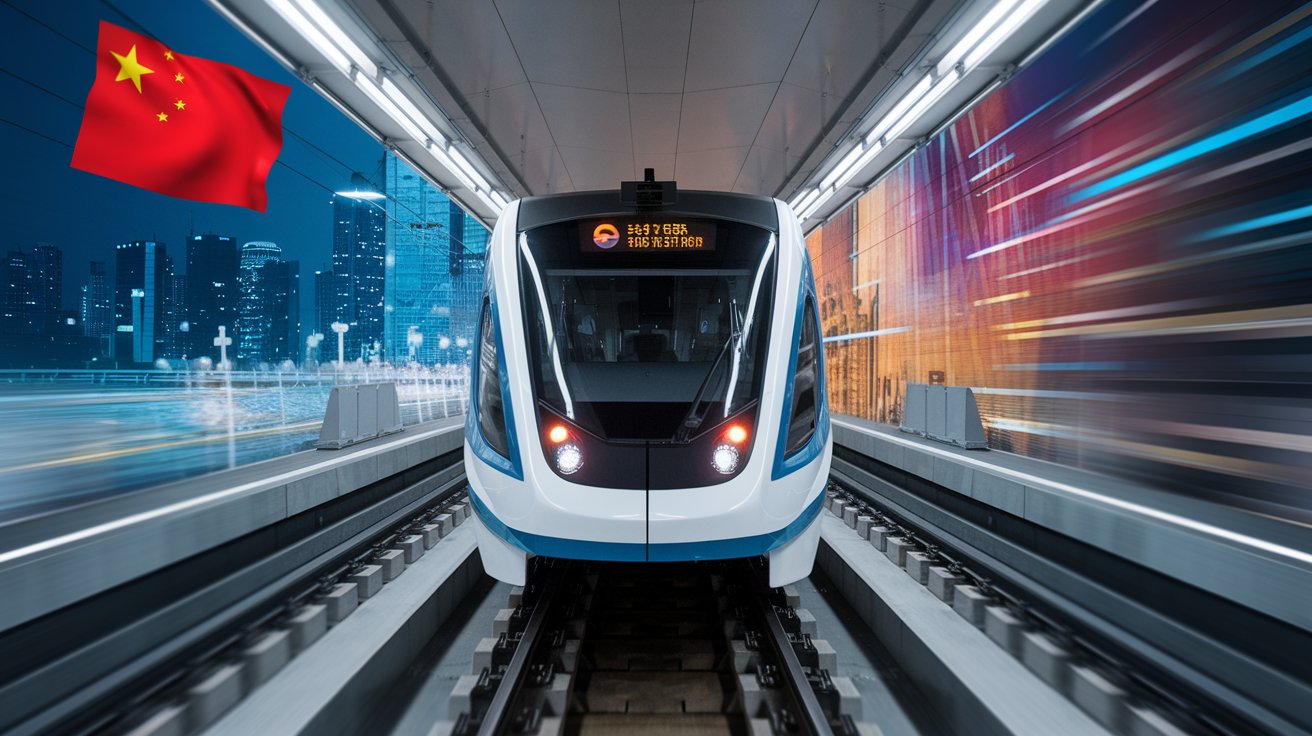
China Sets Foot in Brazil! State Giant Wins Billion-Dollar Bid to Supply 44 Trains to São Paulo Metro. The New Trains, Without a Driver’s Cab, Are Set to Revolutionize Public Transport in São Paulo.
The São Paulo Metro has taken an important step to modernize its fleet and expand its lines.
In a tight competition with the French giant Alstom, the Chinese manufacturer CRRC won the bid to supply 44 new trains to the metro system of the state capital.
The contract was approved on March 18 by the State Government, through the Metropolitan Transport Secretariat.
-
Brazil Ignores Trump’s threats to BRICS, Buys 42 tons of gold and reduces the Dollar’s share by 6.45% in international reserves.

-
The village where two rivers run side by side without mixing in Santarém and Alter do Chão reveals some of the most beautiful freshwater beaches on the planet.

-
Havan buys historic football land in Blumenau for a million-dollar amount protected by a confidentiality clause and is already planning to change even the layout of streets to build a megastore in half-timbered style costing 80 million reais.
-
Brazil’s nuclear submarine with a speed 5 times greater than normal advances after nearly 50 years and R$ 40 billion spent.

Expansion and Modernization of the Lines
The CRRC proposal, with a total value of R$ 3.104 billion, encompasses the supply of 264 metro cars, which will strengthen the fleet of Lines 1-Blue, 2-Green, and 3-Red.
The acquisition of these trains comes at a strategic moment for the São Paulo Metro, as the expansion of Line 2-Green, which will be extended to Penha and later to Dutra, demands greater transport capacity.
The goal is to optimize passenger flow and improve service quality.
Technological Innovations in Fleet R
The novelty brought by CRRC to the São Paulo Metro lies in the innovation of the trains.
The new fleet, which will be named Fleet R, will have as one of its striking features the absence of a driver’s cab.
This model approaches a system of autonomous operation, something the Metro aims to extend to other lines in the system.
Despite this innovation, the initial proposal anticipates the installation of a cab module to ensure greater safety and operational flexibility in the first units.
National Manufacturing Can Reduce Costs
CRRC, through the CRRC Sifang do Brasil Consortium, is a giant in the urban mobility sector and already has experience in manufacturing high-tech trains.
The company, which is one of the largest train manufacturers in the world, has as one of its main attractions the possibility of manufacturing the new trains in Brazil, which could reduce production costs and optimize supply logistics.
According to the governor of São Paulo, Tarcísio de Freitas, national manufacturing can be an important alternative to lower costs and encourage the local industry.
Delivery Schedule and Costs
Each train, composed of six cars, will have a unit cost of R$ 64.5 million, with the delivery of the first unit scheduled for 21 months after the contract signing.
The forecast is that the entire fleet will be delivered to the São Paulo Metro within four years and ten months, ensuring reinforcement of the metro infrastructure within a well-defined schedule.
Impact on Urban Mobility
The acquisition of these trains is part of a continuous effort by the São Paulo Metro to improve transport capacity and modernize the system, which serves millions of passengers daily.
The growing demand for quality public transport in the state capital requires authorities to invest in modernizing their fleet and improving operations.
Competition and Supply Strategy
The competition between CRRC and Alstom was a noteworthy part of this bidding process, with both companies vying for the chance to be responsible for supplying the new trains.
CRRC’s victory, however, represents the consolidation of its presence in Brazil and an important step towards strengthening the mobility industry in the country.
Future of Mobility in São Paulo Metro
Additionally, the acquisition of these trains by the Chinese state-owned company is expected to directly impact the logistics and costs of the São Paulo Metro, allowing the operation of the system to become more agile and efficient.
The modernization of the fleet and the implementation of advanced technologies are expected to benefit not only passengers but also the entire public transport network of the city.
What’s Next for São Paulo Metro?
With the expected delivery of Fleet R by 2029, the coming years are set to be remarkable for the São Paulo Metro, preparing to receive a new generation of trains and expand its services, always focusing on innovation and continuous improvement in the service provided to the population.
Partnership for More Efficient Transport
The partnership between CRRC and the São Paulo Metro goes far beyond a simple supply contract.
It is a reflection of the relentless pursuit of a more efficient, safe, and modern transport system, aligned with the needs of the largest city in Latin America.
The impact of this acquisition will be significant for the future of urban mobility in Brazil and is expected to reflect in higher quality, accessibility, and sustainability in public transport.





-

Uma pessoa reagiu a isso.