





 Portuguese
  English
  Spanish
  3 min of reading
  0 comments


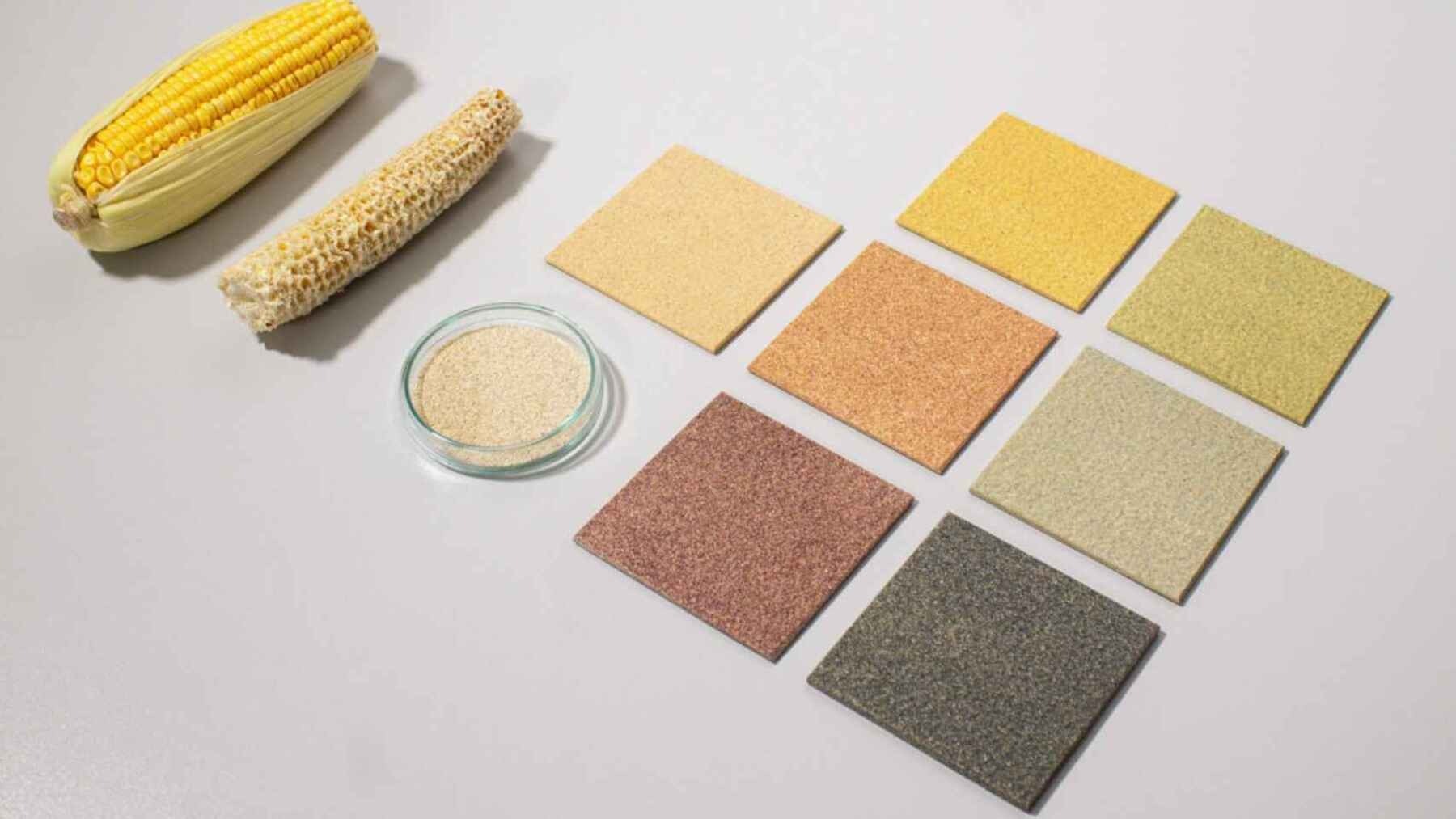
Developed by European Companies, CornWall Emerges as Building Material Produced from Corn Waste, Focusing on Reducing CO2 Emissions, Reusing Food Waste, and Providing Viable Technical Alternative for Coatings, Walls, and Applications in Contemporary Civil Construction
The climate crisis has accelerated changes in the construction industry, prompting engineers and architects to seek sustainable materials. In this context, European companies have developed CornWall, a material produced from corn waste, with a lower environmental impact, reduced CO2 emissions, and potential applications in architectural and interior design projects.
Climate Crisis Pressures the Construction Industry
The intensification of the climate crisis has triggered a profound reassessment of traditional materials used in civil construction. Engineers and architects have begun to question conventional practices and seek solutions that reduce environmental impacts throughout the entire production cycle.
This movement takes place against the backdrop of the need to decrease emissions, reduce the consumption of non-renewable resources, and rethink industrial processes historically associated with high levels of pollution and waste.
-
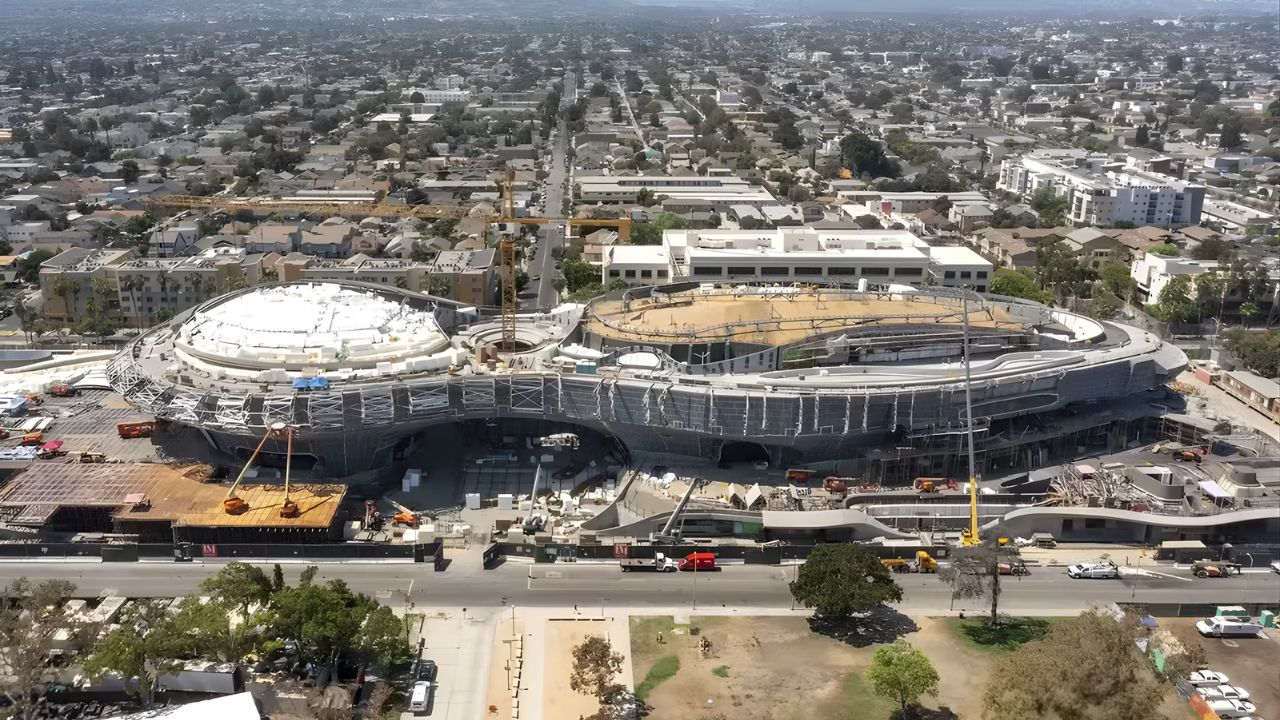
Created by George Lucas with over $1 billion, a futuristic museum in the shape of a spaceship with 1,500 curved panels is about to open in Los Angeles and will house one of the largest private collections of narrative art in the world.
-
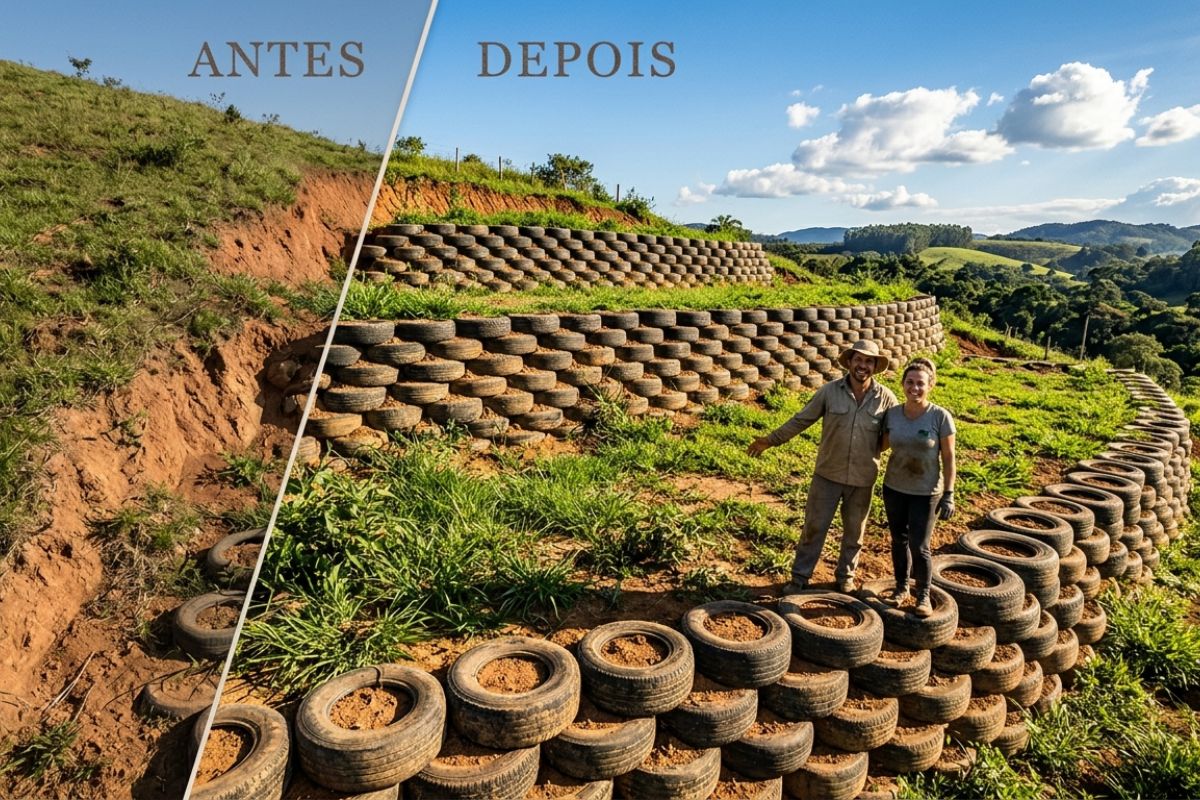
Couple shows how they built a retaining wall on their property using 400 old tires: sloped land turned into plateaus, tires are aligned, filled, and compacted with layers of soil, with grass helping in support and at almost zero cost.
-
Engineer explains drainage during the rainy season: the difference between surface water and deep water, ditches, gutters, and water outlets on the road, as well as drains and drainage mattresses, to prevent erosion, aquaplaning, and flooding at the construction site today.

-
With 55 floors, 177 meters in height, a 15-meter walkway between the twin towers, ventilated facade, and 6,300 m² of leisure space, Ápice Towers already has one tower completed and another nearly at the top.


Development of a Material from Food Waste
In this scenario, two European companies joined ideas and visions to present an innovative material produced from food waste.
The proposal combines easy implementation with the promise of cost reduction compared to traditional materials.
The project transforms waste that would be discarded into a resource for civil construction, providing a solution that combines resource reuse and economic viability for various industrial uses.
Circular Economy as the Basis of CornWall
CornWall emerges as a concrete example of a circular economy applied to construction. Produced from corn waste, the material reuses a renewable and biodegradable resource, replacing conventional raw materials such as cement or plastic.
This approach reduces the use of non-renewable resources and contributes to lowering the amount of CO2 emitted during the manufacturing process, reinforcing the product’s sustainability proposal.
Capture and Storage of CO2 Over the Lifetime
In addition to generating fewer emissions during production, CornWall has the capacity to capture and store CO2 throughout its useful life. This characteristic enhances its positive environmental impact, transforming buildings into carbon reservoirs.
Thus, the material not only reduces immediate environmental damage but also helps mitigate the effects of global warming continuously during its use.
Applications and Aesthetic Characteristics of the Material
CornWall can be used in walls, furniture, and other coverings, featuring contemporary aesthetics and a variety of colors and sizes. This versatility expands its application possibilities in both civil construction and interior design.
The panels offer an alternative to traditional ceramic tiles, which require large amounts of water and resources in their production, establishing themselves as a functional and decorative option.
Companies Responsible for the Project
The Dutch brand StoneCycling and the Belgian brand Circular Matters lead the development and dissemination of CornWall. The companies seek to demonstrate the technical viability and aesthetic quality of materials made from waste.
The goal is to challenge conventional perceptions of construction and highlight the creative potential of using recycled materials in contemporary architectural projects.
Sustainability and Design as Central Axis
The initiative shows that technical innovation and conscious design can go hand in hand. By adopting new approaches in the selection of materials and construction techniques construction, the project points to a future where aesthetics and sustainability are harmoniously integrated.
This combination reinforces the idea that ecologically sound buildings can also meet the visual and functional criteria demanded by the current market without compromising performance or final quality.
Perspectives for Sustainable Construction
CornWall is presented as more than just a new building material.
It represents an opportunity to redefine industry practices and expand the use of solutions based on organic waste, promoting structural changes in the sector.
By replacing conventional materials with renewable alternatives, the proposal indicates possible paths to reduce environmental impacts and consolidate production models more aligned with the current climate challenges.










-

2 pessoas reagiram a isso.