





 English
  Francês
  Alemão
  Italiano
  Japonês
  Norueguês
  Portuguese
  Spanish
  3 min of reading


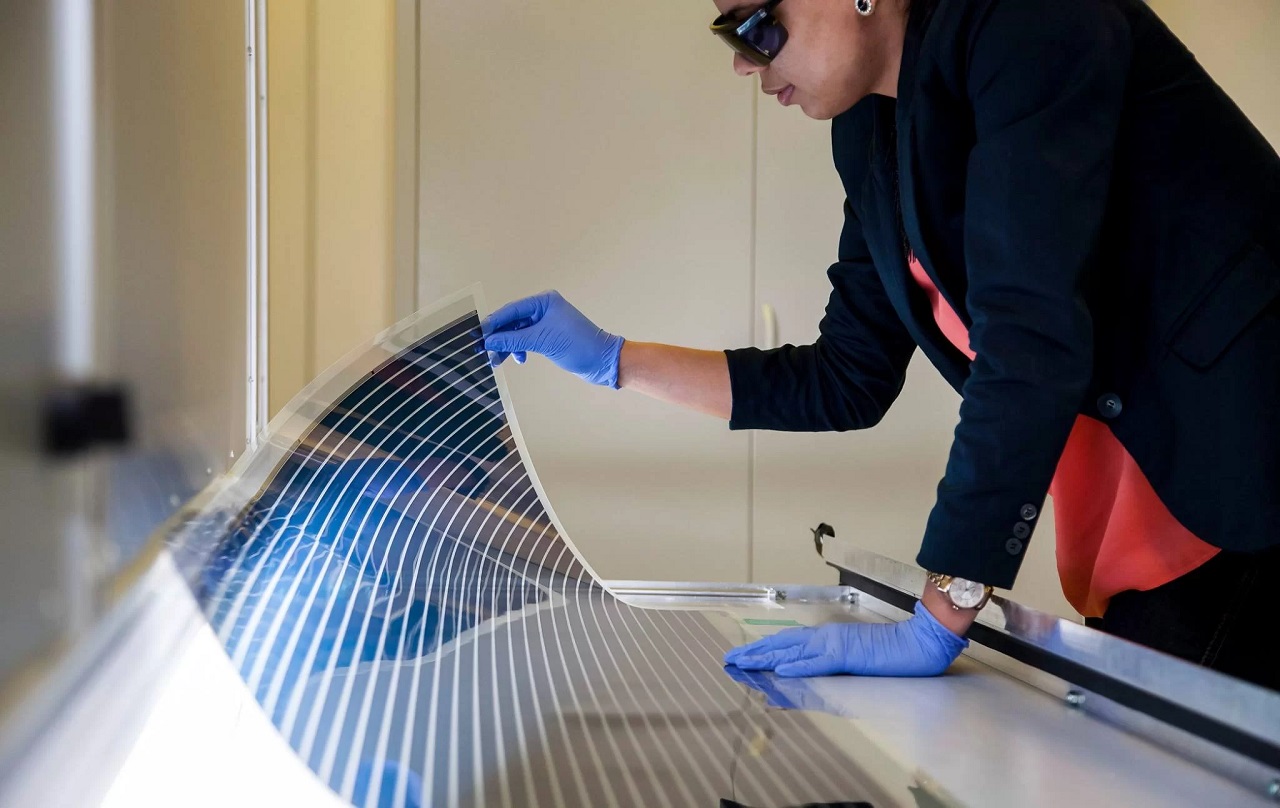
Engineer Develops Photovoltaic Panel That Could Revolutionize The Solar Energy Market. Technology Can Achieve Up To 50% Efficiency Even On Cloudy Days.
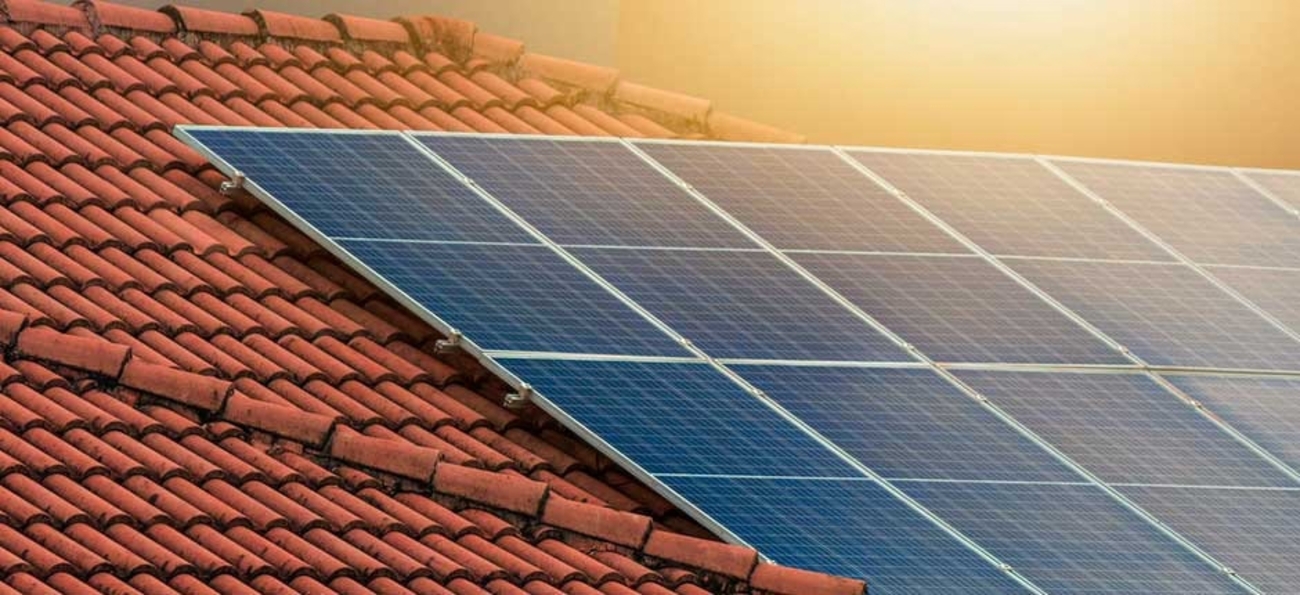
A student of engineering from the Philippines has developed a solar organic panel capable of achieving an efficiency of up to 50%. To give you an idea of how good this technology is for the solar energy market, currently, a silicon photovoltaic panel, with the best energy efficiency, can deliver a maximum of 25% efficiency.
Photovoltaic Panel Can Generate High Power With Just A Few Square Meters


The organic solar energy panel, named Áureos, with 50% efficiency, can generate high power with just a few square meters. Additionally, the inventor of this new product assures that even on cloudy days, the panel can deliver excellent efficiency compared to other models already available on the market.
This occurs because the photovoltaic panel does not operate with the direct incidence of sunlight, where the photovoltaic effect takes place, but rather with ultraviolet light. Thus, even on cloudy days, ultraviolet light can penetrate the clouds and reach the new solar energy panel normally.
-
Renewable energy advances over protected areas in Brazil, and a survey by the Energy Transition Observatory reveals silent impacts that challenge environmental conservation and pressure sensitive traditional territories.

-
Rio Grande do Sul accelerates energy transition: State invests in renewable technologies and consolidates decarbonization strategies and pathways to attract billions in new industrial investments.

-
With 160,000 m² of collectors, an area larger than 20 football fields, Silkeborg, in Denmark, hosts a solar thermal plant that heats 19,500 homes and could become the largest solar heating plant in the world.

-
A study reveals the expansion of renewable energy procurement in Brazil and shows how companies are taking advantage of opportunities to reduce expenses, ensure energy efficiency, and strengthen strategic environmental commitments.


In the very near future, we will have a photovoltaic panel that will operate with greater efficiency, considering that several companies are already competing for the patent of the product. This also means that soon, solar energy panels will take up less space.
The new technology brings panels with more pleasant appearances, transparent and more colorful, making their installation in windows, doors, glass facades, and more easier without blocking sunlight from entering indoor spaces. Prices have not yet been disclosed or calculated, but expectations are that they will be more affordable.
Perovskite Panels Also Attract Attention From The Solar Energy Market
In addition to this organic photovoltaic panel, researchers from Germany have developed this year perovskite panels that resemble marble stones. This new technique was developed to open the possibility for solar modules to be used in construction, such as coatings for warehouses or buildings.
According to Ulrich W. Paetzold, one of the researchers and lead author of the study, the sale of this technology is not yet available due to the instability of the panels and the difficulty of transferring the high efficiencies achieved on a small scale to larger scales.
With the arrival of new technology, solar panels can be integrated into still unused parts of buildings, such as facades, without compromising the architectural design.
Scientists Develop Transparent Solar Panels
Researchers from the University of Michigan, USA, recently created a solution aimed at facilitating adhesion with a new process that can make the creation oftransparent windows viable, capable of generating energy from sunlight efficiently.
The technology will make it possible to use new surfaces for energy production, which currently depends on silicon-based cells that are completely opaque. They operate within the context of solar farms, but it is difficult to make use of them in urban spaces, and they could not be used as windows.
Panels with this type of technology have limitations in efficiency and durability. Therefore, researchers are seeking ways to allow the technology to be used on a large scale.








Seja o primeiro a reagir!