Portuguese
  Spanish


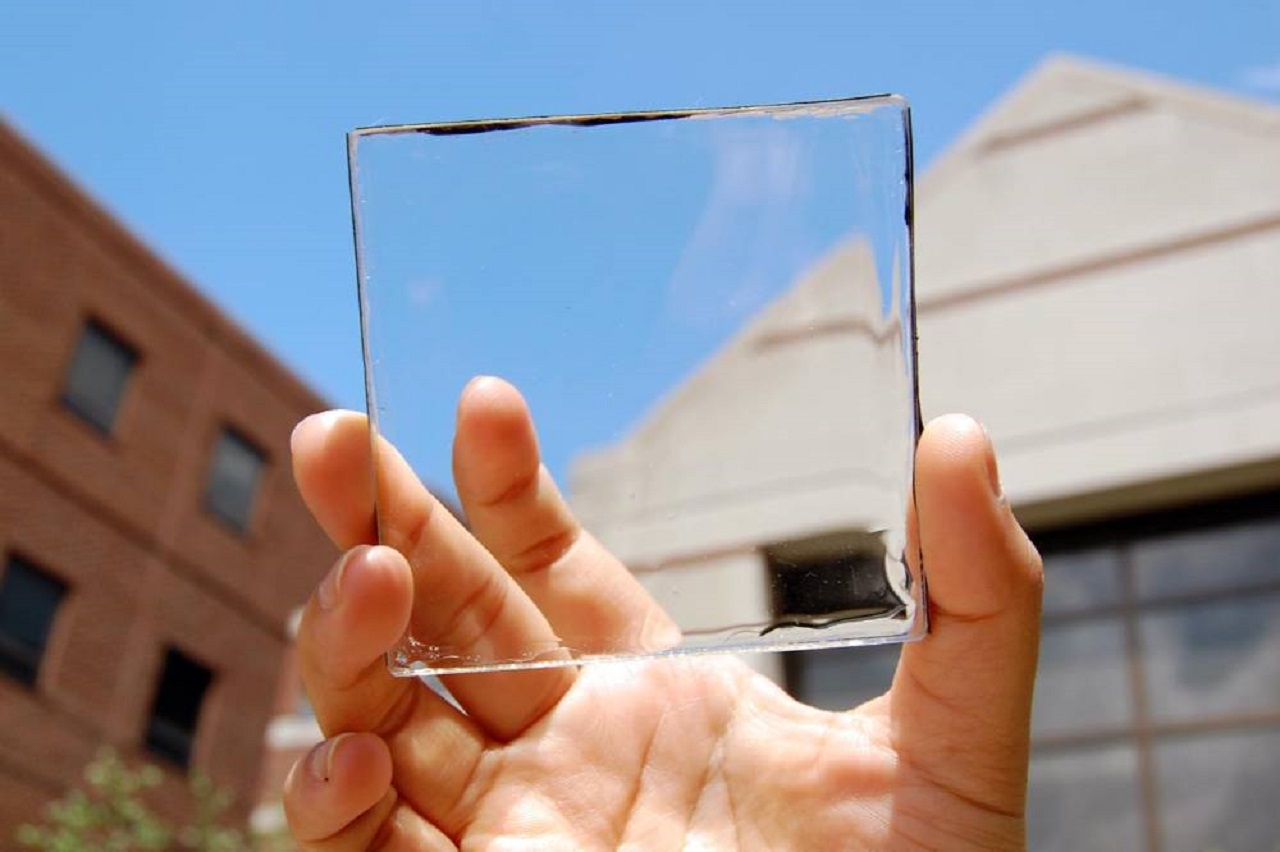

According to Scientists, New Transparent Solar Panels Have the Potential to Transform Energy-Hungry Cities into Energy Suppliers in an Instant, and They Could Usher in a New Era of Clean Energy Revolution
At a time when the world is struggling for a low-carbon future to contain the effects of climate change, solar energy must certainly be one of our strongest allies. Scientists at Michigan State University are trying to prove just how viable transparent solar panel technologies are. With the use of a transparent solar panel, it would be possible to generate electricity from office windows, homes, car solar roofs, and even smartphones.
How Do Transparent Solar Panels Work?


Transparent solar panels are a cutting-edge technology that captures and utilizes light energy through windows or any glass surface, regardless of the angle. They have the potential to be a game-changer in expanding the reach of solar energy.
In engineering terms, researchers have created various means of transparent solar technology. However, most of them work more as transparent solar concentrators, which means they are designed to absorb certain wavelengths of ultraviolet and infrared light that are not visible to the naked eye and transform them into energy capable of powering electronic devices.
-
Fired during apartheid and with a little borrowed money, an electrician started with a borrowed truck and transformed electrical services into a group connected to energy, real estate, and infrastructure in South Africa.

-
Wood has ceased to be just a construction material in Yale research and has become insulation for electrical transformers that face intense heat, aging, and increasing pressure from the renewable energy-powered grid.
-
More than 1,000 residents of a remote island in Kiribati now have clean water and electricity with solar systems operated by the community itself.
-
Ceará brings together 7 giants and R$ 66 billion to transform Pecém into the largest green hydrogen hub in Brazil, with final decisions expected by the end of 2026.




This technology is also called photovoltaic glass and is manufactured to provide a varying level of transparency. In 2014, researchers at Michigan State University (MSU) developed the first fully transparent solar concentrator, which could turn almost any sheet of glass or window into a photovoltaic cell. In 2020, scientists in the United States and Europe made solar glass 100% transparent, bringing us one step closer to the goal of a sustainable future that is off the fossil fuel industry grid.
What Are the Advantages?
Transparent solar panels are incredibly important, as in modern society, glass is practically everywhere. From your phone screen to skyscrapers, it is estimated that there are between 5 to 7 billion square meters of glass surfaces in the United States. Imagine the amount of electricity that could be generated if we could harness that energy.
With this in mind, it should be noted that conventional solar panels require a large installation area, in addition to a considerable initial cost. Due to these limitations, it is difficult to implement them in metropolitan areas. Transparent solar panels can be deployed in these areas, paving the way for net-zero energy buildings and helping cities achieve their climate goals and objectives.
The Future of High-Tech Windows
This is not just an idea on paper, as transparent solar technologies are already appearing around the world. For example, the project at Copenhagen International School uses 12,000 colored but transparent solar panels throughout the building, producing 200 MWh of energy per year, which is more than half of the energy consumed by the building.
In another example that occurred last year, the Biomedical and Physical Sciences Building at Michigan State University was updated with the installation of 100 square feet of transparent glass solar panels that were placed over the building’s entrance. They will generate enough electricity to power the lighting in its foyer. However, there are some obstacles in the way.
Before the technology can be scaled up, scientists need to increase its efficiency, as there is a balance between efficiency and transparency. The more transparent the panel, the less efficient it is, so it is not expected that transparent panels will outperform or replace the standard solar panels that we are used to. In any case, the technology can help humanity reach a truly sustainable and greener future more quickly.