





 Portuguese
  English
  Spanish
  2 min of reading


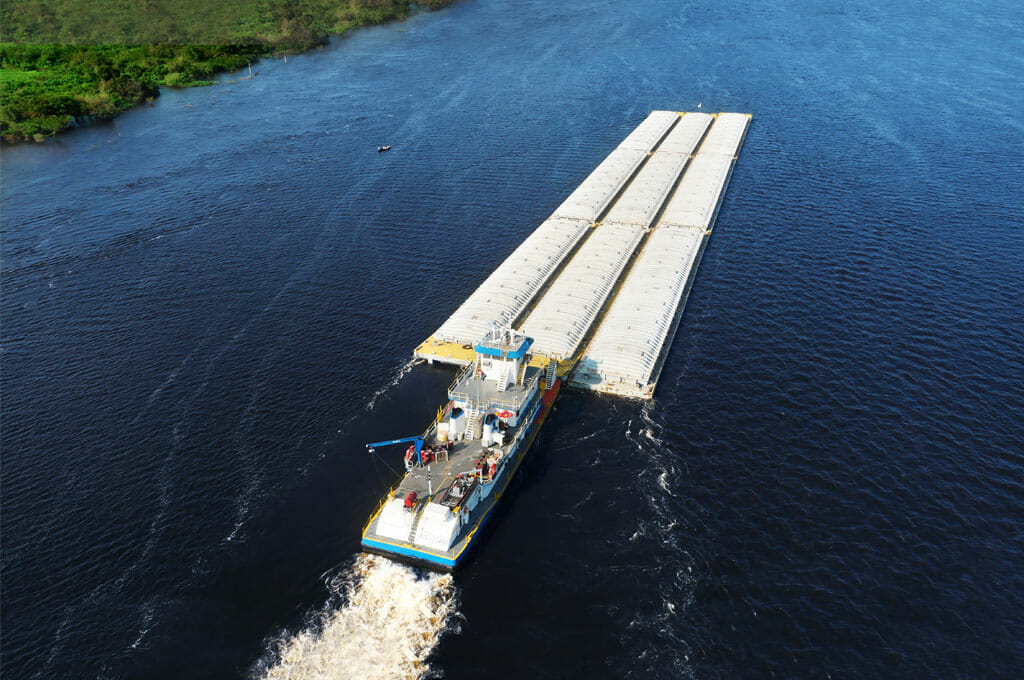
ICL Proposes Strengthening Intelligence and Monitoring to Combat Inland ‘Pirates’
The Legal Fuel Institute (ICL) will propose closer collaboration between the public and private sectors to reinforce surveillance and intelligence on the waterways of northern Brazil. This action comes in response to the increasing fuel thefts by “inland pirates”, resulting in estimated losses of R$ 100 million per year.
Public-Private Collaboration and Technology Under Debate
The president of ICL, Emerson Kapaz, will have the opportunity to present this proposal during the conference “Safety on the Northern Waterways”. This conference will be held in Brasília on June 28, in partnership with the Brazilian Petroleum and Gas Institute (IBP). Kapaz will participate in the opening session and moderate the panel “Integration of Public Entities’ Action in Promoting Safety and Financing Cutting-Edge Technology”.
Driving Innovation and Knowledge Sharing
During the event, ICL will also focus on the importance of innovation and knowledge sharing to ensure the safety of cabotage transport, considered the most suitable for the waterways of the Amazon and Solimões rivers due to their length and structure.
-
Oncorp wins auction and enables biodiesel and gas thermal plants in Brazil, with strategic projects in Suape and Xavantes Aruanã.

-
Raízen Recovery: Shell Cosan May Reduce Control After R$ 65 Billion Debt

-
Outback Montes Claros: Chain Confirms First Unit in Northern Minas in 2026

-
Inpasa Creates Advisory Council and Brings José Olympio to Strengthen Corporate Governance

Another key issue to be discussed is strengthening security institutions for more effective monitoring of waterways and intensifying laws to penalize criminal activities.
The Scale of the Fuel Theft Problem
In the past two years, criminal groups have stolen more than 4.5 million liters of fuel, of which nearly 600,000 liters of diesel were stolen just last year.
“This large-scale theft threatens the operation and supply of machinery, gas stations, and even thermoelectric plants, which could lead to shortages of inputs for energy generation, essential for regional socioeconomic development”, analyzes Kapaz.
Armed Escort and Other Defensive Measures
ICL recognizes the need for armed escorts to protect vessels from potential robberies. Additionally, it is promoting a Manual of Best Practices for the Protection of Maritime Convoys Transporting Fuels to assist companies and carriers in defending against these criminal groups.
Conclusion
Kapaz emphasizes the need for preventive measures to avoid the action of criminal groups. “It is not enough to normalize the private armed guard system; we need structured monitoring, with real-time surveillance and immediate repression of practices that harm both companies and the population that depend on energy and fuel”, concludes Kapaz. These efforts will help reduce robberies on vessels in the northern region, benefiting not only the fuel sector but also other sectors of the national economy, such as agriculture and electronics.
Credits: Renata Castro










Seja o primeiro a reagir!