





 Portuguese
  English
  Spanish
  4 min of reading
  0 comments


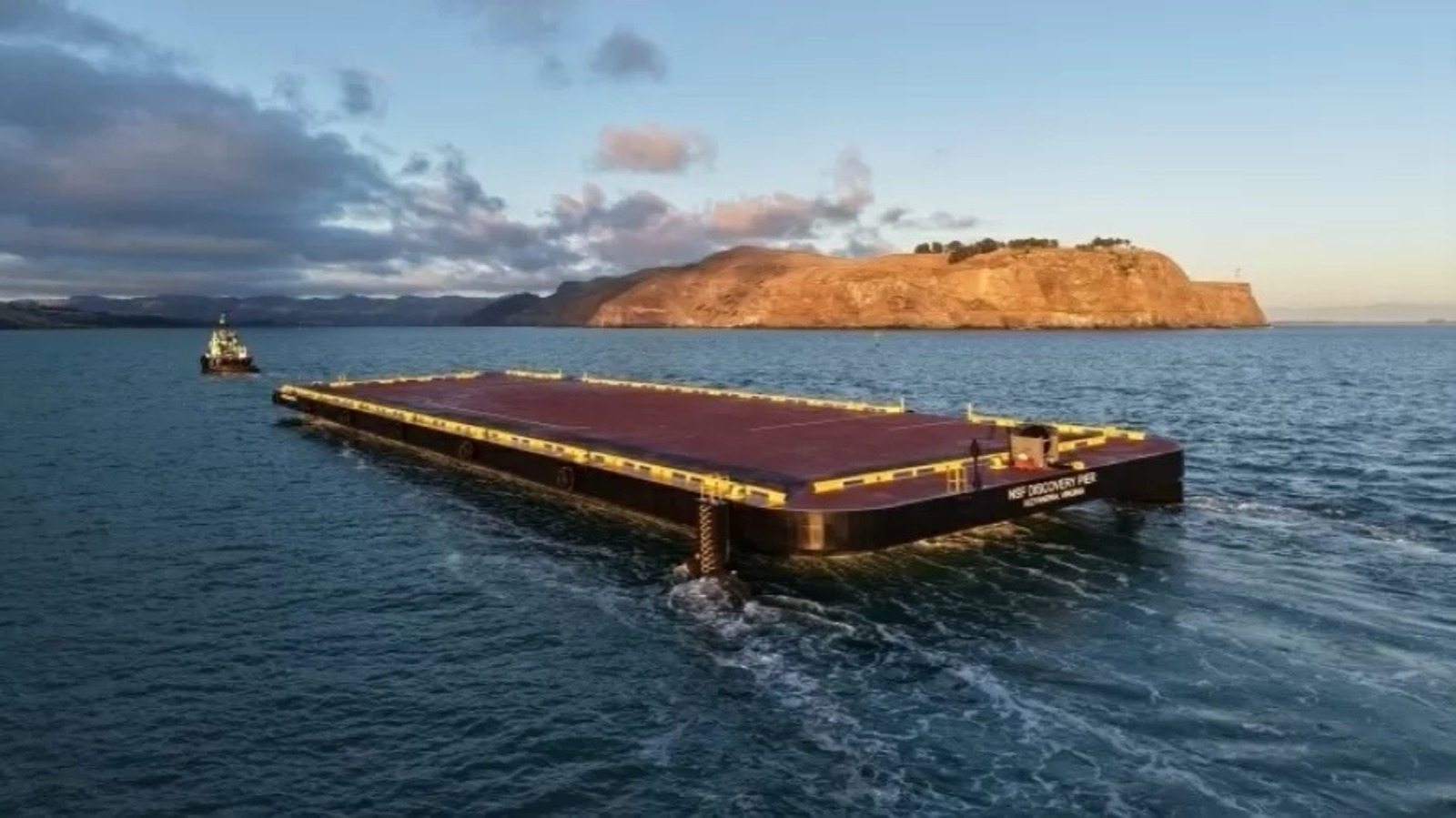
After 17 Thousand Kilometers Journey From the United States, Floating Structure Arrives at McMurdo Station and Creates the First Permanent Port in Antarctica
In the first days of December last year, a tugboat departed from the port of Portland, in the United States, carrying a massive floating metal structure toward the new Antarctic port, in a logistical operation spanning thousands of kilometers that culminated in the creation of the southernmost docking facility on the planet.
The transported structure was over 100 meters long, surpassing the size of a football field. Estimates indicate that a structure of this magnitude can weigh up to 5,000 tons.
It was a floating platform intended to function as a boarding and disembarking platform for vessels.
-
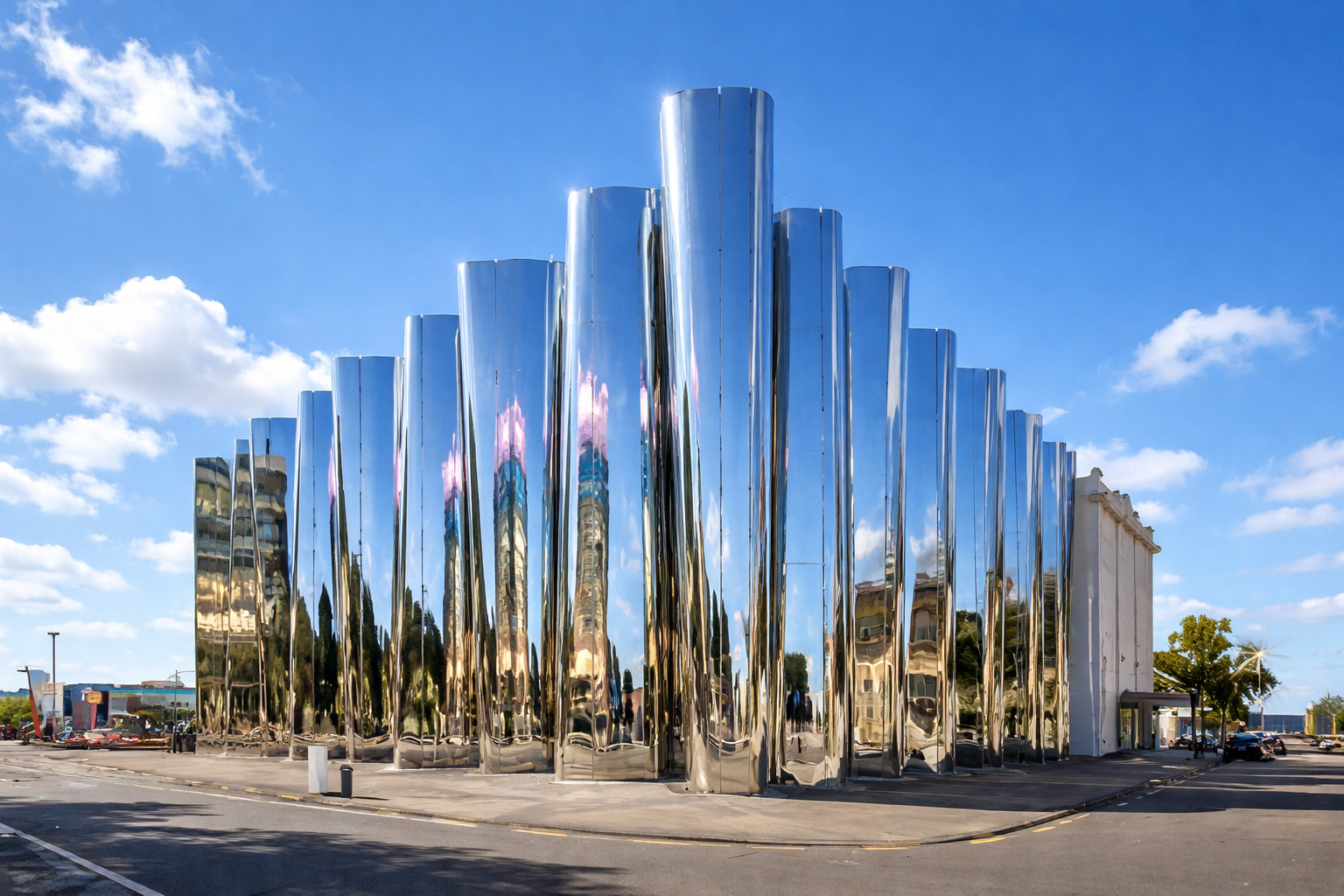
New Zealand builds a shimmering building that vibrates, featuring a 62-seat cinema, moving sculptures, and an environment where sound, light, and energy are felt in the body.
-
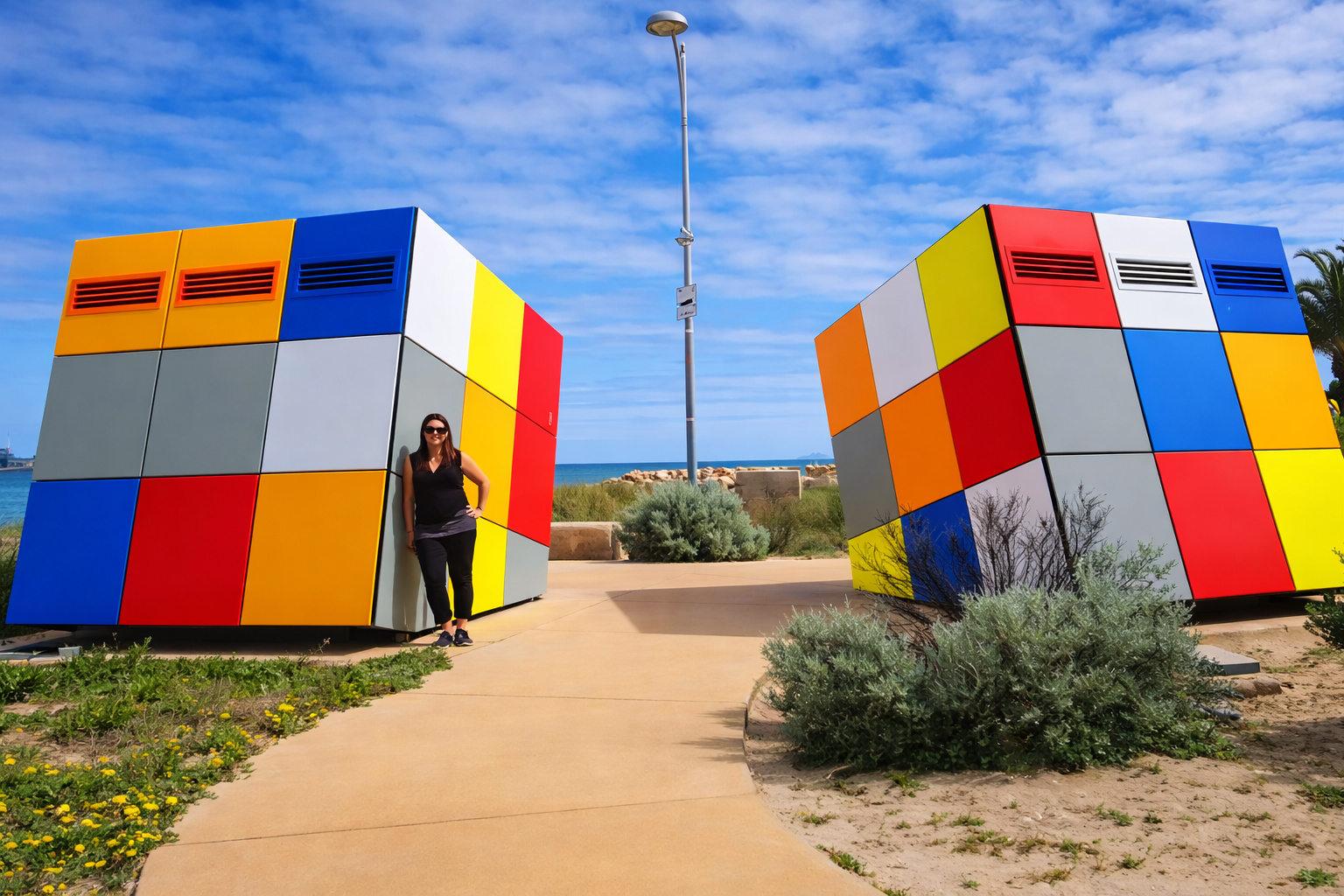
Two colored cubes of 2.5 m transform a public bathroom into a selfie spot in Western Australia, costing up to 75% less than traditional construction and helping to reduce vandalism in public spaces.
-
Santa Catarina produces up to 7 times more than it consumes in some sectors, and its century-old industries founded by grandparents and great-grandparents now compete on equal footing with Germany and the United States in the international market.
-
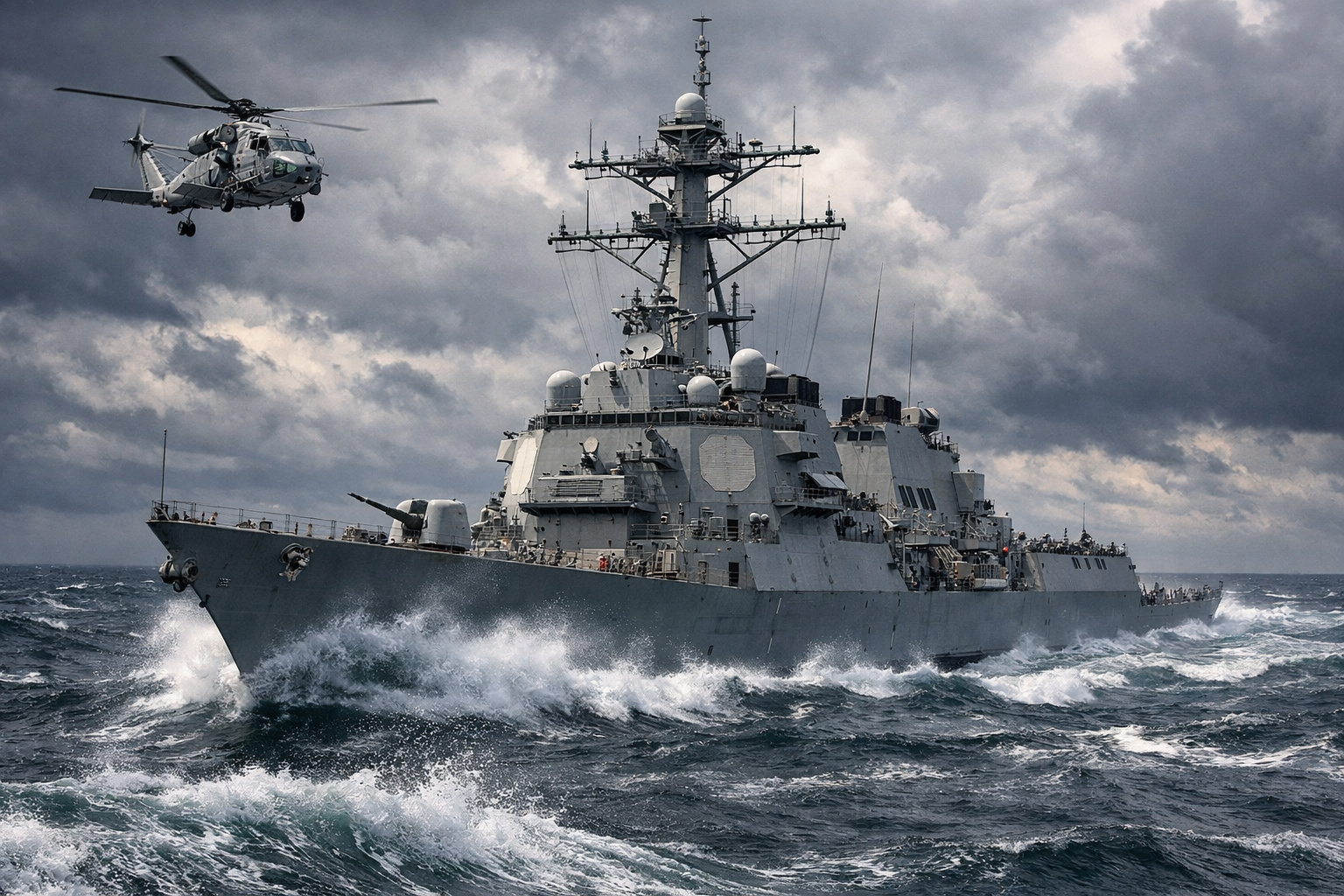
U.S. war giant weighing 9,600 tons and equipped with long-range missiles is sent to the Atlantic to protect global internet and hunt submarines.

Its final destination was a frozen bay near the McMurdo Scientific Station, in Antarctica, where it would be transformed into a permanent port to support the activities of the American research base.
Floating Structure Travels 17 Thousand Kilometers to the New Port in Antarctica
The journey began at the port of Portland, in the state of Oregon, and covered over 17,000 kilometers to the Frozen Continent. The American tugboat Rachel gradually maneuvered the structure across the sea.
Throughout the crossing, the speed remained below 15 km/h. The slow pace was necessary due to the size of the towed structure, which functioned practically as an entire port being transported across the ocean.
The route included crossing two oceans. First the Pacific and, later, the Antarctic, in an operation that required careful planning to avoid stormy areas.
Even with the planned detours, some severe weather conditions were unavoidable. In certain stretches of the journey, the convoy faced rough seas and navigation difficulties.
In the final leg of the journey, between New Zealand and Antarctica, the tugboat encountered waves reaching nearly 10 meters high. The crossing became slower and more dangerous.
Despite the challenges, the convoy managed to keep moving until it reached its destination. The operation was named Deep Freeze, which can be translated as Deep Freeze.
Arrival at Destination and Creation of the First Antarctic Port
After 69 days of travel since departing from the United States, the structure finally arrived at the frozen bay in front of McMurdo Station.
On site, the floating structure began to serve as a permanent port for the American scientific base, becoming the first port in Antarctica and also the southernmost docking facility on the planet.
Before reaching the final destination, the convoy needed additional support to traverse the frozen waters of the region.
A Coast Guard icebreaker from the United States was responsible for clearing a path in the frozen sea, allowing the tugboat to safely advance to the bay.
The presence of the icebreaker was essential to ensure the arrival of the structure at the new Antarctic port, as sea ice can completely block navigation in the region.
Old Ice Pier Became Unusable
The decision to transport an entire structure to Antarctica was motivated by problems with the old disembarkation system at McMurdo Station.
For decades, ships used a pier constructed from ice. The structure needed to be rebuilt regularly after suffering damage from weather conditions.
At the end of each Antarctic summer, the ice partially melted. This process forced teams to rebuild the pier using seawater pumped to freeze in successive layers.
The frozen layers were reinforced with steel bars and gravel, forming a structure similar to a concrete slab.
The goal was to create sufficient strength to support the weight of trucks and supplies transported by the vessels supplying the scientific base.
The base receives only two supply ships per year. Unlike the Antarctic Peninsula, this region does not receive tourist ships.
Even with reinforcements, the ice pier suffered constant damage. Annual reconstruction represented a continuous effort against natural conditions.
Over time, the structure came to be considered unusable and economically unfeasible.
McMurdo Station and Tragic Episode at Sea
With the installation of the new Antarctic port, the old seasonal ice pier at McMurdo Station was replaced by a permanent and safer structure.
The scientific base was established in 1955 to support research on the Frozen Continent. It is located near Mount Erebus, considered the southernmost active volcano on the planet.
The strategic position of the region led historical explorers to use the area as a starting point for the South Pole.
Among the explorers who passed through the region are the British Robert Scott and the Norwegian Roald Amundsen, during the historical race to reach the South Pole.
To this day, adventurers visit the region trying to replicate the journey to the planet’s zero landmark.
One such attempt occurred in 2011. Norwegian captain Jarle Andhoy arrived at McMurdo Station bay with the boat Berserk.
His plan was to reach the South Pole using a snowmobile, leaving the rest of the crew waiting on the anchored boat in the bay.
However, something unexpected happened. The crew left with the boat even knowing that a severe storm was approaching the area.
The three crew members disappeared at sea along with the vessel. The case remains unexplained to this day, being remembered as a significant episode in the recent history of Antarctica.
With information from UOL.






-

-

-

6 pessoas reagiram a isso.