





 Portuguese
  English
  Spanish
  3 min of reading
  0 comments


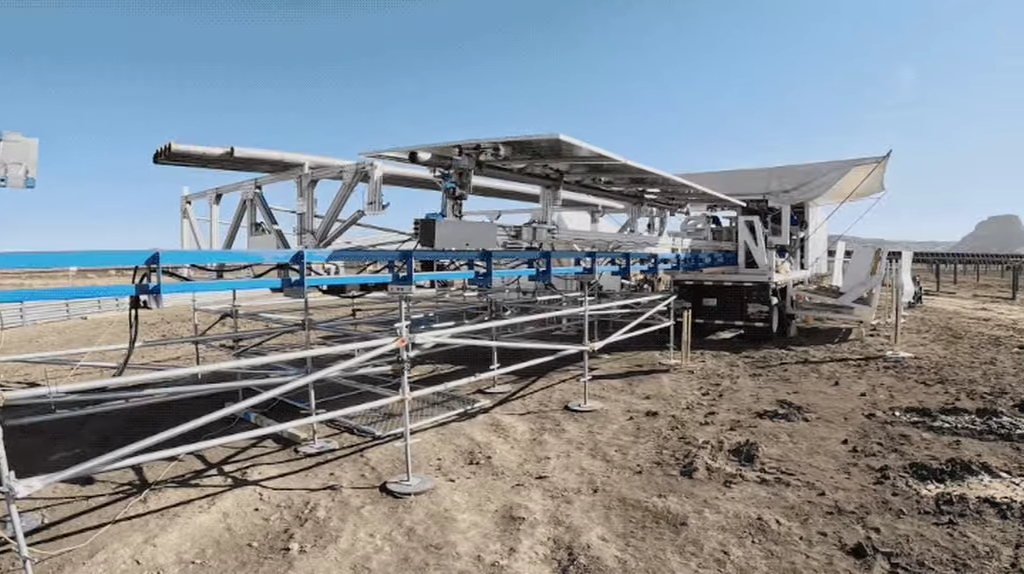
Solar energy continues to advance as one of the main sustainable alternatives for electricity generation. Now, a student startup from MIT has developed an innovative system that automates the construction of large solar parks, using robots to assemble and position panels efficiently and accurately.
The installation of solar panels is one of the main challenges for the expansion of renewable energy. Despite the drop in the cost of panels over the past few decades, the process of assembling solar parks is still expensive and time-consuming.
Charge Robotics, a startup formed by students from MIT, has developed an innovative solution to this problem: a portable system that automates the construction of large solar parks.
The technology uses mobile factories that autonomously assemble and install solar panels. This reduces costs, minimizes errors, and accelerates project execution.
-
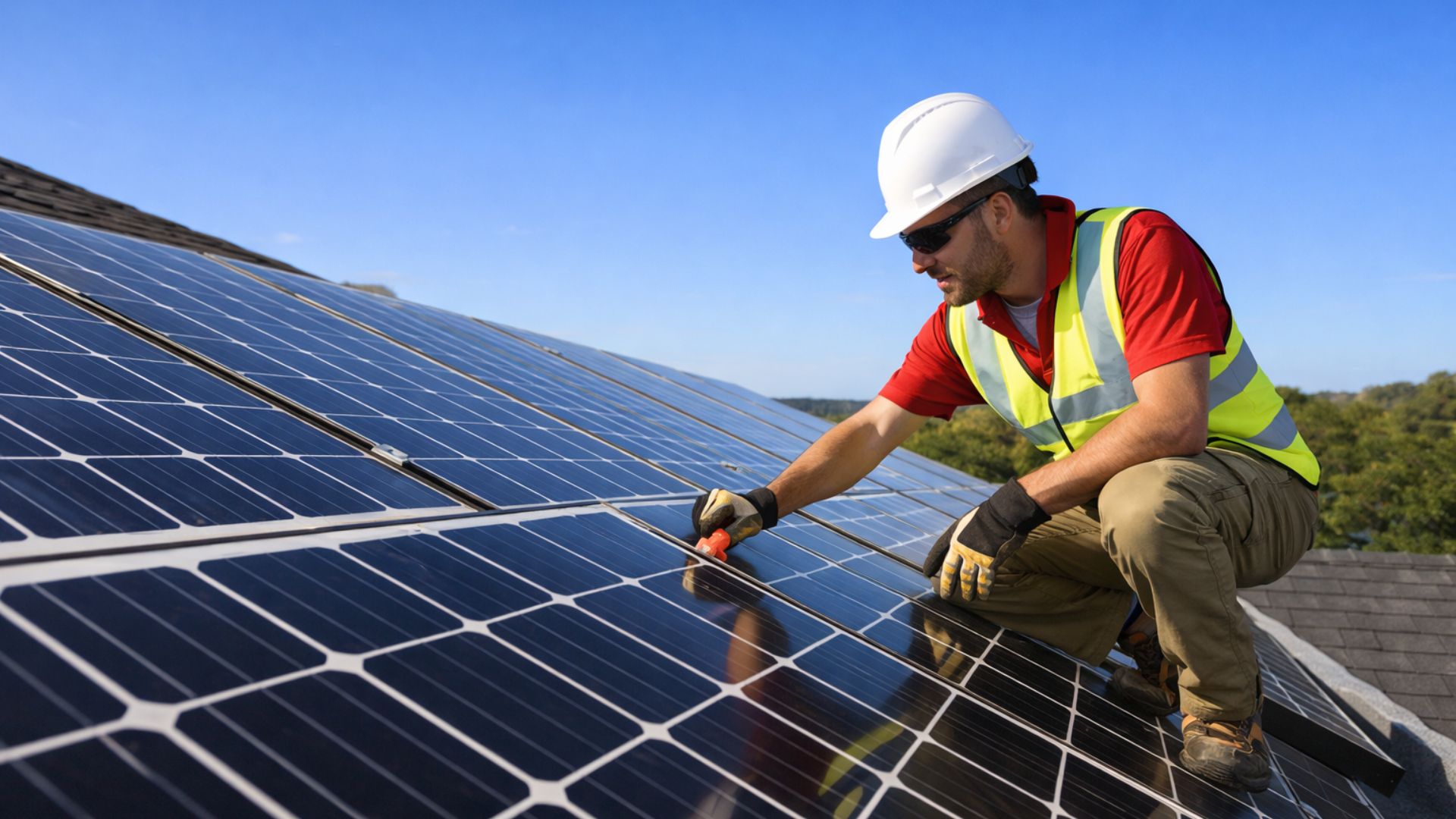
Seagri’s headquarters invests in solar energy with Neoenergia Coelba and promises to cut electricity costs, highlighting a strategic advance in sustainability and energy efficiency within state public administration.
-
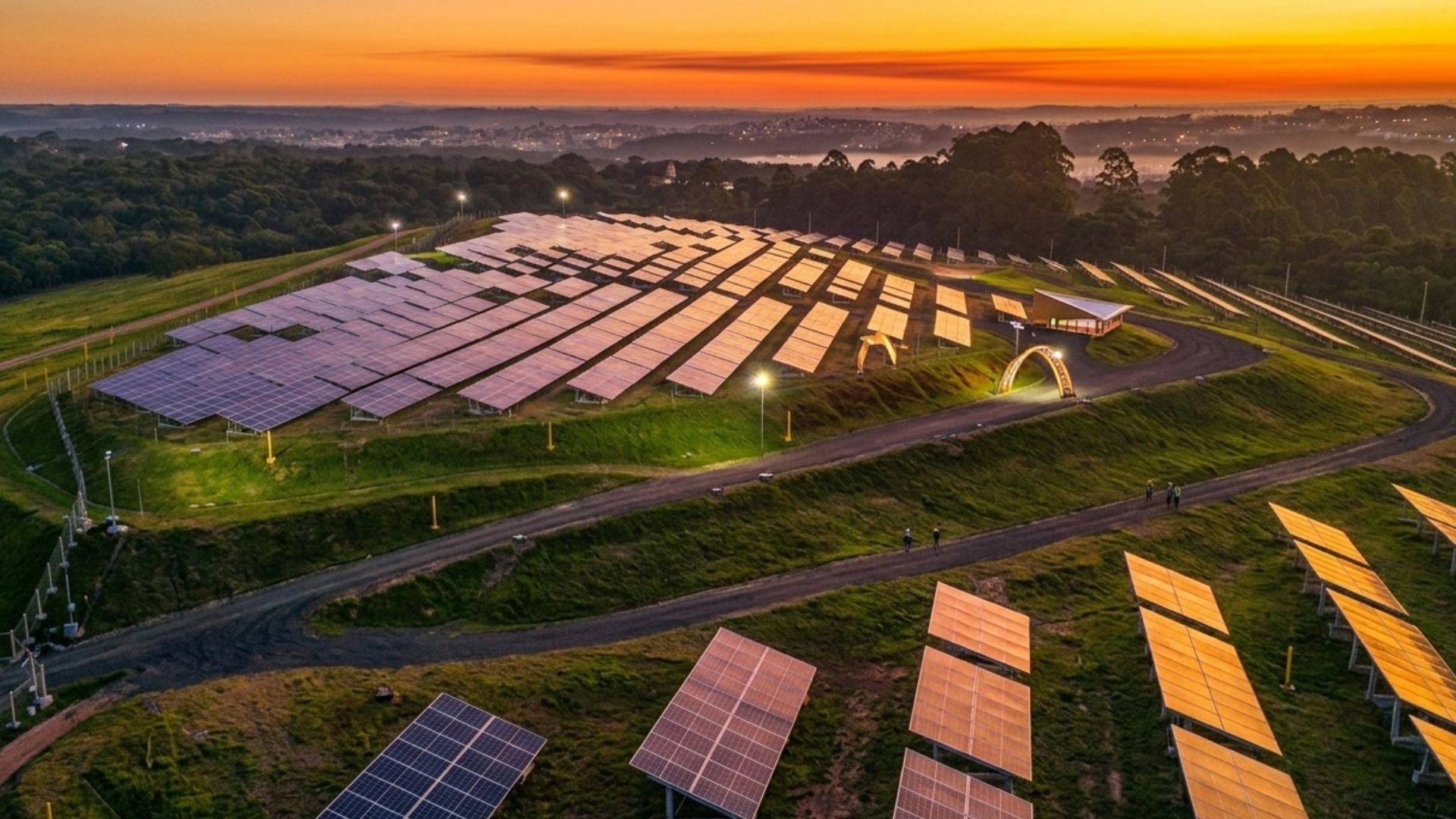
Solar Pyramid draws attention by converting solar energy into million-dollar savings and repositioning the City Hall of Curitiba as an example of innovation, sustainability, and intelligent use of public resources.
-
Europe records strong euro economy with solar energy in March and sparks curiosity about which country leads growth that redefines the energy market and reduces costs.

-
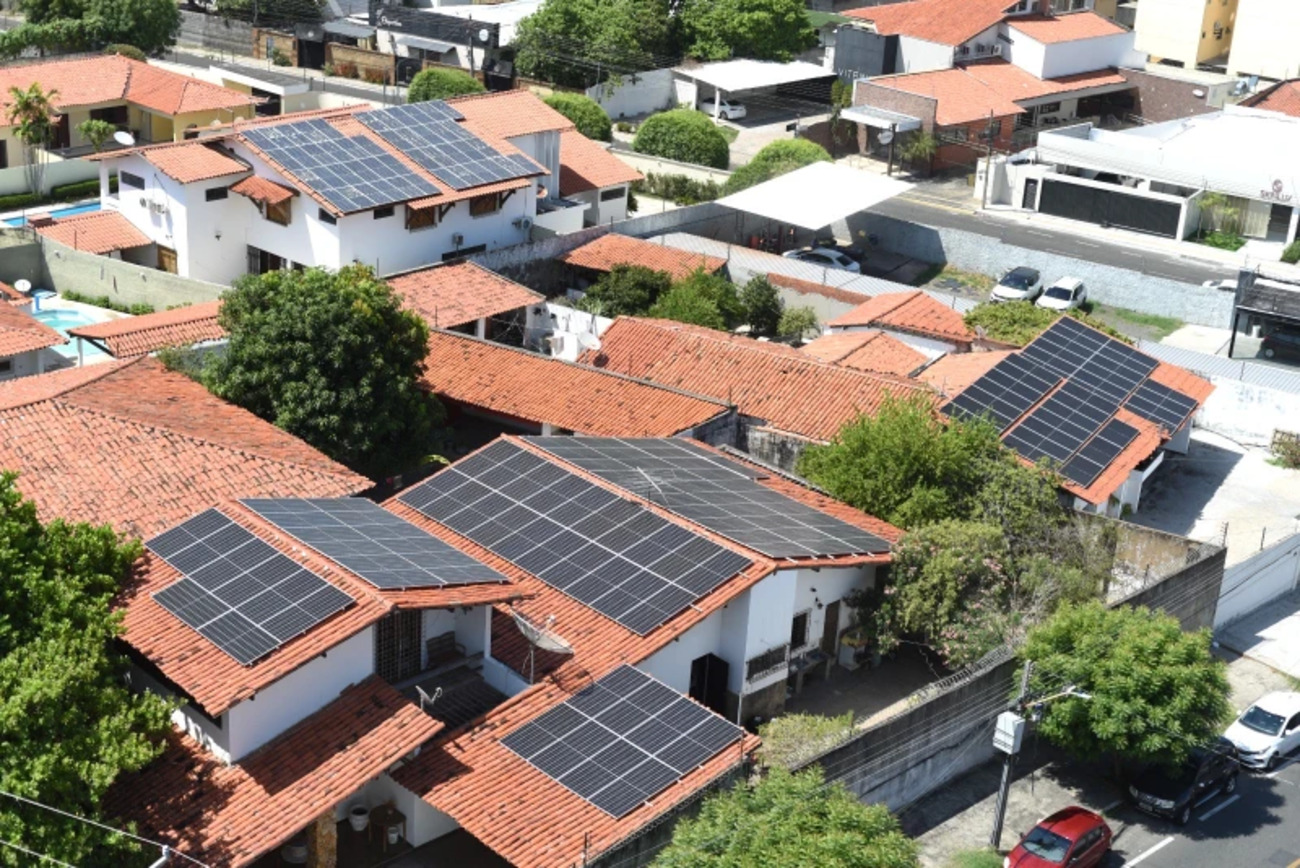
Piauí reaches a historic milestone in energy transition: State records nearly 160,000 households powered by solar energy and leads growth in the Northeast.

The prototype has been successfully tested, and the company has raised US$ 22 million to begin its commercial deployment as early as 2024.
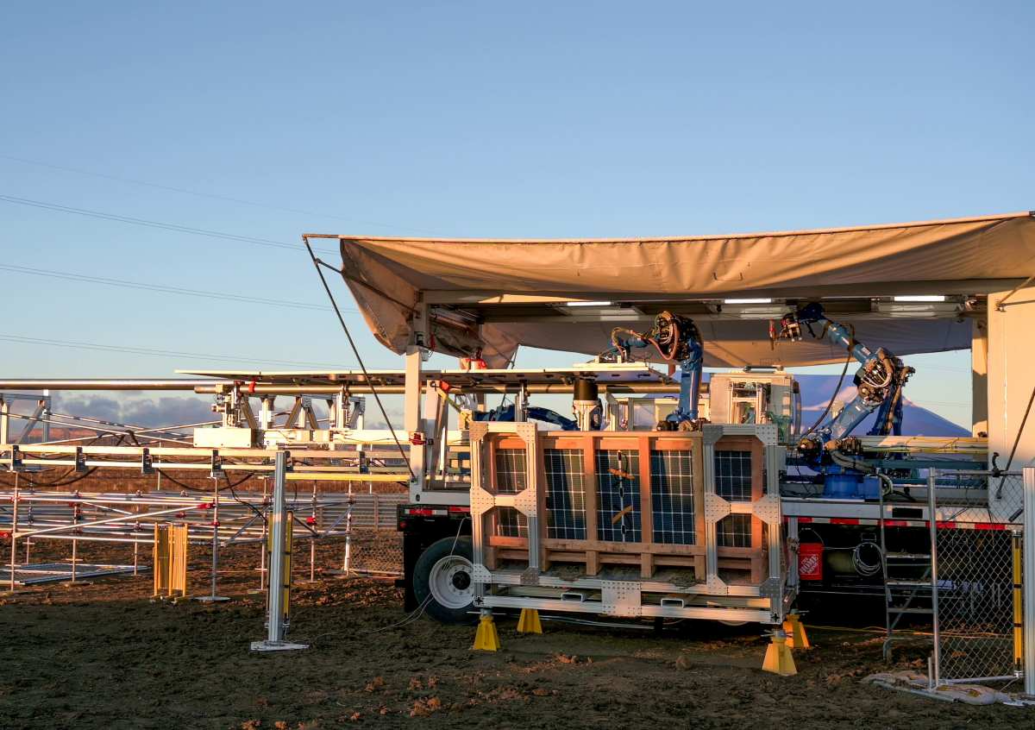
Technology Inspired by the Automotive Industry
The system from Charge Robotics is compared to the revolution of Henry Ford’s assembly line.
Instead of relying on time-consuming manual processes, the company developed an automated model that improves the quality and safety of installation.
The portable factories assemble entire sections of solar farms, integrating panels, supports, and other structures automatically.
The process reduces the need for labor and increases efficiency, allowing human workers to focus on more strategic tasks.
The expectation is that automation will help meet the growing demand for solar energy. In 2023, this source represented 81% of the new electric capacity installed in the United States, and the trend is one of accelerated growth.
First Assembly Tests of Solar Parks Show Viability
Initially, Charge Robotics’ proposal faced skepticism. However, the first prototype was tested in partnership with SOLV Energy and demonstrated its viability.
As a result, the startup secured an investment of US$ 22 million to expand its operations.
The system works by assembling sections of 12 meters and 360 kg, transported to the final site by a robotic vehicle.
The only manual step is the initial placement of the stakes in the ground. Sensors and cameras ensure the precision of the assembly, minimizing failures and rework.
Partnership with Solar Contractors
Charge Robotics intends to operate its mobile factories in collaboration with solar construction companies.
The goal is to allow human workers to focus on supervision and quality control tasks, while the assembly of the panels is done automatically.
With the possibility of continuous operation, 24 hours a day, 7 days a week, the system can significantly accelerate the construction of large solar projects. Additionally, automation promises to reduce operational costs and improve the efficiency of the sector.
Impact on Sustainability
The innovation from Charge Robotics brings direct benefits for sustainability. Automation in the installation of solar panels:
- Accelerates the adoption of renewable energy, reducing dependence on fossil fuels.
- Decreases carbon emissions by reducing the use of heavy machinery and frequent travel.
- Reduces material waste through the standardization of the assembly process.
- Creates job opportunities for technicians specialized in the operation and maintenance of the technology.
The startup’s proposal not only makes solar projects more economically viable but also accelerates the global transition to a cleaner and more sustainable energy matrix.
With the arrival of automation in the sector, the future of solar energy becomes even more promising.









Seja o primeiro a reagir!