





 Portuguese
  English
  Spanish
  3 min of reading
  0 comments


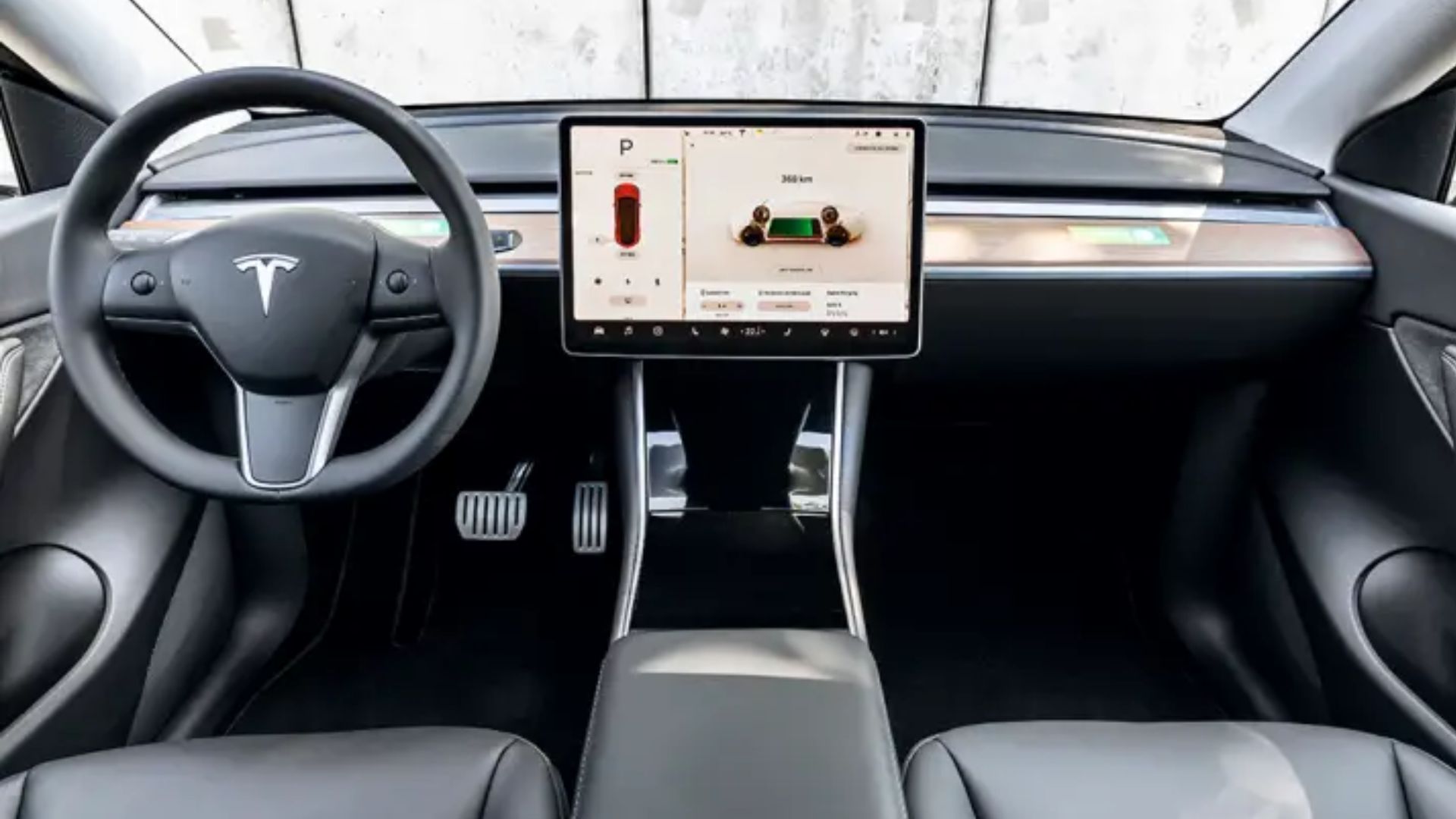
Consumers Report Growing Influence of Political Decisions and Corporate Leaders’ Behaviors When Choosing Electric Vehicle Brands, Amplifying Global Tensions and Changing Buying Patterns in Strategic Markets
A new international study has brought to light a scenario that reveals how politics, corporate behavior, and public image have begun to directly influence the market for electric vehicles. The research, commissioned by the Global EV Alliance, shows that 41% of electric vehicle drivers would avoid purchasing a Tesla solely for political reasons. The results, reported by “O Globo” based on data collected in 30 countries, confirm that this phenomenon has become a global trend and not just an isolated movement in specific regions.
Furthermore, the study shows that 53% of electric vehicle drivers would avoid certain brands or countries of manufacture for political reasons, a figure that highlights a profound change in consumer behavior. This stance, according to the specialists responsible for the analysis, represents a significant transformation in the perception of how the origin of the product and the stance of brands affect the final purchase decision.
Global EV Alliance Surveyed Over 26,000 Owners in 30 Countries and Reveals Regional Disparities in the Impact of Politics on the Electric Vehicle Market
According to the report, over 26,000 electric vehicle owners participated in the survey, conducted between September and October. The responses were weighted according to each country’s share of the global electric vehicle market, ensuring greater accuracy for the sampling. Among the brands and countries most cited as targets of rejection, the survey indicated that 41% mentioned Tesla, 12% cited China, and 5% said they would avoid vehicles produced in the United States.
-
A 68-year-old pizza delivery driver went off route to buy a soda that was missing from a visually impaired customer’s order, refused an extra tip, and now Dan Simpson has over R$ 546,000 in donations from people around the world who want to ensure he can retire peacefully on April 30.

-
Amateur archaeologists were searching a forest in Poland with metal detectors when they found a ceramic pot buried for over 1,500 years. Inside was a pure gold necklace weighing 222 grams, folded to fit in the vessel, and when experts examined the piece, they discovered it was the first Gothic torque ever found in Polish territory.

-
Millions of people have been eating pomegranates for centuries without knowing that this ancient fruit contains punicalagins, which scientists are studying for their possible effects on memory and vascular health.

-
Argentina patrols the South Atlantic with ships built in France and monitors over 1.1 million km² with 87 m OPVs, a range of 7,500 miles, 360° radar, and a 30 mm cannon against illegal fishing in the 200-mile zone.

In addition, specific country data reveal important nuances in consumer behavior. In the United States, 52% of respondents would reject Tesla, a number similar to that recorded in Germany, at 51%. In Australia and New Zealand, the percentage was 45%. In leading countries for electric vehicle adoption, such as Norway, 43% said they would avoid the brand of Elon Musk. In contrast, in India, only 2% of owners considered rejecting a Tesla.
Controversies Involving Elon Musk and Geopolitical Tensions Influence Consumers, While China Faces Significant Rejection in Some Markets
Part of this rejection is due to the public figure of Elon Musk, who, according to experts, accumulates controversies that directly impact Tesla’s image. The CEO of the automaker made headlines for supporting far-right European movements, criticizing diversity policies, and in a widely debated episode, making a gesture interpreted by observers as a Nazi salute. Additionally, his proximity to Donald Trump, while leading the Department of Government Efficiency (DOGE), and the subsequent conflict over public spending contributed to making his image even more polarizing.
The study also points out rejections related to the country of manufacture. Globally, 12% of drivers would avoid vehicles produced in China, although there is significant variation between countries. In Lithuania, for example, 43% of respondents avoided Chinese cars, while in Italy and Poland, the number did not exceed 2%.
Ellen Hiep, a member of the steering committee of the Global EV Alliance, stated that this variation is primarily linked to the availability of affordable electric models in each market. According to her, developing countries rely more on Chinese options, which are generally cheaper, while the United States and Europe have greater model diversity, making political rejection more evident in these locations.
Hiep also emphasizes that in the so-called Global South, the scarcity of alternatives forces many consumers to choose models produced in countries that would be avoided for political reasons in other markets. This discrepancy demonstrates how economic and geopolitical inequalities directly influence consumer choices.







-

Uma pessoa reagiu a isso.