





 Portuguese
  English
  Spanish
  4 min of reading
  0 comments


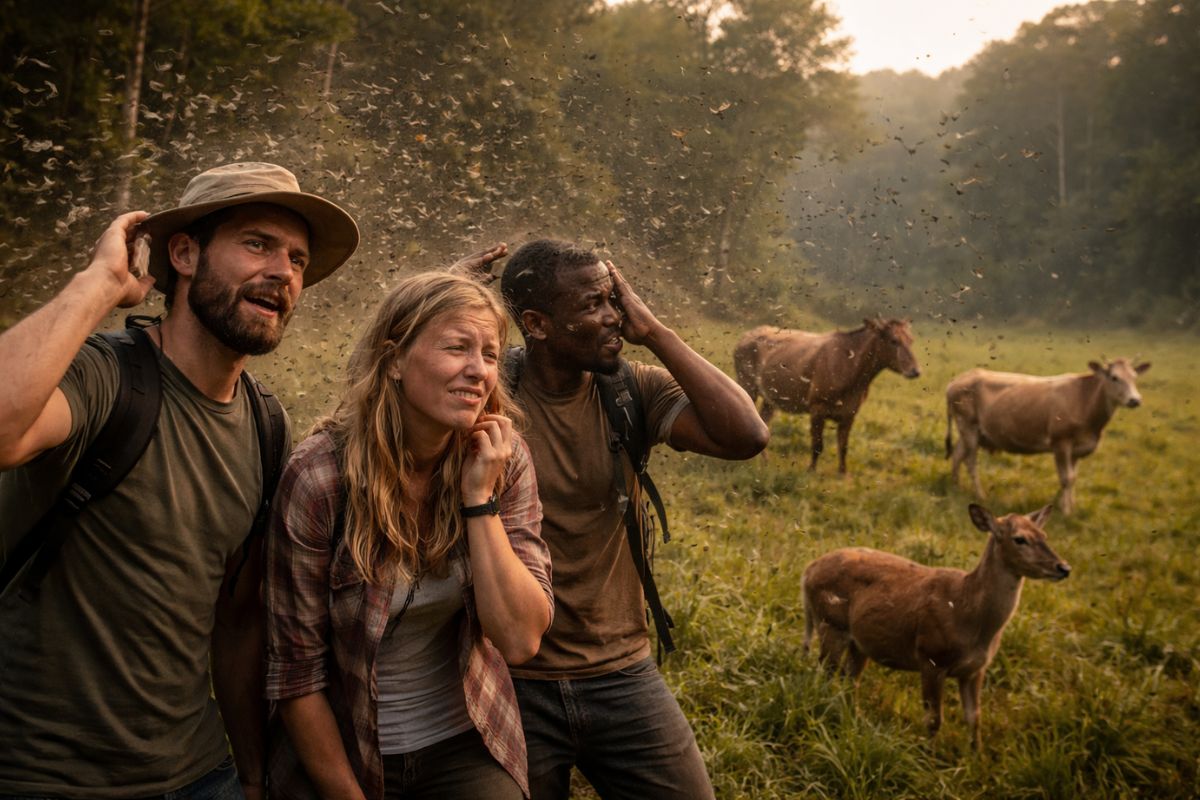
Change in Feeding Habits in Reserves of Rio de Janeiro Reveals More Contact with Humans and May Increase the Risk of Virus Transmission
Mosquitoes from remnants of the Atlantic Forest are feeding more frequently on human blood than on other animals. This finding comes from research by Fiocruz and UFRJ conducted in natural reserves in the state of Rio de Janeiro.
The finding is noteworthy because it goes beyond the nuisance of bites. Mosquitoes are vectors of diseases and, when they start biting more people, the risk of pathogen circulation may increase.
The research evaluated the behavior of these insects in environments impacted by deforestation and fragmentation. The scenario includes fewer available animals and more human presence near the forest.
-
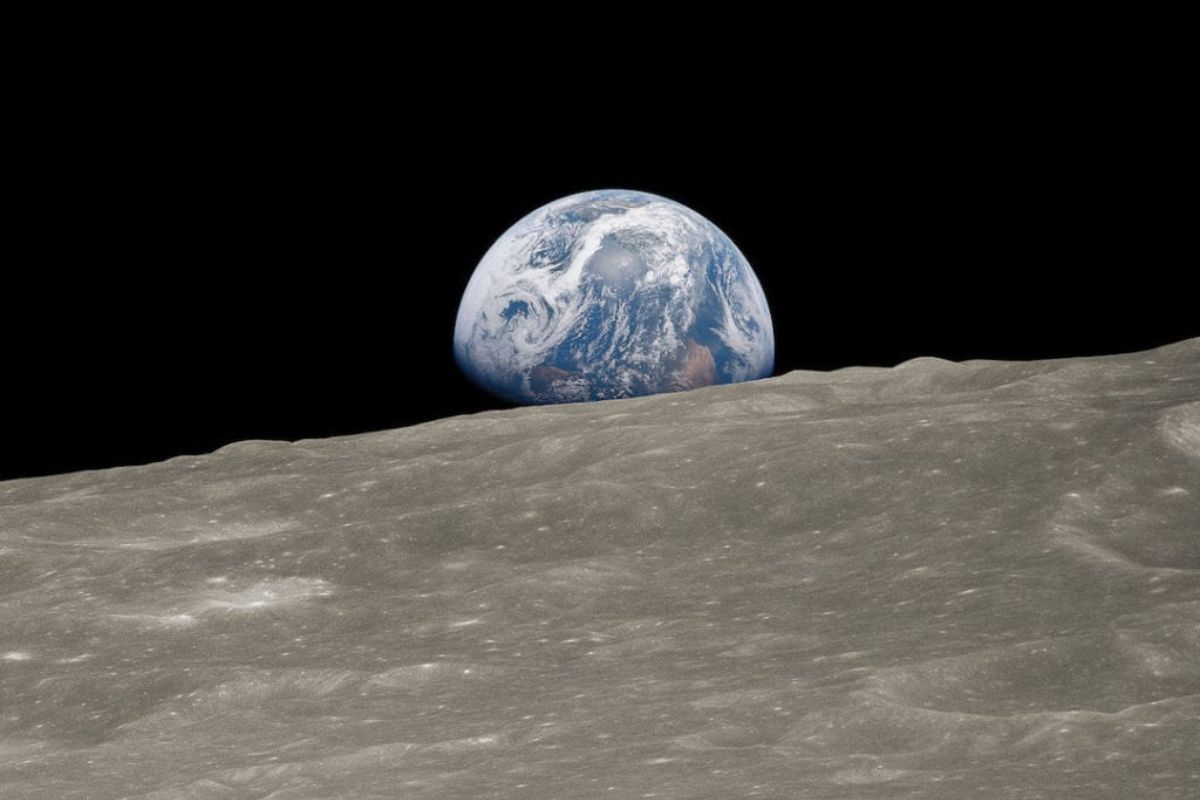
Four humans are flying towards the Moon inside the Orion capsule launched by the SLS rocket, and on April 6, Artemis II will disappear behind the far side of the Moon without communication with Earth for nearly an hour.
-
Worlds covered by water, atmospheres filled with hydrogen, and the possibility of life beyond Earth: ocean planets are rewriting the map of cosmic search and forcing scientists to rethink where to look.

-
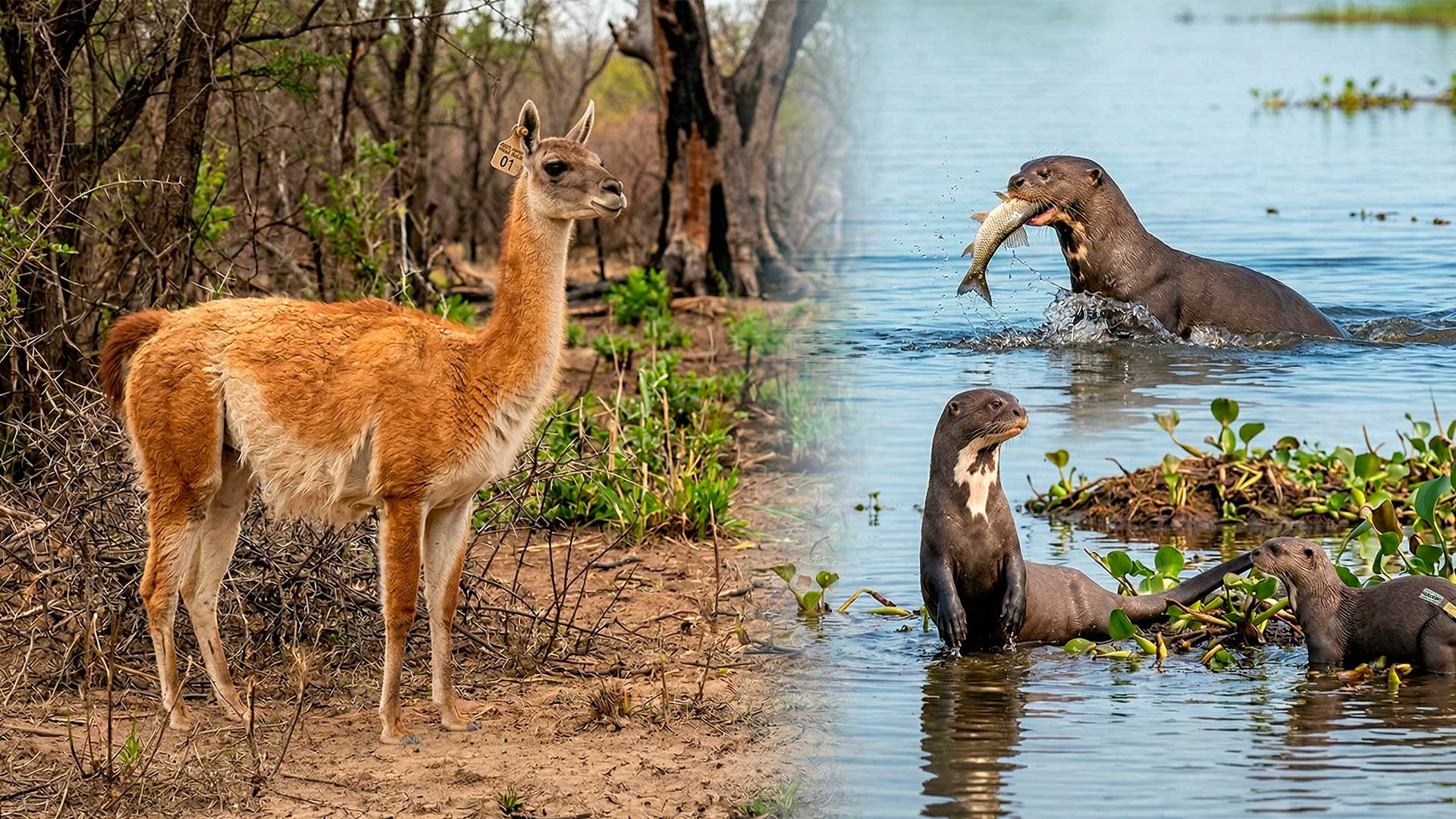
Argentina achieves the unimaginable after more than 110 years and reintroduces the largest native herbivore of South America to the Chaco to restore a lost link in nature.
-
Returning to the Moon now costs a billion-dollar bill and reignites the competition between the USA and China for science, technology, and rare minerals on lunar soil.


What Happened and Why It Drew Attention
The study analyzed mosquitoes collected in two natural reserves in the state of Rio de Janeiro. The work was published in the journal Frontiers in Ecology and Evolution.
The main concern involves the change in feeding patterns. If biting humans becomes more common, the chance of virus transmission increases in places where pathogens capable of causing outbreaks already exist.
Even with high vertebrate diversity in the Atlantic Forest, a strong signal of human feeding emerged. This suggests environmental pressure is altering the contact between mosquitoes and hosts.
Where the Mosquitoes Were Collected and How the Capture Was Done

The collections took place at the Reserva Sítio Recanto and the Ecological Reserve of Rio Guapiaçu. The method used was light traps, which attract mosquitoes in flight.
Throughout the study, 1,714 mosquitoes were captured, belonging to 52 species. This volume helped create a broad overview of the presence of different types of insects in the analyzed areas.
After the capture, the focus shifted to a specific group: females that had recently fed, as they carry the most direct information about the blood source.
How the Ingested Blood Was Identified
In the laboratory, the engorged females, a term used for those with a full abdomen of blood after a recent meal, were separated. In total, 145 females were in this state, just under 7% of the collected sample.
The next step was to trace the source of the blood. The team extracted DNA from the blood meals and analyzed a gene used as a barcode for vertebrates, which allows species recognition by comparing genetic sequences with databases.
In 24 mosquitoes, it was possible to identify the source of the ingested blood. This subset formed the basis for observing which hosts were more frequently targeted by bites.
What the Results Showed About Humans, Birds, and Other Animals
The identified meals indicated a predominance of humans. Traces of 18 different individuals were detected.
The second most frequent group was birds, with blood from six distinct individuals. There was also a single instance each of blood from an amphibian, a canid, and a rodent.
This pattern does not automatically indicate a natural preference for humans. The more direct interpretation is that humans may be becoming the most available option in areas where other animals are becoming rarer or moving away.
Mixed Meals and What They Indicate
Some samples showed mixed meals, where the mosquito feeds from more than one host. One case involved Cq. venezuelensis, with blood from both an amphibian and human.
There were also records with Cq. fasciolata in combinations of rodent and bird, as well as bird and human. This reinforces that the mosquito may alternate targets based on encounter opportunities.
When the same insect contacts different hosts, it increases the complexity of the sanitary risk. The circulation among animals and humans may facilitate bridges of transmission in regions with circulating viruses.
What Changes in Practice for Those Living Near the Forest
In areas where the Atlantic Forest has been deforested or fragmented, many vertebrates that served as food for mosquitoes disappear, become rarer, or move away. At the same time, people start to circulate and live closer to the forest, in rural areas, condominiums, forest edges, or mixed-use regions.
With fewer alternatives and more encounters with humans, the chances of mosquitoes seeking human blood for availability increase. This scenario may raise the risk of an infected person being bitten and, subsequently, the pathogen reaching other people.
In the analyzed areas, mosquitoes are involved in the transmission of viruses such as yellow fever, dengue, Zika, Mayaro, Sabiá, and chikungunya. If human feeding becomes more frequent, the potential for transmission also rises.
Points of Attention and Common Questions
The study presents important limitations. Despite the large number of mosquitoes captured, the rate of engorged females was low, and it was not always possible to identify the source of the blood, reducing the effective sample size.
Another point is the capture method. Light traps tend to catch hungry mosquitoes actively seeking blood, while those that have recently fed may remain hidden in rest and appear less frequently in the collection.
The recommendation is to expand studies using more suitable methods to capture and identify blood meals, especially when they are mixed. Nonetheless, the signal of high human blood presence already serves as an alert for surveillance and prevention actions.
Ultimately, the change in feeding patterns indicates that the pressure from deforestation may alter the contact between mosquitoes and people. In regions close to the forest, this may signify a greater risk of virus transmission.
Prevention is strengthened when the environment is also considered. In addition to mosquito control, the balance of the ecosystem influences who becomes the easier target and how often that encounter occurs.









-

-

-

-

4 pessoas reagiram a isso.