





 English
  Francês
  Alemão
  Italiano
  Japonês
  Norueguês
  Portuguese
  Spanish
  2 min of reading


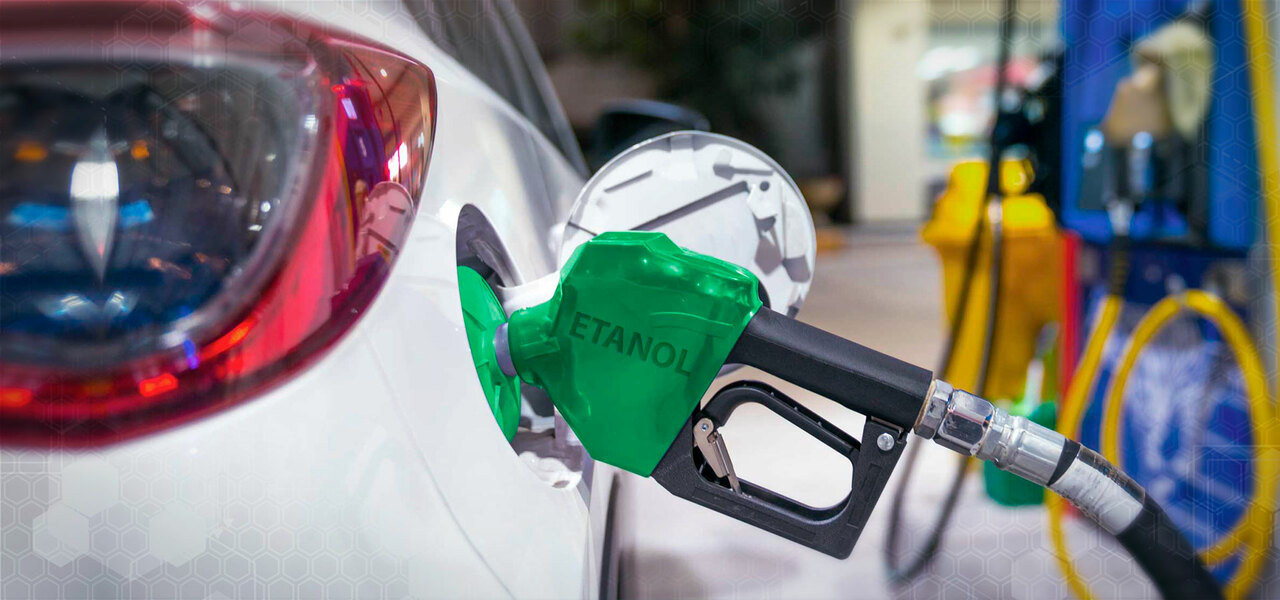
Ethanol May Be the Salvation of the Automotive Industry While Electric Cars Have Yet to Arrive in Brazil
Brazil is the only manufacturer of cars that run on ethanol, and automakers, along with fuel producers, are betting on increasing its use and even that the product will play an important role in the electric cars of the future and in the automotive industry.
Read Also
SOFC Technology Remains an Option to Electric Cars in Brazil
The shift to electric cars is accelerating in Europe and China, but the U.S. has also begun its race for electric vehicles. In Japan, however, there is still some resistance to cars powered by 100% energy.
Launched in 2016, Nissan’s research program is still not viable today and is expected to at least be operational within the next five years. With 30 liters of ethanol, an e-NV200 van can travel 600 km.
-
Brazilian giant expands borders in the Southeast: Petrobras confirms new oil discovery in ultra-deep waters in the pre-salt of the Campos Basin.

-
Alert in the global energy market: Severe tropical cyclone hits the coast and disrupts gas production at major plants in Australia, threatening global supply.

-
Petrobras finds high-quality oil in the pre-salt at 113 km from RJ and reignites expectations about strategic reserves in the Campos Basin.

-
Ocyan opens registrations for startups focused on innovation in the oil and gas sector and will select projects for Innovation Day with the support of Nexio.


Achieving 20 km/l, it does not require the expensive hydrogen refueling stations, which need complex, costly, and hazardous infrastructure. It only needs to stop at a gas station and refuel. With a process resulting in water, the SOFC guarantees zero emissions with a 24 kWh battery.
Brazil at the Forefront of Clean and Renewable Fuels
When it comes to clean and renewable fuels, Brazil has a significant advantage, being the world’s largest producer of ethanol from sugarcane – with 27.9 billion liters produced in the 2017/2018 harvest. This is an available, renewable, sustainable, and clean energy matrix.
“Even hybrid vehicles powered by fuel cells can use ethanol instead of hydrogen to generate electricity,” explains Tatiana Bruce, a doctoral student at MIT Portugal and Associate Researcher at FGV Energia.
Brazil also has 30 million flex-fuel vehicles in circulation, running on either ethanol or gasoline, which corresponds to 70% of the total fleet of 43 million cars and light commercial vehicles, according to data from the National Association of Motor Vehicle Manufacturers (Anfavea).
Since 2003, the year the flex technology was introduced in Brazil, the use of ethanol has resulted in a reduction of 500 million tons of CO2 that have not been released into the atmosphere, up to September of this year, revealing a significant contribution to air quality and reducing global warming, according to data released by UNICA – the Sugarcane Industry Union.










Seja o primeiro a reagir!