





 Portuguese
  English
  Spanish
  3 min of reading
  0 comments


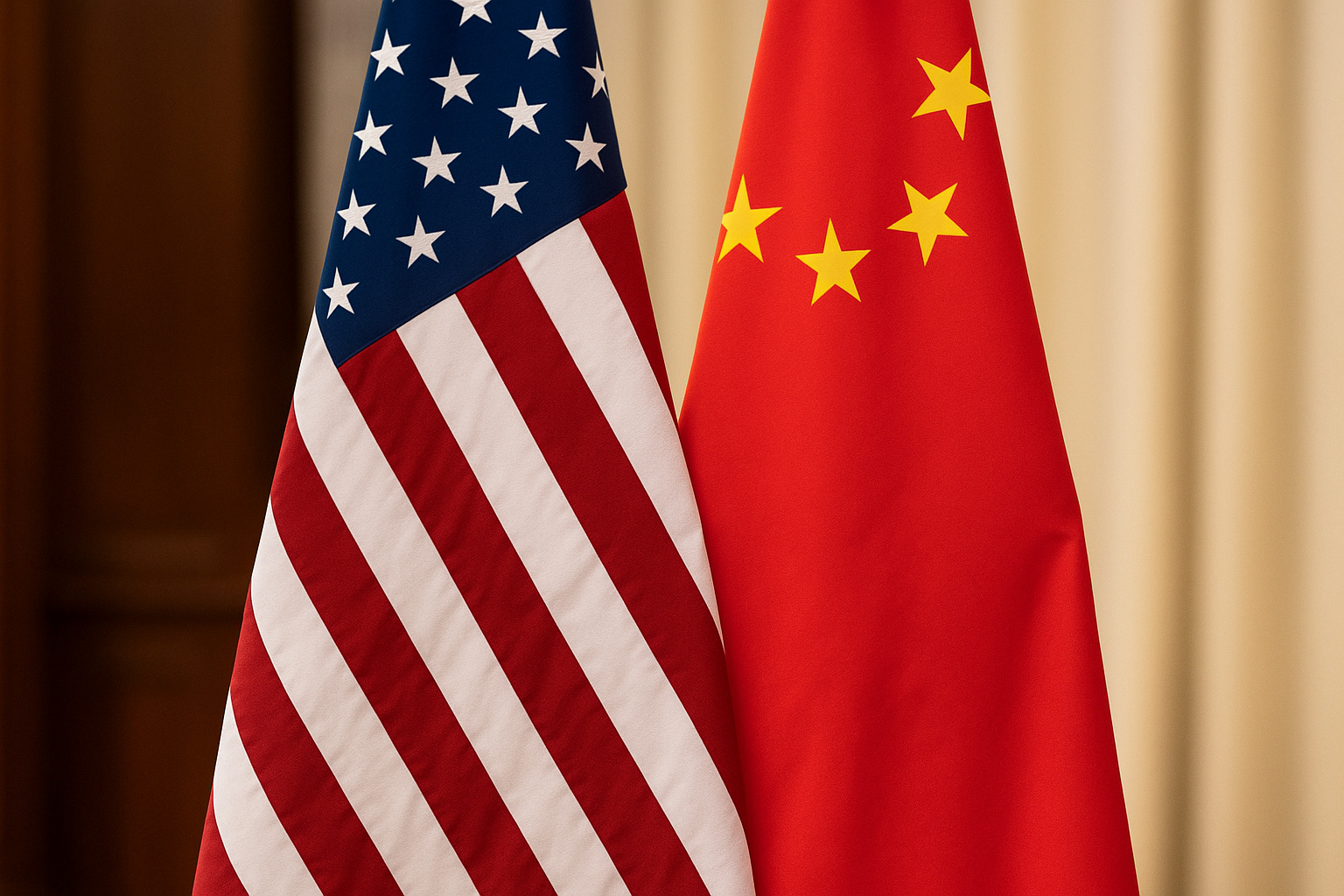
Statement Comes After Resumption of Chinese Export Restrictions, Rekindling Tensions Between Washington and Beijing
The Director of the United States National Economic Council, Kevin Hassett, accused China of attempting to “intimidate” the American government after Beijing resumed export controls on rare earth goods.
This incident occurred last week and was addressed in an interview with Fox News, granted on Tuesday, the 14th.
Hassett’s comments rekindled discussions about the impact of the Chinese measure on global trade and the trade dispute between the two largest economies in the world.
-
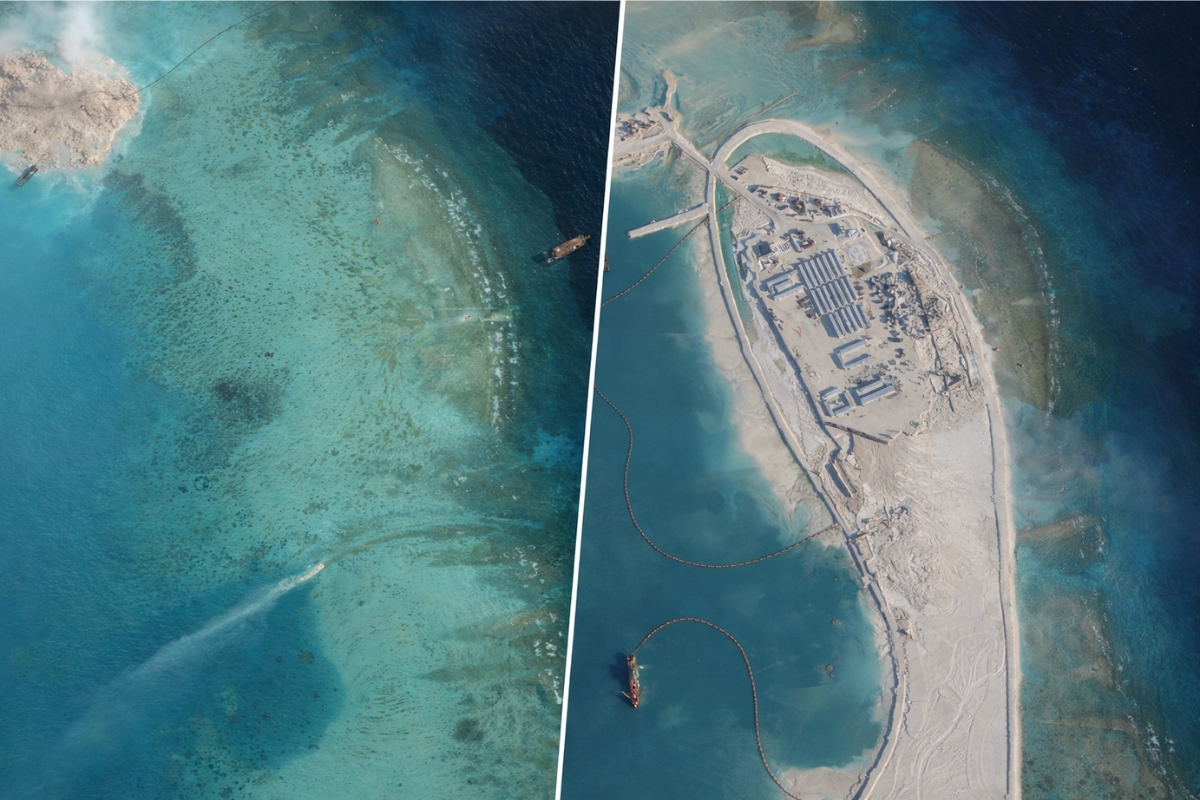
China took advantage of the international conflict with Iran to seize a strategic island, and the worst part is that it is now militarizing the area.
-
After a devastating fire that left 3 injured and 200 intoxicated by smoke in the Red Sea, the most expensive warship ever built — $13.3 billion — returns to the front in Iran after quick repairs in Croatia.

-
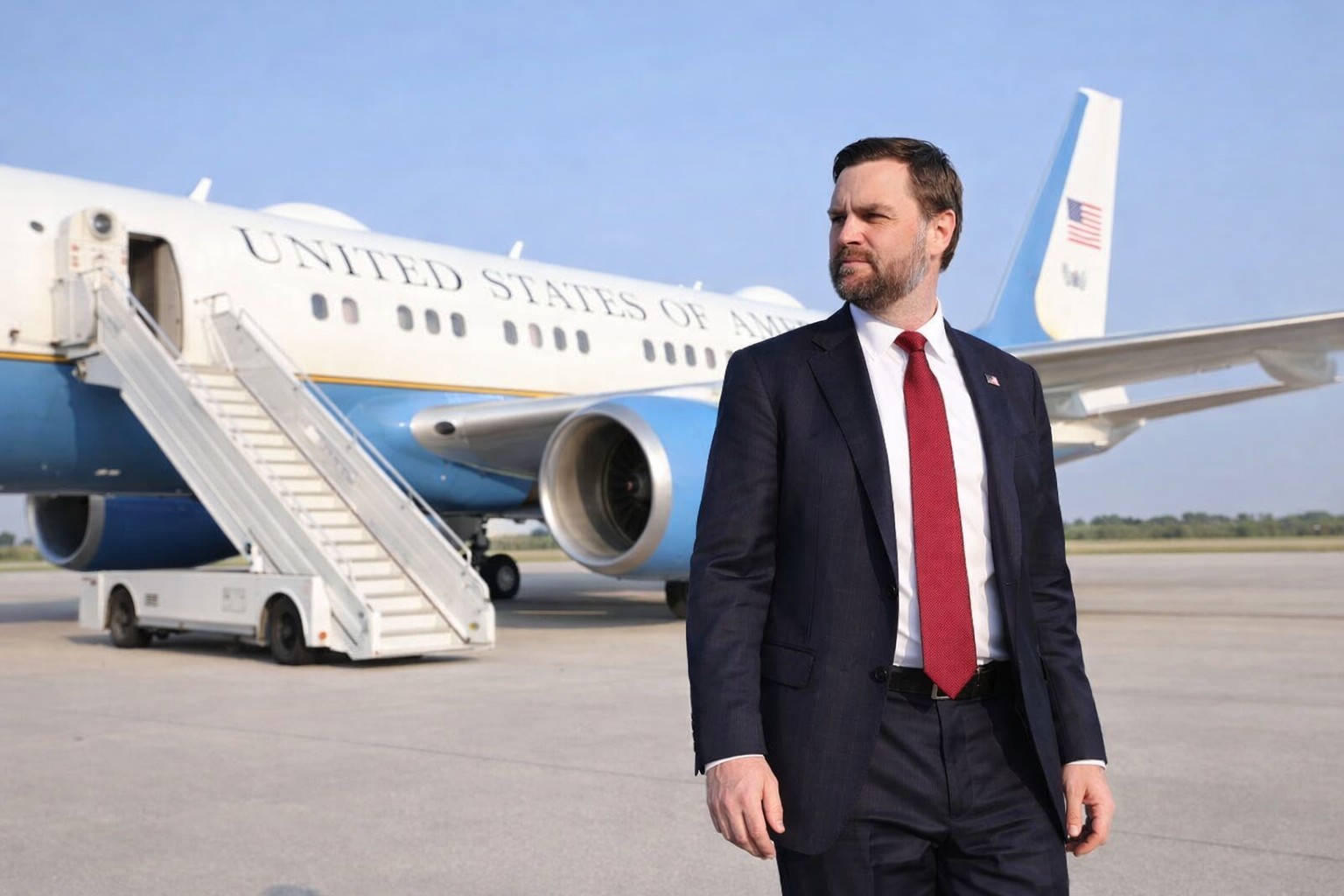
It fell apart! The US and Iran fail to reach an agreement and global tension explodes — Vance’s exit from Pakistan raises alarms about Hormuz and the nuclear program.
-
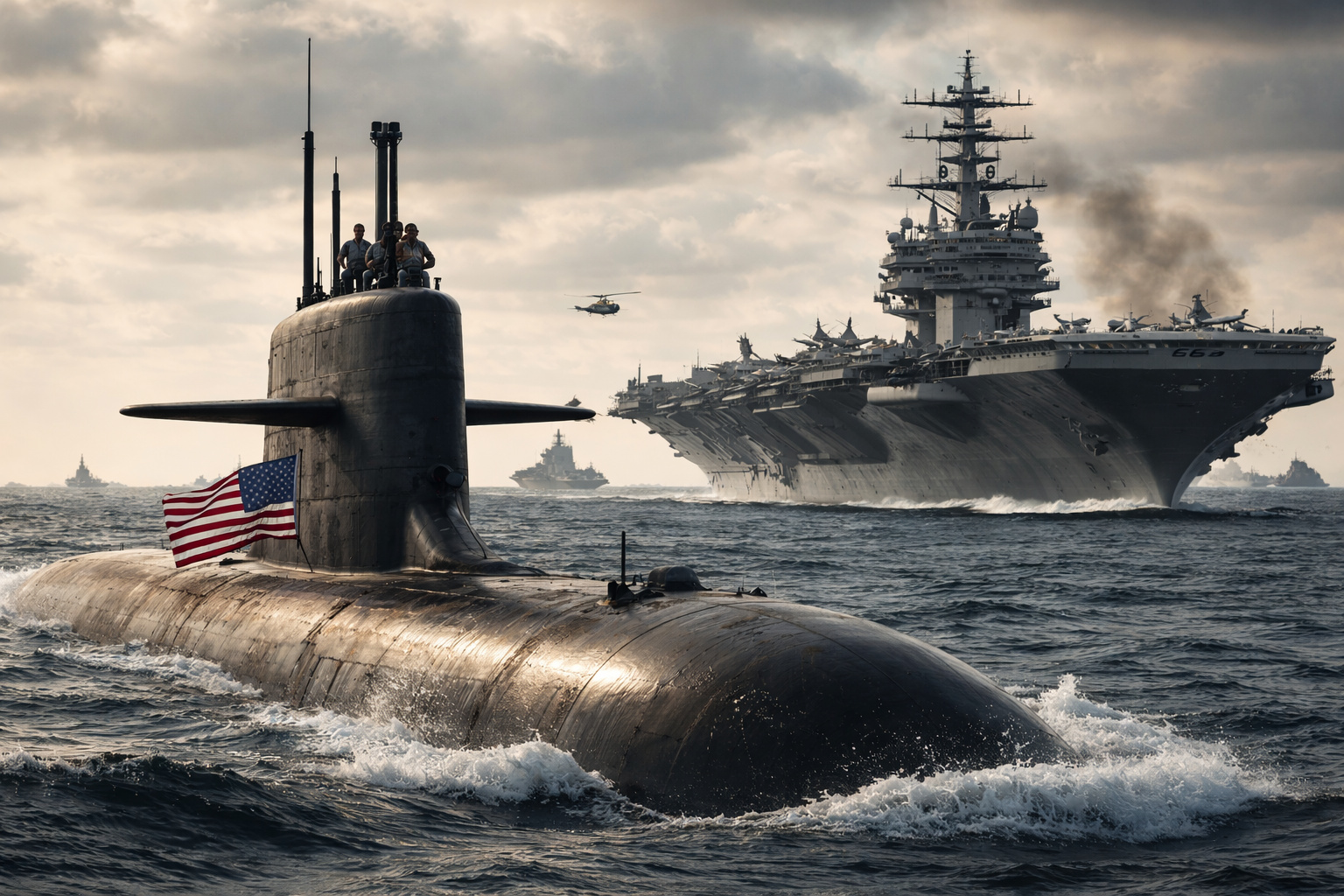
U.S. Armed Forces send warships to the Strait of Hormuz for mine removal from the channel as supertankers resume transit and global tensions pressure oil.

According to him, the action represents a “classic intimidation move”, as the Chinese government halted diplomatic communications with the United States.
“They wouldn’t even answer calls from our team asking: ‘What happened? Wasn’t everything set for Trump and Xi Jinping to meet?’,” he stated.
China Under Trade Pressure
According to Hassett, rare earth exports are strategic for the global industry.
He stated that China is trying to pressure the United States during the ongoing trade negotiations between the two countries.
Despite this, the adviser expressed confidence that Beijing will resume diplomatic dialogue and will “follow the rules of the international community”, referring to the World Trade Organization (WTO).
Additionally, he emphasized that “China needs to return to the negotiation table” and cooperate with American authorities.
This cooperation, according to Hassett, is essential to resolve trade deadlocks through dialogue and avoid harm to the Chinese economy.
The comment comes amid a new phase of the technological and trade dispute between Washington and Beijing, which involves semiconductors, batteries, and strategic minerals.
Economic Impacts and Risks for China
According to Hassett, the Chinese economy faces difficulties in 2025, with a decline in exports to Europe and reduced demand for industrial products.
“Maybe that’s why they are acting this way,” the adviser stated, suggesting that the control of rare earth exports aims to compensate for internal weaknesses.
The elements controlled by China are essential for the manufacturing of electric vehicles, turbines, and electronic equipment on a global scale.
These sectors are largely dominated by American and European companies, which increases the political and economic weight of the Chinese decision.
Hassett also noted that the restrictions imposed by Beijing could affect the global production chain and pressure strategic industrial sectors.
Among them are automakers and technology companies, which heavily rely on rare minerals.
However, he emphasized that the United States has alternatives and strategic stockpiles that can reduce reliance on Chinese inputs.
Washington Maintains Firm Stance
Confidently, Hassett asserted that “Xi Jinping is facing the best economic team we’ve ever had”, led by Donald Trump and Scott Bessent.
The adviser stressed that the U.S. has enough trade trump cards to respond to the restrictions imposed by Beijing.
However, he did not detail which measures are being considered by the American government.
“China will not take advantage of us. Trump will ensure a good deal for the U.S. economy,” Hassett added.
Despite the criticisms, the director reiterated that trade negotiations continue and that there is room for mutual understanding.
However, he warned that Chinese isolation could bring severe consequences to its own economy, should the country not return to negotiations with transparency.
International Context
The export controls on rare earths — essential elements in the clean energy and electronics industry — came back into effect in China in October 2025.
This information was confirmed by the Chinese Ministry of Commerce, which highlighted the “protective” nature of the measure.
However, analysts claim that the decision is an indirect response to the technological sanctions imposed by the United States in the first half of 2025.
The Wall Street Journal emphasized that the resumption of restrictions intensifies the global competition for strategic inputs and pressures production chains.
Meanwhile, the International Monetary Fund (IMF) warned that global trade is slowing down due to tensions between economic powers.
Thus, the impasse between Washington and Beijing poses a risk to the balance of global supply chains and reinforces the geoeconomic role of rare earths.









Seja o primeiro a reagir!