






 Portuguese
  Spanish
  3 min of reading
  0 comments


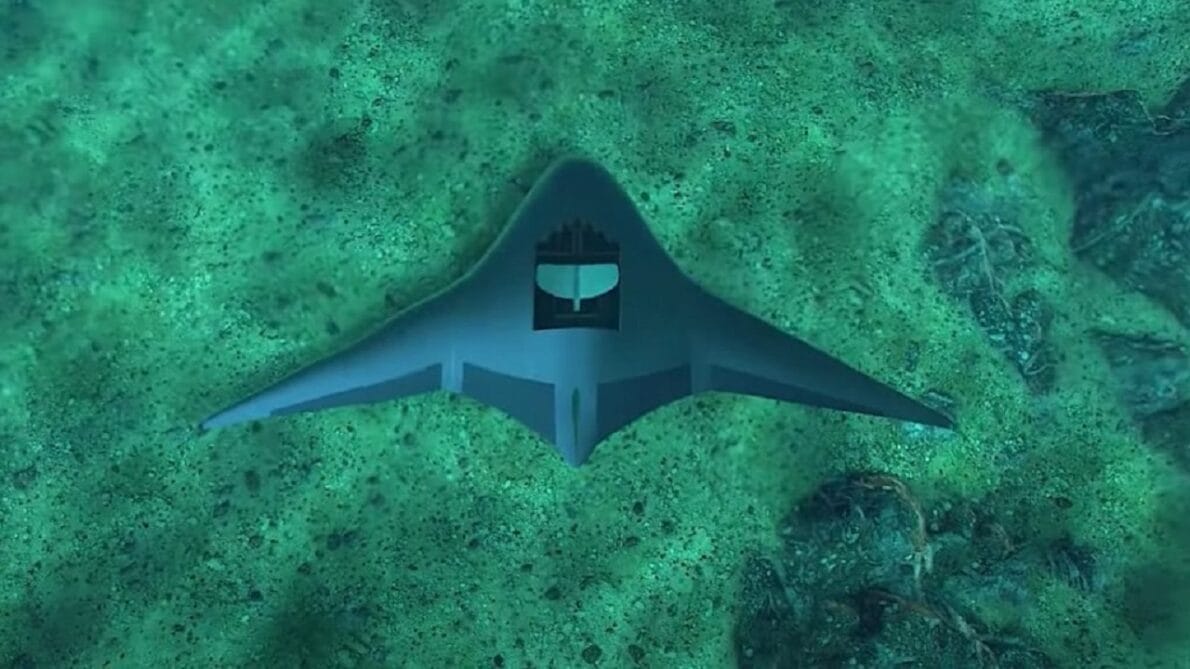
New US Underwater Military Drone Promises to Be a Revolution and Does Not Need Crews. The Model Will Use Renewable Energy to Recharge and Is Inspired by Manta Rays.
In 2021, DARPA, the United States defense agency, announced the development of a program focused on creating a new ally for the military. It is an underwater military drone capable of operating in long-duration, long-range missions. The outcome of this US agency project was named Manta Ray.
Understand the Construction Process of the US Underwater Military Drone
The US agency is awaiting the construction of two full-size underwater military drone units to begin testing. One of them was completed this week, according to information from Northrop Grumman, one of the companies selected by DARPA. The company refers to Manta Ray as a large unmanned underwater glider.
As is customary in military projects of this level, few details have been disclosed so far. The US underwater military drone, inspired by the shape of manta rays (hence the name in English), is expected to be powered by new technologies, including the ability to capture energy from underwater sources to operate in hostile environments for long periods.
-
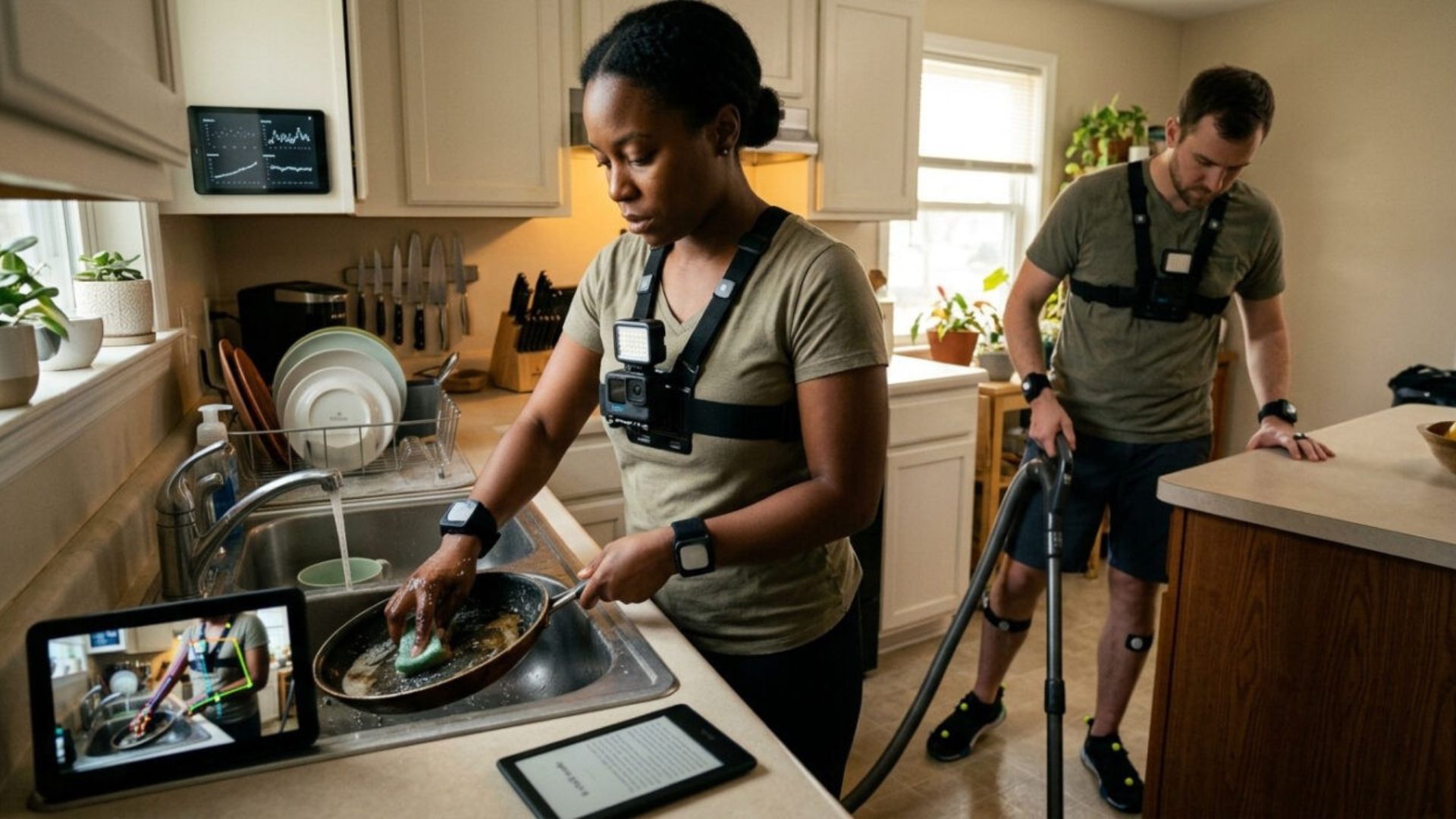
In the USA, thousands of people are being paid to wash dishes and clean the house with body cameras, every movement turning into data to train robots to imitate humans, in a new “digital gig” that could redefine the future of domestic work.

-
At 22 years old, a young person from Recife creates an artificial intelligence startup with a team barely over 25, serves giants like Bayer and Ipiranga, earns millions without taking a cent from investors, and transforms a young company into a national AI phenomenon.
-
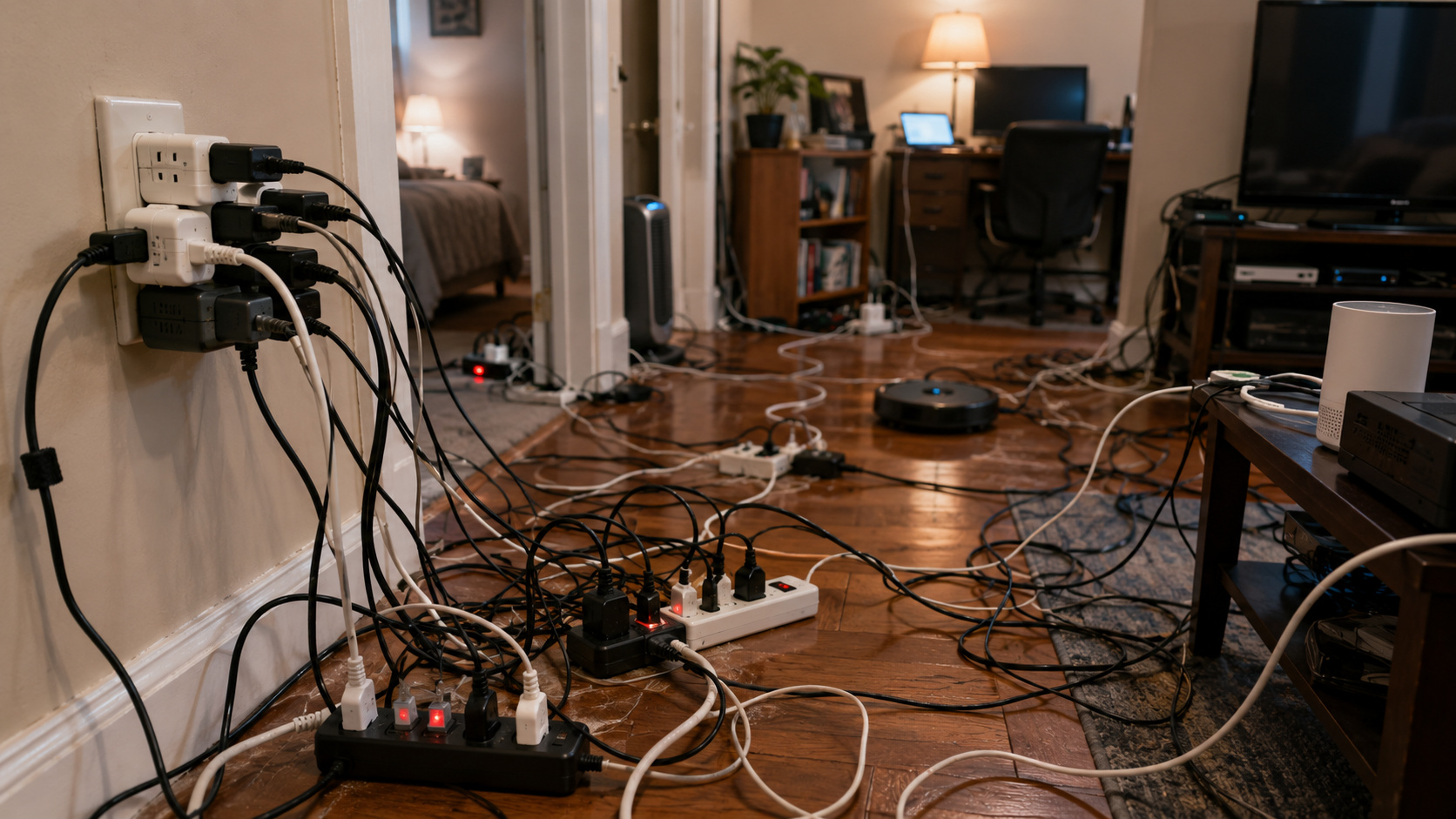
The invisible danger inside the house: plugging too many devices into the same outlet and spreading extensions throughout the rooms can overload the electrical network, silently heat wires, and turn a common habit into one of the leading causes of house fires.

-
Goodbye traditional laundry: Roborock launches washer and dryer with super hydrolysis, microbubbles, 99.99% sterilization, low-temperature drying, automatic detergent, app control, and cycles to remove stains, odors, mites, and bacteria from clothes.


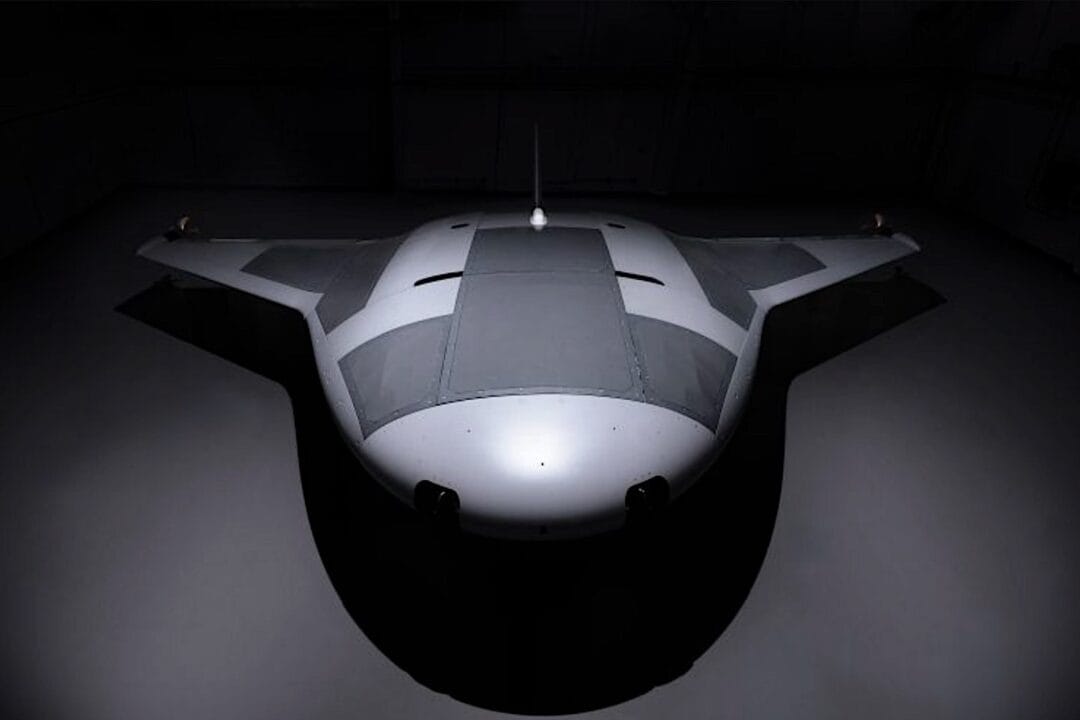
Regarding construction, the Manta Ray is expected to be built with materials capable of protecting it against biofouling (accumulation of microorganisms and algae on structures), corrosion, and other types of degradation that occur in water.
DARPA also requested that the US military drone be difficult to detect underwater and have hazard classification capabilities. Northrop Grumman’s concept was developed to transport sensitive cargo on submarine missions, eliminating the need for human crews on board.
The name and shape of the underwater military drone were inspired by manta rays, with a rhombus-shaped body. This fish species, with a long tail, can grow up to seven meters in wingspan.
US Underwater Military Drone Can Generate Renewable Energy
An essential requirement of the Manta Ray is its ability to operate without the need for humans. The drone should not only use minimal amounts of energy but must also extract energy from the ocean. The ability to renew its electricity supply keeps the drone’s size and weight low, making it smaller and harder to detect. There are two ways to address the energy issue. One is solar energy – recharging batteries from a solar panel, ideally embedded in the drone’s skin.
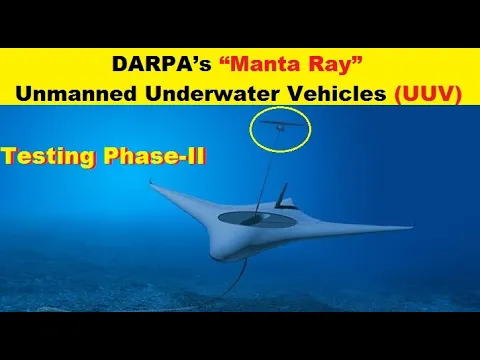

However, sunlight darkens quickly as it moves through the ocean, and the underwater military drone would have to surface to recharge its batteries, making it vulnerable to detection. Another possible source of electricity is wave energy. In a DARPA video from 2022, the US drone extends what appears to be a retractable device that collects energy from the waves and converts the motion of water into energy.
How Will the US Military Drone Be Used?
A drone capable of conducting missions autonomously, without the need for refueling, opens up a range of possibilities. One of them is using the Manta Ray as a Surveillance system.
For example, in a video, the drone appears to be hovering over a set of hydrophones. Hydrophones, also known as passive sonars, are essentially giant microphones that listen to the ocean for revealing sounds from enemy submarines.
They do not generate detectable emissions, use minimal electricity, and although they often collect large amounts of data, an AI could analyze this data and transmit only suspicious signals to human analysts for further study.
Currently, the US Navy relies on specialized surface ships and some static hydrophone arrays to track submarines. These ships are relatively vulnerable to attacks and would need to be withdrawn in times of war.





Be the first to react!