Portuguese
  Spanish




With the Tests of the Prototype of the Generator Capable of Extracting Energy from the Waves Already in Progress, Engineers Highlight That the New Invention Can Capture Energy Higher Than Solar Power Panels and Wind Power Towers
A project developed by Australian engineers resulted in a new generator that is capable of capturing and doubling the energy from ocean waves, which could mean the feasibility of this rich source of clean energy; studies show that the effectiveness of the new generator is superior to solar power panels and wind power towers.
Read Also
Professor Xu Wang Discusses Wave Energy and the Functioning of Renewable Energy Capture
Professor Xu Wang from RMIT University reported that even though wind and solar energy are currently the dominant sources in the market regarding renewable energy, they are only available about 20 to 30% of the time. On the other hand, wave energy is available practically all the time. Professor Wang believes that the potential present in wave energy along the coast is immense.
It is estimated that the high unexplored potential of ocean wave energy around the world is equivalent to a significant portion of the world’s electricity production today. However, the various challenges in developing new technologies that can efficiently extract this energy from ocean waves and withstand the highly aggressive environment of saltwater are the factors that keep the use of wave energy in the experimental phase.
-
Giant Batteries Take Center Stage in Chile Auction as Company Offers 960 GWh of Solar Energy for Nighttime Use, Aiming to Stabilize Solar Power Supply

-
After a Year of Success in Switzerland, Solar Railway Attracts Italy’s Interest for Clean Energy Transformation
-
Robots Clean Solar Panels in Desert Power Plants Without Water, Preventing Energy Losses
-
Brazil’s Offshore Wind Energy Potential Worth $1 Trillion Stalled by Long-Delayed Agreement



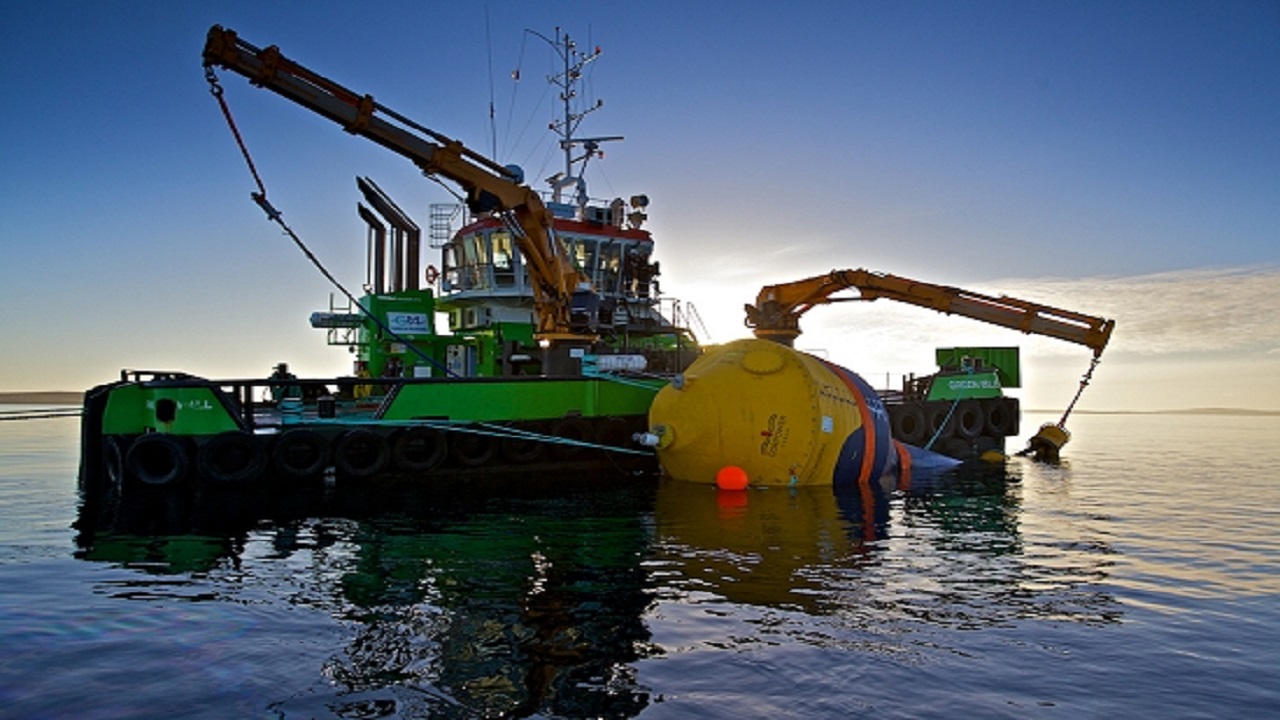
The generator is housed within a buoy, just above the waterline. The idea of placing it in a buoy is precisely to preserve its lifespan, given that seawater is highly corrosive.
Floating Electricity Generator Prototype


The floating generator extracts twice as much energy from ocean waves, surpassing both wind and solar energy. The prototype is still being tested by Professor Wang’s lab team. The proposal from the professor and his students to allow everyone to harness the renewable energy source of waves involves a double turbine fixed to the floating generator. These turbines float in sync, following the ebb and flow of the waves, facilitating the dual capture of wave energy.
This is a simple view provided by the professor. It is possible that the system constructed so far could be much more complex. The prototype includes several sensors, verification and control computers, as well as actuators that assist in synchronizing the generators relative to the waves, which are always variable.
Ocean Wave Energy
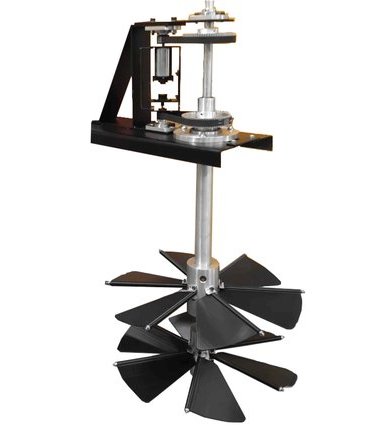
The prototype also features two exclusive turbine wheels that operate in counter-rotation. The generator could double its power by capturing wave energy twice. According to Professor Wang, in this case, the prototype ends up being much more efficient compared to other point absorption technologies that are currently being tested in laboratories around the world.
The floating energy generator prototype has achieved significant success in all tests conducted after implementing improvements during the research. Wang’s team is now seeking contact with businesspeople or industry partners to test a full-scale model and facilitate the commercialization of the generator.