





 Portuguese
  English
  Spanish
  2 min of reading
  0 comments


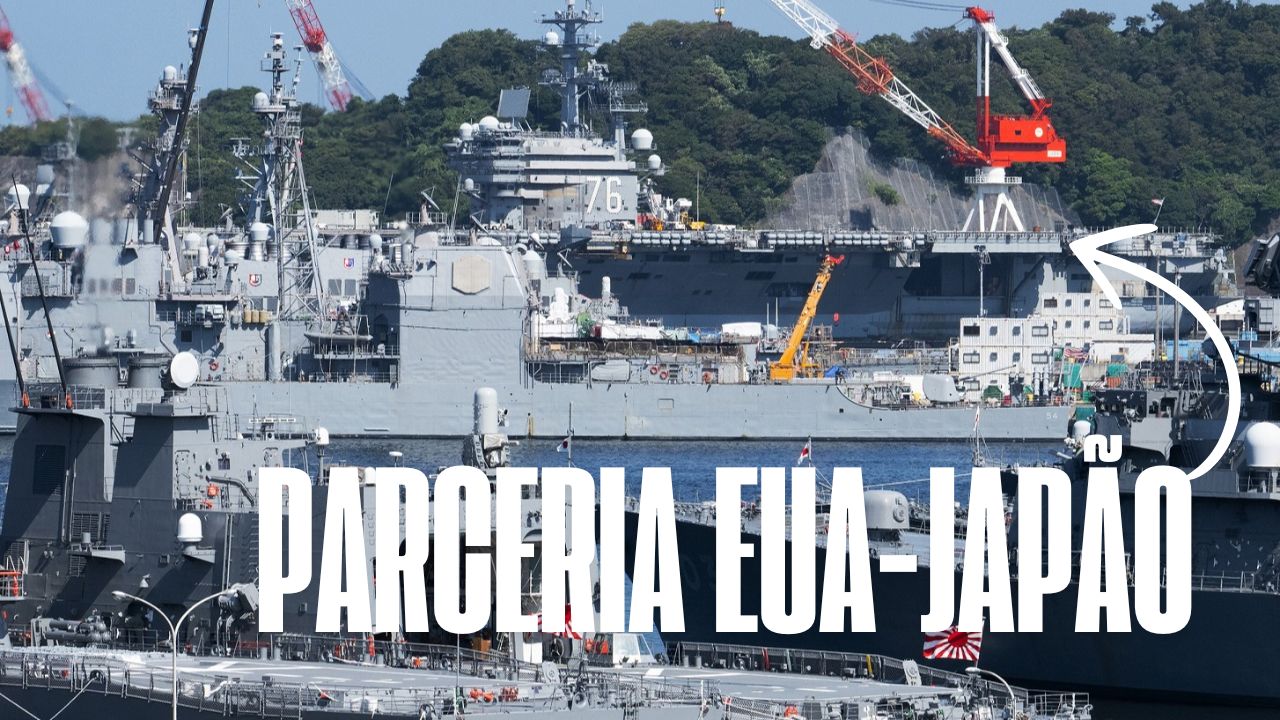
Accelerated Expansion of the Chinese Navy Concerns Washington, Which Now Sees the Japanese Shipbuilding Model as a Strategy to Balance Forces in the Indo-Pacific
The expansion of the Chinese navy has raised concerns in the global geopolitical landscape, especially for the United States, which is seeking ways to balance naval power in the Indo-Pacific. In response, Washington is considering adopting the Japanese shipbuilding model, which stands out for its efficiency and consistency in the production of submarines and military vessels. The US-Japan partnership in shipbuilding could redefine defense and containment strategies in the region.
The Japanese Shipbuilding Model
Unlike the United States, where the number of ships built varies according to the annual budget, Japan has maintained a steady production rate of submarines for decades, manufacturing one unit per year. This approach allows for cost reduction, labor optimization, and maintaining stability in the shipbuilding industry.
Since 2010, Japan has increased its submarine fleet from 16 to 22 units without changing the production pace. The secret lies in extending the service life of each vessel, which has increased from 16 to 22 years. Japanese shipyards, operated by companies such as Mitsubishi Heavy Industries and Kawasaki Heavy Industries, work on an alternating manufacturing system, ensuring continuous expertise and avoiding fluctuations in production.
-
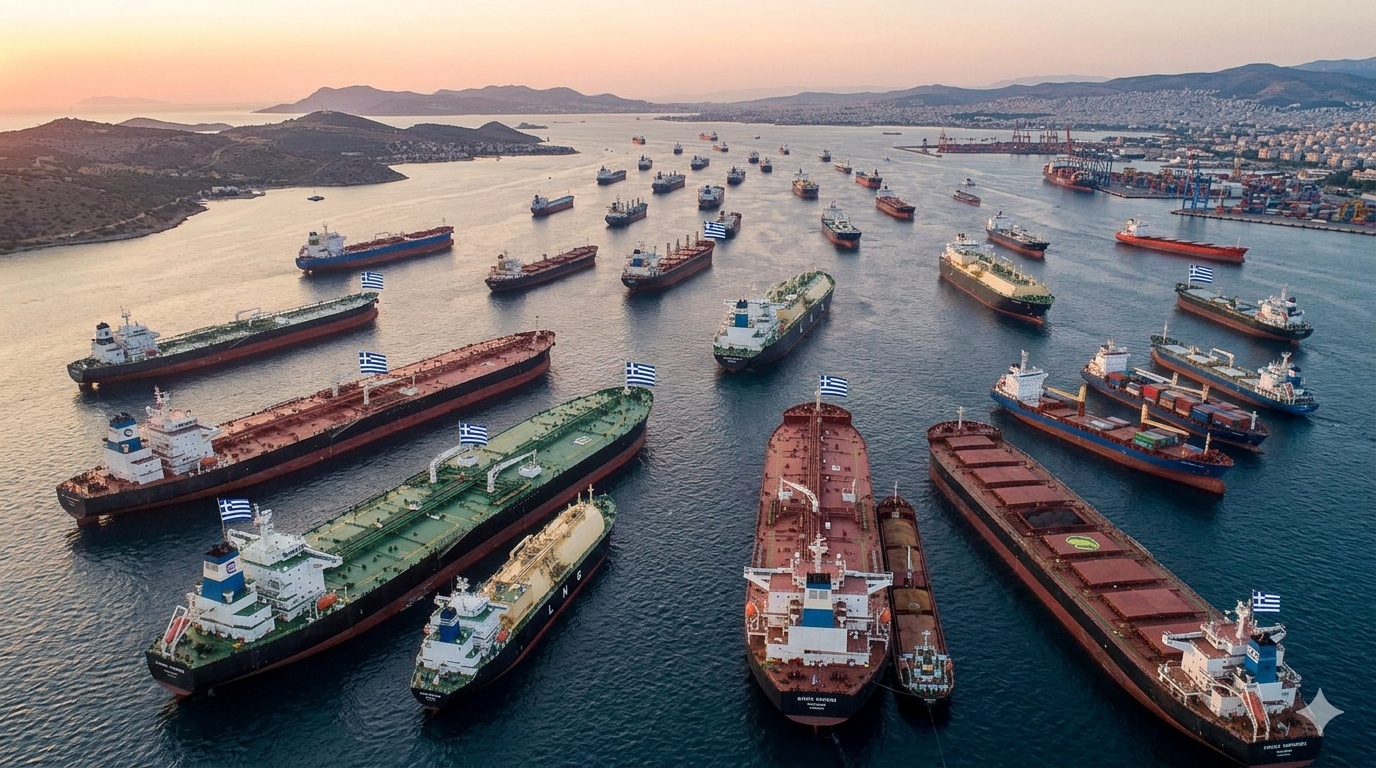
Neither the USA nor China: a small European nation has become one of the largest maritime powers on the planet, controlling one of the largest merchant fleets in the world with thousands of ships and dominating the global transportation of oil and strategic cargo.
-
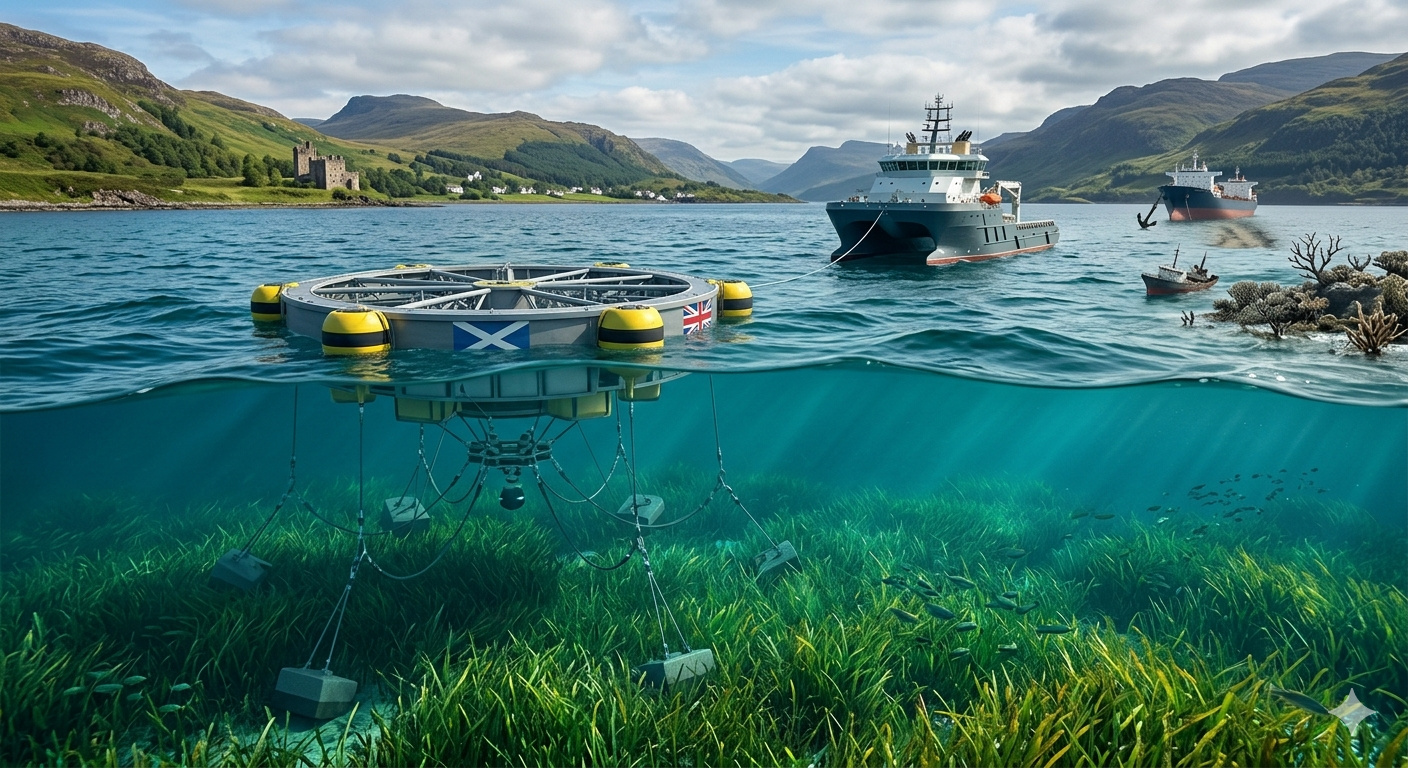
Scotland and the United Kingdom have created a new anchoring system that floats in the water without touching the seabed, after discovering that the current from a conventional anchor destroys up to 50 m² of seagrass meadow per event and that ship-damaged reefs showed no signs of recovery even ten years later.
-
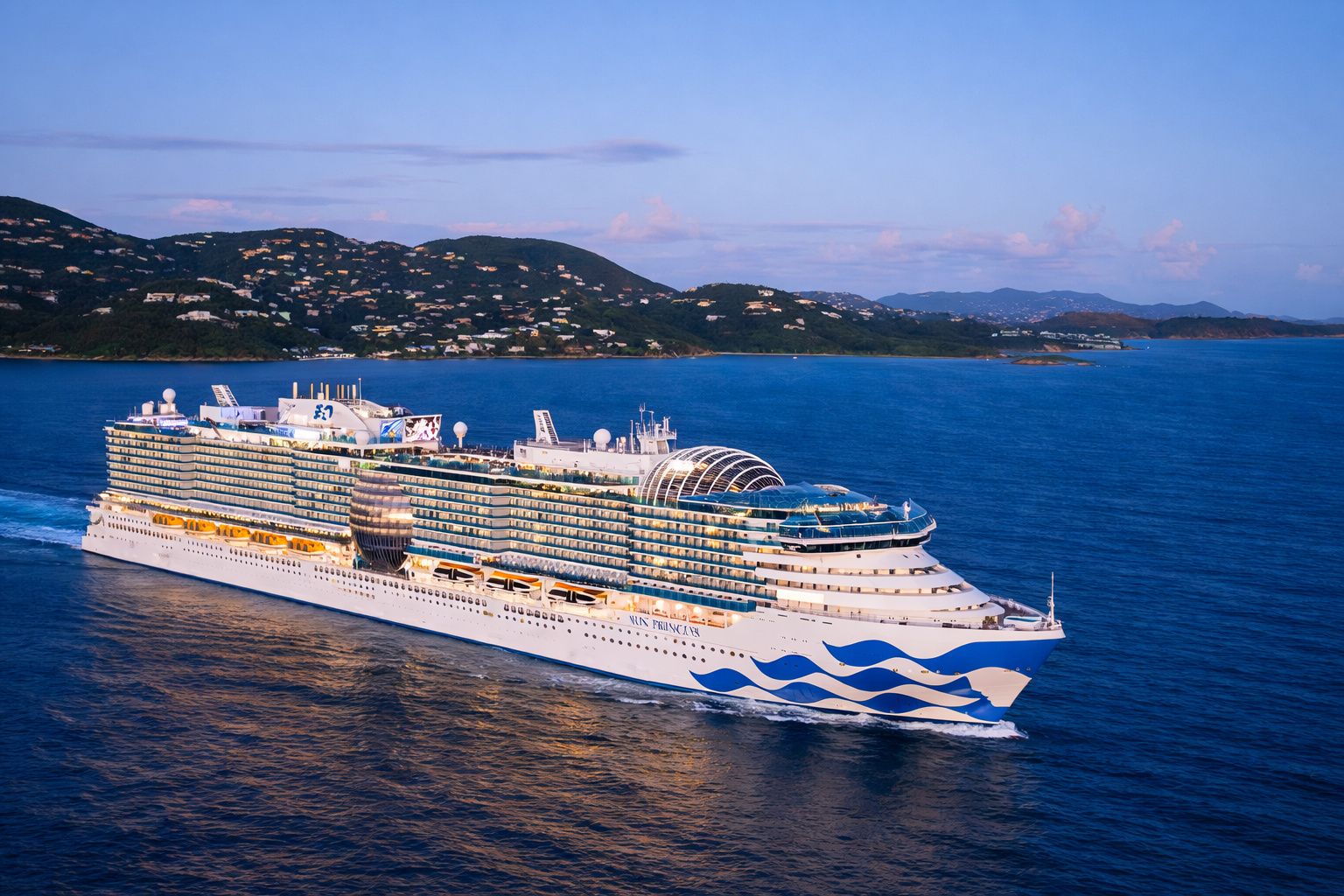
Weighing 175,500 Tons, Measuring 345 Meters Long, and With Capacity for Over 4,300 Passengers, the Sun Princess Becomes the Largest Ship Ever Built by Princess Cruises and Attracts Global Attention for Its Huge Glass Dome Inspired by Santorini’s Architecture Installed on Top of the Vessel
-
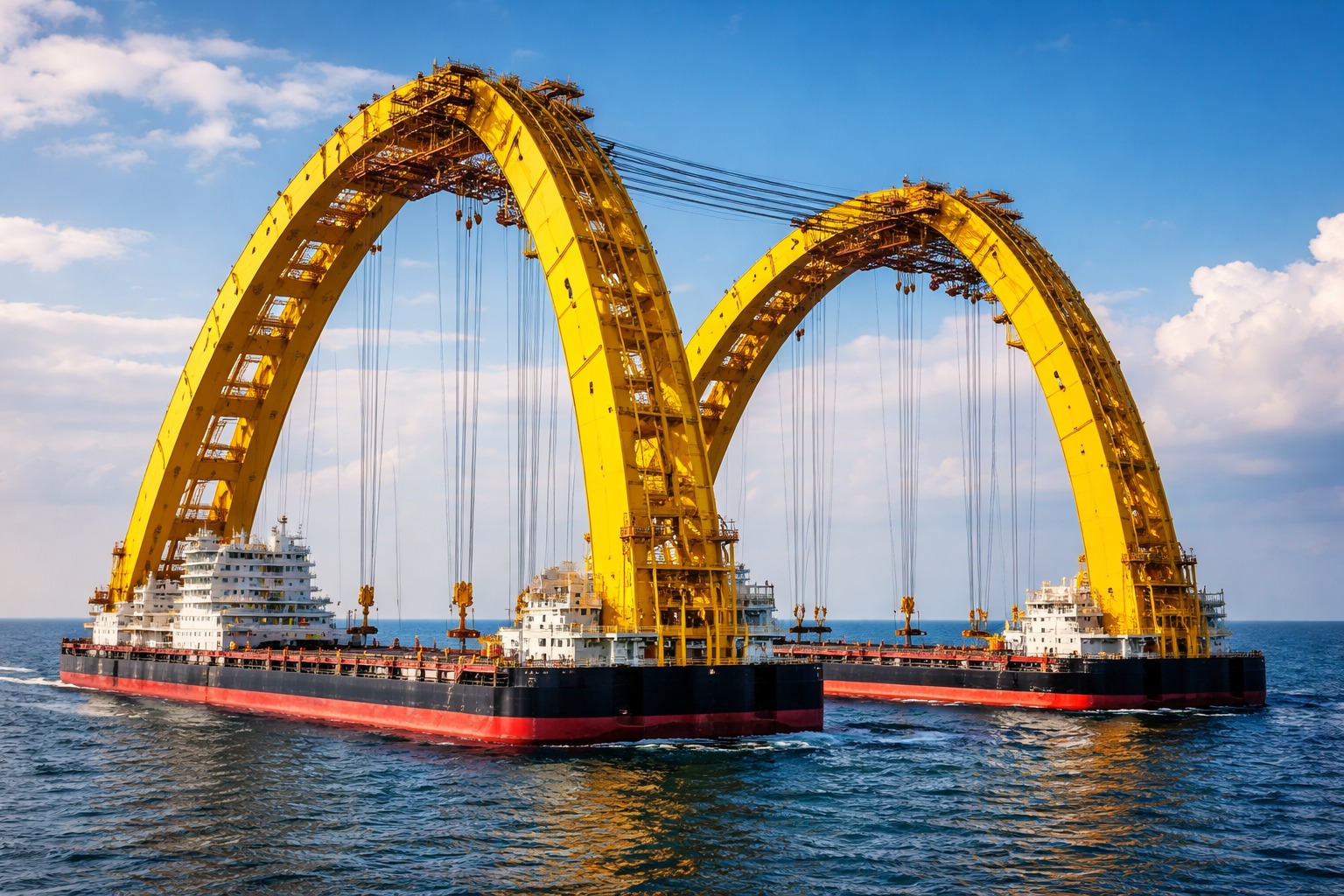
TX-10, The Colossus of The Sea: Largest Lifter Ship in The U.S., With Two Giant Barges, 73-Meter Tall Structure, and Strength to Raise 7,500 Tons of Sunken Oil Rigs

Challenges Faced by the US Navy
While Japan maintains its stable production capacity, the United States Navy faces operational and financial challenges. The total cost of the 46 ships currently under construction has tripled in just one year, jumping from US$ 3.4 billion to US$ 10.4 billion.
Other issues are also worrying the Pentagon:
- Construction delays: The average delivery time for an aircraft carrier has increased from 8 to 11 years, while attack submarines that used to take 6 years to finalize now take 9 years;
- Labor shortages: The lack of skilled workers in shipyards directly impacts the production of military vessels;
- Increased repair times: Ships that should return to service quickly are spending months in maintenance due to inadequate infrastructure.
Japan as a Key Piece in US Strategy
With a history of military cooperation since World War II, the US and Japan have strengthened their partnership in recent years. Washington has encouraged Tokyo to expand its military capabilities, not only to ensure the defense of the Japanese archipelago but also to act as a counterweight to China’s naval growth.
The US-Japan partnership in shipbuilding allows Japan to invest in modernizing its military forces, leveraging American technology and logistics. There are also discussions about including Japan in the AUKUS pact, an alliance between the US, the UK, and Australia, created to contain Chinese influence in the Indo-Pacific.







Seja o primeiro a reagir!