





 Portuguese
  English
  Spanish
  3 min of reading
  0 comments


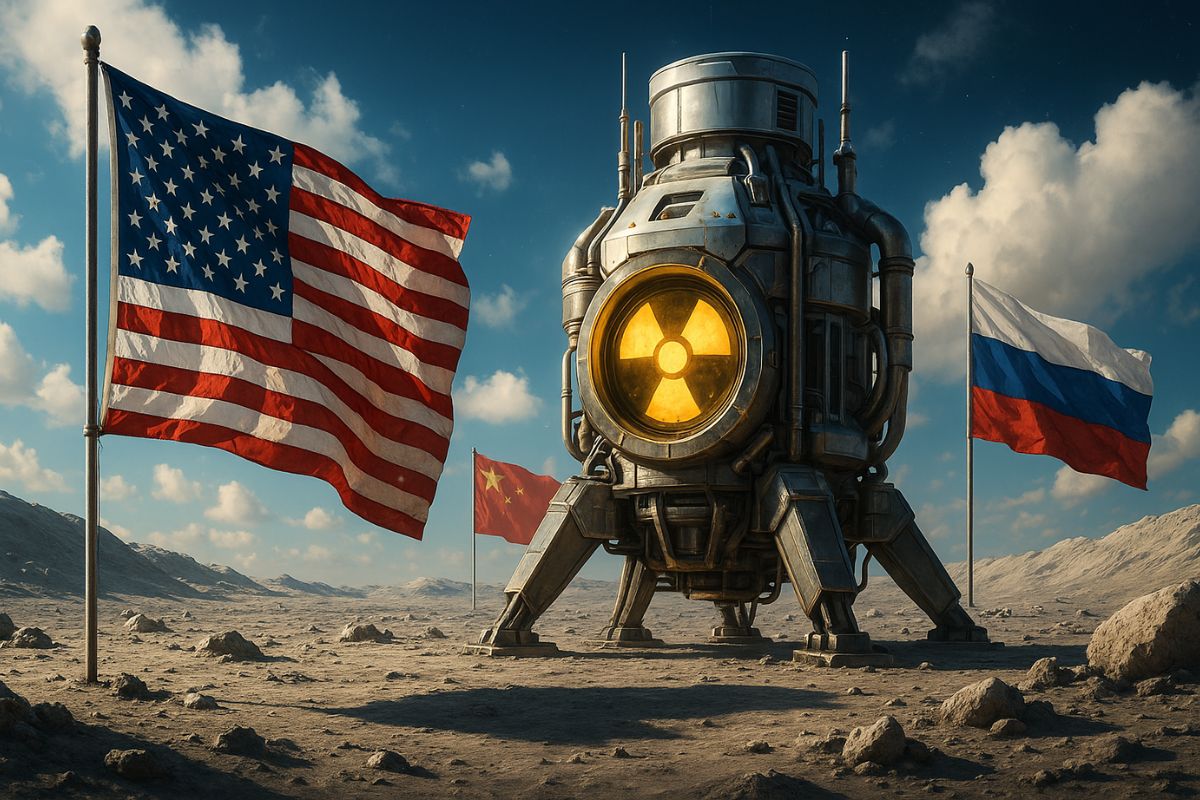
US Is Racing for a Nuclear Reactor on the Moon to Compete with China and Russia. Space Race Accelerates with US Plan to Install Lunar Nuclear Reactor by 2029 in Response to Advances by China and Russia.
The news that the US Is Racing for a Nuclear Reactor on the Moon to Compete with China and Russia has stirred global debate on space exploration. According to Estadão, NASA received guidance to accelerate efforts and ensure that the United States does not fall behind in the race for the future lunar economy.
The initiative has gained momentum because China and Russia have already announced joint plans to install a reactor on the Moon by 2035. If they are the first, they could establish an exclusion zone on the satellite, restricting activities of other countries. Therefore, the US Is Racing for a Nuclear Reactor on the Moon to Compete with China and Russia on equal footing and protect its strategic interests.
Why the US Wants a Nuclear Reactor on the Moon
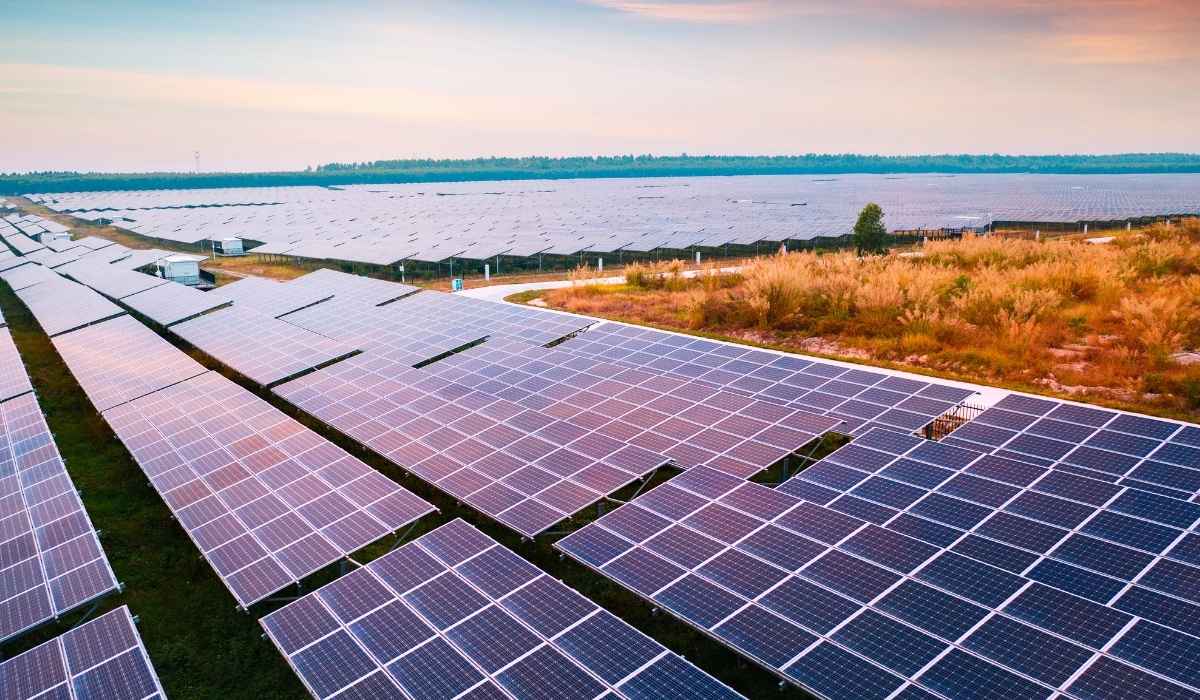
The decision to accelerate efforts is linked to three main factors: energy, national security, and geopolitical power. A nuclear reactor would ensure stable electricity during the two-week lunar cycle of darkness, something that solar panels cannot provide on their own.
-
Scientists have finally discovered where the plastic that disappeared from the oceans went, and the answer is frightening: it fragmented into such tiny particles that they became invisible and now there are 27 million tons of nanoplastic just in the North Atlantic.

-
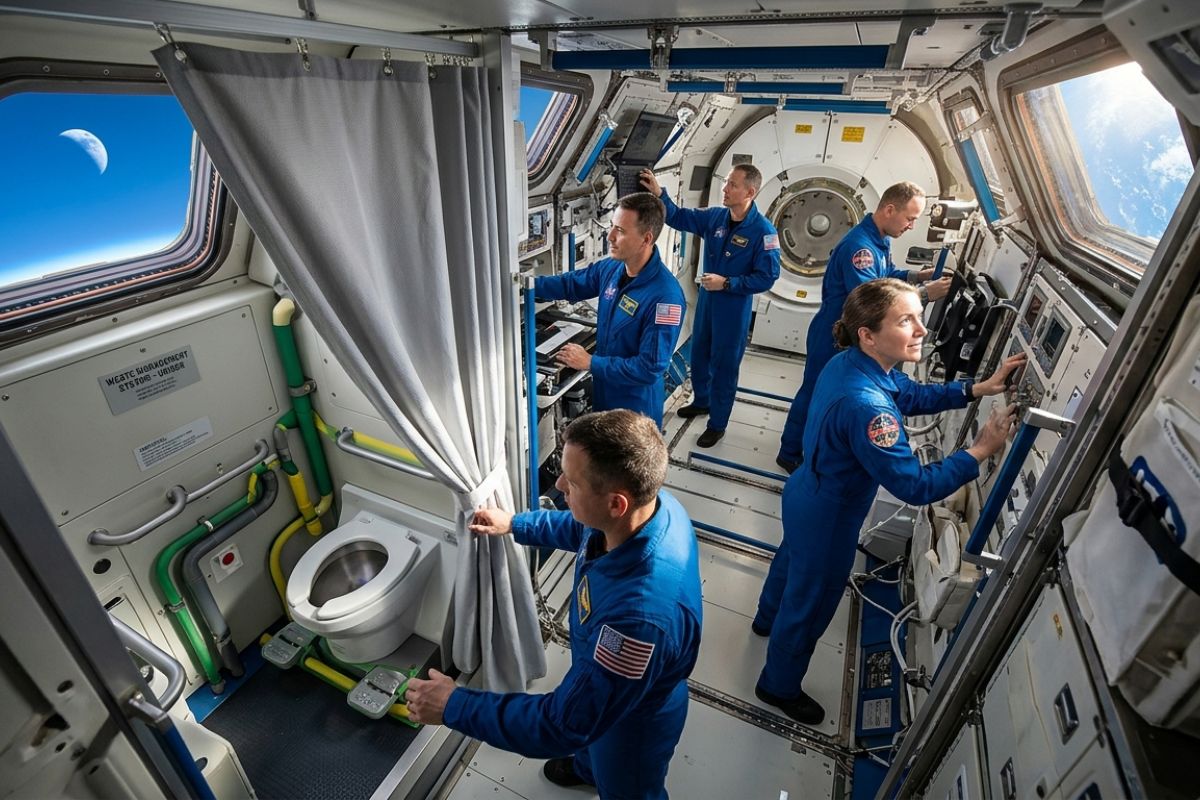
The Artemis II mission will take the Orion capsule back to the vicinity of the Moon with four astronauts, a private bathroom with a curtain, a system adapted for men and women, and a level of comfort that highlights how the Apollo era operated at the rawest limits of space exploration.
-
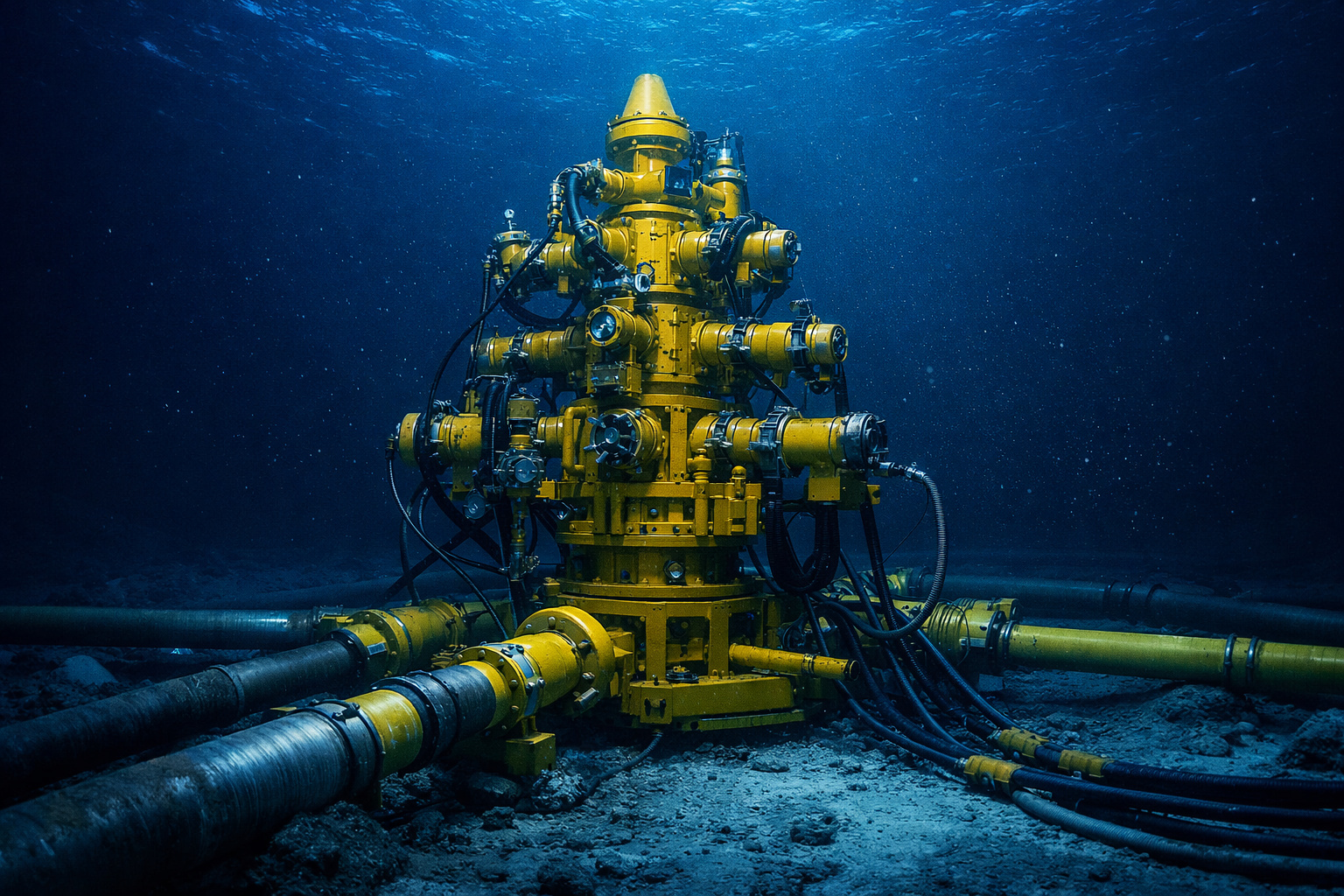
Giant structures on the seabed precisely control oil and reveal how high-tech underwater valves work.
-
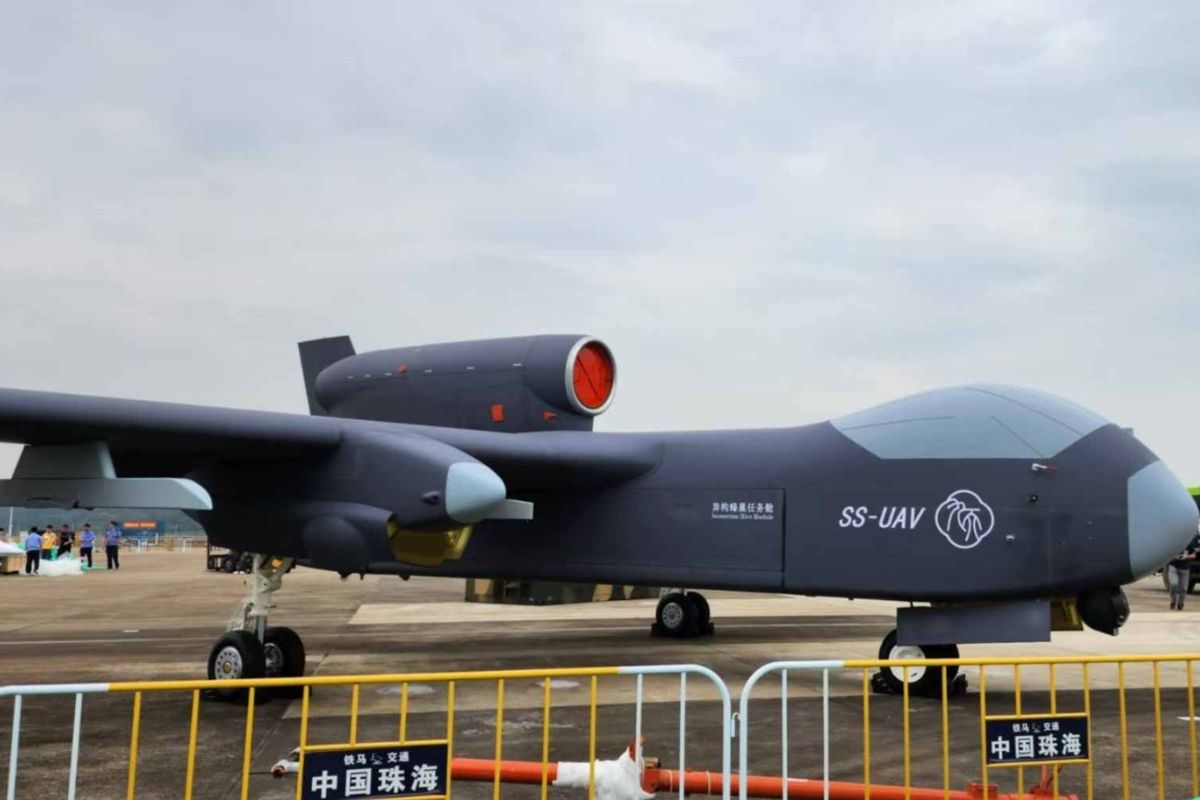
China has just tested a giant drone the size of a fighter jet with a wingspan of 25 meters that carries 6 tons, flies for 12 hours, and the most frightening part: it can launch entire swarms of smaller drones directly from the air.

Additionally, an independent power system would reinforce the American presence in future lunar bases, allowing for long-term missions and even space mining projects. In this way, the US Is Racing for a Nuclear Reactor on the Moon to Compete with China and Russia and avoid a Sino-Russian advance resulting in a loss of strategic territory.
Details of the American Project
The directive signed by Sean Duffy, NASA’s acting administrator, sets aggressive timelines: within 30 days, a project supervisor must be appointed, and within 60 days, proposals will be opened for private companies. The goal is for the reactor to be ready for launch by the end of 2029.
The required model must provide 100 kilowatts of power sufficient for 80 homes in the US. Smaller projects have already been tested since 2022, but now the government is pushing for the scale necessary to sustain crewed missions. It is in this context that the US Is Racing for a Nuclear Reactor on the Moon to Compete with China and Russia, even with cuts in other areas of NASA.
The Risk of International Exclusion
According to experts, if China and Russia are pioneers in installing a lunar reactor, they could impose access restrictions, creating exclusion zones that would affect not only the US but also other nations. This would explain the American urgency to advance.
The competition focuses on the lunar south pole, a region rich in water ice and considered essential for the survival of future bases. Maintaining a presence in this area is vital to ensure resources and strategic positioning, which is why the US Is Racing for a Nuclear Reactor on the Moon in an increasingly tense scenario.
And What About the Future of Space Exploration?
The Artemis program, which foresees another American landing on the Moon by 2027, depends on robust infrastructure. However, there is still no defined timeline for the construction of a permanent lunar base. Without a nuclear reactor, reliance on solar energy would limit the autonomy of missions.
Thus, the announcement shows that the US Is Racing for a Nuclear Reactor on the Moon not only for scientific leadership but for survival in a high-risk geopolitical game. The race is not merely technological: it is also a power struggle on a global scale.
The US Is Racing for a Nuclear Reactor on the Moon because they understand that energy is key to the next phase of space exploration. If they fall behind, they risk losing strategic ground on the satellite and compromising their national security.
Do you believe that the US will be able to accelerate this project on time? Or will China and Russia get ahead? Leave your opinion in the comments — we want to know how you see this space dispute.







-

Uma pessoa reagiu a isso.