





 Portuguese
  English
  Spanish
  4 min of reading
  0 comments


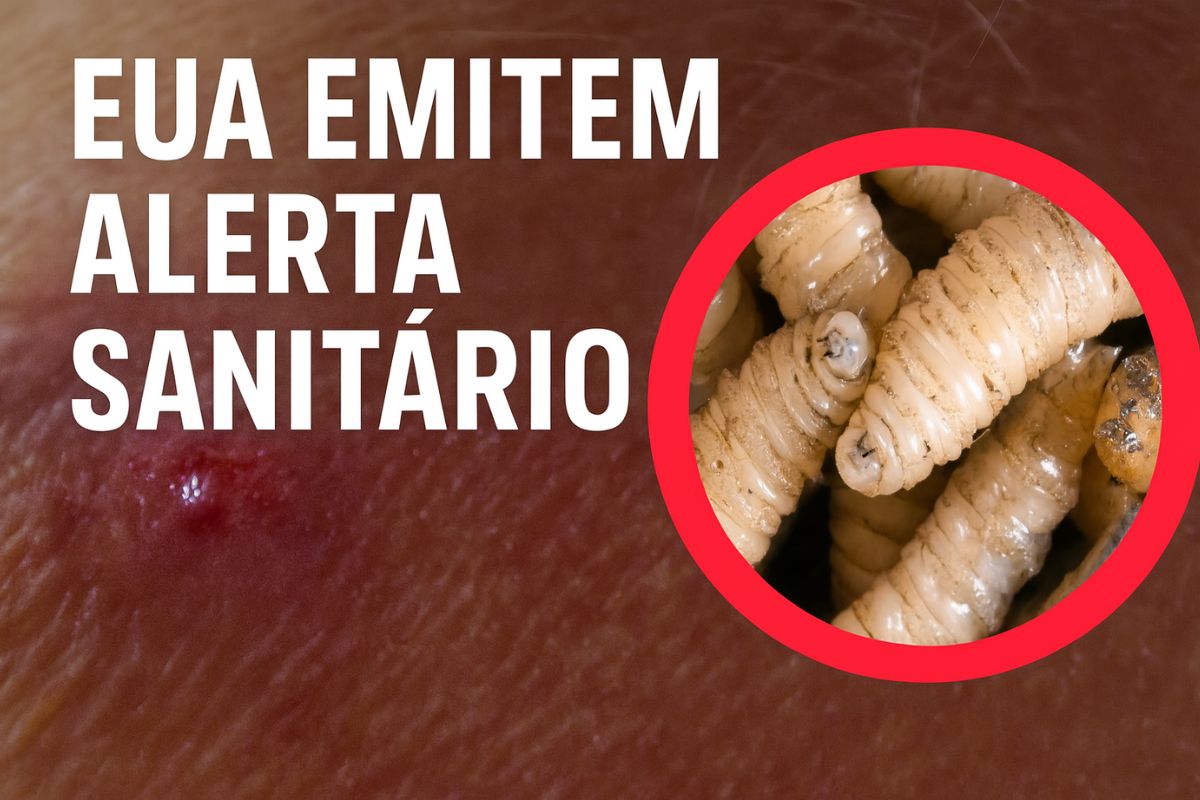
Deadly Parasite Infection Concerns the U.S.: 124 Confirmed Human Cases of Screw-worm in Nicaragua in Less Than 1 Year
The U.S. Embassy in Managua issued a serious health alert for its citizens in Nicaragua on July 7, after the Agricultural Protection and Sanitation Institute (IPSA) confirmed 124 cases of human infection from the screw-worm (larvae of the fly Cochliomyia hominivorax) during the year 2025. The return of this pest, eradicated in the country 25 years ago, reignites concern for humans and animals throughout Central America.
What Is This Parasite and Why Is It So Dangerous?
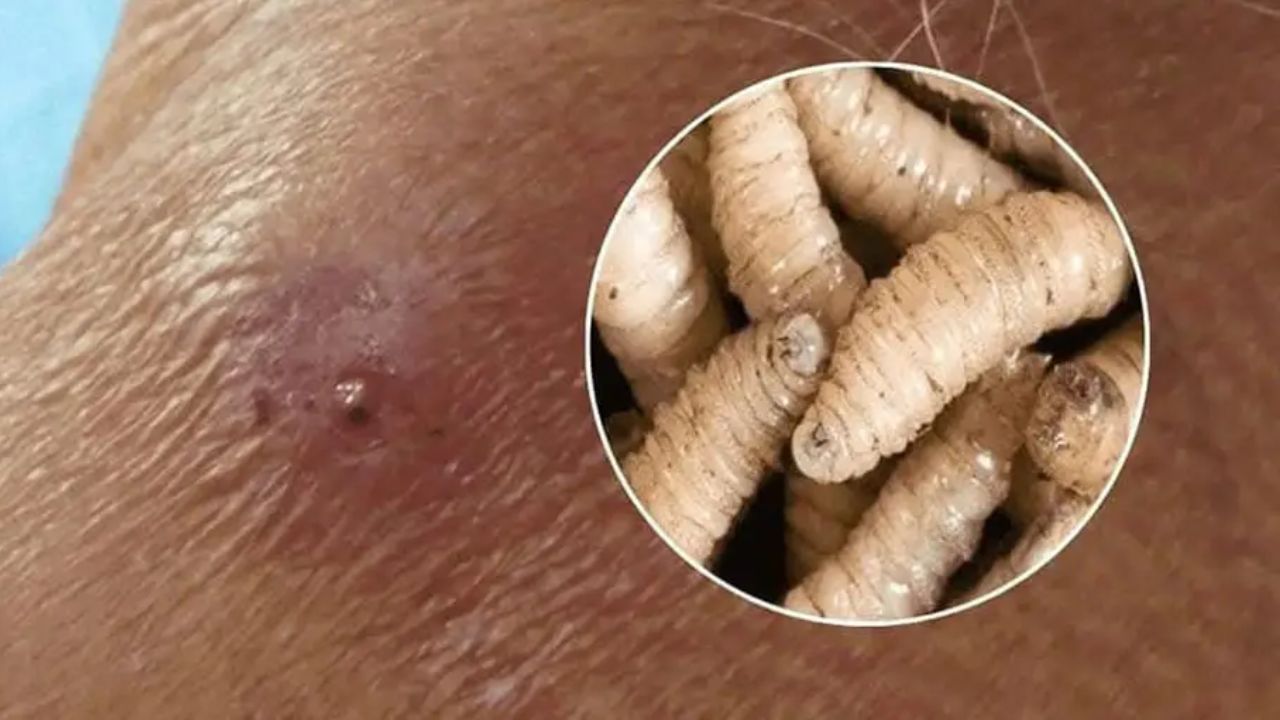
The screw-worm, also known as “screwworm fly,” is a species of carnivorous fly whose larvae feed on the living tissue of mammals, including humans. Females lay between 200 and 500 eggs in open wounds, mucous membranes, or bodily orifices. Within 24 hours, the larvae hatch and burrow into the tissue, causing myiasis, severe pain, inflammation, and risk of septicemia, which can lead to death if not treated quickly.
This process can occur in just a few days: in 3 to 7 days the larvae have fed enough to drop to the ground, transform into pupae, and emerge as adult flies in about 10 to 20 days — a cycle that can repeat hundreds of times, especially in tropical areas.
-
A promise made to their father led three men to unearth a forgotten house that had been swallowed by time for over 70 years, in a story of memory, abandonment, and reconstruction that seems straight out of a movie.

-
A strong earthquake in Indonesia affects houses and schools, causes panic, triggers a tsunami alert, and records a rise in sea level of up to 30 centimeters in some areas.

-
The Argentine government celebrates the lowest poverty rate in 7 years, but experts warn that the methodology has changed, real wages have fallen, unemployment has risen, and the number of people on the streets of Buenos Aires has increased by 57% since Milei took office.

-
7.8 magnitude earthquake in Indonesia frightens the population, triggers tsunami alert, and hits an island with over 200,000 inhabitants this Thursday.


Alarming Proliferation in Nicaragua
By the first week of June, IPSA reported 18,059 cases in livestock, with 117 human occurrences, recently updated to 124 infections in people. This surge reflects an intense resurgence of infestation, which exploded since April 2024, when the government declared an animal health alert and mobilized 122 technicians at control points along the border with Costa Rica.
Human cases are concentrated in regions such as Río San Juan, Rivas, and the Southern Caribbean Coast, border areas with Costa Rica, but are already spreading through the Pacific, central, northern, and Northern Caribbean regions of Nicaragua. The rapid advance suggests a process of uncontrolled dispersion.
International Reactions and Regional Measures
The U.S. Embassy warned that any wound or injury presenting intense pain, redness, swelling, or containing larvae requires immediate medical attention. The official statement on Twitter reinforced:
“Within hours, the eggs hatch… the larvae feed on surrounding tissue.”
Additionally, the U.S. allocated US$ 110 million to support control efforts for the screw-worm throughout Central America, including technical support, vaccination programs, and sanitary blockades at borders.
Mexico Resumes Livestock Exports, But Still with Restrictions
Mexico suspended exports to the U.S. in May 2025 (after the first confirmed human case in the state of Chiapas), gradually resuming from July 7, with about 882 heads crossing the border at Agua Prieta, Sonora. The decision comes with strict sanitary protocols, such as limiting the flow to 500 head/day, inspections, screenings, and the use of the sterile insect technique.
In early 2025, the first confirmed human case in Mexico was reported: a 77-year-old woman in Chiapas, with typical symptoms of myiasis, pain, fever, and suppurating wound elpais.com. Since then, the country has intensified surveillance in tropical states.
The Risk for Brazil
Experts point out that the current expansion places Brazil in a vulnerable position. The pest has already reached neighboring countries such as Costa Rica, Panama, and Mexico since 2023 cb24.tv. With over 63,000 regional cases, with 56.4% in Nicaragua, the chance of entry through livestock transit, tourism, or climate change is high.
Although there are effective programs, such as the sterile fly release technique used by the U.S. since the 1950s for the eradication of the parasite up to Panama, large-scale implementation in Brazil would require coordination among agencies such as MAPA, Anvisa, the Ministry of Health, and state governments.
Symptoms, Diagnosis, and Treatment
For humans, the main signs include:
- Wounds with suppuration and visible larvae;
- Severe pain, redness, and increased local temperature;
- Fever, malaise, or symptoms of systemic infection.
Treatment involves surgical or manual removal of the larvae, wound irrigation, use of local larvicides (e.g., topical ivermectin), and antibiotics to prevent septicemia. Early detection significantly reduces mortality.
In animals, the approach combines medical screening, isolation, and the use of the sterile fly technique to prevent insect reproduction in the region.
Necessary Reinforcement: Surveillance and Public Policies
In light of the severity, several actions are essential:
- Continuous Monitoring: tracking in border areas, with active sampling in livestock, wildlife, and people visiting rural regions.
- Enhanced Sanitary Control: mandatory inspections for animal transport, regional restrictions, and financial support for producers.
- Awareness Campaigns: communication about prevention, wound coverage, use of repellents, and seeking medical care in case of symptoms.
- Investment in SIT: expansion of the sterile fly release technique, a method tested since the 1950s.
- Training Health/Veterinary Teams: training through organizations like OIE, FAO, and WHO, integrating efforts among Brazil, CEPAN, Costa Rica, Mexico, and the U.S.
The resurgence of the screw-worm in Nicaragua, with 124 cases in humans and over 18,000 in animals, represents a significant epidemiological and economic threat. The emergency demands a coordinated regional response, enhanced surveillance, technology application, and intense public awareness, or we risk the parasite circumventing borders and threatening herds and vulnerable populations, including Brazil.








Seja o primeiro a reagir!