





 Portuguese
  English
  Spanish
  5 min of reading
  0 comments


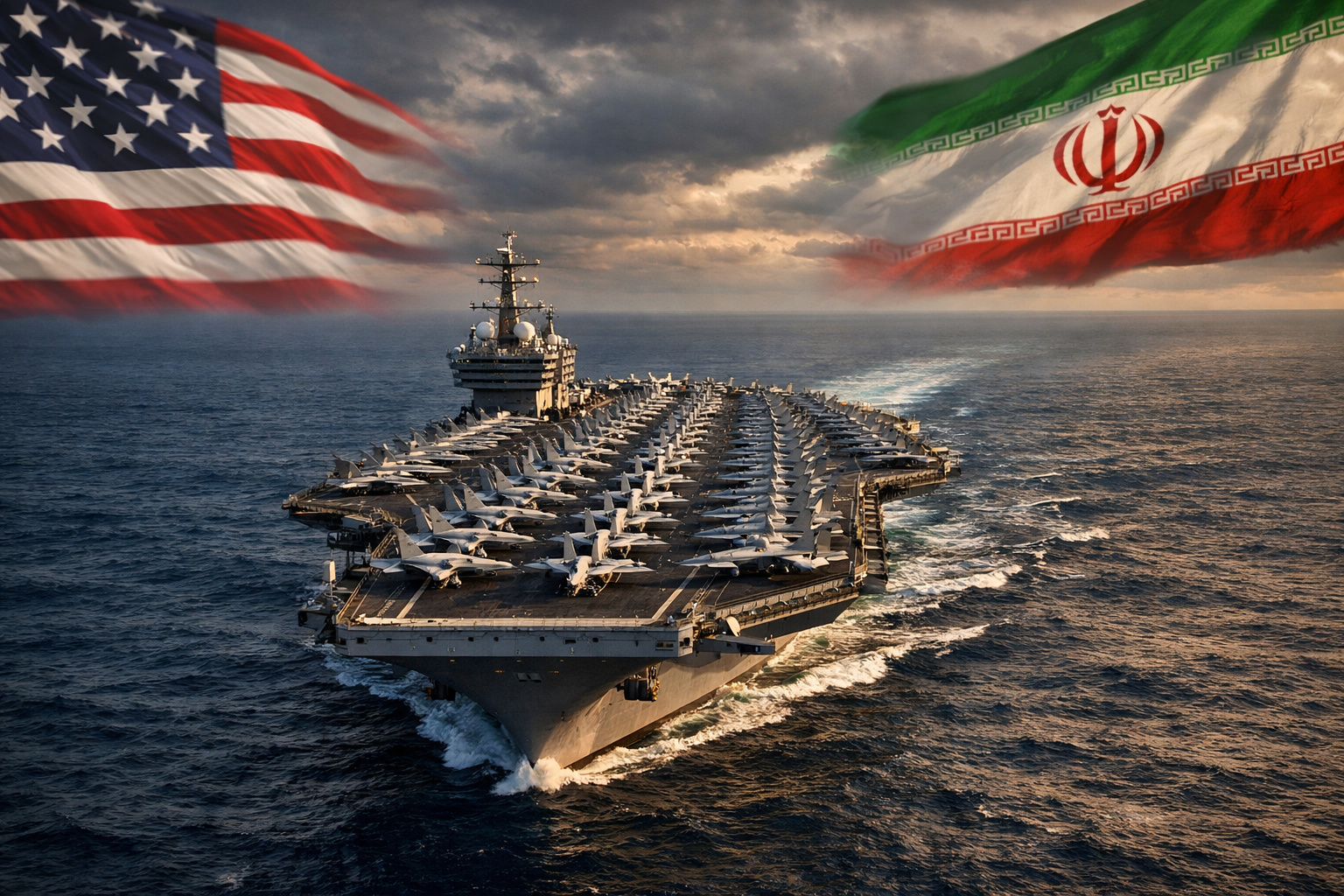
Military Escalation Led by Washington Expands Naval Presence in the Middle East, Pressures Diplomatic Negotiations, and Rekindles Fears of a Large-Scale Regional Conflict
The United States has once again drastically raised the alert level in the Middle East. After weeks of rising tension, American military officials confirmed that Washington is preparing for the possibility of a prolonged military offensive against Iran, considered internally to be the most extensive ever planned against the Persian nation. This movement occurs amid the deployment of strategic naval assets to the Persian Gulf and a hardening of the political rhetoric from the White House.
The information was released by the Reuters, which spoke to two U.S. Armed Forces officials on the condition of anonymity. According to the sources, the plans under discussion foresee operations that could extend for weeks if the American president decides to authorize direct military action against Tehran.
This new scenario significantly increases diplomatic tension between Washington and Tehran, especially at a time when sensitive negotiations regarding a potential nuclear agreement are ongoing, under the explicit threat of the use of force.
-
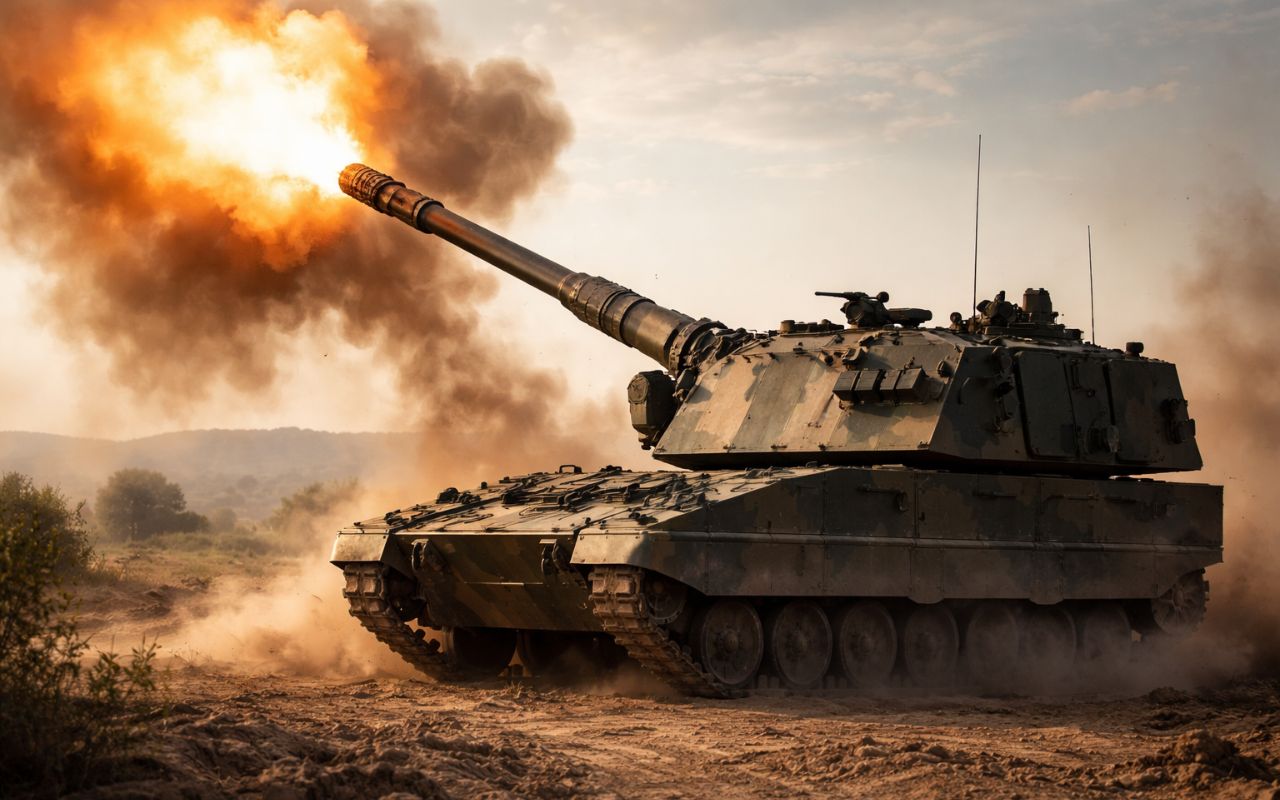
The German “steel monster” weighing 55 tons fires up to 10 projectiles per minute at over 40 km and avoids counterattacks on the battlefield by moving quickly to escape enemy attacks; meet the Panzerhaubitze 2000.
-
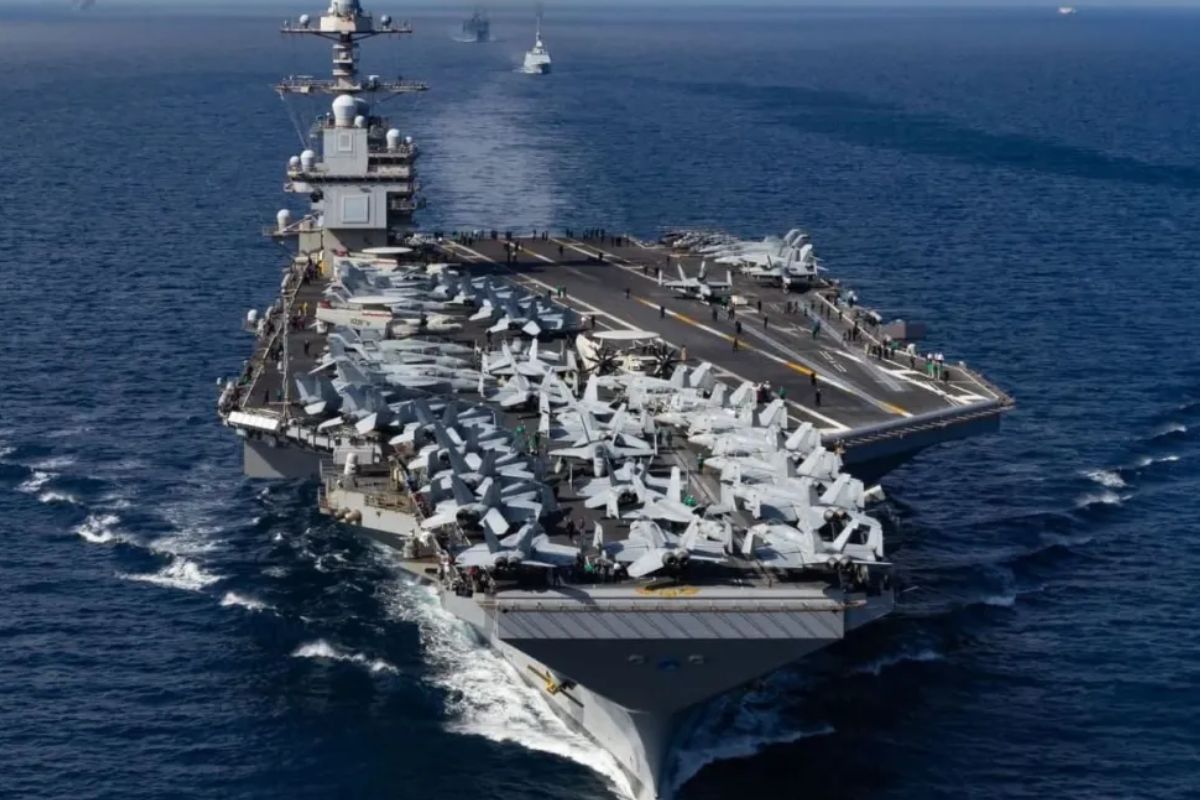
USS Gerald R. Ford, the largest aircraft carrier in the world, returns to sea after a fire in the laundry in the Red Sea; repaired in Crete, it resumes missions of Operation Epic Fury against Iran.
-
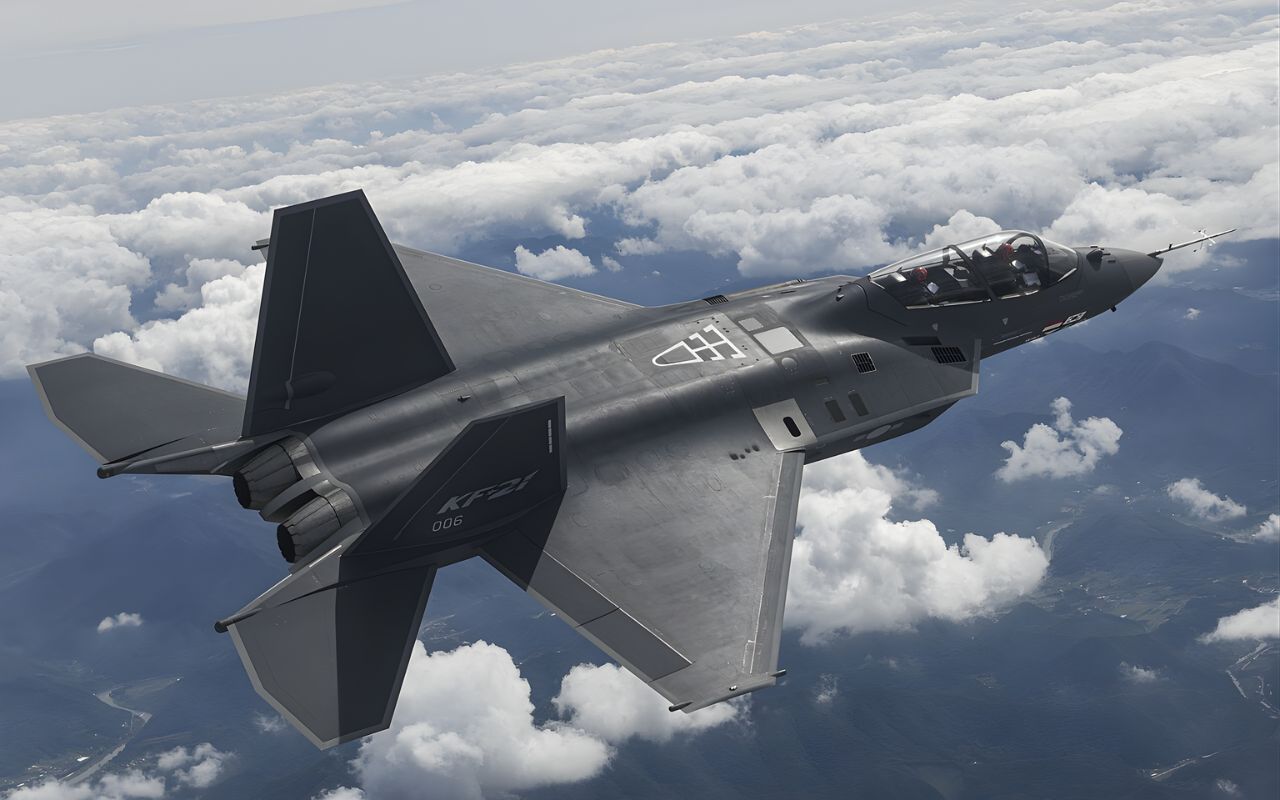
Military power: South Korea’s new KF-21 fighter jet will be a key component in replacing the aging aircraft of the air force, placing the country on the map of air military powers.
-
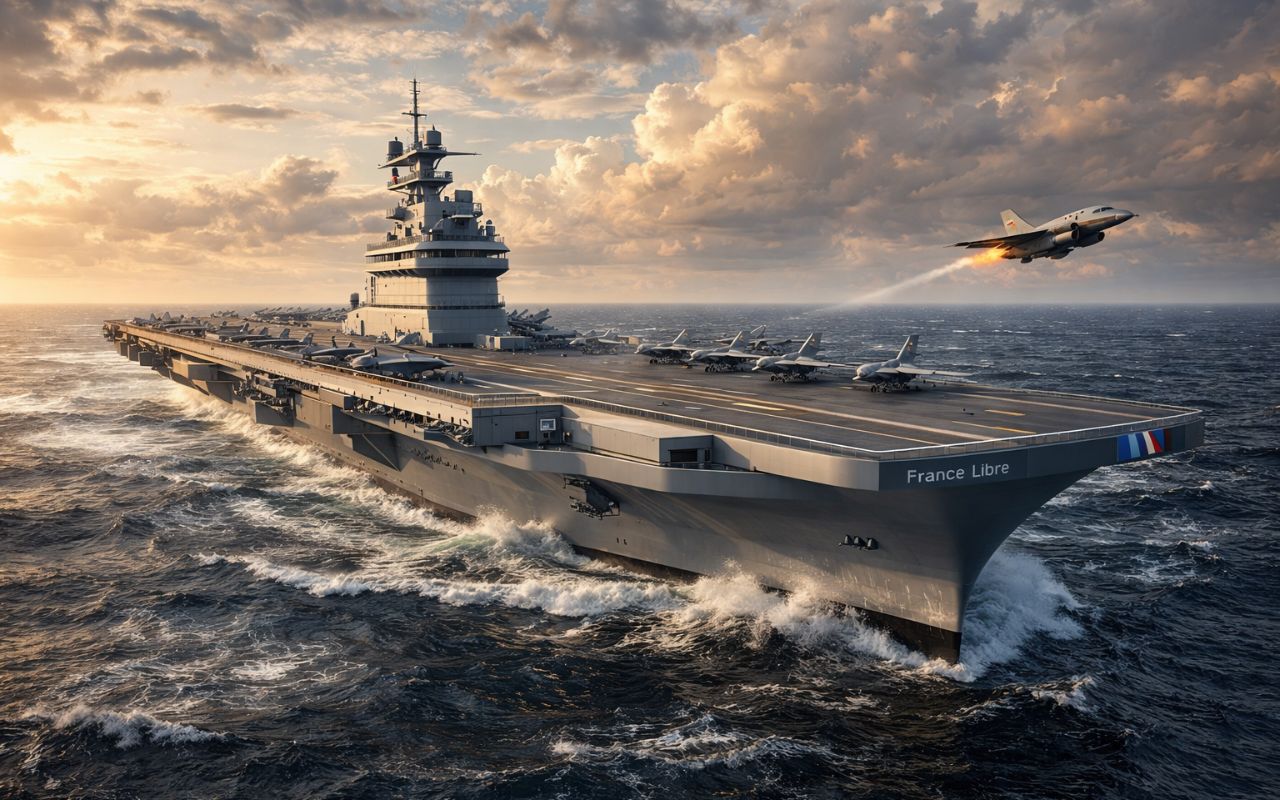
With 310 meters, 80 thousand tons, and capable of operating for 45 years, the new nuclear aircraft carrier France Libre will be the largest in France and will enter service in 2038.

Nuclear Aircraft Carrier Reinforces Deterrence Power in the Persian Gulf

As part of this escalation, President Donald Trump confirmed that the aircraft carrier USS Gerald R. Ford, the most modern and powerful ship of its kind ever built by the U.S. Navy, has been deployed to the Middle East. The movement orders were reportedly issued by the Pentagon on Thursday, with arrival in the region expected between late April and early May.
The presence of the USS Gerald R. Ford in the Persian Gulf represents a significant reinforcement to the American arsenal already positioned in the region. The ship is capable of operating dozens of combat aircraft simultaneously, in addition to serving as a mobile command center for air, naval, and logistical support operations.
Military analysts assess that the deployment of the aircraft carrier is not merely a symbolic gesture, but a concrete sign of preparation for a scenario of prolonged conflict, enhancing the deterrent power of the United States in the face of potential Iranian reactions.
Military Planning Anticipates Targets Beyond Iran’s Nuclear Program
According to the officials interviewed by Reuters, the plans currently under review go beyond pinpoint attacks. Unlike the operation carried out last June — known as “Midnight Hammer,” when Iranian nuclear facilities were bombed — a new offensive could target state installations, security centers, and strategic structures of the Iranian regime.
This change in approach indicates that Washington is considering a broader confrontation, with direct impacts on the operational capacity of the Iranian state. Experts warn that in this scenario, the risk of direct retaliation against American troops and bases in the region increases significantly, as does the possibility of involving U.S. allies in the Middle East.
One official stated that the United States is already working with the expectation of an Iranian response, which could trigger successive attacks and counterattacks, escalating the conflict over time and raising the risk of regional instability.
Trump’s Rhetoric Hardens and Pressures Tehran


Alongside military preparations, political rhetoric in Washington has become more aggressive. In a recent address to American troops at a base in North Carolina, Trump stated that negotiations with Iran have been difficult and suggested that the use of fear could be a legitimate tool to force an agreement.
In recent weeks, the American president has repeatedly threatened to bomb Iran, citing the country’s nuclear and ballistic missile programs, as well as the violent repression of internal protests that have occurred since the end of last year. On Thursday, Trump even warned that if there is no diplomatic solution, the alternative would be “very traumatic” for Tehran.
So far, neither the White House nor the Pentagon have officially responded to inquiries about the risks of a broader regional conflict.
Meeting with Israel Exposes Strategic Divergences
The complexity of the scenario was heightened following the recent visit of Israeli Prime Minister Benjamin Netanyahu to the White House. During a closed-door meeting that lasted about three hours, Netanyahu attempted to convince Trump to adopt tougher demands against the Iranian missile program.
Despite this, Trump stated that he will continue to seek a diplomatic solution, even in the face of skepticism from the Israeli government. According to the American president, the meeting also addressed what he described as relevant advances in the situation in Gaza and other areas of the Middle East, even though the risk of military escalation remains high.
Preparation for Prolonged Conflict Increases Fears of Regional War
The revelation that the United States is preparing for a prolonged military offensive against Iran significantly increases pressure on ongoing diplomatic negotiations. Experts assess that a confrontation of this magnitude could involve multiple regional actors, expanding the theater of operations and jeopardizing the stability of the entire Middle East.
In this context, the deployment of the USS Gerald R. Ford to the Persian Gulf is interpreted as a symbolic and operational milestone. More than a demonstration of force, the movement indicates that Washington is preparing for a enduring confrontation scenario, in case diplomacy fails.
In light of the deployment of nuclear aircraft carriers to the Persian Gulf and preparation for a prolonged offensive against Iran, how far are the United States willing to go, and in your assessment, could such a confrontation last weeks, months, or evolve into a long-term regional conflict? What do you think?








-

-

-

-

-

-

15 pessoas reagiram a isso.