





 Portuguese
  English
  Spanish
  3 min of reading
  0 comments


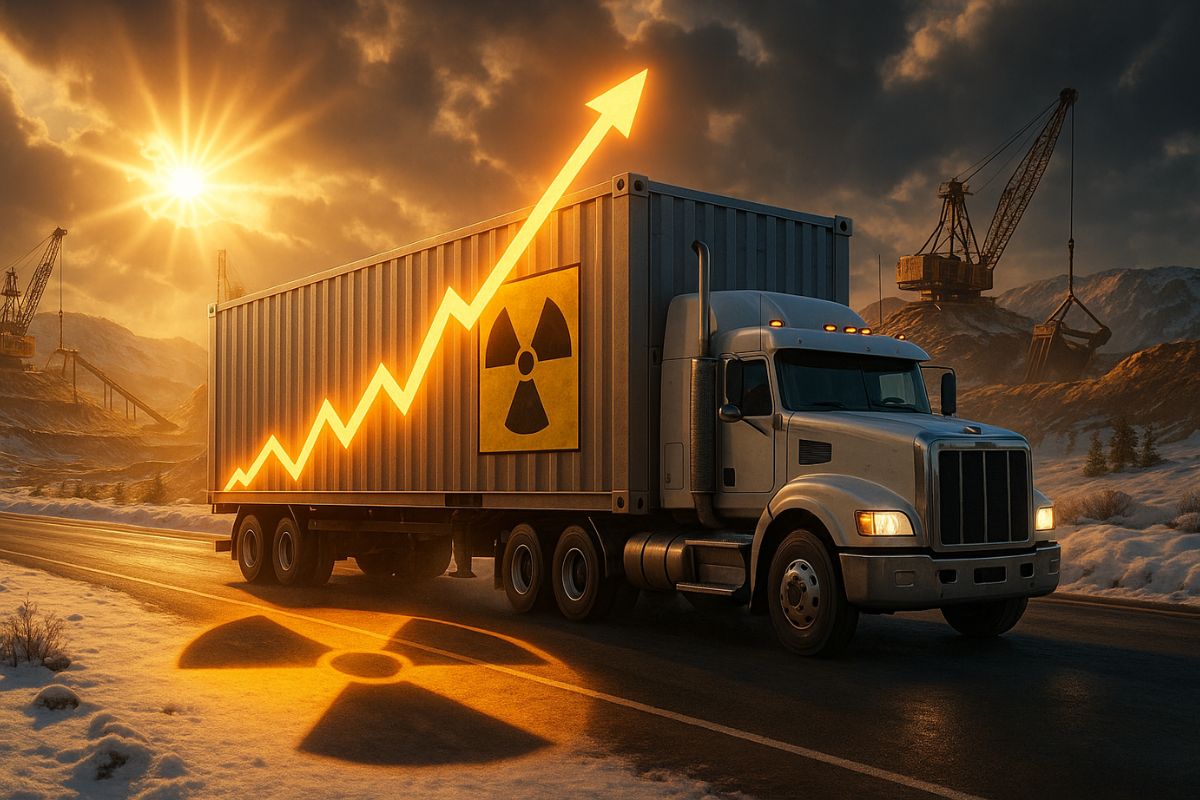
Mini Nuclear Plants Inside Trucks Could Change Energy Generation in the US Starting in 2026. Pilot Projects Should Start in Idaho and Could Bring Clean Energy to Remote Areas, but Risks Still Divide Experts
The mini nuclear plants inside trucks are about to become a reality in the United States. Small reactors, with a capacity of up to 1 megawatt, could be transported in containers on trucks to supply energy in remote regions or for specific industrial operations. The first test is scheduled to occur in 2026, in the state of Idaho, marking the final phase before regulatory approval.
The technology, advocated by the US Department of Energy, promises to generate clean energy on demand and replace diesel generators, especially in hard-to-reach areas. However, critics warn of safety issues, the disposal of nuclear waste, and the logistics of transporting these mobile reactors.
How Mobile Nuclear Plants Work
Unlike large nuclear complexes, which require cooling towers and concrete structures, mini nuclear plants inside trucks use helium gas, molten salt, or alkaline metals for cooling, eliminating the need for water. They operate with meltdown-proof uranium, encapsulated in spheres coated with TRISO fuel, which withstands extreme temperatures.
-
The surprising fact: 1 in 3 Brazilians doubts the arrival of man on the Moon, while the majority still believes in the historic achievement, according to a Datafolha survey with more than 2,000 people.

-
Scientists have finally discovered where the plastic that disappeared from the oceans went, and the answer is frightening: it fragmented into such tiny particles that they became invisible and now there are 27 million tons of nanoplastic just in the North Atlantic.

-
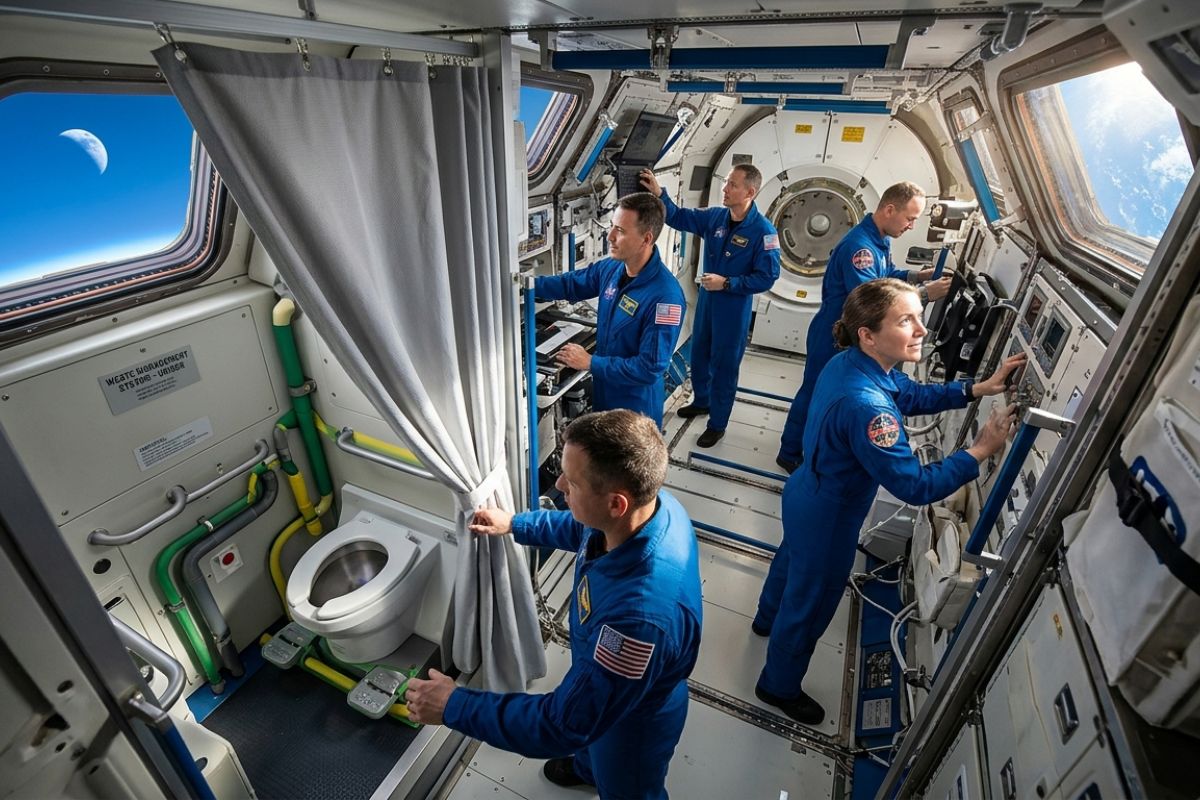
The Artemis II mission will take the Orion capsule back to the vicinity of the Moon with four astronauts, a private bathroom with a curtain, a system adapted for men and women, and a level of comfort that highlights how the Apollo era operated at the rawest limits of space exploration.
-
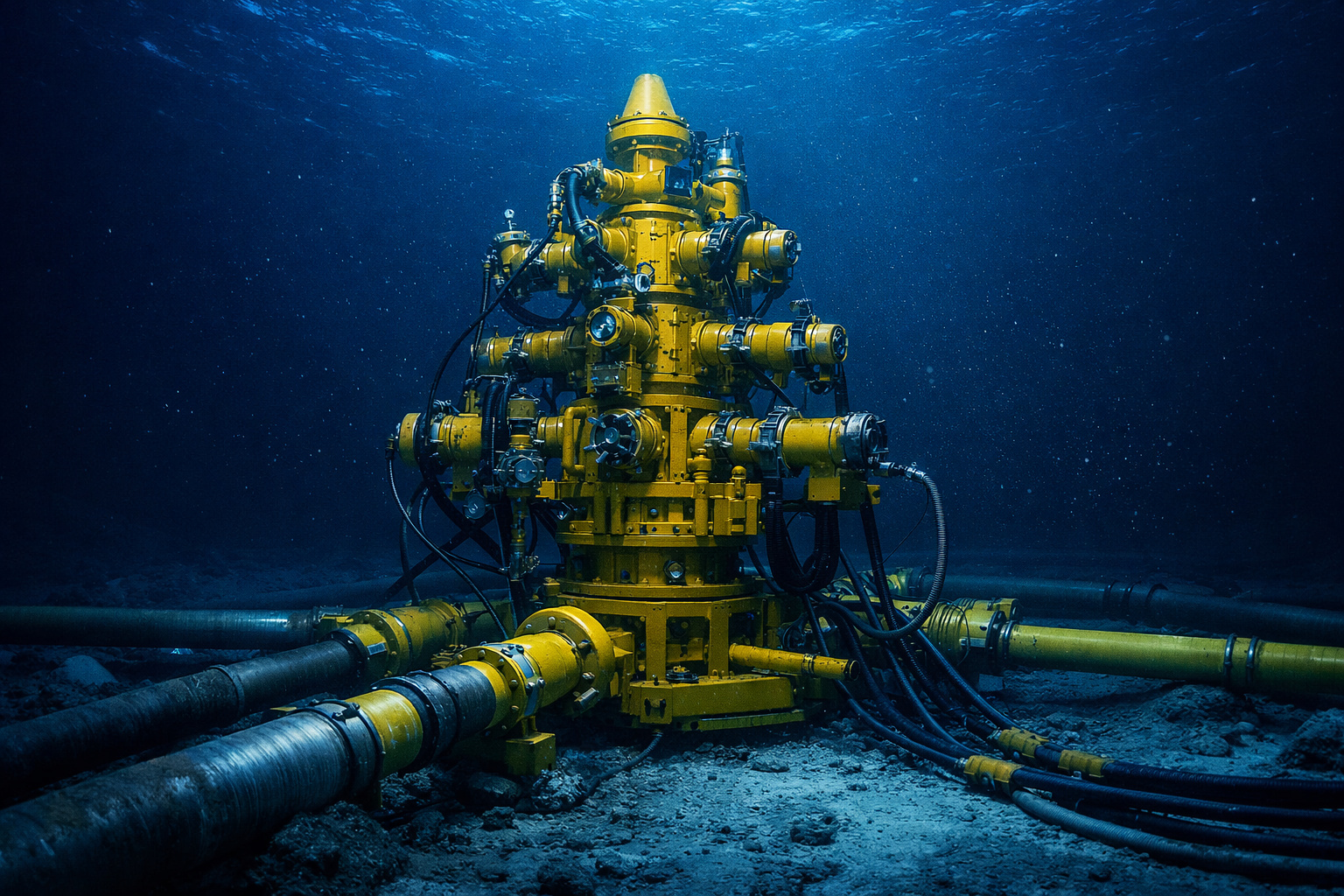
Giant structures on the seabed precisely control oil and reveal how high-tech underwater valves work.
According to manufacturers like Radiant in California, each unit can operate for up to five years without refueling, as the company collects the used material at the end of the cycle. The goal is to provide a reliable energy source for mines, military bases, isolated communities, and even private islands.
The Case of the Golden Chest Mine in Idaho
The Golden Chest mine, the last hard rock gold mine in operation in Idaho, will be the first site to test the technology. The facility is already connected to the power grid but will serve as a showcase to evaluate the performance, safety, and economic viability of the mobile reactors.
If approved, the model could be used to reduce dependence on fossil fuels, especially in areas where building transmission lines is unfeasible or expensive. In addition to Idaho, there are negotiations for use in regions of Alaska and Wyoming, although there is strong local resistance in the latter due to waste storage concerns.
Support and Resistance to the Technology
The project has garnered interest from companies like Westinghouse and BWXT, which already supply reactors to the US Navy. The government sees the proposal as a way to accelerate the transition to low-emission energy while maintaining energy security.
On the other hand, experts like Ed Lyman from the Union of Concerned Scientists warn that transporting nuclear material through populated areas without adequate emergency planning poses a high risk. Additionally, the lack of high-quality enriched uranium produced in the US is another logistical challenge for expansion.
What to Expect in the Coming Years
The first regulatory tests at the Idaho National Laboratory will be crucial in determining whether these units can be used on a commercial scale. If approved, mini nuclear plants inside trucks could usher in a new phase in clean and decentralized energy generation in the United States.
Do you believe that Brazil should invest in technologies like mobile mini nuclear plants, or are the risks still too great to bet on them? Leave your opinion in the comments.







Seja o primeiro a reagir!