





 Portuguese
  English
  Spanish
  4 min of reading
  0 comments


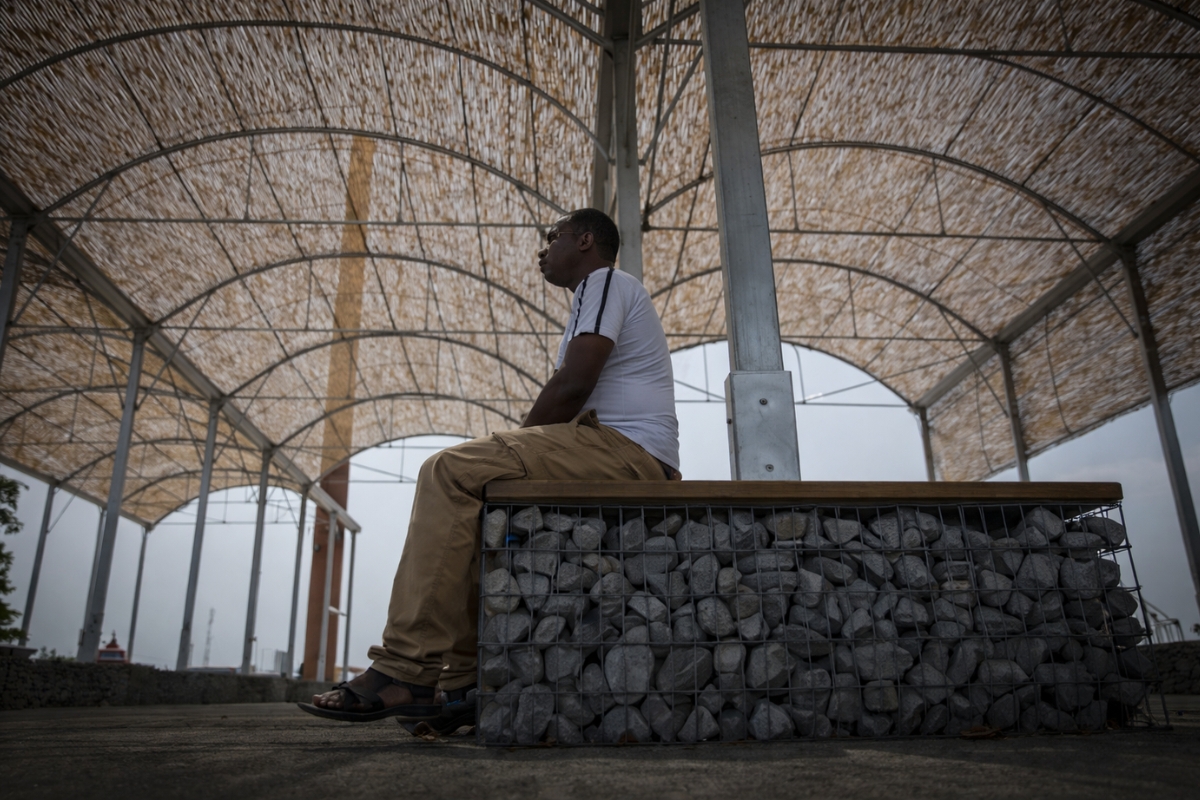
Barcelona expanded more than 200 climate shelters in Spain to reduce risks from extreme heat and strengthen the protection of the elderly, children, and vulnerable people.
Extreme heat has ceased to be a temporary problem and now requires a direct response from cities. In various urban centers, the creation of spaces prepared to receive the population on the hottest days has gained momentum as a practical protection measure.
In Spain, this solution is already appearing with significant scale and real impact on urban routine. The proposal combines free access, proximity, water, rest, and cooler environments to reduce health risks during heat waves.
Climate shelters have become a concrete response to heat in cities
Climate shelters are public or collective use spaces that offer safer conditions during periods of extreme temperature. This network includes places like libraries, civic centers, schools, museums, markets, squares, and adapted green areas.
-
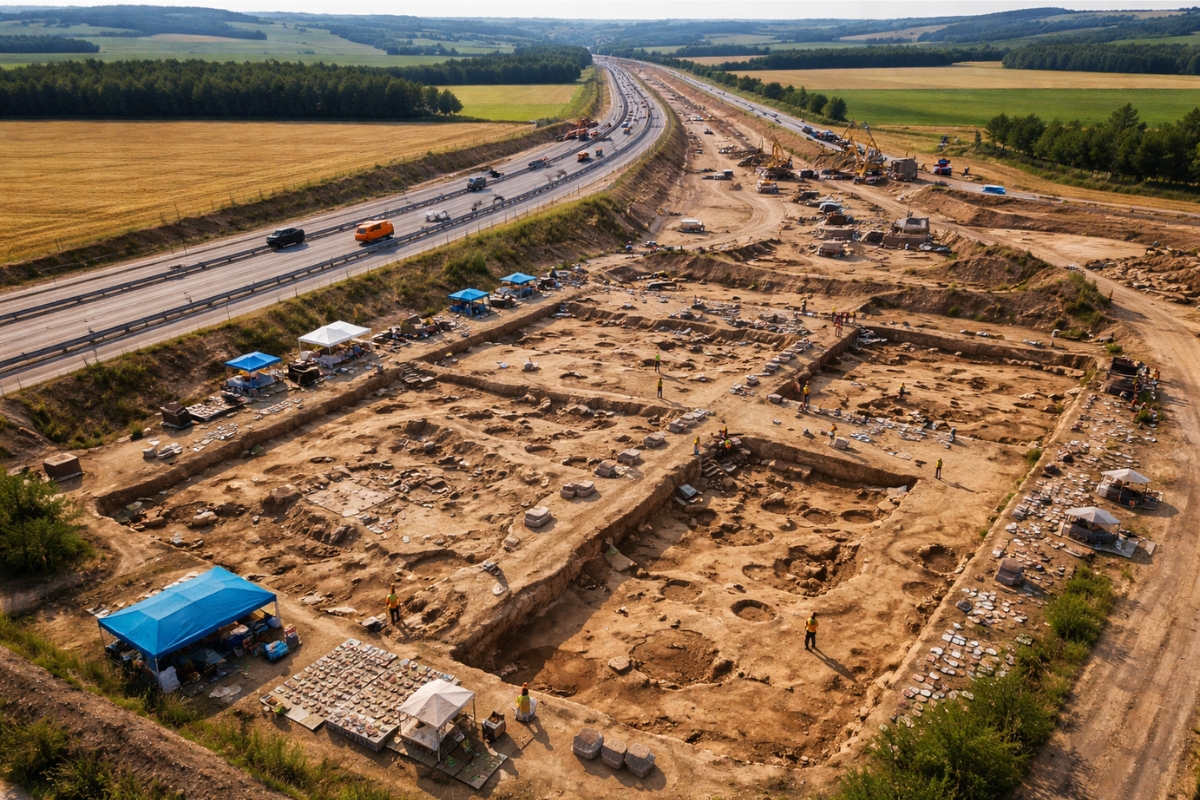
Excavations for a highway uncovered an intact Celtic city with gold, jewelry, and ancient production structures.
-
Every pineapple you eat is actually up to 200 different fruits fused into one: discover the fascinating process in which each flower opens for just one day and produces the pieces that form the whole fruit over the course of 3 weeks.

-
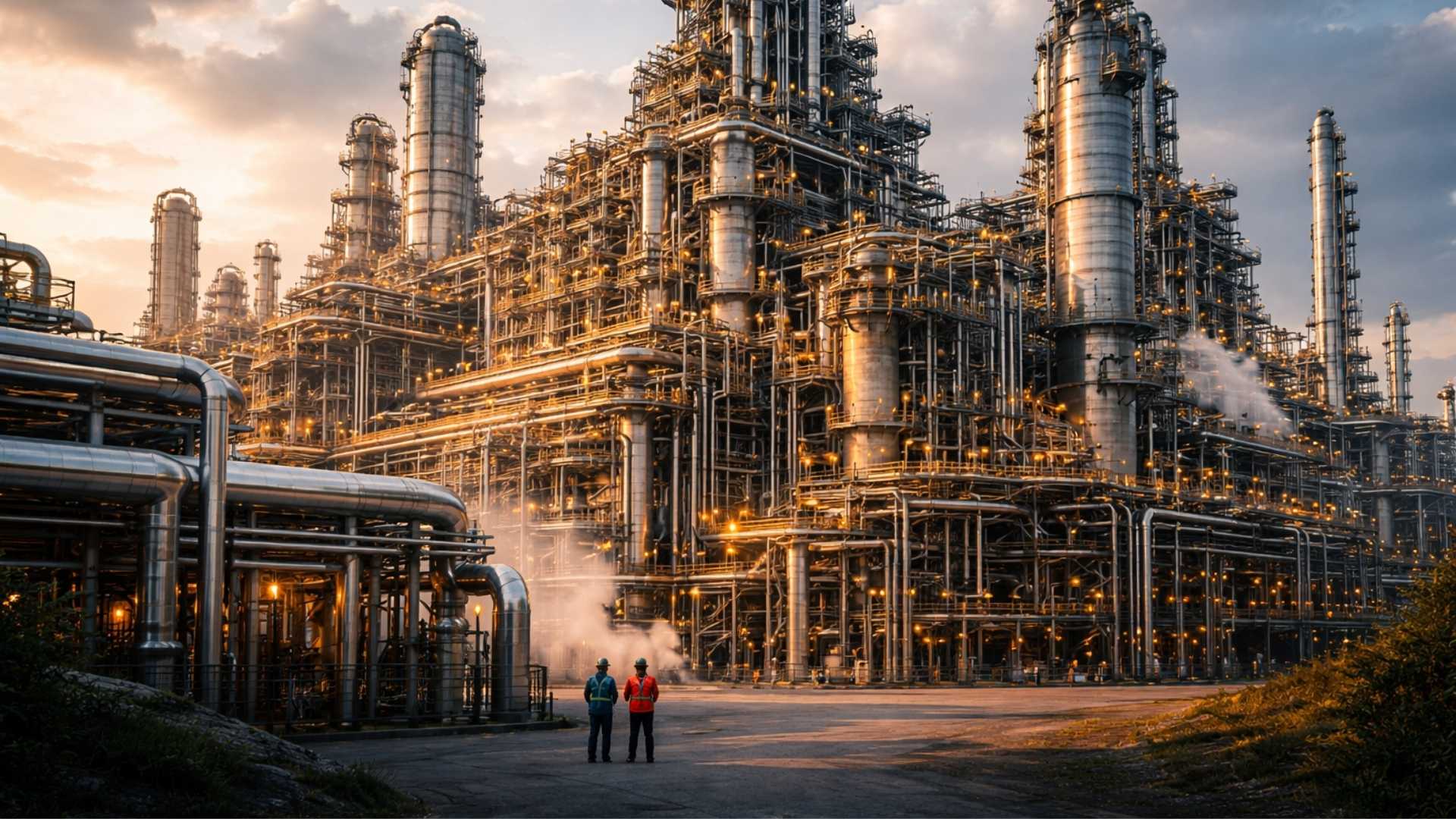
Giant from Germany will land in China with a record investment in a 4 km² complex, with up to 32 production lines and 70 products, targeting a market that could reach 70% of the world by 2030.
-
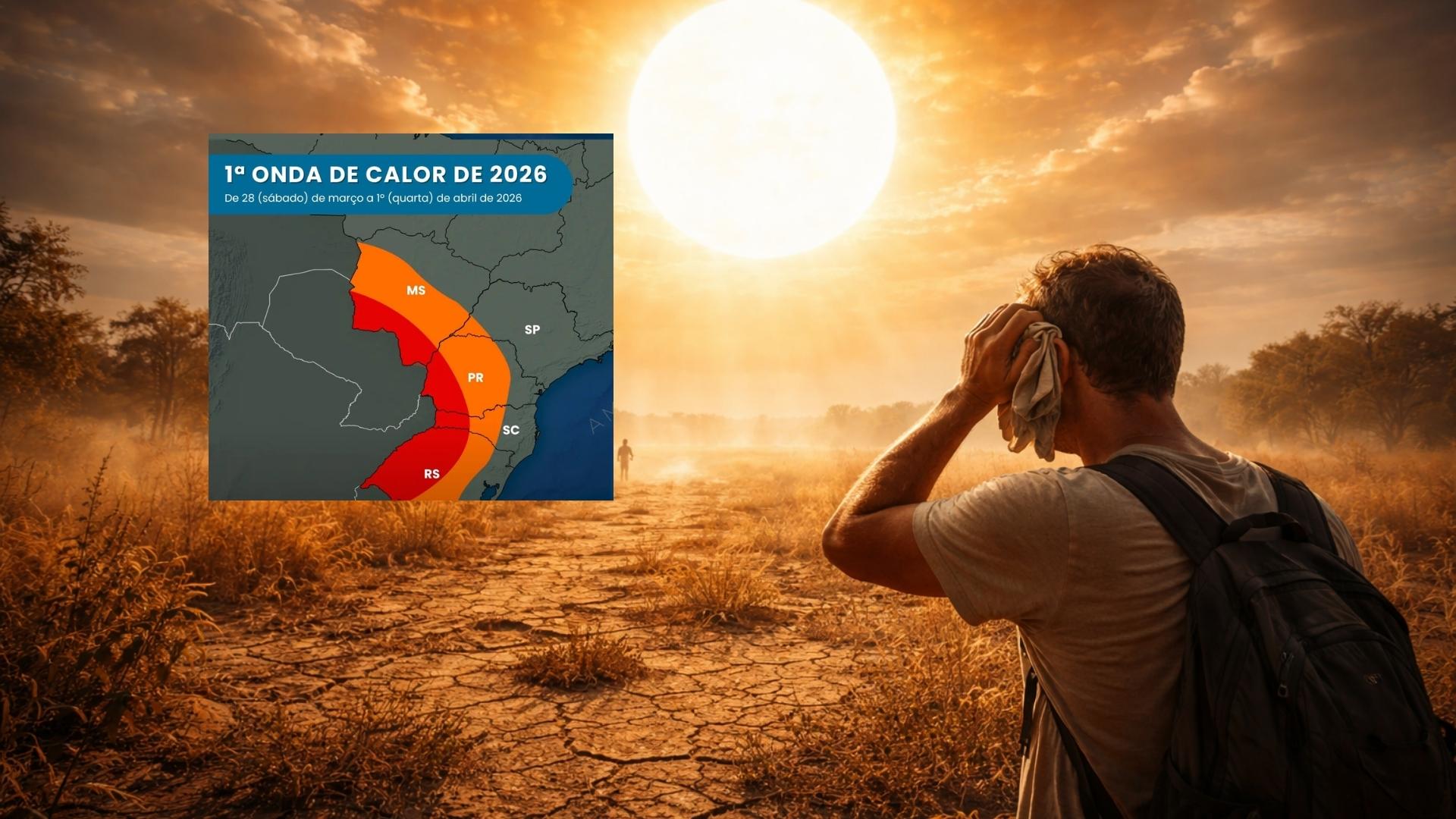
Brazilian regions will suffer from the heat: the first heatwave of 2026 raises temperatures to up to 38°C for 5 consecutive days, driven by a heat bubble between Paraguay and Argentina that blocks cold fronts and intensifies dry air.

The logic is simple and has a strong social appeal. Instead of relying solely on each resident’s home, the city offers welcoming points for those who suffer the most from the heat, especially the elderly, young children, and those living in precarious housing.

Barcelona expanded the network to more than 200 spaces and increased its reach
Barcelona has become one of the strongest cases of this strategy. The city began structuring its network in 2020 and has advanced to exceed the mark of 200 spaces in the summer, with coverage close to most of the population within short walking distances.
This advancement helps transform the idea into a visible public policy. When the population knows where these locations are and can easily access them, the climate shelter ceases to be a concept and starts functioning as real urban protection.
Public health has entered the center of the discussion on extreme heat
The weight of this issue is growing because heat is already treated as a direct threat to health. Heat waves increase the risk of dehydration, worsening chronic diseases, intense discomfort, and deaths, especially among more vulnerable groups.
According to Nature Climate Change, an international scientific journal on climate and impacts, the Spanish experience shows that climate shelters can be seen as urban infrastructure for care, resilience, and adaptation in the face of advancing extreme heat.
Not every city offers sufficient structure to protect the population
Despite the progress in part of Spain, the presence of this network is still uneven. Many cities lack extensive infrastructure, appropriate hours, clear communication, or easy access for those who really need this support on the most critical days.
This point weighs in the public debate because it is not enough to open a space and call it a solution. The shelter needs to have water, seating, a safe environment, simple entry, and operation compatible with the hours when the heat is most intense.

The model goes beyond air conditioning and changes urban planning
The strength of this proposal lies in the fact that it unites climate, city, and social care in a single response. The climate shelter serves not only to alleviate immediate discomfort but also to reorganize how public authorities think about protection in scenarios of more frequent heat.
As a result, the topic begins to move from the emergency field into urban planning. Green areas, shade, public information, and welcoming spaces become part of the same adaptation strategy.
The trend is expansion with a direct impact on urban life
As extreme heat becomes more common, the pressure for other cities to adopt similar measures increases. The Spanish experience helps to show that this adaptation can be applied with existing infrastructure, provided there is coordination and public priority.
This also broadens the potential of the topic beyond the environmental debate. Climate shelters address public health, inequality, mobility, access, and everyday protection, factors that bring the subject closer to the real lives of millions of people.
Climate shelters gain ground because they offer a concrete response to a problem that already affects urban routine. When the city creates accessible points of welcome, it reduces vulnerabilities and strengthens its capacity to respond to extreme heat.
The experience of Spain helps to consolidate a new understanding of urban adaptation. What today seems like a point solution can become a normal part of the infrastructure of cities, and this changes the strategic perspective.







Seja o primeiro a reagir!