





 Portuguese
  English
  Spanish
  3 min of reading
  0 comments


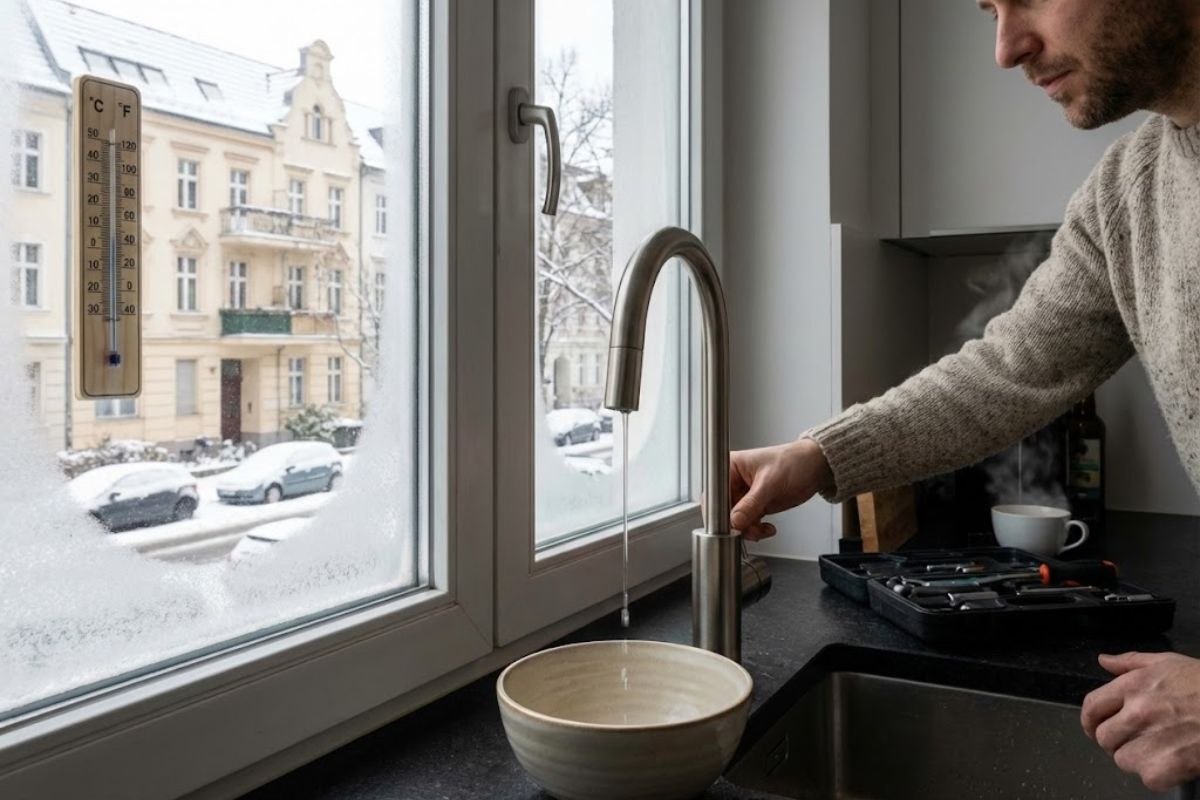
Europeans Advocate Dripping Faucets In Winter As A Shield Against Freezing And Burst Pipes In Cities With Days Below Zero; Dripping Maintains Minimum Flow, Reduces Internal Pressure, Prevents Leaks And Supply Shortages
The Europeans have turned a simple gesture into a practical rule during the colder months: leaving the faucet dripping, even when not in use, to reduce the risk of freezing inside the pipes. The goal is not comfort, but prevention, especially when the cold remains below zero for several consecutive days.
In these conditions, standing water in the plumbing can freeze, expand, and generate extreme pressure between 10,000 and 100,000 psi, enough to open cracks or cause a complete rupture of the piping. When this happens, the problem becomes a cascade: leakage, infiltration, loss of supply, and urgent repair.
Why Europeans Leave The Faucet Dripping In Winter
The logic used by the Europeans is straightforward: moving water freezes with more difficulty than standing water.
-
Labor shortages are prompting Portugal, Spain, Germany, and Canada to open up opportunities for foreigners in 2026, with salaries ranging from 920 euros in Portugal to 50,700 euros per year in Germany.

-
The government is considering a temporary subsidy for cooking gas following the spike in oil prices due to the war in Iran and warns about the impact of 20% of imports on the prices paid by families.
-
The lack of truck drivers in the country is already halting shipments and threatening deadlines: 88% of transport companies are unable to hire, with an average of eight trucks idle, and the port complex of Itajaí is now feeling the impact.

-
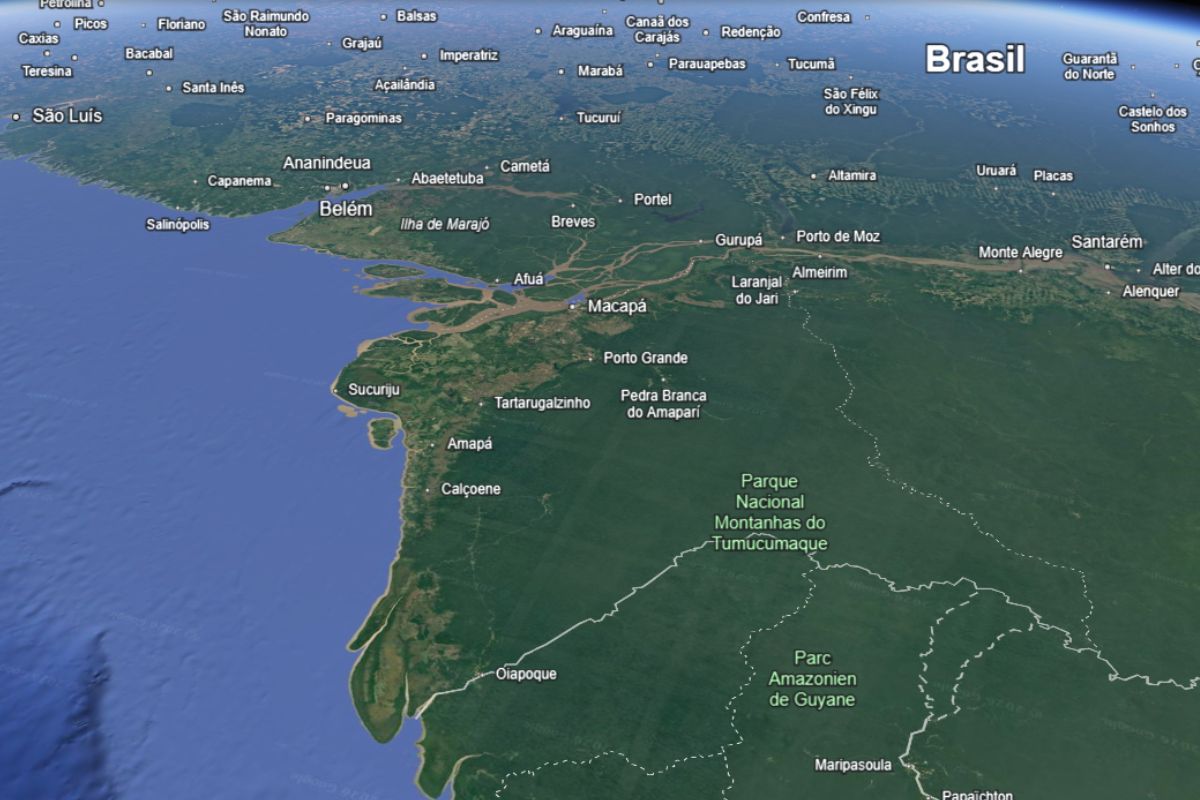
Petrobras is about to transform a forgotten city in the far north of Brazil into the capital of oil: Oiapoque is already feeling the effects even before the first drop of oil comes out from the seabed.

Dripping creates a minimal and constant flow, causing the almost frozen water inside the pipe to be continuously replaced by water coming from the underground pipes, which are generally less exposed to the cold.
The practical effect is to reduce the chance of a “plug” of ice forming inside the line.
When this blockage occurs, pressure builds up behind the ice, and the piping works at its limit, especially at vulnerable points, bends, and connections.
Where The Risk Is Greater In Prolonged Cold Spells
The Europeans typically direct this measure to faucets connected to pipes that pass through external walls and areas with direct exposure to the cold.
These sections are more vulnerable because they receive less internal heat and have more contact with freezing surfaces.
Internal pipes tend to suffer less in heated homes, precisely because they are protected by the ambient temperature.
Still, in persistent cold, even internal points can be affected when unheated areas are nearby.
Costs And Inconveniences That The Measure Tries To Avoid
The guidance from the Europeans aims at a double loss: money and time.
The repair of a frozen pipe can reach 230 euros, in addition to the inconvenience of being without water supply until the issue is fully resolved.
When the pipe bursts, the impact often goes beyond the plumbing: leaking water can affect walls, floors, and furniture, increasing costs.
In prolonged cold spells, the demand for repairs rises, and response times tend to worsen, further increasing the risk of prolonged supply shortages.
Other Measures That Europeans Combine With Dripping
In addition to leaving the faucet dripping, Europeans reinforce simple actions to reduce the risk of ice in plumbing in domestic environments:
Keep the house properly heated during critical periods, even when no one is home.
Leave kitchen and bathroom cabinets open to allow warm air to circulate around the pipes.
Insulate exposed pipes, especially in basements, attics, and sections near external walls.
Identify beforehand which pipes run through unheated areas, to act quickly when the cold tightens.
The common point of these measures is to decrease thermal contrast and prevent points where water can stand and become vulnerable.
What Changes When Temperatures Are Below Zero For Days
When the cold is sporadic, the system usually holds up.
The real problem arises when the temperature remains below zero for several days, creating enough time for ice to advance inside the lines and form progressive blockages.
It is in this scenario that the Europeans advocate dripping as a “cheap insurance” against an expensive damage: maintaining a minimum circulation helps prevent the ice from “closing the passage” and turning a pipe into a target for internal pressure.
Would you leave the faucet dripping to avoid an expensive repair, or would you rather take the risk and only act when the cold wave has already arrived?







-

-

3 pessoas reagiram a isso.