





 Portuguese
  English
  Spanish
  4 min of reading
  0 comments


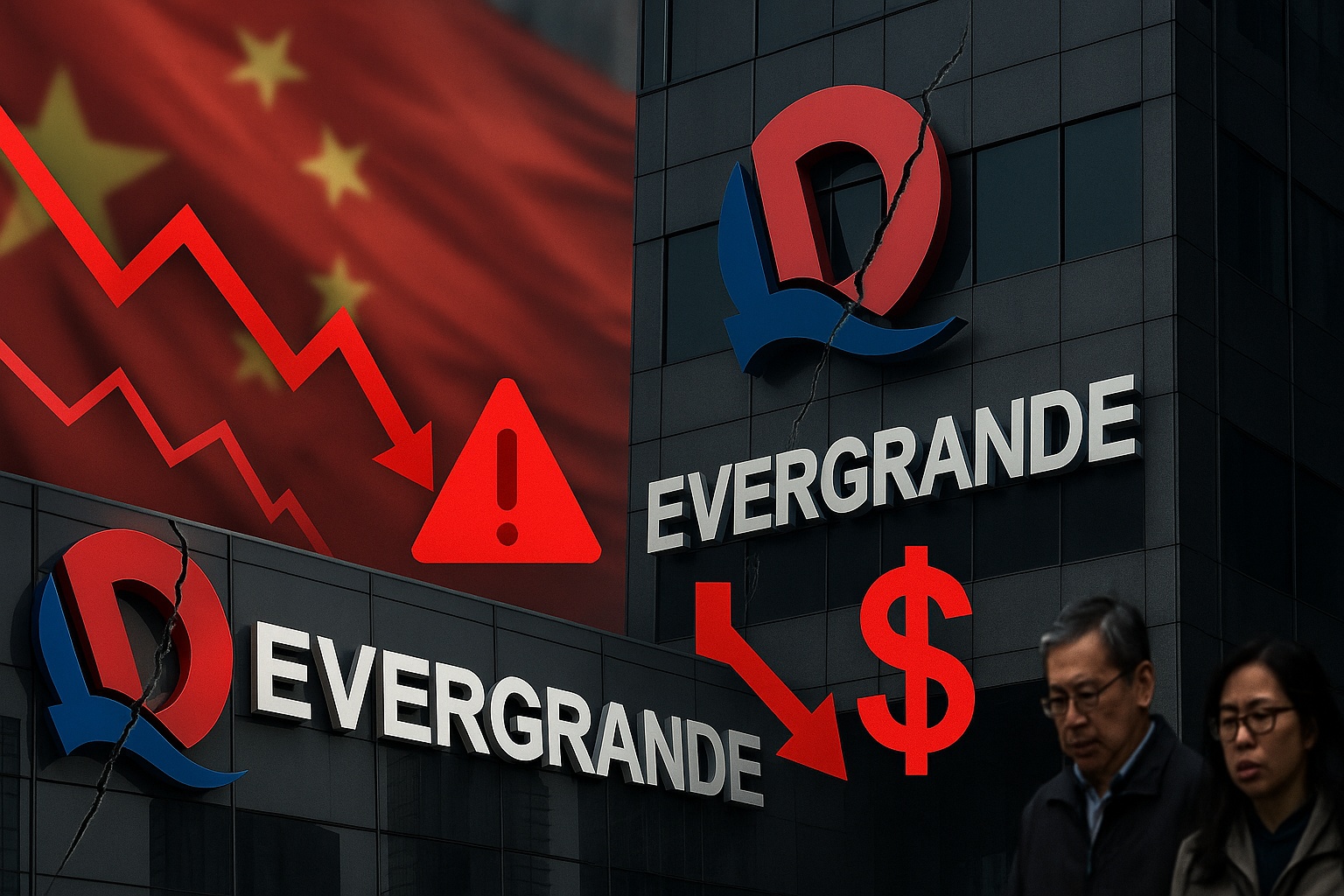
The Evergrande Crisis Shakes The Chinese Real Estate Sector And Raises Global Alerts. Understand The Impacts Of Evergrande’s Withdrawal From The Hong Kong Stock Exchange On The Global Economy And International Markets
Evergrande, one of the largest real estate developers in China, is at the center of one of the biggest corporate crises in the country in recent years. Founded in 1996, the company was valued at around US$ 50 billion, leading China’s real estate sector and directly influencing the global economy. However, chronic financial issues, astronomical debts, and poor management culminated in the company’s withdrawal from the Hong Kong Stock Exchange, raising a global alert about the financial and economic risks associated with its bankruptcy.
Evergrande’s withdrawal from the Hong Kong Stock Exchange marks a turning point in the Evergrande crisis and highlights the challenges facing the Chinese real estate sector. This article outlines the factors that led to the crisis, its consequences for the global financial market, and the lessons that investors and governments can learn from this collapse.
The Expansion Story Of Evergrande
Evergrande was founded by Xu Jiayin, initially focused on developing luxury residential properties. For years, the company rapidly expanded, diversifying its businesses into sectors such as healthcare, electric vehicles, and entertainment, increasing its influence in China’s real estate sector.
-
Spain challenges the USA and closes its airspace for operations against Iran, raising global tension and provoking the threat of a trade rupture.

-
While no other country manufactures tanks in Latin America, Argentina activates the TAM 2C-A2 and raises a curiosity about the technological lag in the region.

-
A Russian ship with 730,000 barrels of oil has just arrived in Cuba while Mexico negotiates fuel sales through private companies: the communist island is desperately seeking alternatives after losing its supply from Venezuela due to American military action.

-
Iranian drones and missiles destroyed a 270 million dollar American spy plane in Saudi Arabia, splitting the E-3 Sentry aircraft in half and injuring 12 military personnel in an attack that exposes the vulnerability of U.S. bases in the Persian Gulf.


At its peak, Evergrande had assets valued at over US$ 300 billion and ranked among the most valuable companies in the country.
However, this rapid growth was accompanied by high levels of indebtedness. The financial leverage strategy allowed Evergrande to fund its aggressive expansion but created significant vulnerabilities in the face of economic slowdowns and stricter regulatory policies.
Evergrande Crisis: Debts And Defaults
The primary factor that triggered the Evergrande crisis was the accumulation of debts. In 2021, the company reported total liabilities exceeding US$ 300 billion, making it the most indebted developer in the world.
This extreme indebtedness hindered the company’s ability to honor commitments to suppliers, investors, and homebuyers.

Furthermore, the Evergrande crisis was exacerbated by regulatory measures from the Chinese government, including the so-called “three red lines” — limits on the indebtedness of developers aimed at reducing systemic risk in China’s real estate sector. As a result, Evergrande faced increasing difficulties in refinancing debts and completing projects, leading to delays in property deliveries and rising dissatisfaction among customers.
Evergrande And Its Withdrawal From The Hong Kong Stock Exchange: A Turning Point In The Crisis
In 2023, Evergrande was officially withdrawn from the Hong Kong Stock Exchange. The decision marked the end of an era for the real estate giant and served as a warning about the risks of China’s real estate sector to the global economy.
The withdrawal came after months of negotiations with creditors and regulatory authorities, driven by the company’s inability to fulfill essential financial obligations.
International investors were directly impacted, suffering significant losses on Evergrande’s debt securities and shares related to the Chinese real estate sector. Analysts warn that Evergrande’s withdrawal from the Hong Kong Stock Exchange represents a “symbolic milestone,” reflecting the structural challenges of the Chinese real estate market and the need for greater regulatory oversight.
Impact Of The Evergrande Crisis On The Global Economy
The collapse of Evergrande has significant implications for the global economy. China’s real estate sector accounts for about 25% of the country’s GDP and exerts direct influence over suppliers, banks, and global commodities markets.
The Evergrande crisis heightened financial volatility, affecting international stock markets and putting pressure on currencies in emerging economies.
According to estimates from specialists, instability in the Chinese real estate sector could reduce global economic growth by up to 0.3 percentage points, mainly due to decreased demand for products and services related to the construction industry. Additionally, major international creditors, including banks and investment funds, face exposure to Evergrande’s assets, raising the risk of billion-dollar losses.
Chinese Government Responses To The Evergrande Crisis
The Chinese government has taken measures to mitigate the impact of the Evergrande crisis on the Chinese real estate sector and the global economy. Among the initiatives are facilitating financing for struggling developers, stimulating home purchases, and mediating agreements between creditors and Evergrande itself.
Despite these measures, experts warn that recovery will be gradual. The government prioritizes financial and social stability, avoiding a systemic collapse that could affect millions of families and investors, both in China and abroad.
The Legacy Of Evergrande And The Future Of The Market
Evergrande represents not just a case of corporate bankruptcy; it is a warning about the risks of rapid growth without financial sustainability. Evergrande’s withdrawal from the Hong Kong Stock Exchange and the company’s crisis directly affect the global economy, demanding constant attention from investors and authorities.

The legacy of Evergrande will be remembered as an example of how excessive leverage practices and inadequate corporate governance can create cascading effects.
The Chinese real estate sector, though resilient, will need to adapt its management and regulatory practices to ensure that similar crises do not recur. For the global public, this case serves as a study on the interconnection between financial markets and the need for caution when dealing with highly indebted conglomerates.
The situation of Evergrande also reinforces the importance of transparency, effective regulatory oversight, and corporate accountability, essential elements to avoid collapses that could jeopardize the global economy.










Seja o primeiro a reagir!