





 Portuguese
  English
  Spanish
  2 min of reading
  0 comments


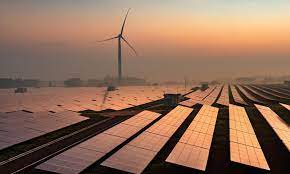
South And Southeast Lead, But The Northeast Shows Its Potential With Emerging States In The Free Energy Market.
The pace of adherence to the free energy market is on a constant rise, with consumers eager to choose their suppliers and establish tailored contracts. In a recent survey by the Electric Energy Trading Chamber (CCEE), the entry of 800 new consumers in September was confirmed. This means that we now have 36,329 units operating in this segment.
The Significant Adherence of 2023: A Milestone For The Free Market
Since the beginning of the year, an impressive 5,627 consumers have decided to migrate, leaving behind traditional distribution services. This migration flow, compared to the same period in 2022, surged by 68%. It is worth noting that the free energy market is already responsible for meeting over 37% of Brazil’s electric demand. Expectations are that this percentage will grow even more after 2024, when the sector will open up to all high-voltage consumers.
-
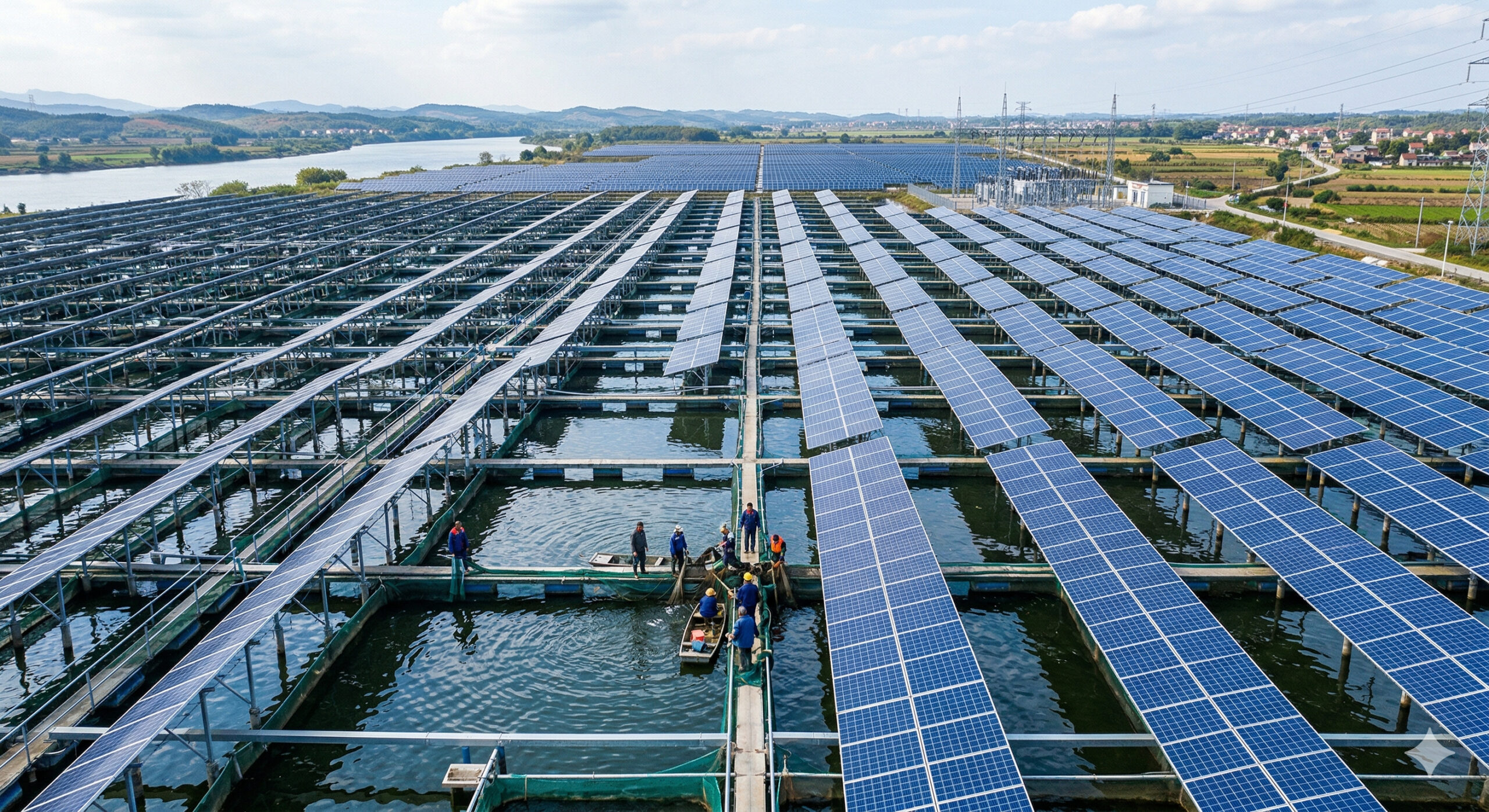
China bets on the Fishery-PV model and transforms fish farms into giant solar plants, covering ponds with panels that generate energy while utilizing the same space for large-scale aquaculture production.
-
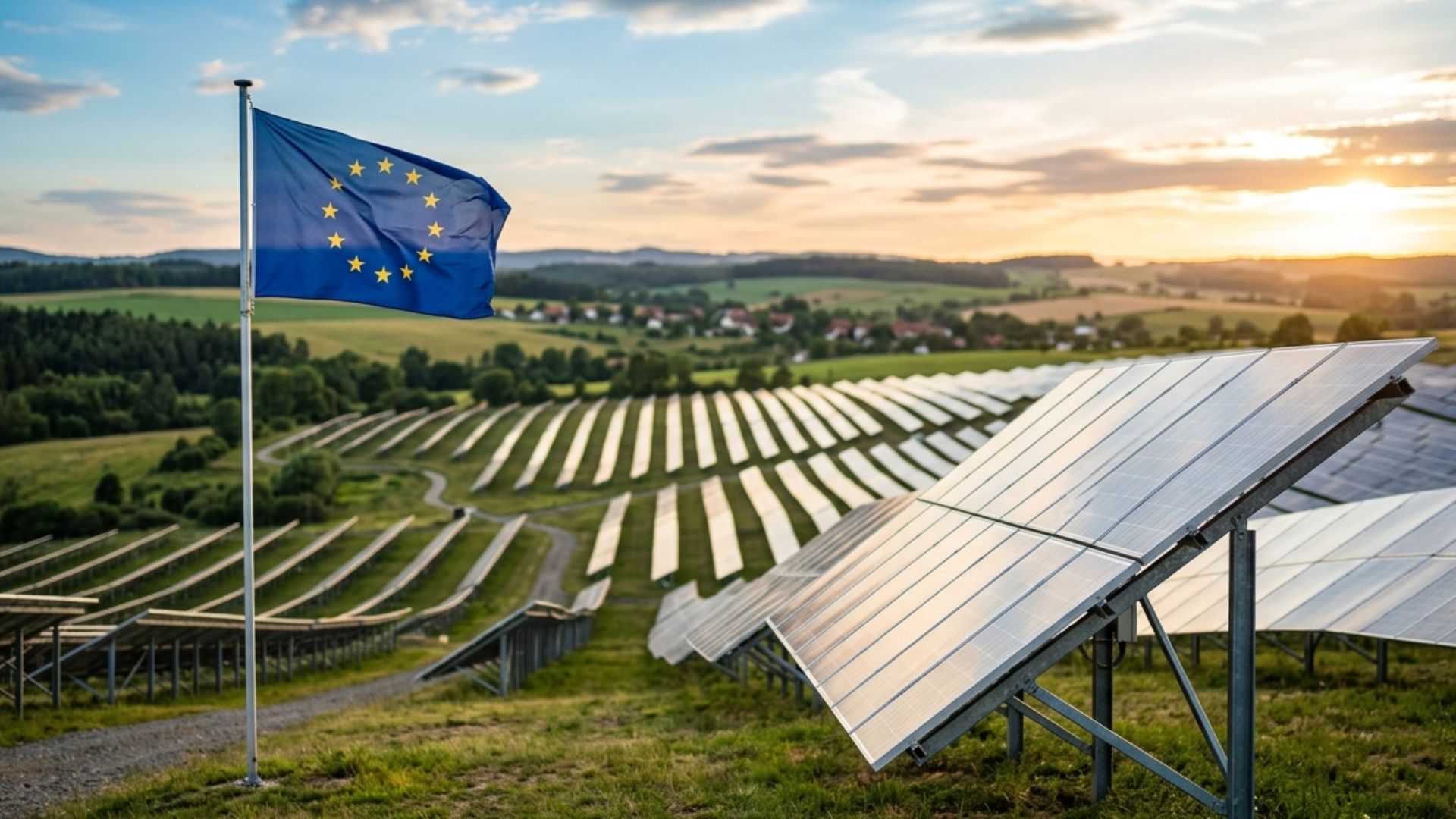
Europe records strong euro economy with solar energy in March and sparks curiosity about which country leads growth that redefines the energy market and reduces costs.
-
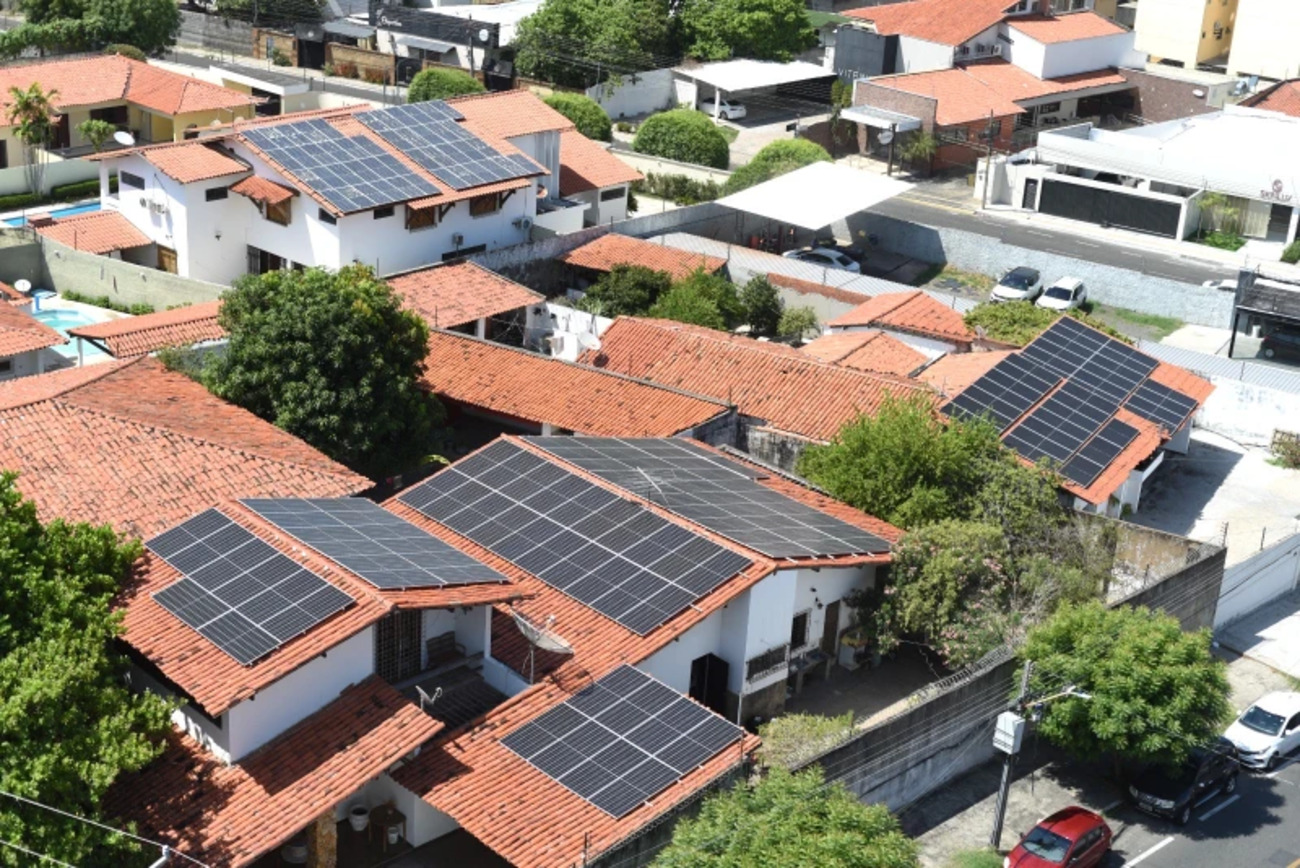
Piauí reaches a historic milestone in energy transition: State records nearly 160,000 households powered by solar energy and leads growth in the Northeast.
-
Argentina debuts its first 100% solar-powered highway and transforms an entire road into a showcase of clean energy.
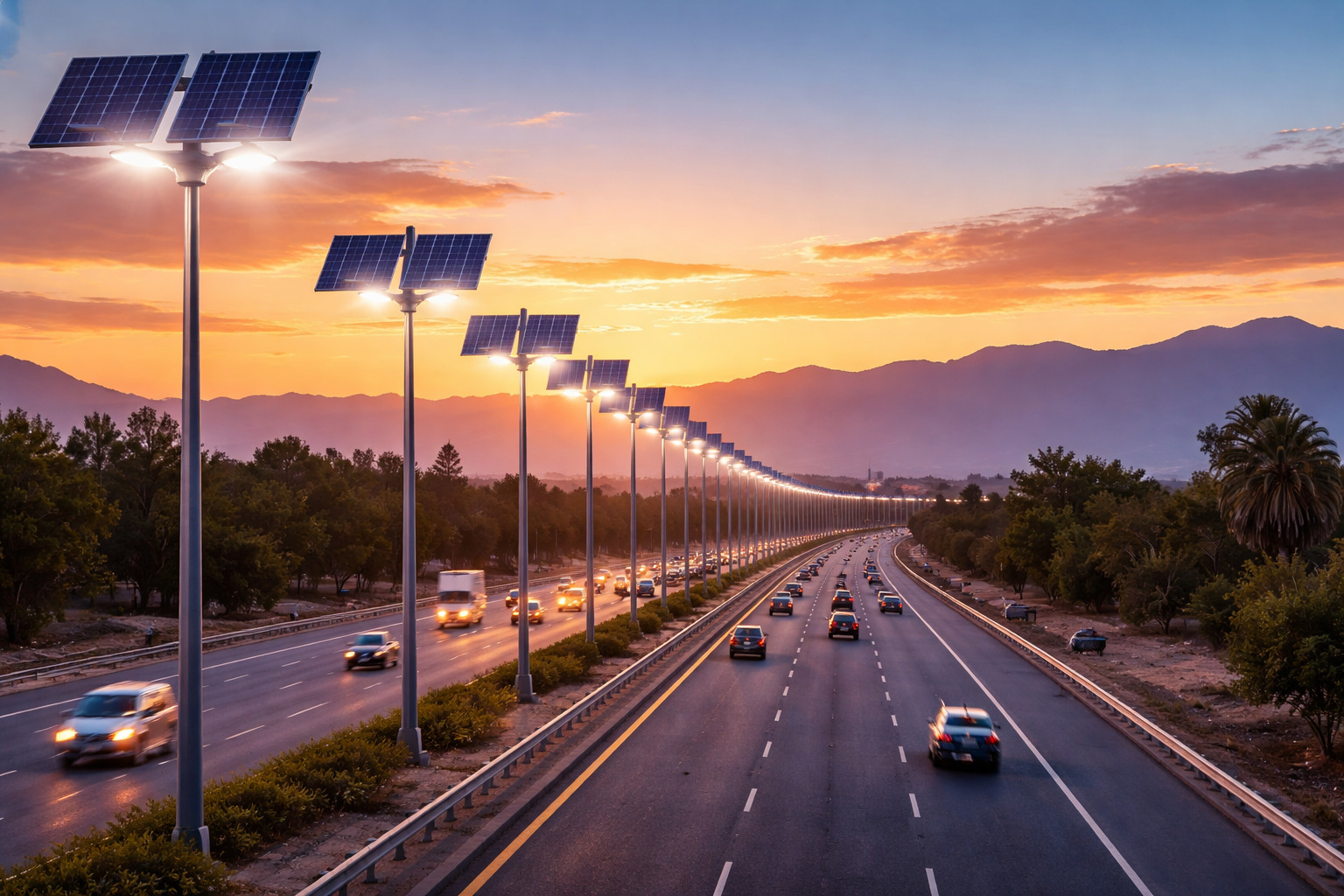

During the first nine months of this year, São Paulo led in migrations. However, other states such as Rio Grande do Sul, Rio de Janeiro, Paraná, and Minas Gerais also showed significant numbers. While these regions maintain their traditional prominent position, largely due to the concentration of significant industries and companies, the Northeast is gaining ground. States like Pernambuco and Bahia are emerging in this scenario.
Preparations For 2024: A Smoother Transition.
With Ordinance No. 50/2022 from the Ministry of Mines and Energy (MME) anticipating greater flexibility in entry criteria starting in 2024, the CCEE has played a fundamental role. The Chamber, in collaboration with the MME and the National Electric Energy Agency (ANEEL), seeks initiatives that facilitate the transition to the free market. The vision is to ensure ongoing, stable, and balanced expansion of this market.
Additionally, as part of its strategies, the CCEE has already made its systems available to register small and medium-sized consumers who plan to migrate next year. This will facilitate the advance registration of these consumers by the companies that will represent them, making the entire process more effective and structured.
About The CCEE: The CCEE, a non-profit entity, plays a crucial role in facilitating the buying and selling of energy in Brazil. Since 1999, its commitment has been to unify generators, distributors, traders, and consumers with the aim of cultivating efficient and sustainable markets for the benefit of society. In the operations of the CCEE, which encompass both the free contracting environment and the regulated one, over R$ 150 billion are settled annually.
Source: Fábio Souza – FSB.







Seja o primeiro a reagir!