





 English
  Francês
  Alemão
  Italiano
  Japonês
  Norueguês
  Portuguese
  Spanish
  3 min of reading


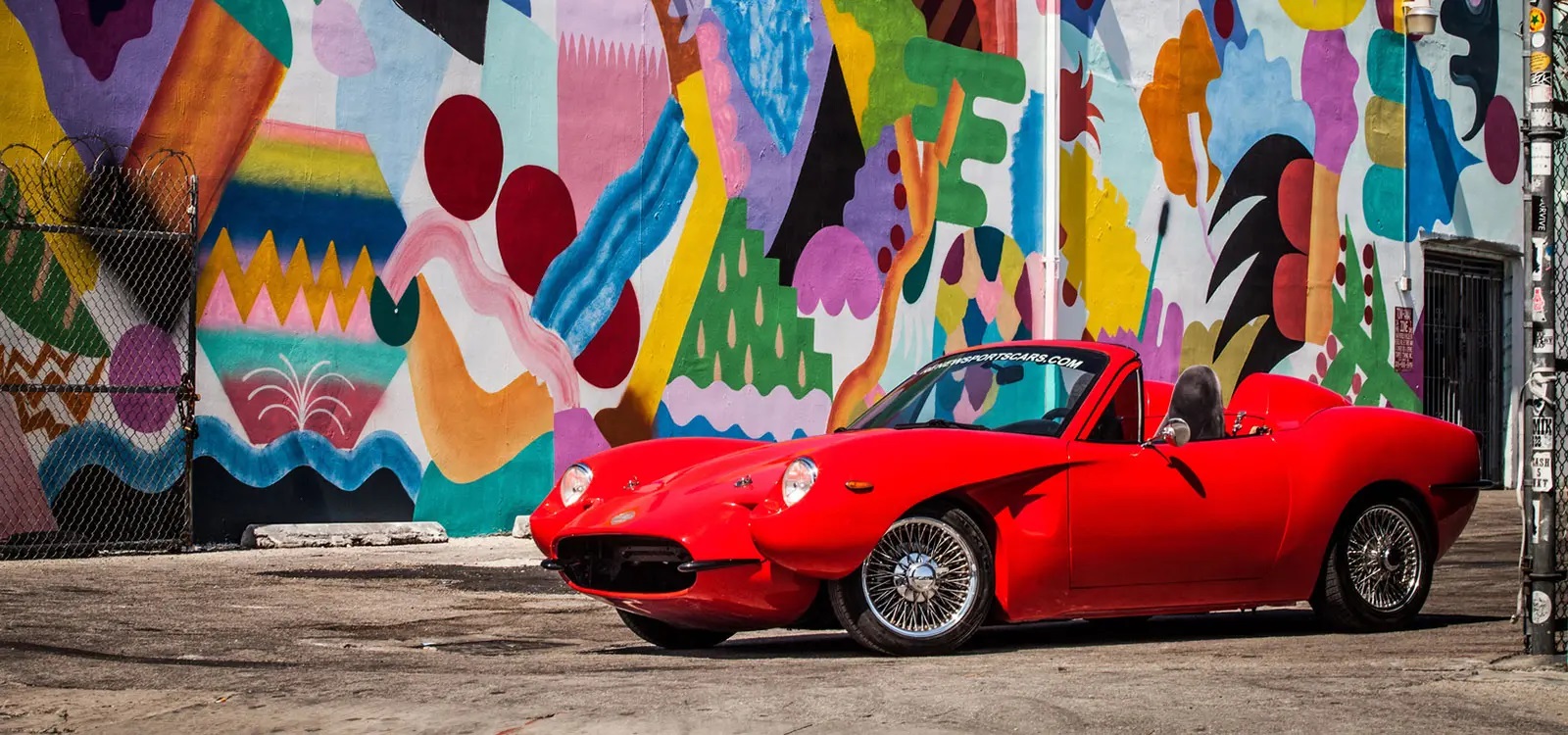
Bruce Dietzen Developed A Much More Sustainable Electric Car Than Any Other Electric Car Available For Sale In The Automotive Sector. The Inventor Created An Electric Vehicle From Cannabis Leaves With Over 500 Horsepower
For over 5 years, inventor and former Dell engineer, Bruce Dietzen, has been selling a prototype electric car that, according to him, is the most eco-friendly electric vehicle in the automotive industry. After years of work on the project, spending around US$ 200,000 in expenses, which amounts to R$ 1 million, and US$ 200,000 in losses, he achieved an impressive result, known as the Renew Sports Car, a model made from cannabis leaves.
Read Other Related News
- StoreDot Promises To Launch An Electric Car Battery With “Faster Than Ultra-Fast” Charging In Just 5 Minutes
- What Is The Cost Of Maintaining An Electric Car In Brazil In 2022?
- Compact, National, And With Three Wheels, Kers Wee Promises To Be The Cheapest Electric Car In Brazil, Costing Only R$ 93,000
- Amazon Startup Reveals ‘Robotaxi’, The Autonomous Electric Car That Could Replace Taxi Drivers Around The World
- Company Develops Battery That Regenerates Even During Constant Use In Electric Cars
Electric Car Made With Cannabis Leaves Can Be Bought In Three Configurations
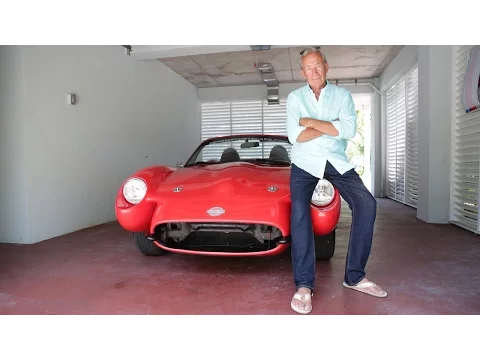

The model made by the former Dell engineer has the shape of a first-generation Mazda Miata and stands out even in its versions that use a combustion engine, having a negative carbon footprint. This is because its shell is 65% made from cannabis leaves and the remaining 35% from bio-epoxy, which provides greater rigidity.
Hemp, a variation of Cannabis sativa, which is cultivated industrially, does not pollute while being processed, unlike fiberglass, aluminum, or carbon fiber.
-
Engineers propose a fourth traffic light for intersections – the change promises to affect crossings, queues, and waiting times.

-
Chevrolet Suburban Z71 lands in Brazil with a V8 engine, off-road design, air suspension, seven seats, and colossal size, a rare version imported for around R$ 1.3 million with luxury and exclusivity.
-
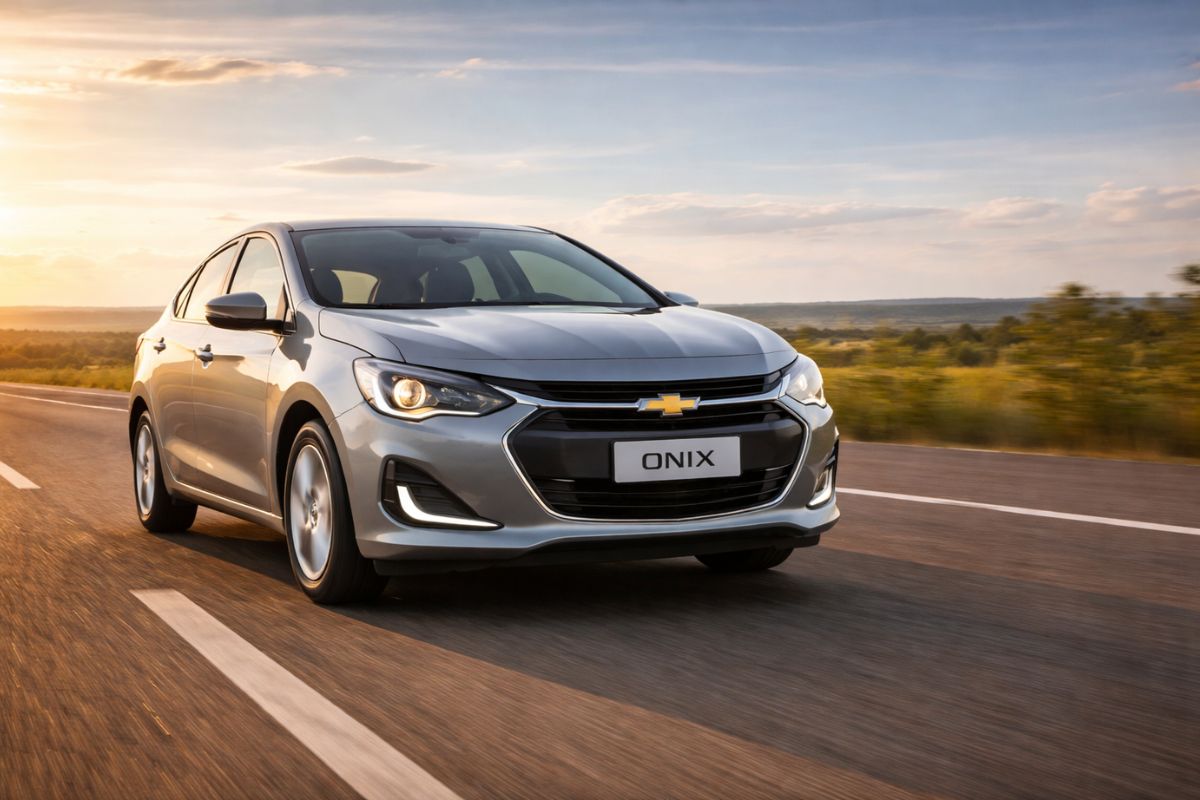
The Chevrolet Onix 1.0 turbo achieves 17.7 km per liter on the highway and ranks among the three most economical cars in Brazil in 2026, alongside two more expensive Toyota hybrids available at dealerships.
-
Little sister of the Hilux: Toyota launches Land Cruiser FJ with 4 radical versions, 2.7 engine with 166 hp and 4×4 traction with locking.

Those interested in the former engineer’s model can purchase the electric car in three versions: the Canna 225, which achieves a power-to-weight ratio comparable to a Porsche 911 Cabriolet, the Canna 525, and also the Canna EV, an electric car with over 300 horsepower, according to the former Dell employee.
Electric Car Made With Cannabis Leaves Is Less Polluting Than Any Existing Model On The Market
The former Dell engineer also claims that the model is three times more sustainable than any electric car currently for sale on the market, mainly due to its construction with cannabis leaves and also because the variants with combustion engines operate on biofuels derived from agricultural products.
Currently, the electric car is displayed at trade events, keeping discussions about hemp on the agenda. Interested buyers can also order the vehicle with prices starting at US$ 100,000. Now, the former Dell engineer is working on developing a new version of the electric car, the Renew Ultra-Low Carbon Footprint, which should start being produced by 2025.
Honda Civic Powered By Pedals?
When it comes to sustainable ideas, in addition to the electric car made with cannabis leaves, a group of friends joined a 3rd generation Honda Civic hatch with a two-seater bicycle, resulting in a sustainable car.
As the vehicle was already without peripherals and without the engine, the transformation made by the friends was even easier. To join the car to the bicycle, the Americans removed the hood of the vehicle and connected iron bars through welding, thus supporting the entire structure over the area where the hood used to be, fixing it between the headlights.
For the project to succeed, the group of friends made an adaptation to the bicycle, which served to transmit the same movement to the wheels of the car. After completion, the vehicle began to be tested. Two members of the group climbed onto the bicycle to do the heavier work, while one remained inside the car controlling its direction.









Seja o primeiro a reagir!