





 Portuguese
  English
  Spanish
  3 min of reading



The Oil Accumulated During the Covid-19 Pandemic Is Almost Gone; This Factor Favors Producers and the Resumption of Prices, but Worries Consumers
The oil accumulated that was extracted during the Covid-19 pandemic may be running out. This development strengthens producers and the resumption of prices in the market; however, this fact worries consumers. OPEC and its allies have most of their production off the market, while the economic recovery, which is still uneven, has reignited global fuel demand, rebalancing the market.
Oil Surplus Nearing Its End
According to the International Energy Agency, when demand for oil plummeted drastically last year at the beginning of the pandemic, only 20% of the surplus had filled the storage tanks of advanced economies. Since then, as the accumulated supply at sea and storage in South African tanks have decreased, the remaining stock has also diminished.
This trend of oil surplus during the Covid-19 pandemic brought international oil prices close to US$ 67 per barrel, benefiting producers but also making drivers and governments increasingly cautious about inflation.
-
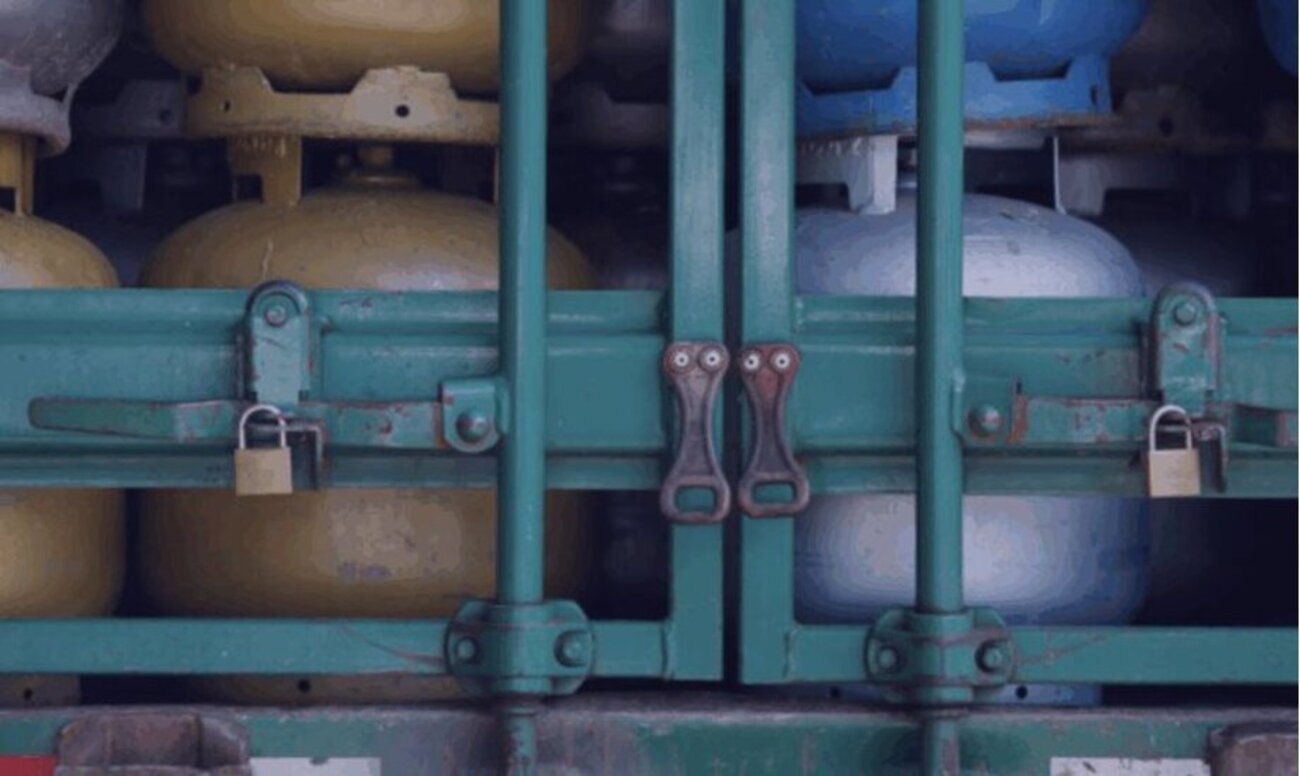
Petrobras evaluates suspension of sales to distributors and considers canceling the cooking gas auction following guidelines from the Federal Government.
-
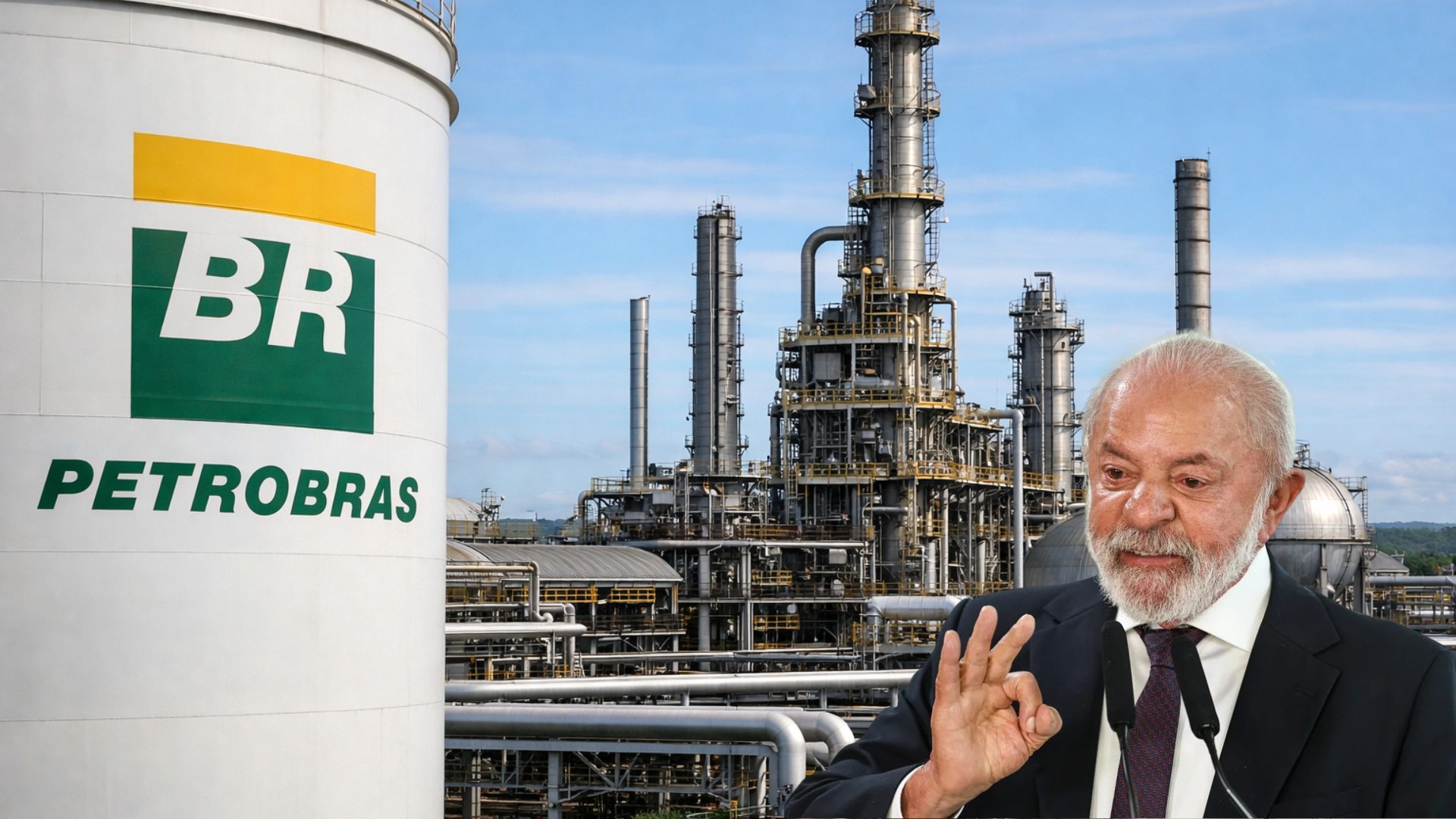
Lula reveals a masterstroke by Petrobras to undo a deal made by Bolsonaro, which involves the return of an important refinery that currently produces less than half of what was expected and makes Brazil dependent on international diesel.
-
A study confirms that the natural gas sector will reduce greenhouse gas emissions in Brazil by 0.5% and accelerate the energy transition by 2026.

-
Petrobras implements a severe adjustment and confirms a 55% increase in the price of aviation kerosene with a proposal for installment payments for the companies.

Ed Morse, head of commodity research at Citigroup, says that the oil stocks accumulated in the OECD are at the same level they were five years ago. Morse also states that the surplus is currently concentrated in China, which has been building a permanent oil reserve over the past few years.
Oil Surplus During the Covid-19 Pandemic
Experts from IHS Markit – a British information and financial services company, say that there is still a surplus in a province in China, in Shandong. They also say that this oil accumulated during the Covid-19 pandemic may be directed to supply new refineries.
It may take longer to eliminate the global oil surplus because OPEC+ is resuming production cutbacks and a new threatening wave of demand triggered by Covid-19 in India and Brazil may influence the entire process. However, the end of the surplus seems to be in sight.
The IEA estimates that oil stocks in developed economies in February were only 57 million barrels above the average from 2015-2019 and below the peak of July at 249 million barrels.
United States Sees Decline in Oil Stocks Produced During the Covid-19 Pandemic
In the United States, the excess accumulated stock has been effectively eliminated. According to data, at the end of February, total oil and derivative stocks fell to 1.28 billion barrels, a level prior to the arrival of Covid-19 and still close to that level. Last week, what was stored on the East Coast of the United States fell to the lowest level in at least 30 years.
The accumulated oil surplus in the ocean is also decreasing. According to IHS Markit, when onshore facilities ran out of storage space for oil last year, ships became temporary floating warehouses, but their numbers have plummeted.
The obvious sign of this trend is the reduction of storage tank capacity at the Saldanha Bay Logistics Center on the west coast of South Africa. This is a strategic location for traders, allowing them to swiftly and efficiently transport goods to different countries. According to ship tracking data monitored by Bloomberg, terminal stocks fell to 24.5 million barrels, the lowest level in a year.








Seja o primeiro a reagir!